For 18 years, Franz von Holzhausen has been the visionary hand behind Tesla’s design language. From the sleek, aerodynamic curves of the original Model S that disrupted the automotive industry in 2012 to the polarizing, utilitarian edges of the Cybertruck, von Holzhausen has defined how the world perceives the electric vehicle. However, his latest project is not a CAD file, a clay model, or a future concept. It is a tangible, finished artifact: chassis 001 of the Tesla Model S Plaid Signature Edition.
Rather than subjecting this historic machine to the common fate of high-performance EVs—track abuse, aftermarket modifications, or constant exposure to the elements—von Holzhausen has made a definitive statement about the legacy of the Model S. He has committed chassis 001 to a life of preservation, signaling the conclusion of an era for one of the most significant nameplates in modern automotive history.
The End of an Era: The Signature Series Finality
The Model S Plaid Signature Edition is more than just a car; it is a ceremonial bookend. Produced in a strictly limited run of just 250 units, alongside a parallel production of 100 Model X Plaid Signature units, these vehicles represent the final evolution of the original flagship platform.
The curtain fell on these iconic nameplates during a private event at Tesla’s Fremont, California factory in May 2026. Eschewing the traditional, accessible ordering process, Tesla opted for an invite-only model, restricting ownership to a select group of loyalists and high-profile stakeholders. This exclusivity was a deliberate choice, intended to cement the Model S as a collector’s piece rather than a mass-market commodity. By closing the line, Tesla signaled a pivot toward its next generation of architecture, leaving the Model S to stand as the definitive pioneer of the EV revolution.
A Tribute to 2012: The Aesthetics of the Signature Edition
Chassis 001, now in the hands of its designer, serves as the ultimate realization of the Model S lineage. While standard Plaid models are feats of engineering, the Signature Edition is an exercise in heritage.
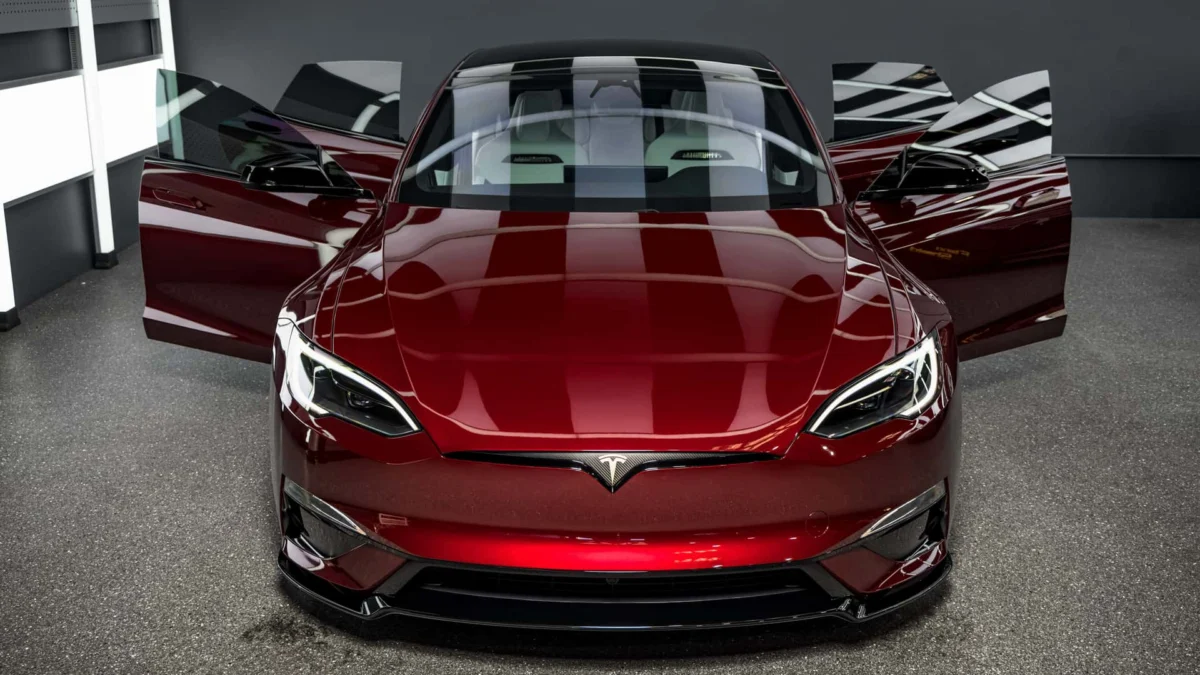
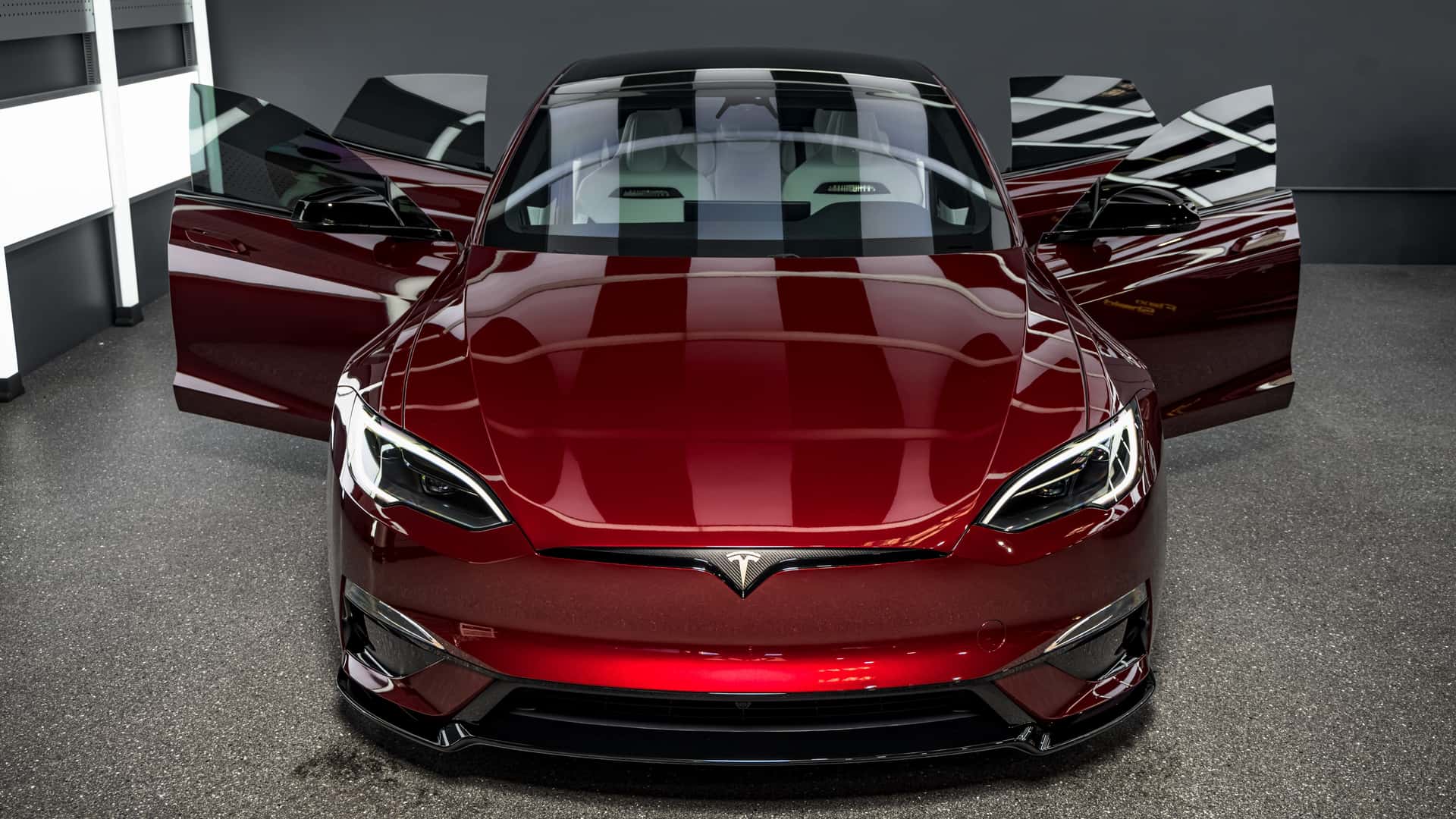
The most striking feature of von Holzhausen’s car is its finish. Dressed in a bespoke "Garnet Red," the vehicle serves as a direct homage to the original "Signature Red" paint option that graced the very first Model S units delivered in June 2012. The contrast is sharp and deliberate: gold badging and matching gold brake calipers elevate the exterior, moving away from the "stealth" aesthetic that has dominated recent performance EVs and toward a more regal, historical sensibility.
Inside, the cabin remains a testament to the brand’s minimalist ethos, featuring a pristine white leather interior and the controversial yet signature yoke steering wheel. It is a cockpit that feels both futuristic and nostalgic, capturing the exact moment the Model S redefined the luxury sedan segment.
Engineering Unchanged: The Plaid Powerhouse
Despite the "Signature" branding, Tesla did not temper the performance capabilities of these final units. Under the sleek chassis lies the full, blistering power of the tri-motor powertrain. With 1,020 horsepower and 1,050 pound-feet of torque on tap, the car retains its physics-defying performance metrics: a 0–60 mph sprint in just 1.99 seconds and a quarter-mile time of 9.23 seconds.
Equipped with the optional Track Package, the car is capable of reaching a top speed of 200 mph. Yet, for chassis 001, these numbers are purely theoretical. While the hardware remains, von Holzhausen’s intent for the vehicle is not to push the limits of its performance, but to protect the integrity of its factory state.
Why Unplugged Performance? A Masterclass in Preservation
When the designer of the car chooses a partner for its care, the selection carries immense weight. Von Holzhausen bypassed traditional tuning shops—which typically focus on increasing horsepower or installing aggressive body kits—in favor of Unplugged Performance, based in Hawthorne, California.
Unplugged Performance has built its reputation as the premier aftermarket specialist for Tesla vehicles. However, for this project, the shop was instructed to strip away all thoughts of performance modification. The mission was singular: forensic-level preservation.
The process began with the "Auto Spa" team performing a comprehensive decontamination pass on every square inch of the vehicle’s bodywork. This was followed by the application of a high-grade paint protection film (PPF) that completely encapsulates the exterior. To ensure maximum longevity, a layer of ceramic coating was applied over the film, extending even to the painted trim and the faces of the wheels. Finally, the cabin was treated with high-performance window film to provide superior ultraviolet (UV) blocking and heat reduction, ensuring the white leather interior remains immune to the effects of time and sun exposure.
Implications: The Shift Toward EV Collecting
The decision by Tesla’s chief designer to preserve his own vehicle in this manner sends a profound message to the automotive community: the electric vehicle has officially entered the era of the "collector car."
For years, the discourse surrounding EVs centered on battery degradation, technological obsolescence, and rapid depreciation. The prevailing wisdom suggested that an electric car was a disposable piece of consumer electronics, meant to be driven for a few years and then replaced. Von Holzhausen’s stance directly challenges this. By treating chassis 001 as a historic artifact, he is validating the Model S as a vehicle worthy of long-term curation.
This shift will likely influence the broader market. As collectors begin to identify "milestone" EVs—those that represent the beginning or end of a specific technological epoch—we can expect to see more high-end preservation services emerging. The value will no longer reside in the "next software update" or "improved range," but in the originality and the provenance of the machine.
The Legacy of the Model S
When the history of the 21st-century automobile is written, the Model S will undoubtedly occupy the first chapter. It was the vehicle that forced legacy automakers to abandon their internal combustion strategies and scramble to catch up. It changed the public perception of electric cars from "golf carts" to "performance machines."
By keeping chassis 001 in its factory-perfect, original condition, von Holzhausen is acknowledging that the Model S does not need to evolve further. Its mission was accomplished. It succeeded in changing the world, and now, it deserves to be remembered exactly as it was when it first turned the automotive world on its head.
Conclusion: A Rolling Time Capsule
Franz von Holzhausen’s Model S Plaid Signature Edition 001 is more than a car; it is a rolling time capsule. It represents the conclusion of a singular design philosophy and the beginning of a new appreciation for the history of electric mobility.
While the industry continues to race toward the next innovation—be it autonomous robotaxis or next-generation battery chemistry—there is immense value in looking back. By shielding his creation from the wear and tear of the road, von Holzhausen has ensured that 50 or 100 years from now, future generations will be able to look at this Garnet Red sedan and understand exactly what it felt like when the world moved from gas to electric. The Model S is done evolving, and in its preservation, it finally achieves immortality.