For millions of Americans, the simple act of rising from a chair, walking to the mailbox, or climbing a flight of stairs has become a calculated negotiation with discomfort. Knee pain is a ubiquitous health concern, a silent thief of mobility that disproportionately targets the aging population but increasingly strikes those in their prime. While the causes of persistent joint distress are varied, one diagnosis stands as the primary culprit: osteoarthritis (OA).
As the most common form of arthritis, knee osteoarthritis is not merely a "wear and tear" condition associated with the inevitable passage of time. It is a complex, systemic, and manageable health challenge that carries profound implications for long-term well-being. Understanding the mechanism of the disease, the lifestyle interventions that can stall its progression, and the debunking of long-standing myths is essential for anyone looking to reclaim their quality of life.
The Anatomy of the Condition: How Cartilage Fails
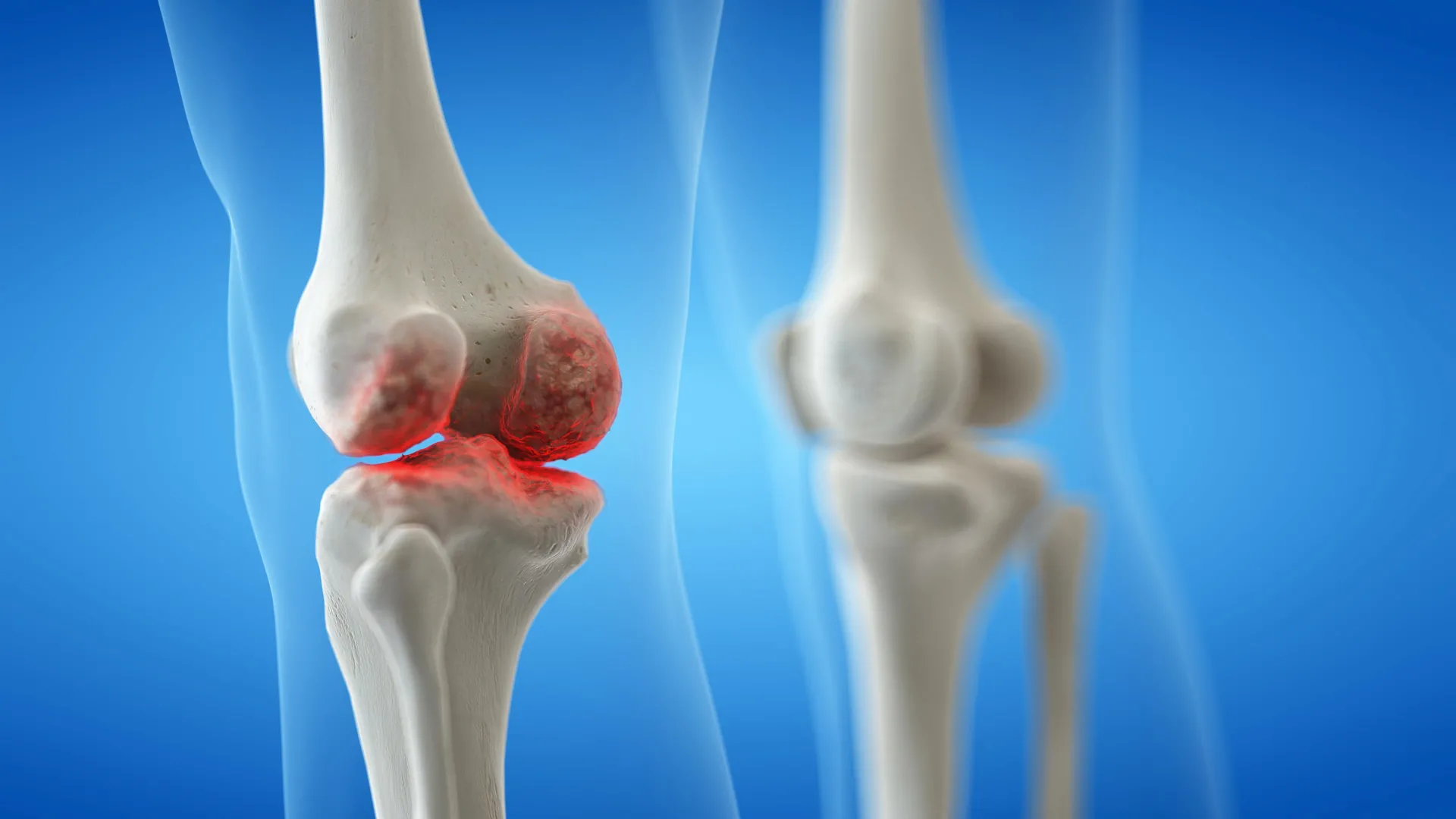
To understand osteoarthritis, one must first look at the silent hero of joint function: articular cartilage. This slick, rubbery tissue acts as a protective shock absorber, capping the ends of the femur and tibia to allow for smooth, frictionless movement.
In a healthy knee, cartilage maintains a delicate balance of hydration and structural integrity. In an osteoarthritic knee, this balance is lost. The cartilage begins to thin, fray, and eventually erode. As this cushion disappears, the bones underneath lose their buffer, leading to friction, inflammation, and the formation of bone spurs—bony growths that further complicate movement.
This process is not instantaneous; it is a gradual decline that often begins with mild stiffness after periods of inactivity, progressing to sharp, localized pain during weight-bearing activities. Over time, the joint may lose its full range of motion, creating a feedback loop of inactivity that further weakens the supporting muscles, accelerating the disease’s trajectory.
A Closer Look: Supporting Data and Prevalence
The scale of the osteoarthritis crisis is staggering. According to recent public health data, more than 30 million adults in the United States are currently navigating life with some form of clinical osteoarthritis. Of all the joints in the human body, the knee is the most frequent site of damage.
While popular perception often paints OA as a condition exclusive to the elderly, the statistics tell a more nuanced story. Roughly half of all osteoarthritis cases occur in individuals of working age—people between the ages of 30 and 64. This shift has massive economic and societal implications. When mobility is compromised, the impact extends far beyond the doctor’s office. It manifests as lost wages, absenteeism in the workplace, and a withdrawal from social and physical activities that keep an individual mentally and physically robust.
Expert Insight: Perspectives from Washington University
Dr. Abby Cheng, an orthopedic surgeon at the Washington University School of Medicine in St. Louis, emphasizes that we must view osteoarthritis as a multi-dimensional health issue. Specializing in physiatry—the nonsurgical treatment and rehabilitation of musculoskeletal conditions—Dr. Cheng observes daily how joint health acts as a keystone for overall vitality.
"Osteoarthritis can cause knee pain and stiffness, which can negatively impact a person’s activity level, risk of falling, mood, and general quality of life," Dr. Cheng explains. Her clinical experience highlights that the pain is only the tip of the iceberg. The secondary effects—depression stemming from isolation, weight gain from lack of mobility, and the heightened risk of metabolic diseases—create a cascade of health crises that require proactive, rather than reactive, management.
The Chronic Disease Connection
The relationship between knee osteoarthritis and other chronic illnesses is a primary concern for public health officials. When movement becomes painful, physical activity often drops to a sedentary level. This decline in energy expenditure is a gateway to a host of comorbidities.
Research suggests that individuals with chronic knee pain are at a significantly higher risk for:
- Cardiovascular Disease: Reduced activity leads to poorer heart health and vascular function.
- Type 2 Diabetes: The inability to exercise limits the body’s ability to regulate insulin and blood sugar levels.
- Obesity: A dangerous cycle where joint pain prevents weight loss, and excess weight further stresses the damaged joint.
Clinical Strategies: Managing the Pain and Slowing the Decline
For those already living with a diagnosis, the situation is far from hopeless. Modern medicine and lifestyle interventions offer a robust toolkit for pain management and joint preservation.
The Power of Mechanical Unloading
The most immediate relief often comes from physics. Dr. Cheng highlights a compelling statistic: for an individual who is overweight, losing just 10 pounds can reduce the compressive force on the knees by 40 pounds with every single step. By reducing this "load," the progression of cartilage degradation can be significantly slowed, and the acute pain associated with daily activity can be substantially diminished.
Nutritional Interventions
Dietary choices serve as a primary defense against systemic inflammation. A shift toward a plant-forward, anti-inflammatory diet—rich in whole grains, colorful vegetables, and omega-3 fatty acids, while minimizing processed sugars and refined carbohydrates—can help mitigate the inflammatory markers that exacerbate joint pain.
Beyond Medication: A Multimodal Approach
While non-steroidal anti-inflammatory drugs (NSAIDs) and cortisone injections provide necessary relief for flare-ups, they are not the only, or even the primary, solutions. Effective management programs often include:
- Targeted Strengthening: Focusing on the quadriceps and hamstrings provides the "muscle bracing" necessary to stabilize the joint.
- Orthotics and Bracing: Unloader braces can shift weight away from the damaged compartment of the knee.
- Physical Therapy: Tailored movement patterns that keep the joint fluid and functional without overstressing the tissue.
- Surgical Intervention: In severe cases where quality of life is severely compromised, knee replacement surgery remains a gold-standard option that restores function and drastically improves pain scores.
Debunking the Myths: Risk Factors and Prevention
One of the most persistent myths regarding osteoarthritis is the idea that it is purely genetic—an unavoidable fate passed down through family lines. While family history does play a role, Dr. Cheng is quick to provide a more empowering outlook.
"Some people think that because a parent or grandparent had osteoarthritis, they will develop it too," she notes. "And while it’s true that osteoarthritis can run in families, it doesn’t mean there’s nothing a person can do to successfully lower their risk of developing it."
The Running Controversy
Perhaps no myth is more prevalent than the belief that running destroys the knees. For decades, many have avoided high-impact exercise, fearing it would "grind down" their joints. However, current research suggests that, for the average person, running is not inherently damaging. In fact, when done with proper form and appropriate footwear, running can strengthen the supporting structures of the knee and maintain a healthy weight, which is arguably the most important protective factor against the disease.
Identifying Your Risk Profile
Understanding one’s personal risk profile is the first step toward prevention. Key indicators include:
- Muscle Weakness: Specifically in the legs, which fails to protect the joint during impact.
- Previous Injury: A prior ACL tear or meniscus injury significantly increases the risk of developing OA in that joint later in life.
- Systemic Factors: Metabolic health, age, and biological sex all play a role in how the body maintains cartilage.
Implications: A Call to Proactive Health
The implications of this research are clear: the future of your joints is not written in stone, even if there is a history of arthritis in your family. By adopting a proactive stance toward weight management, muscle strengthening, and anti-inflammatory nutrition, individuals can effectively "insulate" their joints against the most aggressive forms of degradation.
The journey to better knee health is not about finding a single miracle cure, but about building a sustainable lifestyle. It is about working with healthcare providers to develop an individualized strategy—not just for today, but for the next 20 or 30 years.
As we look toward the future, the integration of public health awareness and personalized medicine offers a path forward that moves away from surgical dependency and toward long-term joint longevity. Whether you are currently experiencing the first twinges of stiffness or simply looking to protect your mobility for the decades to come, the message remains the same: it is your health, and you have more control than you might realize. By taking action today, you are investing in the freedom of movement for your tomorrow.