On September 13, Disney Plus subscribers will gain access to one of the most curious artifacts in modern superhero cinema: Kraven the Hunter. For those who missed its theatrical run in late 2024, the film serves as more than just another entry in the sprawling, interconnected web of Marvel-licensed properties; it stands as a grim monument to the final failure of Sony Pictures’ ambitious, yet critically maligned, "Sony’s Spider-Man Universe" (SSU).
With a dismal 15% critic score on Rotten Tomatoes and a global box office haul of just $62 million, Kraven was not merely a commercial disappointment—it was a systemic collapse. Following a disastrous year that saw three SSU releases—Madame Web, Venom: The Last Dance, and Kraven—all falter, the latter has been widely identified by industry analysts as the project that effectively shuttered the studio’s hopes of competing with the Marvel Cinematic Universe (MCU) on its own terms.
The Anatomy of a Flop: Main Facts
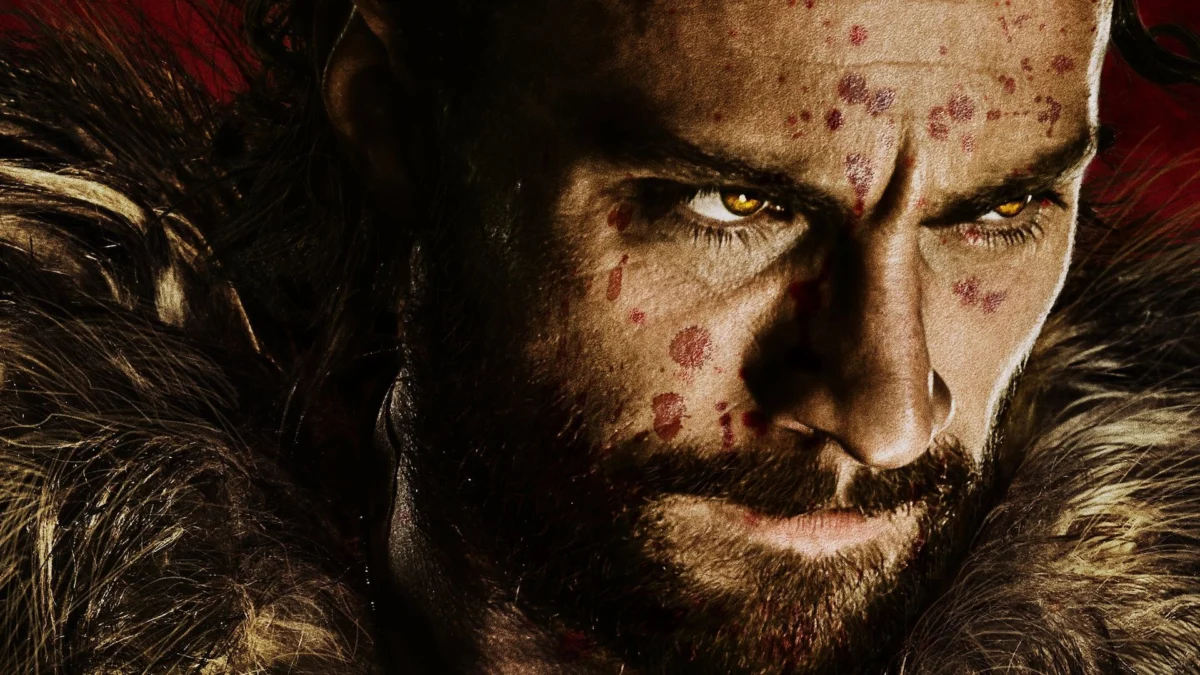
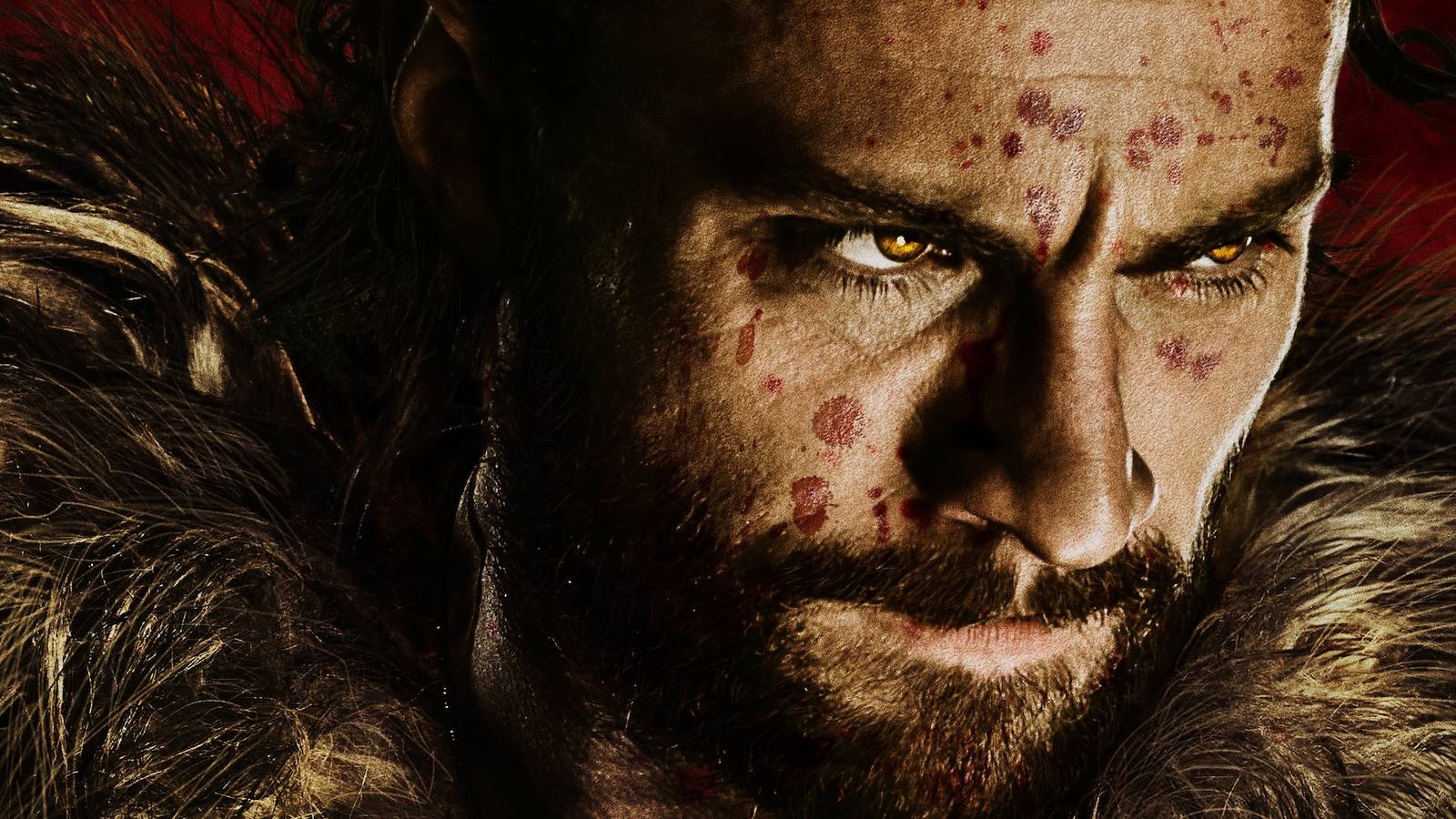
At its core, Kraven the Hunter is a character study that fundamentally misunderstands its subject. Aaron Taylor-Johnson stars as Sergei Kravinoff, a legendary Marvel antagonist traditionally defined by his obsession with proving his superiority over Spider-Man. However, the film opts for a radical, and ultimately polarizing, departure: it rebrands the hunter as a "protector of the natural world" and a vigilante with a moral compass.
The film’s failure is multi-faceted. Critics pointed to the jarring tone, a script burdened by excessive reshoots, and a central conceit that struggled to justify a solo movie for a villain whose identity is intrinsically tied to the wall-crawler he never actually encounters. Despite the inclusion of notable characters—such as Ariana DeBose’s Calypso (reimagined here as both a voodoo practitioner and a lawyer) and Fred Hechinger’s Chameleon—the narrative failed to coalesce, resulting in a 122-minute experience that felt disjointed and hollow.
A Chronology of the SSU’s Decline
To understand why Kraven marks the end of an era, one must look at the timeline of the SSU’s trajectory.
- 2018: The launch of Venom provided a glimmer of hope. Despite mixed reviews, the film was a massive financial success, suggesting that audiences were hungry for darker, anti-hero-centric stories outside of the MCU’s traditional oversight.
- 2022: Morbius arrives. The film became a cultural meme, ridiculed for its writing and pacing, marking the first major crack in the studio’s credibility.
- February 2024: Madame Web is released to a torrent of negative reviews, cementing the perception that Sony was mining the Spider-Man IP without a cohesive creative vision.
- October 2024: Venom: The Last Dance performs adequately, serving as the final commercially viable entry in the franchise.
- December 2024: Kraven the Hunter hits theaters. The abysmal $62 million worldwide gross serves as the definitive signal that audience goodwill had evaporated.
This downward slope was exacerbated by a series of delays. Originally slated for an earlier release, the film underwent extensive production shifts that, in retrospect, signaled a lack of confidence from studio executives. By the time it reached screens, it was viewed less as a blockbuster event and more as a contractual obligation.
Supporting Data: The Box Office Reality
The financial data is stark. In an era where superhero films are expected to cross the $500 million to $1 billion threshold, Kraven’s $62 million global performance represents a catastrophic return on investment. Even when accounting for marketing costs and production overhead, the film failed to break even, forcing Sony to pivot its strategy entirely.
Comparatively, the MCU has maintained its dominance through films like the recent Spider-Man: Brand New Day, which surpassed the $2 billion mark at the box office. The disparity between these figures highlights the growing chasm between films that possess a strong narrative tether to the central Spider-Man mythos and those, like Kraven, that attempt to build an empire on peripheral characters without the foundational support of the primary hero.
Official Perspectives and Behind-the-Scenes Tension
The production of Kraven was fraught with creative friction. During the promotional tour, Aaron Taylor-Johnson’s descriptions of the character—calling him an "animal lover" and an "apex predator"—often clashed with fan expectations of the source material. These comments highlighted a fundamental disconnect between the studio’s attempt to "humanize" a classic villain and the audience’s desire for the brutal, obsessive antagonist known to comic readers.
Moreover, the industry buzz surrounding the film was shadowed by the revelation that director Ryan Coogler had previously requested access to the Kraven character for his Black Panther films, only to be denied by the studio. This narrative—that a high-caliber director wanted to do something meaningful with the character, only for it to be squandered in a generic spinoff—became a central point of criticism among industry observers.
The "Xavier" Connection: A Curious Casting Note
One of the few points of genuine interest for comic book fans is the presence of Christopher Abbott, who plays the "Foreigner." For many viewers, the film serves as a preview of Abbott’s range, as he is currently slated to play Professor Charles Xavier in Marvel Studios’ upcoming X-Men reboot. Observing his performance as a time-slowing, hypnotic assassin in Kraven provides a bizarre, if compelling, study in how actors navigate the shifting sands of different Marvel-licensed universes.
Implications: Where Does Sony Go From Here?
The failure of Kraven the Hunter carries massive implications for the future of comic book adaptations. The primary lesson is that the "Spider-Man universe" is not a substitute for Spider-Man himself. Without the wall-crawler, the films lacked the necessary stakes to engage mainstream audiences.
Sony now faces a crossroads. With the critical and commercial success of the Spider-Verse franchise—which continues to push the boundaries of animation and storytelling—and the triumph of Brand New Day, the path forward is clear: quality and narrative cohesion must take precedence over IP-mining.
Kraven will likely be remembered as the "final nail in the coffin" for the SSU. It is a cautionary tale for studios attempting to build interconnected universes on foundations that are either fundamentally unstable or disconnected from the core appeal of the source material.
For the dedicated fan or the curious Disney Plus subscriber, the film serves as an essential "hate-watch." It is a rare, unvarnished look at how a high-budget production can go wrong at every step. As we look toward 2027 and the release of Spider-Man: Beyond the Spider-Verse, Kraven serves as a stark reminder of what the genre must avoid if it hopes to maintain its relevance in an increasingly crowded media landscape.
While the "SSU" experiment may have ended in a whimper rather than a roar, its final chapter provides a masterclass in the dangers of creative drift, reminding us that even the most formidable hunters can lose their way when they wander too far from their natural habitat.