Main Facts of the Incident
A dramatic and unexpected structural failure interrupted a high-stakes federal law enforcement operation in rural Missouri when an elevated wooden deck collapsed under the weight of a U.S. Marshals Service fugitive task force. The officers were in the process of serving an arrest warrant to a convicted sex offender when the platform gave way, sending several officers plummeting to the ground below.
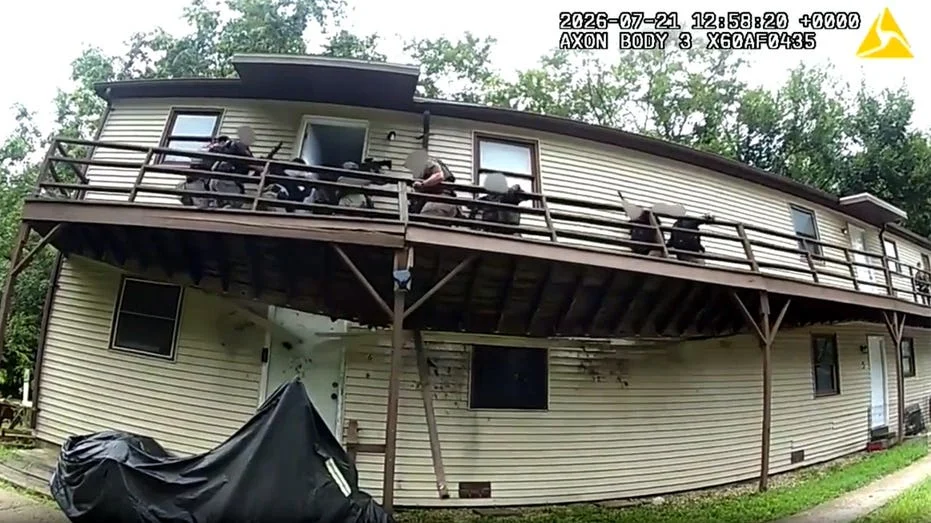
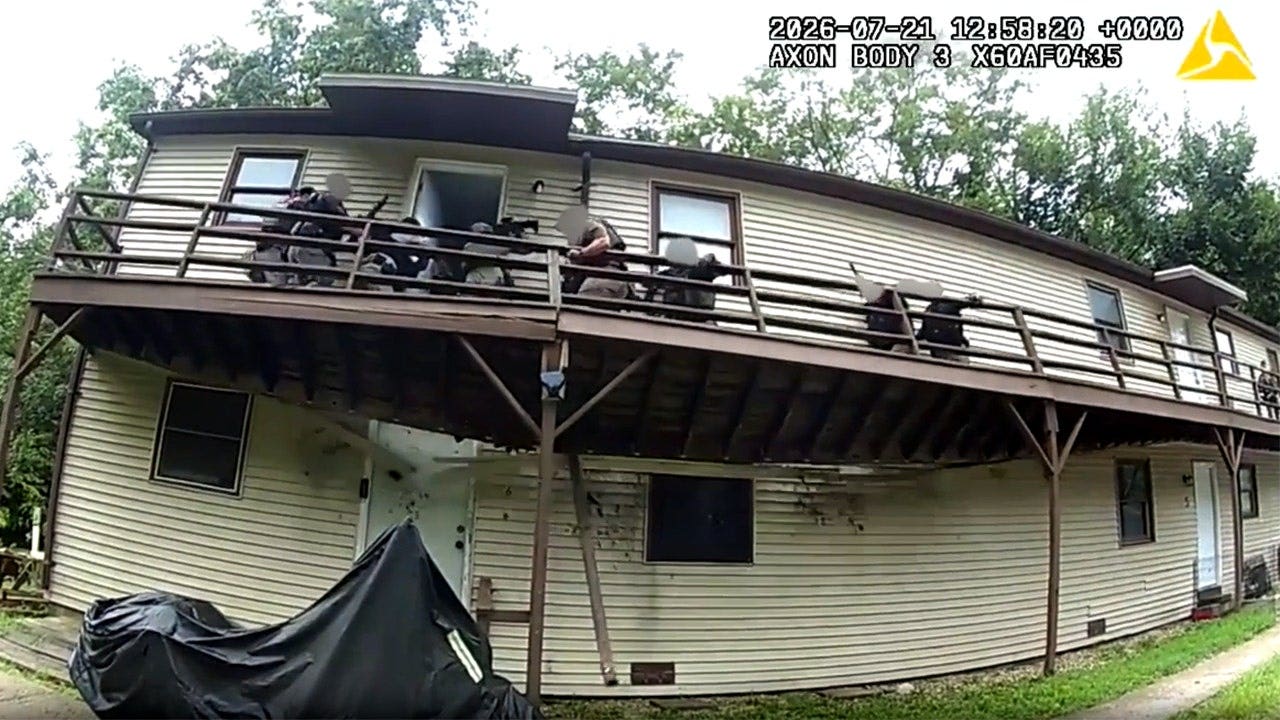
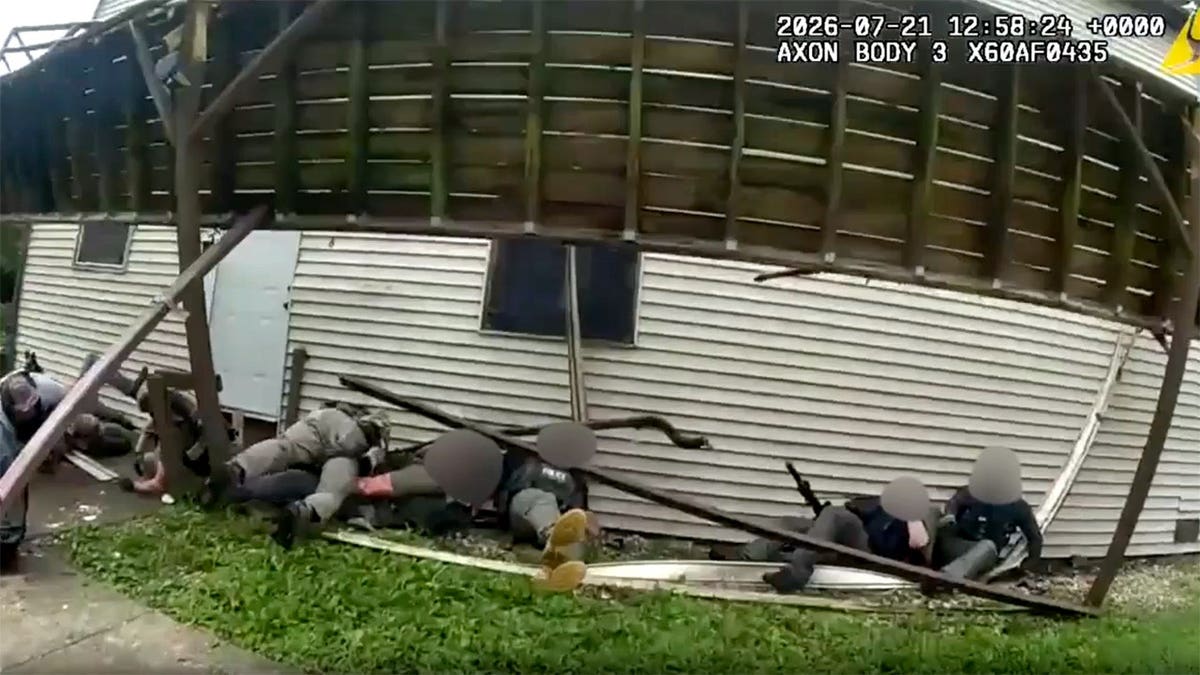
The incident, which was captured on tactical video, occurred at the rear of a residence in Randolph County, Missouri. The task force had surrounded the home to apprehend 26-year-old Jacob Alexander Munoz, a convicted sex offender who had gone non-compliant with his registration requirements. As tactical officers gathered on the elevated rear deck to secure the back entrance of the home, the structure suddenly and catastrophically failed, causing several members to lose their footing and fall into the debris below.
Despite the chaotic and painful disruption, the U.S. Marshals Service, in cooperation with local law enforcement, successfully executed the operation. Munoz was located and taken into custody later that day.
While no fatalities were reported, the U.S. Marshals Service confirmed that multiple law enforcement personnel sustained injuries. Some of the injured officers face a protracted rehabilitation process, with agency officials acknowledging that several members could experience long-term physical effects from the fall.
Chronology of Events
+-----------------------------------------------------------------+
|                           TIMELINE                              |
+-----------------------------------------------------------------+
|  March 16, 2020: Possession of child pornography offense        |
|  occurs in Randolph County, Missouri (Munoz, age 20).            |
+-----------------------------------------------------------------+
|  Late 2020: Local police execute search warrant for electronics;|
|  observe multiple firearms inside Munoz's residence.            |
+-----------------------------------------------------------------+
|  2022: Munoz is convicted of possession of child pornography    |
|  and registered as a Tier 1 Sex Offender.                       |
+-----------------------------------------------------------------+
|  June/July: Randolph County Sheriff's Office obtains a state    |
|  warrant after Munoz fails to comply with registry terms.       |
+-----------------------------------------------------------------+
|  Operation Day: Task force surrounds the home; elevated deck    |
|  collapses during tactical stack.                               |
+-----------------------------------------------------------------+
|  Operation Day (Later): Task force regroups and successfully    |
|  takes Jacob Alexander Munoz into custody.                      |
+-----------------------------------------------------------------+
The Initial 2020 Investigation and Gun Discovery
The legal and investigative path leading to the tactical operation began on March 16, 2020. At the time, Jacob Alexander Munoz was 20 years old. Local law enforcement initiated an investigation into Munoz regarding the possession of child pornography.
During the initial phase of the investigation in 2020, local police secured a search warrant to seize electronic devices from Munoz’s residence. During the execution of that initial warrant, investigators observed multiple firearms inside the home. The presence of firearms in the household established a baseline of heightened risk for any future law enforcement encounters with Munoz, signaling to tactical units that the suspect had access to lethal weapons.
Conviction and Registry Mandates
The electronic evidence seized during the 2020 raid formed the foundation of the state’s prosecution. In 2022, Munoz was formally convicted of possession of child pornography involving more than 20 images or at least one film or video. The victim in the underlying case was identified as a female child between the ages of 9 and 13.
Following his conviction and subsequent release, Munoz was legally mandated to register as a Tier 1 sex offender under Missouri state law. This classification required him to regularly update his residential address, employment status, and other identifying information with local law enforcement.
The Turn to Non-Compliance
For a period following his release, Munoz complied with the administrative terms of the Missouri State Highway Patrol Sex Offender Registry. However, earlier this year, Munoz ceased his mandatory check-ins and violated the explicit terms and conditions of his release.
Recognizing his non-compliant status and potential flight risk, the Randolph County Sheriff’s Office moved swiftly to secure a state arrest warrant. The warrant was officially issued, clearing the way for tactical intervention to bring the non-compliant offender back into custody.
The Day of the Tactical Operation and Collapse
Because of the prior reports of firearms inside the residence and the nature of Munoz’s crimes, the U.S. Marshals Service fugitive task force was called in to assist local authorities in serving the warrant.
On the day of the raid, tactical officers approached the residence, establishing a perimeter to prevent any escape attempts. A team of officers moved to the rear of the home, utilizing an elevated wooden deck to access the back entryway.
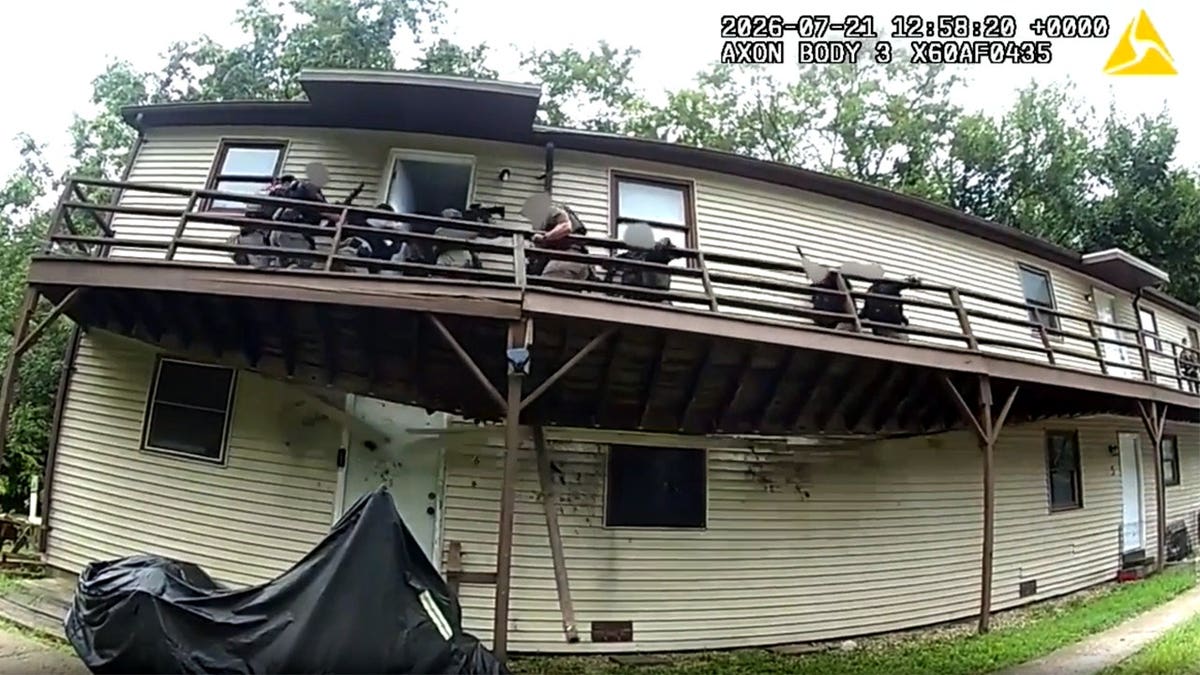
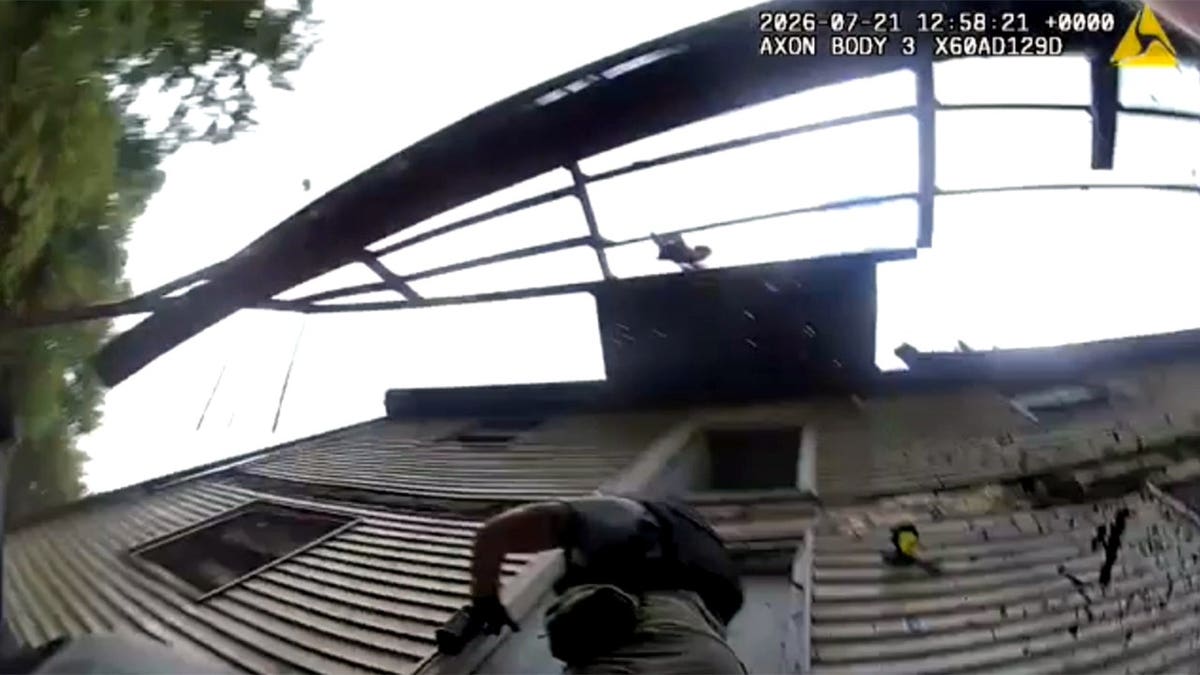
As the officers stood in a tactical stack on the deck, the structural integrity of the wooden platform failed completely. Without warning, the ledger board or support posts gave way, causing the entire deck to pull away from the house and collapse. Multiple officers fell several feet to the ground, landing amid splintered wood, tactical gear, and structural debris.
Despite the injuries and the sudden tactical disadvantage caused by the collapse, the remaining perimeter officers and responding backup units maintained their focus on the target. Later that same day, law enforcement successfully located and apprehended Munoz without further incident.
Supporting Data and Contextual Analysis
The operation that resulted in the arrest of Munoz was not an isolated local enforcement action, but rather a targeted component of a coordinated federal campaign.
Operation Adam’s Watch
The task force was serving the warrant as part of Operation Adam’s Watch, a specialized, high-intensity nationwide initiative conducted by the U.S. Marshals Service. This operation specifically targets non-compliant sex offenders and fugitives whose original convictions involved sex crimes, child exploitation, or abuse.
Operation Adam’s Watch was launched to coincide with the 20th anniversary of the Adam Walsh Child Protection and Safety Act. Signed into law in 2006, the Adam Walsh Act organized sex offenders into three distinct tiers based on the severity of their crimes and established a national standard for registration and tracking.
| Offender Tier | Registration Frequency | Duration of Registration |
|---|---|---|
| Tier 1 (e.g., Munoz) | Annually | 15 Years |
| Tier 2 | Semi-Annually | 25 Years |
| Tier 3 | Quarterly | Lifetime |
Under Missouri law, failing to register or comply with the terms of the registry is a class D felony for a first offense, carrying a potential prison sentence of up to four years, which escalates for subsequent violations.
Official Responses and Officer Status
Following the dramatic collapse and the dissemination of the tactical video, the U.S. Marshals Service released an official statement addressing the health and recovery of the injured personnel.
The agency distinguished between the two types of officers serving on the multi-jurisdictional team:
- Deputy U.S. Marshals (DUSMs): Full-time federal agents employed by the U.S. Marshals Service.
- Task Force Officers (TFOs): Local, county, or state law enforcement officers deputized by the federal government to work cooperatively on federal fugitive task forces.
The U.S. Marshals Service emphasized that while the physical toll on the team was significant, the injuries would not deter the agency from its enforcement mandates:
"We expect some long-term effects of this incident for a couple of our TFOs [task force officers] and DUSMs [deputy U.S. Marshals] but nothing that will keep them from continuing the mission of the USMS."
Local officials from the Randolph County Sheriff’s Office and the Missouri State Highway Patrol praised the resilience of the tactical team, noting that the officers’ ability to successfully apprehend a high-risk offender immediately after surviving a structural collapse demonstrated exemplary professionalism and dedication to public safety.
Implications for Law Enforcement and Tactical Operations
The Randolph County incident highlights several broader implications for modern law enforcement, ranging from tactical safety considerations to the systemic challenges of monitoring sex offenders.
1. Structural Hazards in Tactical Planning
When law enforcement agencies plan high-risk warrant executions, tactical risk assessments typically focus on human threats, such as:
- Armed resistance or barricaded suspects.
- The presence of aggressive guard dogs.
- Fortified entryways or booby traps.
This incident underscores the unpredictable nature of environmental and structural hazards. Aging infrastructure, substandard construction, or poorly maintained residential decks present a silent, physical hazard to tactical teams carrying heavy gear. The added weight of multiple officers wearing heavy body armor, ballistic plates, helmets, and carrying tactical equipment can easily exceed the load capacity of a compromised residential deck, turning a standard entry point into a structural trap.
2. The Interagency Utility of Federal Task Forces
The successful arrest of Munoz despite the accident highlights the critical role of joint federal-local task forces. By combining the localized knowledge of county sheriff’s offices with the vast jurisdictional reach and specialized training of the U.S. Marshals Service, these task forces can locate and arrest high-risk fugitives who might otherwise slip through the cracks of underfunded local departments.
3. The Ongoing Challenge of Registry Enforcement
Tracking non-compliant sex offenders remains one of the most resource-intensive tasks for local sheriff’s departments. When offenders fail to register, they often disappear into transient lifestyles or use false addresses, requiring extensive investigative work to track down. National sweeps like Operation Adam’s Watch are designed to pour concentrated federal resources into local communities to resolve these outstanding warrants, protecting local neighborhoods from unmonitored offenders who may pose a continued risk to children.