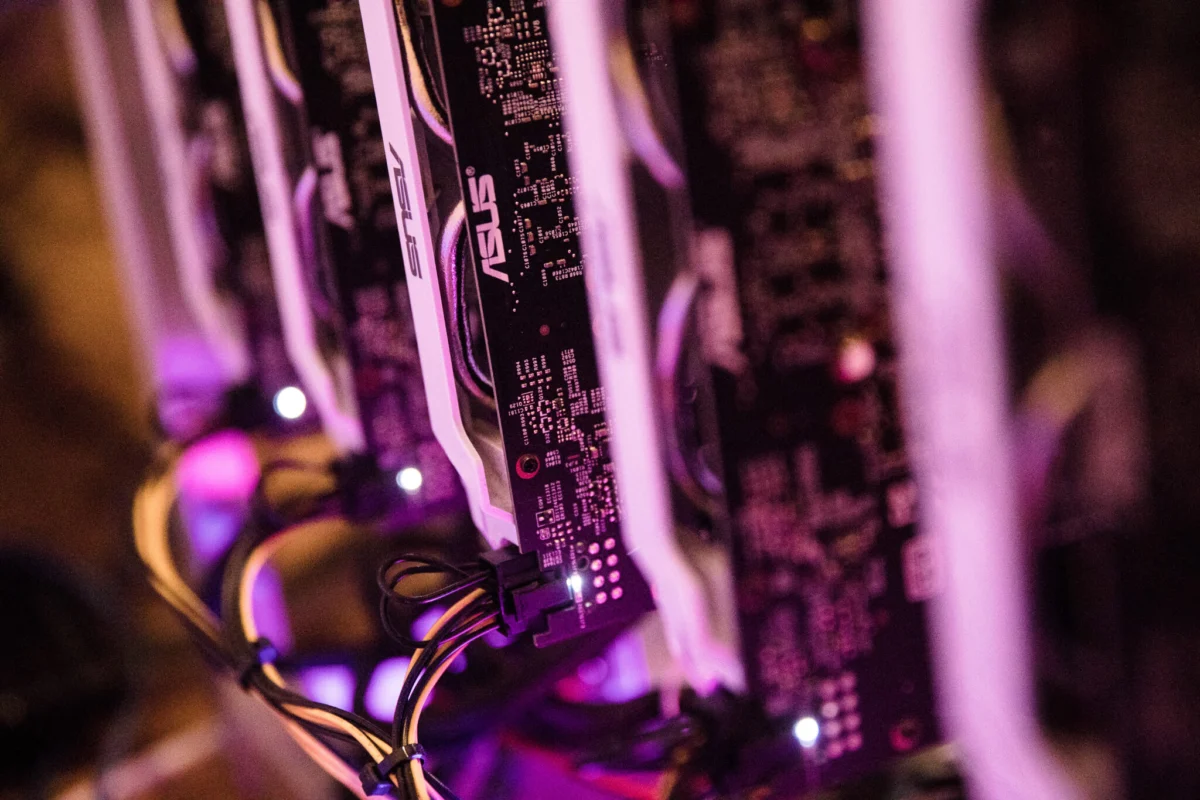
The global race to build artificial intelligence infrastructure has become the most capital-intensive endeavor of the modern era. With hundreds of billions of dollars funneling into the construction of sprawling data centers and the acquisition of high-end graphical processing units (GPUs), "compute" has ascended to become the single largest operating expense for AI-native firms. Yet, despite its role as the lifeblood of the AI economy, compute lacks the financial maturity of other essential commodities like oil, electricity, or natural gas. There is currently no standardized, transparent mechanism to price compute or to hedge against the volatile fluctuations of its market value.
Silicon Data, a startup looking to bridge this gap, recently announced it has secured $30 million in a Series A funding round. The company’s mission is ambitious: to transform compute into a tradable asset class by establishing a "reference price" for GPU rentals and creating a standardized index that can underpin Wall Street-style futures contracts.
The Problem: A Trillion-Dollar Industry Without a Price Tag
The AI infrastructure buildout is currently defined by opacity. Startups and major enterprises alike are spending vast sums on cloud compute, often locked into long-term, inflexible contracts. When GPU availability shifts due to supply chain bottlenecks or surges in demand for specific training workloads, businesses have no way to "lock in" rates or hedge their exposure.
This lack of market transparency is exacerbated by the "doom and gloom" headlines circulating in the financial press. Recently, reports have highlighted the depreciation of older-generation chips and the halting of new data center projects in regions like Texas and New York due to energy grid constraints and regulatory scrutiny. These reports have painted a picture of a sector nearing a peak or facing a potential cooling-off period. However, according to Steve Hou, head of research at Silicon Data, the raw data tells a more nuanced, and perhaps more optimistic, story.
Chronology: From Silicon Scarcity to Financial Standardization
The journey to formalizing the compute market has been a rapid one, driven by the explosive growth of Generative AI.
- 2023: The Great Scarcity: As ChatGPT and subsequent LLMs captured global attention, the demand for NVIDIA H100s and similar hardware outstripped supply, leading to a "wild west" market for GPU cloud rentals.
- Early 2024: Infrastructure Bottlenecks: As massive capital expenditures (CapEx) began hitting corporate balance sheets, the limitations of the power grid became apparent. States like New York and Texas began implementing moratoriums on new data center construction, forcing a rethink of site selection.
- Mid-2024: Market Maturation: The industry began to realize that hardware alone was not enough; the market required price discovery. Companies began looking for ways to treat compute as a fungible commodity.
- August 2026: The CME Partnership: In a landmark announcement, Silicon Data revealed plans to launch compute futures trading on the CME (Chicago Mercantile Exchange), pending regulatory approval, with a target launch date of October 5, 2026.
- Late 2026: Series A Funding: Silicon Data closed its $30 million Series A, signaling institutional confidence in the necessity of a financial derivative market for AI hardware.
Supporting Data: Dissecting the "AI Bubble" Narrative
In a recent appearance on TechCrunch’s Equity podcast, Steve Hou discussed the discrepancy between market anxiety and the actual health of the AI buildout. The "doom and gloom" narrative often focuses on the high costs of data center energy consumption and the rapid depreciation of silicon.
However, Hou suggests that these factors are not evidence of a failing industry, but rather signs of a maturing one. As the initial "land grab" for compute subsides, the industry is transitioning into a phase of optimization. The halting of data centers in certain states is not a reflection of declining demand, but rather a necessary recalibration of energy infrastructure and sustainability goals.
Data from the compute market indicates that while chip prices for specific older models may be softening, the demand for high-performance, next-generation compute remains inelastic. By creating an index, Silicon Data intends to provide the market with an empirical view of these trends, moving the conversation from anecdotal fear to data-driven analysis.
Official Responses and Strategic Implications
The partnership with the CME Group is arguably the most significant development for the sector. By creating a venue for futures contracts, Silicon Data is attempting to provide the "hedging" mechanism that venture-backed AI firms desperately need.
"For anyone building AI products today, the biggest risk is price volatility," noted a spokesperson close to the matter. "If you are a foundation model startup, you are betting your entire runway on the future cost of compute. By providing a futures market, we allow these companies to lock in their costs, effectively turning their most variable expense into a predictable line item."
The implications for the broader tech ecosystem are profound:
- Increased Liquidity: A futures market will encourage more players to enter the GPU rental space, as they will have a clearer view of long-term demand and price floors.
- Institutional Investment: Institutional investors who have been hesitant to bet on the "AI hype" may find comfort in a market where they can hedge their exposure to the underlying infrastructure.
- Capital Efficiency: For data center operators, a futures market provides a signal of future demand, helping them determine whether to expand or throttle capacity based on market sentiment rather than pure speculation.
The Road Ahead: October 5th and Beyond
The October 5th launch date for the compute futures on the CME marks a potential turning point. If successful, the index will likely become the industry standard for pricing, much like the Henry Hub serves as the benchmark for natural gas prices in the United States.
However, challenges remain. The regulatory environment for AI is still in its infancy. Critics argue that financializing compute could lead to unintended market manipulation, or that the volatility of AI development—where a new breakthrough can render an entire generation of chips obsolete overnight—might make a stable futures market difficult to maintain.
Despite these hurdles, the momentum behind Silicon Data is undeniable. The $30 million infusion of capital provides the runway necessary to build the infrastructure required for such a sophisticated financial product. As the podcast discussion highlighted, the "AI buildout" is not a singular event that will end; it is a structural shift in how the global economy processes information. If compute is the new oil, Silicon Data is attempting to build the "NYMEX of the 21st Century."
For stakeholders across the tech industry—from hyperscalers like AWS and Microsoft to boutique AI research labs—the upcoming launch represents a shift from a world of uncertainty to one of managed risk. Whether or not the market is ready for such a leap remains to be seen, but the push toward transparency is clearly the next logical step in the evolution of the AI economy.
For more in-depth analysis on the financialization of AI infrastructure, listen to the full episode of the Equity podcast on Spotify, Apple Podcasts, or YouTube. Follow the team on X and Threads at @EquityPod for real-time updates leading up to the October 5th launch.