The American political landscape experienced a series of seismic shifts on Tuesday, August 18, 2026, driven by high-stakes primary elections, dramatic international trade negotiations, and mounting legal battles over media regulations and immigration policies.
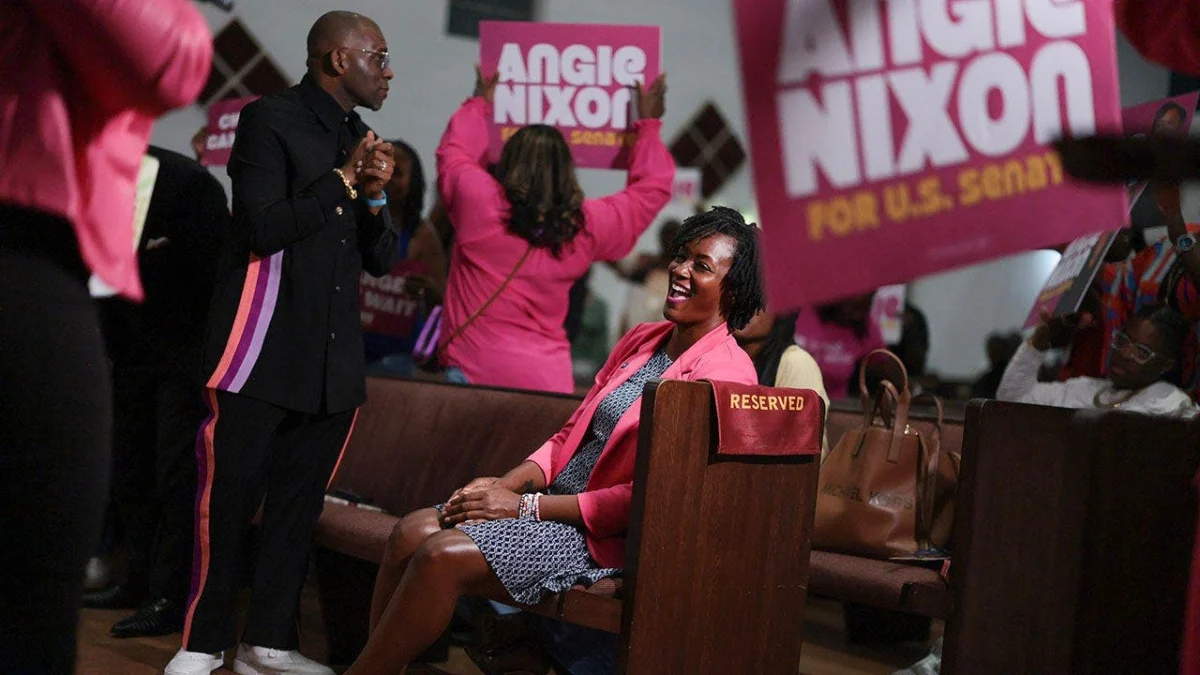
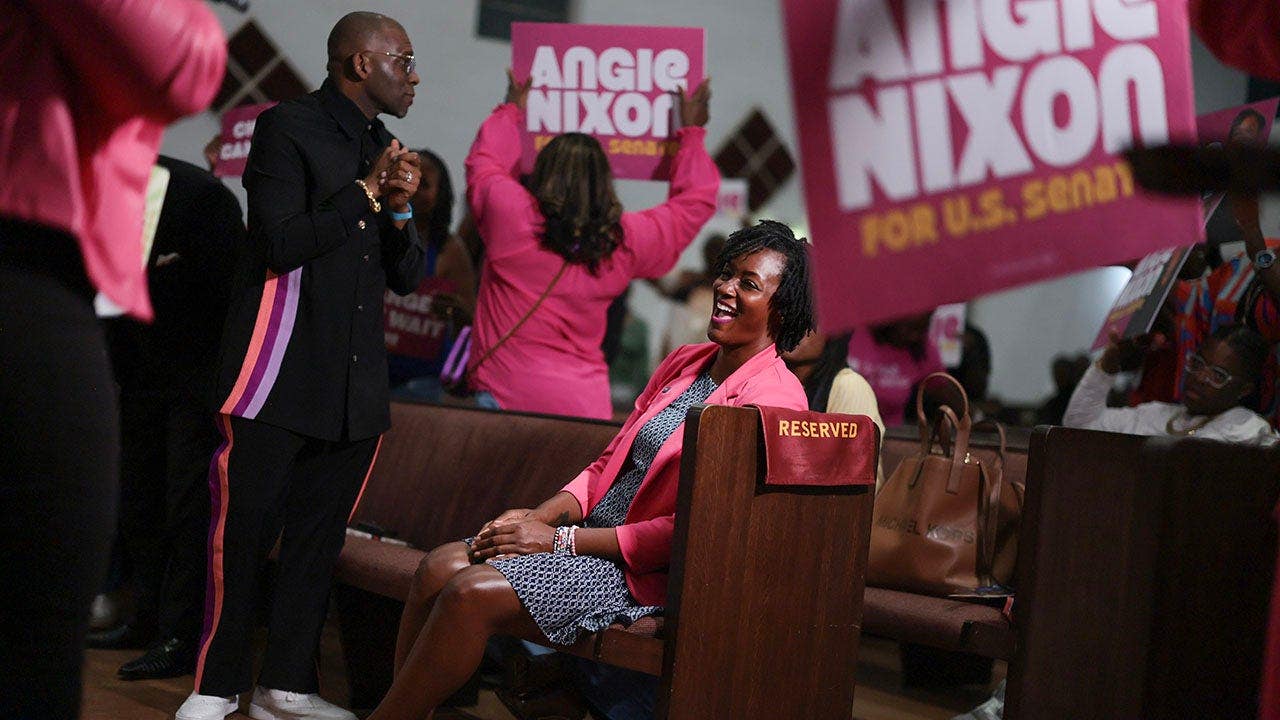
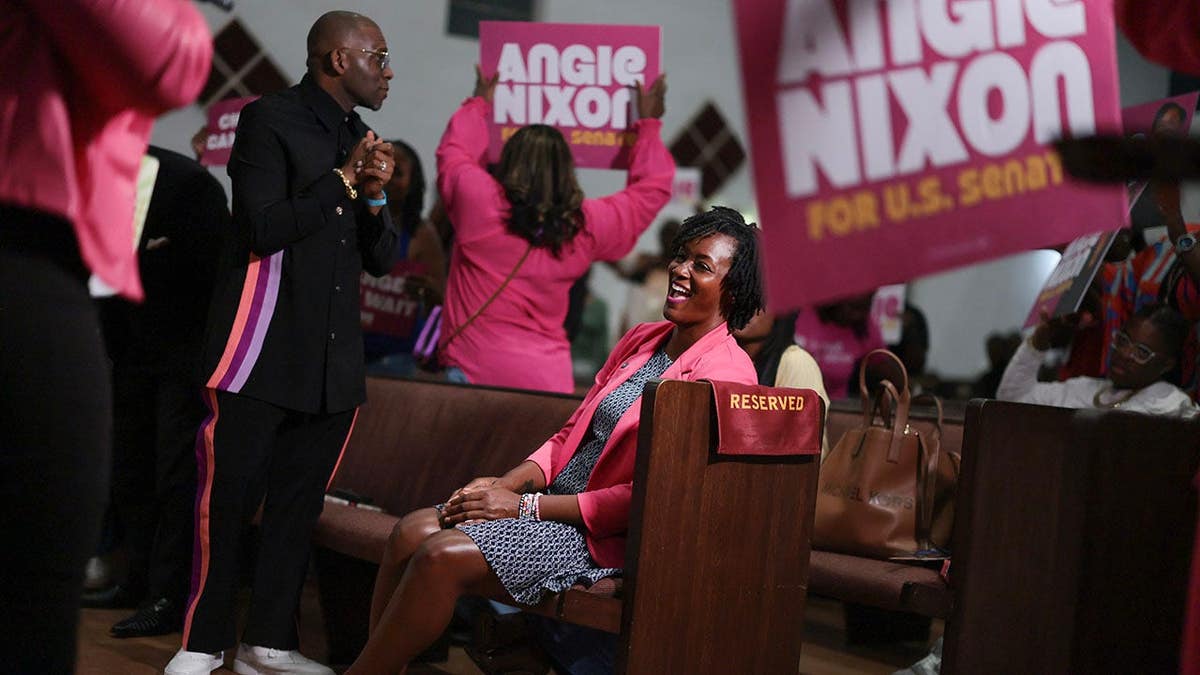
In Florida, the Democratic primary for the U.S. Senate spotlighted a fierce ideological battle between state Representative Angie Nixon and retired Army Lieutenant Colonel Alex Vindman. Nixon, a progressive activist known for her outspoken tactics—including protesting on the state House floor with a bullhorn—sought to build a grassroots coalition, culminating in a high-profile worship service appearance at the Ebenezer Missionary Baptist Church in Hallandale Beach on the eve of the election. The winner of this contest will face incumbent Republican Senator Ashley Moody in the November general election. Meanwhile, a self-described far-left socialist secured a stunning upset victory in another key Florida race, highlighting a growing progressive surge in pockets of the Sunshine State.
Concurrently, on the other side of the continent, Alaska hosted its highly anticipated "jungle primary." The state’s unique ranked-choice voting system saw more than a dozen candidates compete in a crowded gubernatorial primary. In the congressional arena, Democratic Representative Mary Peltola received substantial backing from Vice President Kamala Harris in a race that Republicans had previously viewed as a secure pickup opportunity.
On the federal and international stage, President Donald Trump announced a last-minute trade agreement with Canada, pausing a threatened 50% tariff mandate just hours before it was scheduled to take effect. This economic breakthrough occurred amidst broader administrative friction, as the White House faced a new federal lawsuit over its implementation of strict visa time limits for foreign students and journalists. Additionally, the media landscape was rocked by a major First Amendment lawsuit filed by ABC against the Federal Communications Commission (FCC) concerning candidate bookings on the daytime talk show The View.
Chronology
The Lead-up to Primary Day (Mid-August 2026)
August 16, 2026: Tensions peak between Ottawa and Washington as the deadline for the implementation of a 50% tariff on Canadian imports approaches. Canadian officials scramble to negotiate concessions regarding border security and trade imbalances.
August 17, 2026: Democratic Senate hopeful Angie Nixon conducts a final campaign push in South Florida, attending a worship service at Ebenezer Missionary Baptist Church.
August 17, 2026 (Late Evening): President Trump announces via social media and official White House channels that a breakthrough trade deal has been reached with Canadian Prime Minister Justin Trudeau, officially pausing the impending 50% tariffs.
Primary Day and Breaking Developments (August 18, 2026)
7:00 AM: Polling stations open across Florida and Alaska. High voter turnout is reported in progressive urban strongholds in Florida and throughout Alaska’s major municipalities.
12:00 PM: A prominent, yet mysterious, polling firm abruptly shuts down its operations. In a public statement, the firm’s leadership admits that its recent bombshell election surveys—which had heavily influenced campaign strategies and media coverage over the preceding weeks—were entirely fabricated as part of a "social experiment."
7:00 PM – 8:00 PM: Polls close in Florida. Initial returns indicate a massive upset by a far-left socialist candidate in a key state primary, signaling strong progressive momentum.
8:00 PM (Eastern): Legal representatives for ABC and its parent company, Disney, file a formal lawsuit against the FCC, asserting that federal pressure regarding candidate appearances on The View violates the network’s First Amendment rights.
11:00 PM (Western): Polls close in Alaska’s vast, multi-time-zone territory. Election officials begin the complex process of tabulating ranked-choice ballots for both the gubernatorial and congressional races.
Supporting Data and Context
The Florida Primary Dynamics
Florida’s political identity has increasingly leaned conservative in statewide contests over the last decade, making the Democratic primary crucial for establishing a viable statewide message. The Senate primary featured two contrasting wings of the Democratic Party:
Candidate
Political Background
Campaign Strategy
Key Support Base
Rep. Angie Nixon
State Legislator, Community Organizer
Grassroots mobilization, progressive advocacy, focus on civil rights and economic inequality
Retired Military Officer, National Security Expert
Institutional appeal, focus on democratic norms, national security, moderate outreach
Moderate Democrats, national security establishment, suburban voters
The winner of this primary faces a steep uphill battle against incumbent Republican Senator Ashley Moody, who enjoys high name recognition, a substantial campaign war chest, and the structural advantages of a red-leaning state electorate.
As progressive candidates across the country push for aggressive federal labor mandates, a new economic study has sparked intense debate. The study analyzed the potential impact of a proposed federal $25 minimum wage mandate.
Key findings from the report include:
Job Losses: An estimated 5 million jobs could be eliminated nationwide if the mandate is enacted.
Regional Impact: The booming Sun Belt region—including states like Florida, Texas, and Arizona—would experience the most severe economic contraction, as these states currently feature lower living costs and lower average wage bases than the Northeast or West Coast.
Small Business Strain: Independent hospitality and retail sectors are projected to experience a 15% reduction in force to offset increased labor costs.
Geopolitical Shifts in East Asia
While domestic elections dominated headlines, the strategic posture of the United States abroad faced scrutiny. Reports emerged detailing growing friction within the U.S.-South Korea alliance. Despite previous administrative declarations of a "historic new era" of cooperation, ongoing negotiations regarding defense burden-sharing have led to a proposed military pullback of certain U.S. assets from the Korean Peninsula. Analysts warn that this strategic recalibration comes at a delicate time, as the U.S. simultaneously attempts to manage the high strategic cost of deterring Chinese maritime expansion while addressing regional conflicts in the Middle East.
Official Responses and Legal Standpoints
Trump Administration on the Canada Trade Deal
Following the announcement of the tariff pause, the White House released an official statement praising the swift negotiations:
"Under the threat of strong economic measures, our partners to the north have agreed to historic concessions that will protect American jobs, secure our northern border, and ensure fair trade practices. This administration will always put American workers first, and we are pleased that Canada has taken the necessary steps to avoid a mutually disruptive tariff scenario."
ABC’s First Amendment Challenge Against the FCC
In its lawsuit against the FCC, ABC and Disney legal representatives argued that federal regulators are overstepping their authority by attempting to dictate how talk shows manage candidate appearances:
"The FCC’s recent actions represent an unprecedented intrusion into editorial independence. The View is a unique broadcast program featuring opinion and commentary; applying rigid equal-time mandates to such formats violates core First Amendment protections and restricts the press’s ability to engage in free political discourse."
Congressional Reactions to the Polling Hoax
Lawmakers from both parties expressed outrage over the revelation that a major polling firm had fabricated election data. Senatorial leaders called for immediate bipartisan hearings into the matter:
"The deliberate manipulation of public opinion through fraudulent polling data is a direct threat to the integrity of our democratic processes. We must investigate how this firm was able to operate undetected and establish safeguards to ensure that public data remains transparent and verifiable."
Implications
The outcomes of Tuesday’s events are poised to reverberate through the November 2026 general election and beyond.
Strategic Realignment in the U.S. Senate
The primary results in Florida and Alaska will dictate the strategic allocation of national party funds. If Representative Angie Nixon secures the Democratic nomination, the race against Senator Ashley Moody will become a clear referendum on progressive versus conservative governance. Conversely, a victory for Alex Vindman would signal a preference for moderate, security-focused candidates in swing and red-leaning states. In Alaska, Mary Peltola’s performance in the jungle primary demonstrates that ranked-choice voting continues to offer a viable path for centrist Democrats to remain competitive in historically conservative territories.
International Trade and Economic Stability
The last-minute resolution of the Canadian tariff dispute averted what economists warned could have been a major supply chain disruption. However, the transactional nature of the negotiation suggests that trade relations with key allies remain highly volatile. Businesses operating across the U.S.-Canada border are likely to maintain cautious investment strategies, anticipating that tariff threats could be redeployed as a primary tool of American foreign policy.
Judicial Oversight of Media and Immigration
The dual lawsuits concerning the FCC’s regulatory reach and the administration’s visa restrictions for foreign students and journalists will test the limits of executive power. A ruling in favor of ABC could permanently shield syndicated talk shows and opinion programs from federal oversight, altering how political campaigns utilize non-traditional media. Meanwhile, the legal challenge to visa time restrictions carries significant implications for American universities and international news agencies, both of which rely on stable, long-term immigration frameworks to maintain global operations.