In an era where automotive marketing often relies on sweeping vistas of mountain roads or polished, aspirational lifestyle montages, Chrysler has taken a sharp, provocative turn. The brand’s latest marketing push for the 2027 Chrysler Pacifica, dubbed the "Acronyms" campaign, represents a bold departure from traditional minivan advertising. By hijacking the vocabulary of modern digital culture—specifically the shorthand often found in private group chats and social media—Chrysler is attempting to bridge the gap between the mundane realities of parenting and the irreverent tone of contemporary communication.
The Core Concept: Redefining Digital Shorthand
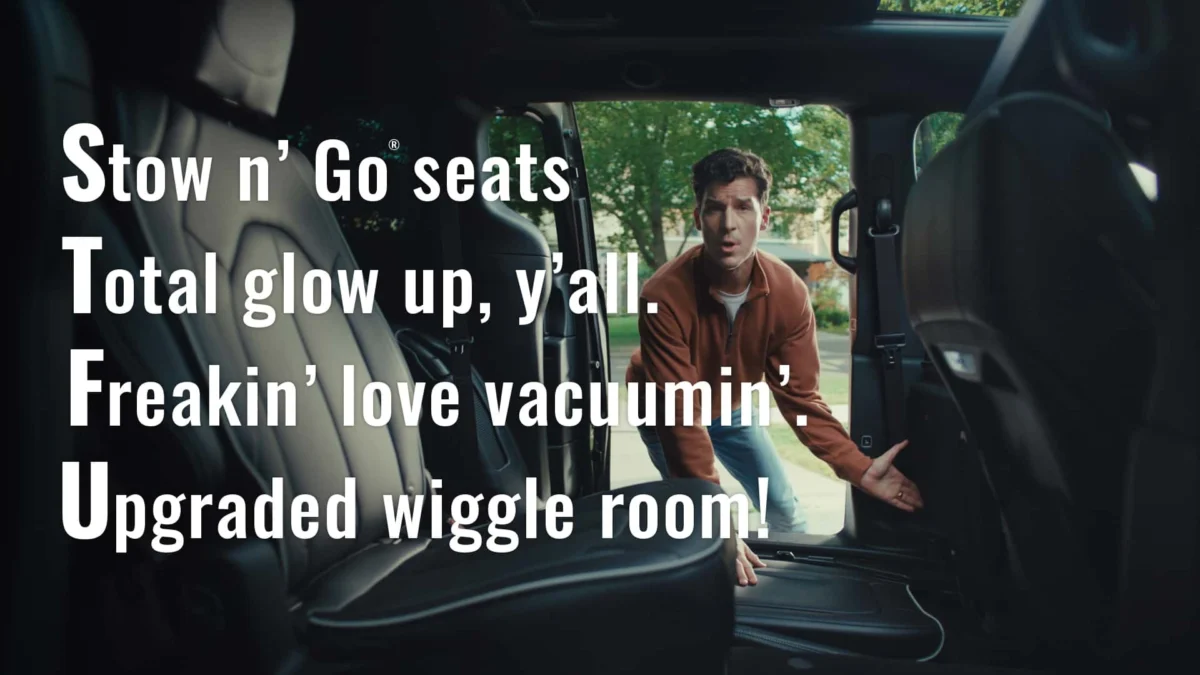
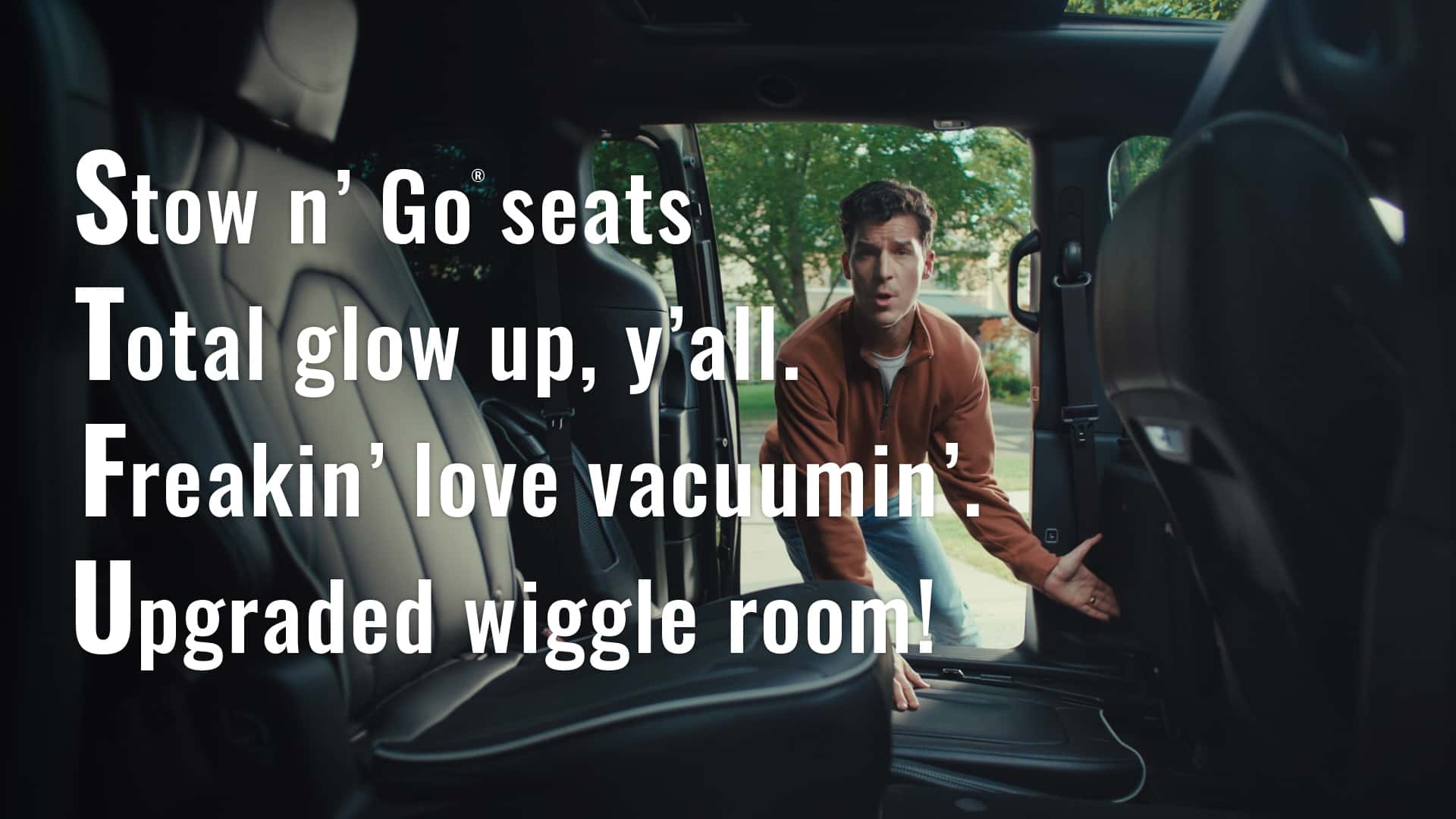
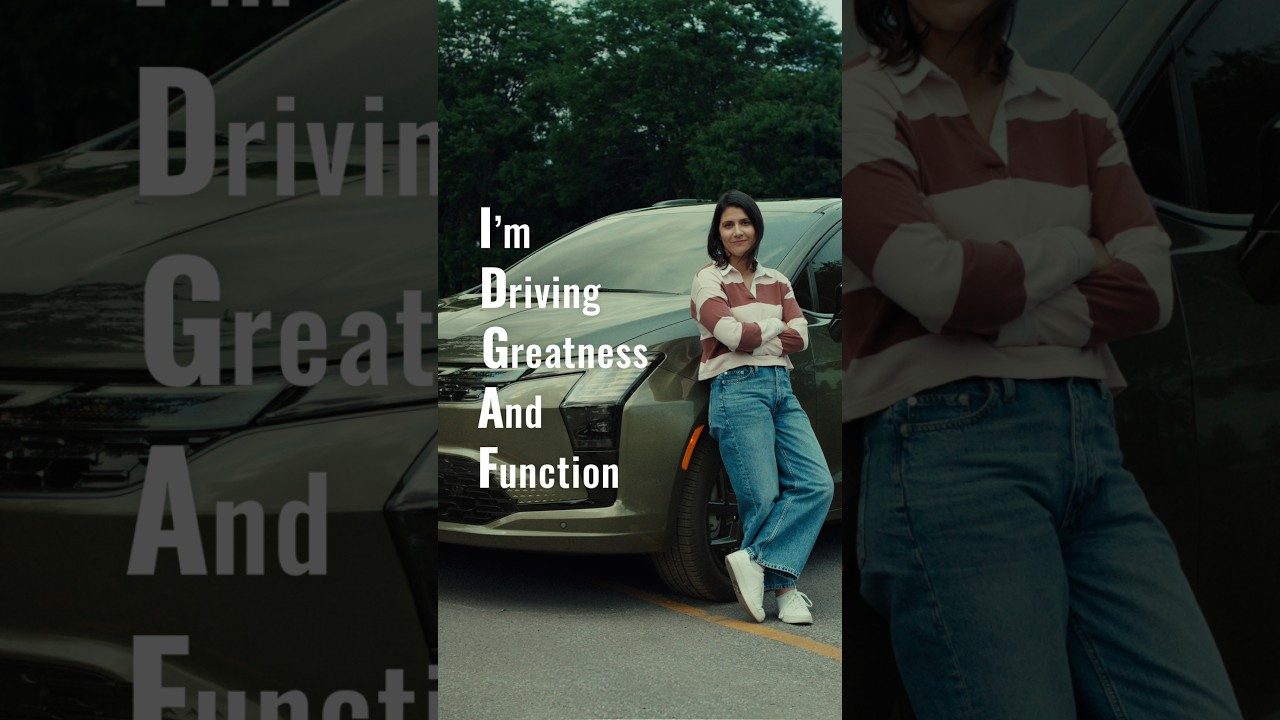
The premise of the campaign is simple yet polarizing. Chrysler has taken familiar, often NSFW (Not Safe For Work) acronyms like STFU, IDGAF, and FML and re-appropriated them as tongue-in-cheek descriptors for the Pacifica’s various family-oriented features.
The strategy is clearly designed to cut through the "white noise" of the minivan segment. While competitors lean into "family values" and sanitized suburban bliss, Chrysler is winking at the audience, acknowledging that raising a family is often chaotic, loud, and messy. By using these acronyms, the brand is positioning the Pacifica not just as a vehicle, but as a survival tool for the modern, tech-savvy parent.
The Linguistic Flip
- STFU: Originally a dismissive imperative, in the Pacifica’s context, it refers to the "Stow ‘n Go" seating system. The brand frames this as the ultimate solution for clearing interior space quickly—no heavy lifting, no wrestling with seats, just a smooth transition from passenger van to cargo hauler.
- IDGAF: Typically a statement of apathy, here it serves as a nod to the hands-free sliding doors. The campaign suggests that when you are juggling groceries, backpacks, and an active toddler, you don’t have time to fumble with handles; the van does the work for you.
- FML: Usually a sigh of despair, Chrysler spins this into a testament to the van’s damage-control capabilities. Whether it’s the integrated Stow ‘n Vac cleaning system, the FamCam interior monitoring system, or the Amazon Fire TV streaming capabilities, the campaign argues that the Pacifica is there to handle the "FML" moments—the spilled snacks, the squabbles, and the long road-trip boredom.
Chronology: A Strategy Rooted in Modern Parenting
The timeline of this campaign reflects Chrysler’s broader effort to revitalize the Pacifica’s image. Throughout 2024 and early 2025, Chrysler observed a shift in their core demographic. The buyers of the 2027 Pacifica are, increasingly, millennials who grew up in the age of AIM, MySpace, and now, high-speed group chats.
By mid-2025, the brand began testing creative concepts that moved away from the "soccer mom" tropes that have defined the minivan segment for decades. The "Acronyms" campaign, which launched across digital and social channels, was the culmination of this research. It wasn’t just a marketing gimmick; it was a calculated attempt to align the brand’s voice with the authentic, often unfiltered tone that parents use when communicating with their peers behind closed doors.
Supporting Data: The Minivan Market Landscape
To understand why Chrysler is taking such a risk, one must look at the competitive landscape. The 2027 Pacifica occupies a unique, if pressurized, space. As of 2025, the Pacifica maintained its position as America’s best-selling minivan, recording 110,006 units sold.
However, the competition is fiercer than it has been in years. The Toyota Sienna, with its emphasis on hybrid efficiency, and the Honda Odyssey, with its reputation for bulletproof reliability, continue to chip away at the Pacifica’s market share. Furthermore, the Kia Carnival—marketed as a "Life Utility Vehicle"—has successfully courted buyers who are aesthetically opposed to the "minivan" label.
Chrysler’s data indicates that while the Pacifica leads in convenience features, the brand was perceived as "stagnant" or "traditional." The "Acronyms" campaign is a direct response to this perception, utilizing a high-energy, digital-first approach to ensure that the Pacifica remains part of the cultural conversation, rather than a forgotten utility box in the school pickup line.
Official Stance and Brand Strategy
Chrysler representatives have remained tight-lipped regarding the internal debate surrounding the campaign’s risk, but the message from the marketing department is clear: resonance requires risk. The goal is to reach parents who are tired of being patronized by commercials that depict families as perpetually smiling in a sun-drenched, spotless environment.
By acknowledging the "chaos," Chrysler is attempting to build trust. If the van can help you handle the stress of a child throwing a tantrum or the mess of a spilled juice box, the marketing suggests that the brand understands the reality of your life. This "co-pilot of family life" narrative is supported by the vehicle’s engineering, including its seven-to-eight-passenger seating, standard-setting interior tech, and available all-wheel-drive systems designed for unpredictable road conditions.
Implications: The High-Stakes Bet
The implications of this campaign extend far beyond a few clever social media spots. Chrysler is essentially betting that the minivan segment can be saved through personality.
The "Tone" Gamble
The most significant risk is the tone. While the campaign is undoubtedly effective at grabbing attention, it carries a potential for alienation. A demographic that values traditional family marketing may find the use of NSFW-adjacent acronyms distasteful. The "Motor1" perspective highlights this tension: the campaign is a litmus test for the modern consumer’s tolerance for brand irony.
Future Market Outlook
If the "Acronyms" campaign successfully drives showroom traffic and boosts interest in the 2027 facelift, it will likely set a new precedent for automotive advertising. We could see other brands shedding their "corporate" veneers in favor of more authentic, niche-targeted messaging. However, if the campaign fails to convert, Chrysler will be forced to pivot back to its foundational strengths: the Pacifica’s class-leading interior versatility and its pedigree as a utilitarian powerhouse.
Technological Integration as a Solution
It is important to note that the marketing is backed by tangible product improvements. The 2027 Pacifica facelift isn’t just about exterior styling; it is a major update in terms of interior tech. The integration of Amazon Fire TV, the refined FamCam, and the improved blind-spot camera systems—which now activate via the turn signal—are designed to solve the exact problems the campaign mocks.
By linking the "FML" moments to actual, helpful technology, Chrysler is essentially saying, "We see the mess, and we’ve built the solution." This is a sophisticated way to sell a vehicle: first, build empathy by acknowledging the struggle, then provide the engineering solution as the savior.
Conclusion: A Pivot Point for the Minivan Segment
Whether the "Acronyms" campaign is viewed as a brilliant piece of modern marketing or a desperate grab for relevance, one thing is certain: it has forced the industry to pay attention to the Chrysler Pacifica again. In a segment often dismissed as boring or purely functional, Chrysler has injected a dose of personality—albeit a controversial one.
As the 2027 Pacifica fights to maintain its sales crown against the rising tide of the Kia Carnival and the established dominance of the Toyota Sienna, the success of this campaign will serve as a bellwether for the future of the minivan. If Chrysler can turn "STFU" and "IDGAF" into legitimate brand assets, they may just prove that the minivan isn’t dead—it’s just finally speaking the same language as its drivers.
For the consumer, the choice remains clear: the Pacifica continues to offer some of the most robust, family-friendly features on the market. Whether or not you enjoy the wink in their latest advertisements, the vehicle itself remains a highly capable machine, designed for the realities of modern family life—no matter how chaotic those realities might be.