As the summer of 2026 reaches its zenith, the American housing market remains trapped in a state of suspended animation. The "thaw" that many analysts projected for the post-2025 landscape has yet to materialize. Instead, the market is defined by a persistent, grinding sluggishness characterized by tepid sales volume, tightly constrained inventory, and monthly costs that remain near all-time highs.
For the average American, the dream of homeownership feels increasingly like a moving target. With mortgage rates exhibiting significant volatility and the broader economic horizon clouded by geopolitical instability and shifting federal policies, both buyers and sellers are paralyzed by uncertainty.
Main Facts: A Market in Search of Direction
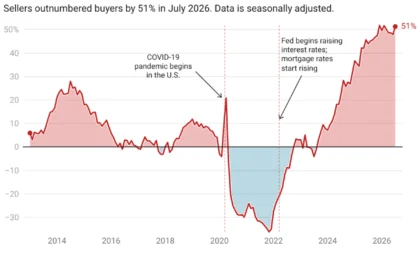
The current state of the U.S. real estate sector is a study in contradictions. While high interest rates have cooled demand, they have simultaneously choked supply, creating a "lock-in" effect that prevents homeowners from listing their properties.
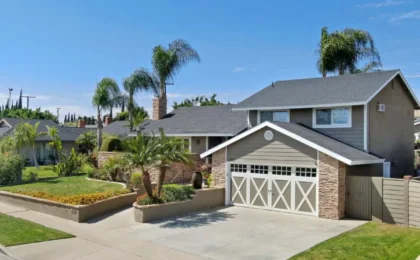
- The Price Ceiling: The median U.S. sale price has climbed to $407,730—a 3.2% increase year-over-year. When viewed through a five-year lens, prices are nearly 20% higher than in 2021, creating a formidable barrier for first-time buyers.
- The Cost of Borrowing: As of mid-August 2026, the 30-year fixed mortgage rate hovers around 6.73%. This represents one of the most restrictive financing environments in over a decade.
- The Inventory Paradox: There are approximately 1.5 million homes for sale nationwide. While this is the highest level of inventory seen since the onset of the pandemic, it remains historically low, failing to provide the relief needed to balance the scales between buyer and seller.
A Chronology of the 2026 Slowdown
To understand why the market is currently stalled, one must look at the chain of events that defined the last 18 months.
Early 2025: The Initial Freeze
The year 2025 began with the hope that interest rates would stabilize. However, stubborn inflation and the initial stages of global supply chain disruptions kept the Federal Reserve in a "higher for longer" stance. Buyers retreated, and sales volume began a steady decline.
Late 2025: The Geopolitical Shock
As the year drew to a close, intensified conflicts in the Middle East—specifically surrounding the Strait of Hormuz—sent shockwaves through global energy markets. Oil prices surged, dragging inflation expectations up with them. Mortgage lenders, reacting to the volatility in the bond market, pushed interest rates to the 6%–6.5% range, effectively ending the hopes of a late-year recovery.
Q1 and Q2 2026: The Economic Whiplash
The first half of 2026 was defined by uncertainty. A transition in the leadership of the Federal Reserve created a period of policy speculation. Simultaneously, fears surrounding the rapid integration of Artificial Intelligence into the workforce led to widespread corporate caution, impacting the job market. Tariff uncertainties further complicated the picture, as businesses scaled back expansion plans.
Summer 2026: The Current Impasse
We are now in the midst of a summer where traditional seasonal activity is absent. Sellers, feeling the pressure of high costs, are reluctant to move unless necessary, while buyers are sitting on the sidelines, waiting for a signal that the cost of capital will finally retreat.
Supporting Data: Why Costs Remain Elevated
The persistence of high home prices despite lower demand is driven by a fundamental supply-demand mismatch. In many regions, particularly the Midwest and parts of the East Coast, the lack of new construction means that even low demand is sufficient to keep prices inflated.
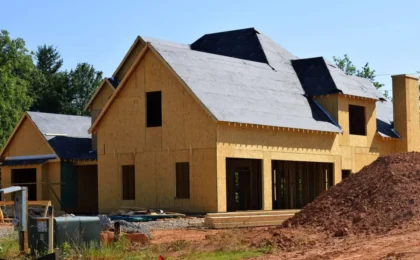
Conversely, the "Sun Belt"—once the engine of the housing market—is showing signs of strain. Cities like Austin, Texas, have seen a surge in inventory due to a construction boom that has outpaced population growth. This has transformed the region into one of the slowest-moving markets in the country, providing a rare window of opportunity for buyers to negotiate concessions.

However, the aggregate data masks local realities. For every market where inventory is rising, there is another where it is dwindling. In places like Rochester and Buffalo, New York, the relative affordability of the housing stock continues to draw interest, keeping these regions highly competitive even as the rest of the country cools.
Official Perspectives: The Expert Consensus
Daryl Fairweather, Chief Economist at Redfin, suggests that the market’s behavior is less about macroeconomics and more about individual financial resilience. "Now is a good time to buy a home, if you can afford it," says Fairweather. "Prices keep climbing, which is pushing some buyers out of the market and giving those who remain an upper hand in negotiations."
Fairweather notes that the current environment is heavily influenced by external shocks, particularly the energy-related inflation stemming from Middle Eastern instability. Chen Zhao, Head of Economics Research at Redfin, echoes this sentiment: "Mortgage rates have been elevated and volatile over the last four months almost entirely because of the war in Iran and its effects on global energy prices. Markets are hoping for a peace deal, but optimism is thin."
The official consensus is clear: Do not expect a quick "pivot." Economists do not anticipate a meaningful correction in mortgage rates until the underlying inflationary pressures—driven by energy costs and supply chain bottlenecks—are resolved.
Implications for the Prospective Homebuyer
For those contemplating a home purchase, the current climate requires a shift in strategy. The days of "timing the market" are largely behind us; the market is currently governed by individual circumstances rather than broad-based trends.
The Financial Health Check
Before entering the market, buyers must perform a rigorous audit of their finances. Given the volatility of mortgage rates, a pre-approval is no longer just a formality—it is a requirement. Beyond the purchase price, buyers must account for:
- Property Taxes and Insurance: In regions prone to climate risks, insurance premiums have become a significant, often overlooked, component of the monthly mortgage payment.
- Maintenance Reserves: With the costs of labor and materials remaining high, owning a home requires a robust emergency fund to handle unexpected repairs.
- Employment Stability: In a job market characterized by "economic whiplash," purchasing a home should only be done if the buyer has a high degree of confidence in their career trajectory over the next three to five years.
The Strategy of "Buying In"
While the temptation to wait for a crash or a sharp rate cut is strong, history suggests that such events are rarely as beneficial as predicted. If rates were to drop tomorrow, the sudden influx of pent-up demand would likely lead to a bidding war, potentially offsetting the savings gained from lower interest costs.
For those with the financial wherewithal, the current market offers a distinct advantage: leverage. Because demand is low, sellers are often willing to provide concessions that were unthinkable during the 2021-2022 housing frenzy. This includes closing cost credits, repair concessions, and more flexible timelines.
Conclusion: Is Now the Time?
There is no "correct" answer for every household. If you are financially stable, planning to stay in your home for the long term, and have identified a property that fits your lifestyle, the current market offers a window of relative calm. You are no longer competing against dozens of other bidders, and you have the time to conduct thorough due diligence.
However, if your financial foundation is shaky, or if you anticipate a need to relocate in the near future, the risks of the current, volatile climate may outweigh the benefits. The market is not waiting for a single catalyst to turn; it is waiting for a thousand individual decisions to settle. Until that happens, the best strategy is not to watch the headlines, but to master your own budget and move with precision when the right opportunity arises.