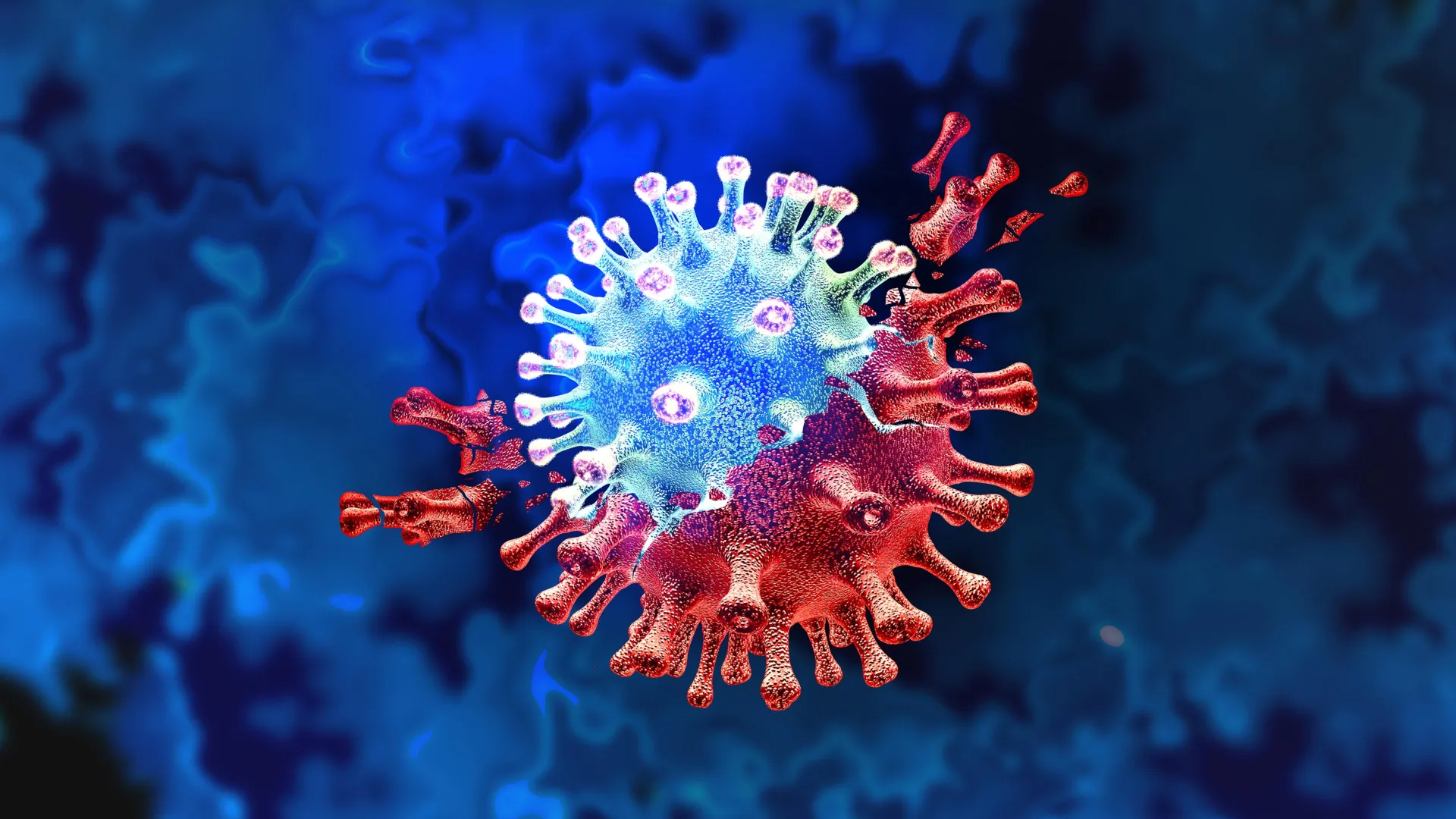
For decades, the medical community viewed the human body as a landscape inhabited by silent, long-term tenants. Viruses like Epstein-Barr (EBV), cytomegalovirus (CMV), and various strains of the herpes family are ubiquitous, often residing in our tissues for years without ever signaling their presence. While these "dormant" pathogens were long dismissed as harmless passengers, a groundbreaking study published in the journal Nature has fundamentally altered this narrative.
A massive, multi-institutional research effort—spearheaded by Boston Children’s Hospital and involving 15 biomedical research institutions across the United States—has revealed that COVID-19 acts as a biological "master key," unlocking these latent infections. The study provides a sobering look at how the stress of severe illness can reawaken dormant viruses, potentially driving the debilitating symptoms associated with Long COVID and other chronic autoimmune conditions.
The Silent Reservoirs: Understanding Viral Latency
To understand the significance of these findings, one must first appreciate the scale of viral persistence. The human virome—the collection of viruses living in or on the human body—is vastly more complex than once thought. Many individuals carry Epstein-Barr virus (the cause of mononucleosis) or CMV for their entire lives. Under normal circumstances, the immune system keeps these pathogens in a state of "latency," a dormant phase where the virus remains hidden within host cells, replicating at negligible levels or remaining entirely inactive.
However, the immune system is a dynamic, energy-intensive network. When the body faces a catastrophic stressor—such as a severe SARS-CoV-2 infection—the delicate balance between host and virus is disrupted. The new study suggests that this disruption does more than just cause respiratory distress; it triggers a "secondary wave" of viral activity, where these latent tenants exploit the host’s weakened or hyper-reactive state to reemerge.
Chronology: A Landmark Study in Genomic Surveillance
The scale of this research is unprecedented. Following 1,154 patients across 20 major U.S. hospitals, the study was designed to create a definitive map of biomarkers associated with COVID-19 severity.
Phase I: Data Aggregation and Genomic Sequencing
The researchers, working under the National Institutes of Health (NIH)-funded umbrella, initiated a systematic collection of patient data that would span a full year. The operation, led by the Precision Vaccines Program (PVP) at Boston Children’s, involved the collection of over 200,000 individual samples. By utilizing advanced genomic sequencing, the team could identify viral signatures that would otherwise remain invisible to standard diagnostic tests.
"This is the largest and most comprehensive biomarker study of COVID-19," explains Dr. Joann Diray Arce, lead of the study’s Clinical and Data Coordinating Center. "We generated more than 1 billion data points. This creates a massive public resource that allows us to look past the immediate symptoms of COVID-19 and see what is happening on a molecular level."
Phase II: The 40-Day Window
The researchers focused their surveillance on the first 40 days post-hospitalization. Within this period, the team successfully identified 11 different viruses that had reactivated. Among the most frequent culprits were the usual suspects: Epstein-Barr, herpes simplex 1, and cytomegalovirus. However, the discovery of Anelloviridae activity proved to be a critical turning point in the study.
Supporting Data: The Anelloviridae Connection
Perhaps the most striking finding in the study involves the Anelloviridae family. While these viruses are poorly understood and reside latently in approximately 90 percent of the global population, their reactivation showed a profound, statistically significant association with long-term physical disability.
Patients who exhibited signs of Anelloviridae reactivation during their initial COVID-19 hospitalization were significantly more likely to report symptoms consistent with Long COVID. This suggests that the virus may not merely be a bystander but a potential driver of the chronic inflammation and fatigue that plague millions of patients long after the acute phase of SARS-CoV-2 has passed.
The data suggests that the presence of these reactivated viruses could serve as a clinical biomarker—a "red flag" that doctors could use to identify patients at higher risk for long-term health complications before they are even discharged from the hospital.
Official Responses: Rethinking Immune Suppression
For years, the conventional wisdom in immunology was that viral reactivation was a byproduct of a suppressed immune system. The logic was simple: if the "police" (the immune system) are busy fighting a primary invader like COVID-19, the "criminals" (latent viruses) use the opportunity to stage a jailbreak.
However, the findings from the Boston Children’s team challenge this paradigm. The researchers observed that in many patients, reactivation occurred not because the immune system was failing, but because it was in a state of runaway inflammation.
A New Mechanism: Inflammation as the Catalyst
"We found that Epstein-Barr and cytomegalovirus were becoming active in response to systemic inflammation," says Dr. Ofer Levy, director of the Precision Vaccines Program at Boston Children’s and a site principal investigator for the study.
This is a paradigm shift. If inflammation, rather than just immunosuppression, is the primary trigger for reactivation, the clinical approach to treating post-COVID patients must change. Instead of focusing solely on antiviral drugs, physicians may need to focus on modulating the inflammatory response to keep these dormant viruses in their latent state.
Implications: The Future of Post-Pandemic Medicine
The implications of these findings extend far beyond the current COVID-19 crisis. As Dr. Levy notes, the respiratory season continues to claim tens of thousands of lives, and the burden of Long COVID remains a global health emergency.
Preparing for the Next Pandemic
"Although many no longer think of COVID being a problem, the reality is that over 10 million U.S. adults suffer from long COVID," Levy explains. "We need to help these patients recover with the best outcomes. Moreover, sooner or later, there may be another coronavirus pandemic, which means we need to learn all the lessons we can from COVID-19 to be better prepared."
Diagnostic and Therapeutic Pathways
The team’s next phase of research will focus on the immune system’s specific responses to these reactivated viruses. By understanding the "crosstalk" between the primary COVID infection, the secondary viral reactivation, and the host’s immune response, researchers hope to develop:
- Predictive Diagnostics: Blood tests that can predict which patients are at risk for viral reactivation based on their inflammatory profile upon admission.
- Targeted Antivirals: Developing drug protocols that can specifically suppress these reactivated viruses without interfering with the immune system’s ability to clear the primary SARS-CoV-2 infection.
- Timed Interventions: Determining the precise window in which medical intervention can prevent the transition from acute COVID to chronic, long-term disability.
Conclusion: A New Frontier in Chronic Disease
The study published in Nature serves as a stark reminder that our biological history—the viruses we have collected over a lifetime—never truly leaves us. It remains etched in our cells, waiting for the right conditions to emerge.
By identifying the role of viral reactivation in the COVID-19 aftermath, researchers have opened a new door in the study of autoimmune disease and chronic illness. While the road to effective treatments for Long COVID is long, this research provides the map. As we continue to refine our understanding of the human virome and its relationship with systemic inflammation, we move closer to a future where we can better manage, or even prevent, the hidden echoes of infection that define the modern landscape of chronic disease.
The collaboration, which includes the expertise of Jing Chen, PhD, Annmarie Hoch, Al Ozonoff, PhD, Kinga Smolen, PhD, and Hanno Steen, PhD, represents a significant step forward in integrative immunology. As the medical community digests these results, one thing is clear: the fight against COVID-19 was never just about the virus itself, but about how it interacts with the complex, hidden architecture of the human body.