As the summer of 2026 unfolds, the American housing market finds itself at a complex crossroads. Homeowners contemplating a sale are met with a landscape defined by historically high costs, stubborn inflation, and a lingering sense of economic uncertainty. While the dream of selling a property quickly for an exorbitant price—a hallmark of the pandemic era—has faded, the market remains active for those with the right strategy.
Whether you are looking to downsize, relocate, or capitalize on accumulated equity, understanding the intricate web of current market dynamics is essential. This report examines the state of the 2026 housing market, the factors influencing buyer behavior, and the strategic considerations for those looking to list their homes.
Main Facts: The State of the 2026 Market
The current housing market is characterized by a "standoff" between buyers and sellers. With the typical monthly housing payment hovering near $2,600, many prospective buyers have been forced to the sidelines, unable to keep pace with home prices that have significantly outstripped wage growth since 2020.
A Disparity in Supply and Demand
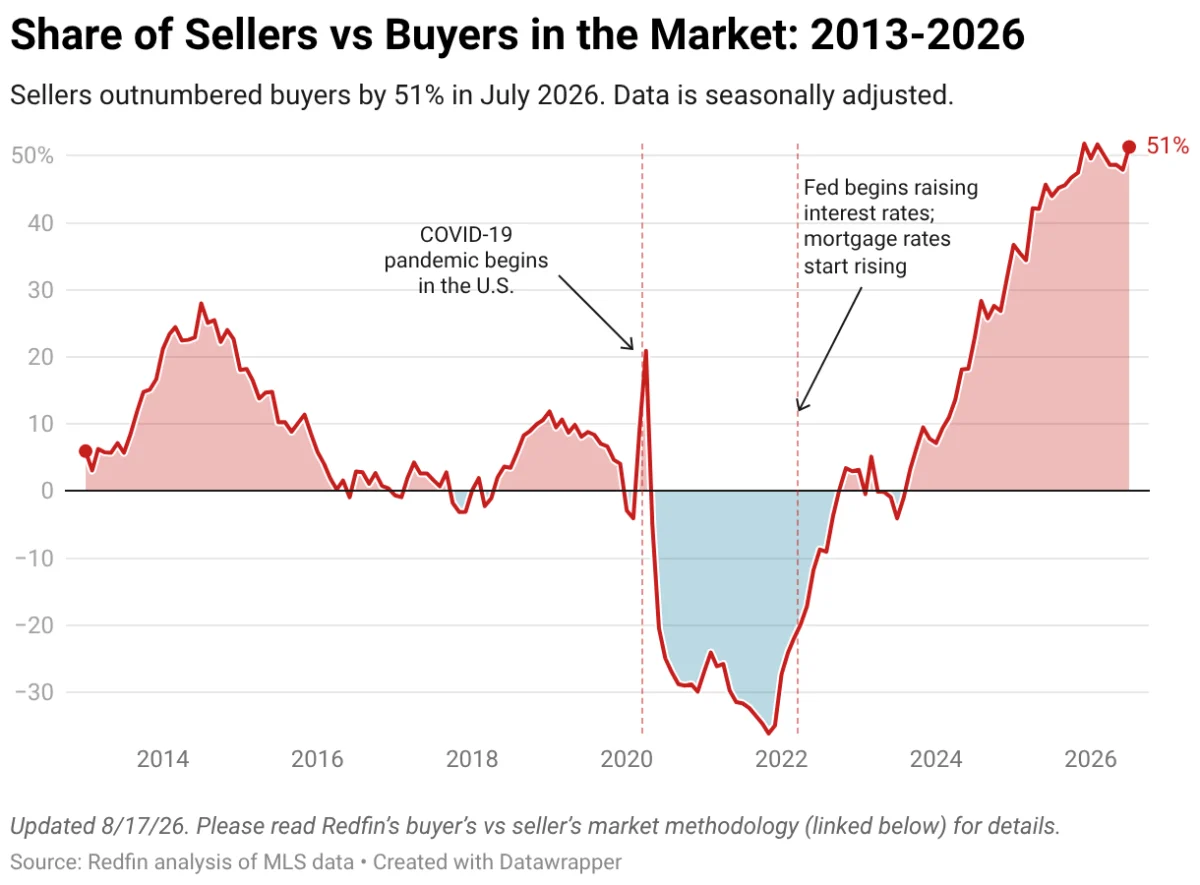
Nationally, there are approximately 500,000 more home sellers than active buyers. This gap, which showed signs of narrowing earlier in the year, has widened again as both parties adopt a wait-and-see approach. Sellers are increasingly hesitant to trade their low-interest-rate, "locked-in" mortgages for the higher rates currently available, while buyers are deterred by high costs and market volatility.
The "Buyer’s Market" Reality
Despite low inventory in specific regions, the national trend leans toward a buyer’s market. This shift has forced sellers to adjust their expectations. Asking prices have seen downward adjustments to reach their lowest levels in a year, and concessions—once a rarity—are becoming a standard tool to facilitate deals.
Chronology: How We Arrived Here
To understand the current market, one must look at the progression of economic pressures that have defined the last 24 months.
- 2024-2025: The "Lock-in Effect" solidified, as homeowners with sub-3% mortgage rates refused to move, causing inventory to plummet and prices to remain artificially high.
- Early 2026: Initial optimism regarding interest rate stabilization led to a brief uptick in market participation.
- Spring 2026: External economic shocks, most notably the conflict in Iran and subsequent energy market volatility, reignited inflation fears.
- Mid-2026: Market activity slowed significantly. The combination of rising tariffs, concerns over the labor market impact of artificial intelligence, and sustained high mortgage rates effectively dampened the spring buying season.
- Summer 2026: We are currently in a period of "market fatigue," where transaction speeds have slowed to a national average of 50 days, up from the blistering pace of under 30 days seen in 2022.
Supporting Data: Economic Drivers and Regional Variance
The housing market does not exist in a vacuum. It is heavily influenced by macroeconomic factors that dictate both consumer confidence and borrowing capacity.
The Macroeconomic Landscape
The volatility in mortgage rates is largely a reaction to global instability. The ongoing war in Iran has had a ripple effect on energy costs, which in turn fuels inflation—a primary concern for the Federal Reserve. Furthermore, the implementation of new trade tariffs and the shifting landscape of the U.S. labor market have created a sense of instability.
Regional Disparities
It is a mistake to view the national housing market as a monolith. Geography plays a critical role in 2026:
- The Midwest and Northeast: Markets like Rochester and Milwaukee are bucking the national trend. Due to a chronic lack of housing supply, these areas remain highly competitive, with sellers often seeing multiple offers and quick closing times.
- The Sun Belt: Conversely, many cities in the South and Southwest are facing a "supply glut." Homeowners in these regions are increasingly looking to sell, driven by rising climate risks and the skyrocketing cost of home insurance, creating a much more favorable environment for buyers.
Official Responses: Insights from Industry Leaders
Daryl Fairweather, Chief Economist at Redfin, emphasizes that the current environment is not necessarily "bad," but it is certainly "demanding."
"Home sellers should prepare for a strong buyer’s market," Fairweather notes. "Elevated inventory has given buyers more options, but record costs have made them wary. Volatile mortgage rates and an unstable job market are adding a layer of uncertainty. Affordability has slowly improved over the last year, but those willing to brave today’s market are still prepared to lead negotiations and pay a fair price."
Chen Zhao, Head of Economics Research at Redfin, echoes these sentiments, focusing on the long-term outlook. "Mortgage rates are reacting to the war in Iran, as rising energy costs and concerns over inflation put pressure on the economy. Unless homebuilding skyrockets or the country falls into a severe recession, buyer activity and housing affordability are unlikely to improve substantially."
Implications: Strategic Decisions for Sellers
For those who decide that selling is the right path, the strategy must be more nuanced than in years past.
When to Sell: The Timing Factor
While late April is statistically the optimal time to list for maximum value and speed, the "best" time to sell remains a personal decision.
- When Supply is Low: If your local market mirrors the competitive nature of the Midwest or Northeast, you hold the leverage.
- When Rates Drop: Even a marginal dip in mortgage rates can trigger a surge in buyer interest.
- Life Circumstances: Sometimes, the "right" time is dictated by necessity—a growing family, a job relocation, or a need to downsize.
When to Wait: Avoiding Pitfalls
It is crucial to recognize when the market is working against you.
- High Interest Rate Environments: If you are selling a home in a price bracket where buyers are highly sensitive to monthly payments, high rates may severely limit your pool of potential buyers.
- Refinancing "Lock-ins": If you have recently refinanced at a favorable rate, ensure that the cost of moving into a new home (at today’s higher rates) doesn’t wipe out your equity gains.
- Deferred Maintenance: In a buyer’s market, houses with significant repair needs are often ignored or hit with aggressive price reductions. Addressing these issues prior to listing is now a prerequisite for a successful sale.
The Modern Sales Strategy
If you are listing your home in 2026, consider these three pillars of success:
- Professional Representation: With the market being as volatile as it is, an experienced agent is your most valuable asset. They can help you navigate local buyer sentiment and pricing strategies.
- Phased Marketing: This involves testing the waters by marketing to a smaller, targeted audience before hitting the Multiple Listing Service (MLS). It allows you to gauge interest without the "stale listing" stigma that comes from having a home sit on the market too long.
- Pricing Realism: Buyers are currently in a position to negotiate. Pricing your home based on 2022 peaks will likely lead to a long, unproductive time on the market. Competitive, data-driven pricing is essential for a timely sale.
Conclusion
The 2026 housing market requires patience, preparation, and a realistic outlook. While the era of easy, lightning-fast sales has passed, the market is by no means closed. By understanding the regional variations in supply, the macroeconomic pressures affecting mortgage rates, and the importance of professional guidance, sellers can navigate this cycle successfully. Whether you choose to list now or wait for a more favorable economic climate, the key is to ensure that your decision is aligned with your long-term financial health and personal goals.