Introduction: A Nation on the Brink
The conflict in Sudan, a devastating power struggle that has fundamentally fractured the nation’s socio-political landscape, has entered a harrowing new phase. As of mid-August 2026, the United Nations has issued a desperate, high-level appeal for warring parties to cease hostilities and prioritize the protection of civilians. This plea follows a surge in violence across the Blue Nile and North Kordofan states, where drone strikes and ground combat have exacerbated what international monitors have labeled the world’s largest humanitarian and displacement crisis.
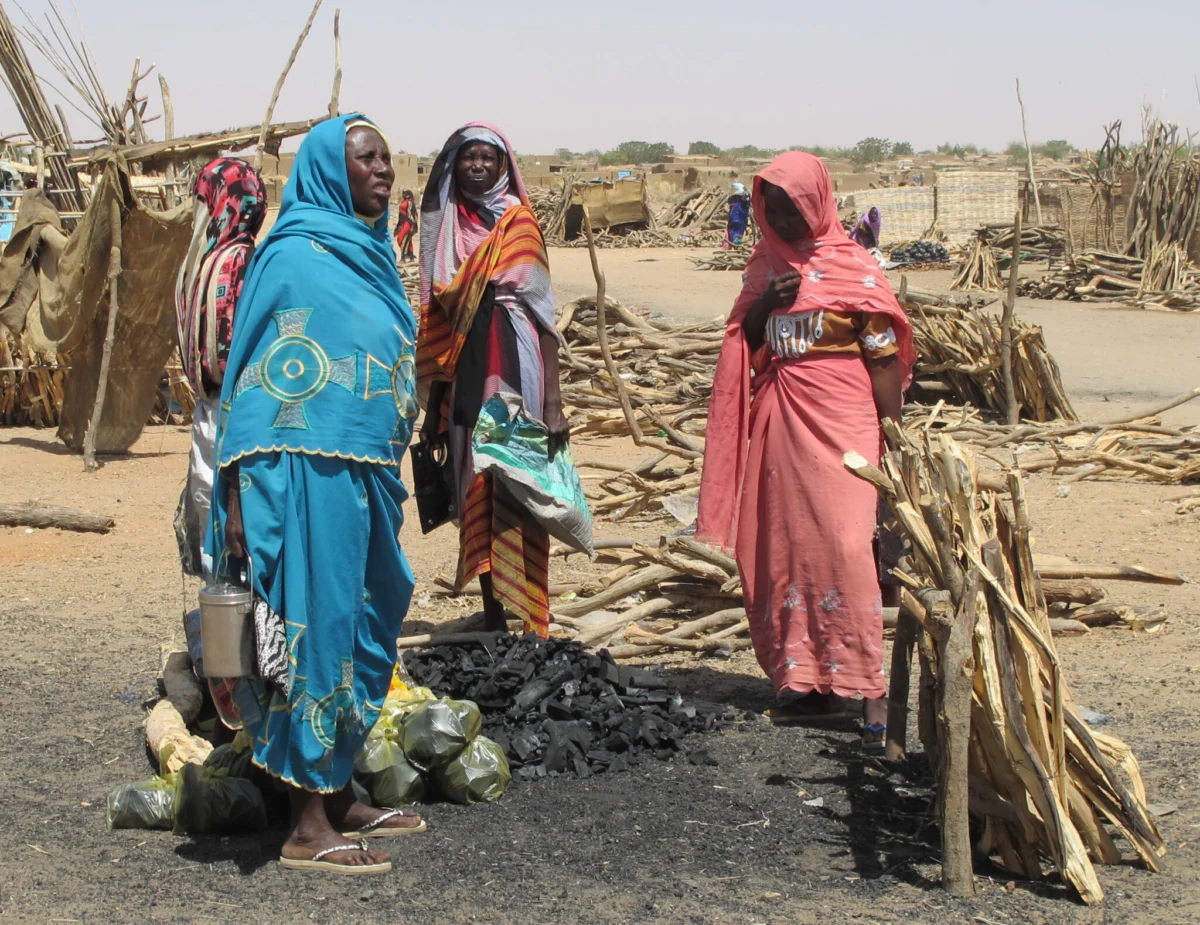
Since the outbreak of hostilities in April 2023, the war between the Sudanese Armed Forces (SAF) and the paramilitary Rapid Support Forces (RSF) has claimed hundreds of thousands of lives. With over 14 million people now forcibly displaced, the fabric of Sudanese society is tearing at the seams, leaving the international community struggling to respond to a disaster of unprecedented proportions.
The Genesis of the Crisis: A Chronology of Conflict
1. The Pre-Conflict Power Struggle (2021–2023)
The roots of the current conflagration trace back to the aftermath of the 2019 revolution that ousted long-time autocrat Omar al-Bashir. A fragile power-sharing agreement between civilian leaders and military commanders was shattered by a 2021 coup. Following the coup, the uneasy alliance between SAF leader General Abdel Fattah al-Burhan and RSF commander Mohamed Hamdan "Hemedti" Dagalo began to fray, driven by disagreements over security sector reform and the integration of the RSF into the national army.
2. The Outbreak of War (April 2023)
On April 15, 2023, the simmering tension erupted into open warfare in Khartoum. The capital, once a bustling metropolis, was rapidly transformed into a battlefield, with residential neighborhoods becoming focal points for artillery barrages and street-to-street combat.
3. Geographical Expansion (Late 2023–2025)
The conflict, initially localized in Khartoum, quickly spread to the Darfur region—where it reignited long-standing ethnic tensions—and subsequently moved into the central and southern states. The destruction of infrastructure, including hospitals, bridges, and power grids, crippled the state’s ability to provide even the most basic services.
4. The Current Escalation (2026)
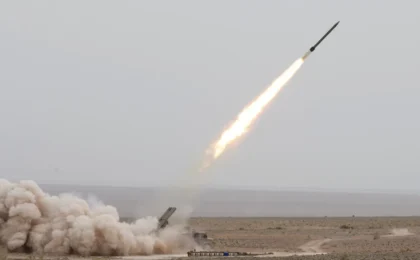
As of August 2026, the theater of war has shifted significantly toward North Kordofan and the Blue Nile. The recent drone strikes in El Obeid and the mass casualty events in Geisan represent a tactical shift, where the RSF and SAF are increasingly utilizing long-range weaponry in densely populated areas, disregarding the civilian collateral that follows.
Supporting Data: The Statistics of Suffering
The scale of the devastation in Sudan defies simple description. According to the UN Office for the Coordination of Humanitarian Affairs (OCHA), the data underscores a total collapse of civil order:
- Displacement: Over 14 million people are currently displaced, either internally or as refugees in neighboring countries such as Chad, Egypt, and South Sudan.
- Humanitarian Influx: In North Kordofan alone, approximately 15,000 families have sought refuge in the city of El Obeid in just the last three weeks, creating an untenable strain on existing displacement camps.
- Child Mortality: UNICEF reports indicate that in North Kordofan, conflict-related violence has claimed the lives of at least 23 children within a two-month period, highlighting the lethal danger posed to the most vulnerable.
- Civilian Casualties: In the Blue Nile state, recent clashes in Geisan town left over 20 civilians dead in a single day, a figure that humanitarian agencies warn is likely an undercount due to the lack of access to remote areas.
The Strategic Importance of North Kordofan
The focus on El Obeid, the capital of North Kordofan, is not merely a matter of tactical military maneuvering; it is an attack on the economic lifeline of central Sudan. El Obeid serves as a vital commercial hub, particularly for the global supply of gum arabic—a crucial ingredient for everything from pharmaceuticals to confectionery—and a center for regional livestock trade.
By targeting this hub, both the SAF and RSF are actively severing the arteries of the Sudanese economy. The disruption of these supply routes has led to hyperinflation in food prices, the total collapse of local markets, and a secondary crisis of famine that is now spreading across the Kordofan region. Humanitarian agencies have repeatedly warned that when a city like El Obeid becomes a frontline, the resulting "humanitarian chokehold" prevents aid from reaching those who need it most, effectively weaponizing hunger against the civilian population.
Official Responses and International Stance
The United Nations has become increasingly vocal in its frustration regarding the lack of adherence to International Humanitarian Law (IHL). In their recent statement, UN officials emphasized that the warring parties are obligated under international law to distinguish between combatants and civilians.
The UN Position
"The continued disregard for civilian life is not just a tactical failure; it is a profound moral collapse," noted a representative for the UN in a recent press briefing. The organization has called for an immediate cessation of drone strikes in populated urban areas and for the establishment of "humanitarian corridors" that would allow aid agencies to reach the displaced populations in Blue Nile and North Kordofan without the threat of military interference.
The Silence of the Belligerents
Despite international pressure, both the SAF and the RSF continue to prioritize military victory over humanitarian pauses. Their rhetoric remains defiant, with both sides accusing the other of instigating attacks on civilian infrastructure. The absence of a credible ceasefire mechanism remains the primary obstacle to any meaningful diplomatic resolution.
Implications: A Future in Jeopardy
The Collapse of Basic Services
The war has effectively dismantled the Sudanese healthcare system. With hospitals targeted or occupied by forces, and medical supplies blocked by frontlines, diseases such as cholera and measles are finding fertile ground in overcrowded displacement camps. Education, too, has been a casualty; an entire generation of Sudanese children is currently out of school, raising concerns about the long-term human capital of the nation.
Regional Destabilization
The spillover effect of the Sudanese war is creating a domino effect of instability across East Africa and the Sahel. The influx of millions of refugees is stretching the capacity of host nations, many of which are already grappling with their own economic and political challenges. Furthermore, the porous borders of Sudan have become corridors for arms smuggling and illicit trade, threatening to entangle neighboring countries in the conflict.
The Path Forward: A Call for Accountability
As the fighting drags on with no clear end in sight, the international community is facing a critical juncture. The reliance on standard diplomatic appeals has proven insufficient. Experts argue that without targeted sanctions against the military leadership of both factions, and a more robust push for accountability through international judicial bodies, the violence will continue to escalate.
The situation in El Obeid and the Blue Nile is a microcosm of the wider tragedy: a nation’s potential being systematically erased by the competing ambitions of two military entities. For the 14 million displaced, the UN’s plea for protection is not just a policy recommendation—it is a matter of survival. As the world watches, the question remains: will the international community find the political will to force a halt to the killing, or will Sudan be left to descend further into the abyss of a protracted, forgotten war?
The humanitarian imperatives are clear. The warring parties must be held accountable for the indiscriminate use of force, and the international community must move beyond statements to provide the logistical and diplomatic weight required to force a ceasefire. Until that happens, the cycle of violence, displacement, and death will continue to define the Sudanese experience.