For many, France is more than a destination; it is an ideal. From the sun-drenched vineyards of Bordeaux to the kinetic, intellectual pulse of the Champs-Élysées, the country has long exerted a magnetic pull on travelers. Yet, the transition from "tourist" to "resident" remains a complex bureaucratic undertaking. As global mobility increases and the definition of "work" shifts in the digital age, many are finding that while the dream of living in France is attainable, it requires a precise understanding of the country’s rigid, yet navigable, immigration framework.
The Evolution of a Dream: From Bordeaux to Paris
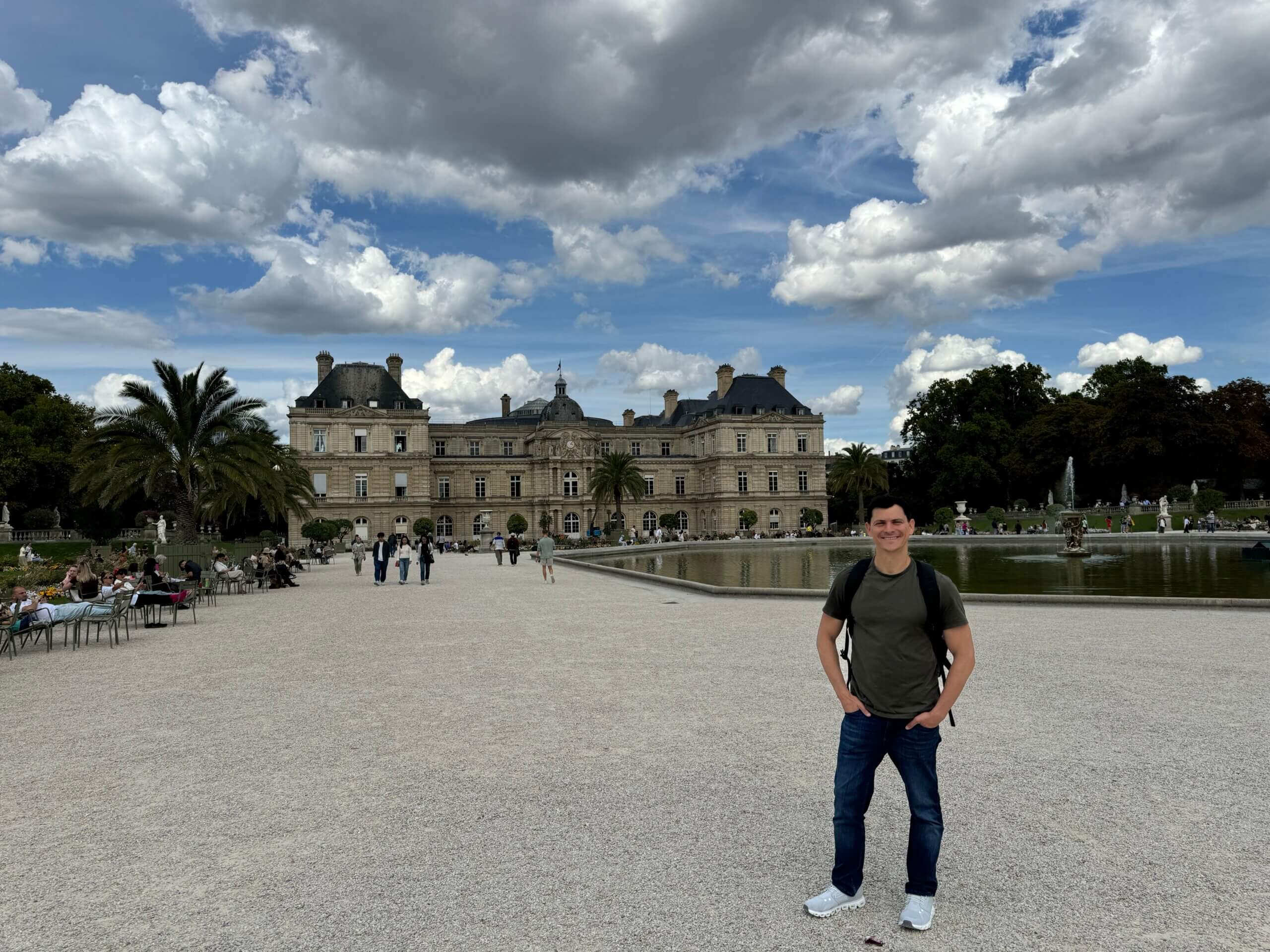
The allure of France is often rooted in personal discovery. For seasoned travelers, the initial encounter—whether it is the food, the history, or the sheer aesthetic charm of the French capital—often sparks an enduring connection. For those who have spent years navigating the high-cost, high-stress environments of cities like New York or London, the appeal of a French lifestyle is multifaceted: a more measured pace of life, a rich cultural tapestry, and a central location for European exploration.
However, the decision to relocate is rarely just about aesthetics. It is often a reaction to external pressures. The rising cost of living in major American hubs, the saturation of creative industries, and the shifting landscape of the digital economy have led many to seek a "reset." For the modern creator or professional, Paris offers a unique vantage point—a place to reconnect with one’s craft, learn a new language, and step outside the frantic cycle of domestic urban life.
Navigating the Bureaucratic Labyrinth
One of the most persistent myths regarding European migration is the existence of a "digital nomad visa." While countries like Portugal or Spain have made strides in this direction, France remains more traditional. There is no specific legal pathway for remote workers to enter the country under the guise of "digital nomadism."
Prospective residents are generally funneled into one of four primary categories:
- The Student Visa: Ideal for those seeking immersion. It requires enrollment in an accredited full-time program. It offers the benefit of legal part-time work and, upon completion, the possibility of transitioning to a "job seeker" visa.
- The Entrepreneur Visa: Designed for those establishing a business entity within France. This is a rigorous path involving significant documentation, financial scrutiny, and the requirement to prove the business can generate at least the French minimum wage.
- The Talent Passport: Reserved for experts, researchers, or artists who can demonstrate they will make a significant contribution to the cultural or scientific fabric of France.
- The VLS-TS Visiteur (Long-Term Visitor Visa): The most common route for retirees and those with independent passive income. This visa allows for a 12-month stay, renewable within the country, provided the applicant can prove they will not become a burden on the French social welfare system.
Chronology of the Application Process
Securing a visa is not a feat of overnight planning; it is a months-long administrative project. The journey typically begins on the official France-Visas portal, where applicants input their details to generate a customized list of required documents.
Once the digital application is complete, the process shifts to third-party providers like TLScontact, which manage appointments on behalf of the French consulate. During this phase, applicants must provide:
- Proof of Accommodation: A minimum of 90 days of secured housing is standard.
- Proof of Financial Means: Bank statements, proof of recurring income, or retirement savings.
- Comprehensive Documentation: While requirements vary, many applicants opt to over-prepare by including tax returns, proof of health insurance, and personal statements explaining their intent.
The wait time for approval, while officially cited as up to 15 days, is often shorter, yet it remains the most stressful period for applicants. The lack of feedback during the processing window—where the applicant is effectively in limbo until their passport is returned—is a significant psychological hurdle.
The "Work" Paradox in the Digital Age
Perhaps the most significant friction point for the modern expat is the definition of "work." French law is historically rooted in the protection of the domestic labor market. Consequently, authorities view "work" as a physical act that might displace a local employee.
However, the legal status of remote, digital-only work remains a significant gray area. The French tax authorities have previously expressed the view that remote work is taxable, yet the administrative infrastructure—such as the issuance of a tax number—does not always align with this sentiment for those on a visiteur visa. For many, the reality is a nuanced existence: they are not permitted to seek employment from French companies or engage in local commerce, yet they continue to operate their independent, non-French businesses.
Legal experts, such as Daniel Tostado, emphasize that the system has yet to fully "catch up" to the realities of the global digital economy. For those moving to France, the guidance is clear: obtain professional legal counsel to understand where your specific professional activities fall within the legal spectrum to ensure compliance with both French immigration and tax law.
Implications for Future Expatriates
What does this mean for the future of living abroad? The current landscape suggests that France is not seeking to attract "digital nomads" in the way that other countries are. Instead, it invites those who are self-sufficient.
The success of the visiteur visa relies entirely on the applicant’s ability to prove financial independence. This creates a barrier to entry that favors established professionals, retirees, or those with significant passive income, while potentially excluding younger freelancers who may not yet meet the stringent financial thresholds.
Furthermore, the "soft" requirements—the integration into the community, the intent to learn the language, and the respect for the local culture—are becoming increasingly important. While the paperwork is the gatekeeper, the actual experience of living in France is dictated by one’s ability to navigate the local customs, social norms, and the slow, methodical pace of French bureaucracy.
Practical Considerations for the Aspiring Resident
For those prepared to take the leap, logistical planning is paramount. Beyond the visa, one must consider:

- Financial Preparedness: Maintain a buffer. The cost of living in Paris, while sometimes lower than in New York, is still high. Ensure you have access to funds that are not dependent on a local income stream.
- Insurance: Comprehensive health insurance is non-negotiable. While the French system is world-class, new residents often need private coverage until they are fully integrated into the national healthcare system.
- Networking: Engage with the existing expat community, but prioritize local immersion. Understanding how to manage utilities, bank accounts, and legal registration is significantly easier with the help of those who have navigated the path before you.
Conclusion: Is the Effort Worth It?
The move to France is rarely about efficiency; it is about quality of life. The bureaucratic hurdles are significant, and the ambiguity surrounding remote work requires a level of diligence that many are not accustomed to in their home countries. However, for those who value the intellectual stimulation, the architectural majesty, and the sheer cultural richness of France, the reward is an unparalleled quality of life.
The system is not designed to be easy, but it is designed to be fair to those who can demonstrate their commitment and independence. As the world continues to globalize, France remains a bastion of tradition, asking only that you respect its boundaries while you contribute your own unique energy to its historic, vibrant cities. Whether you are seeking a temporary respite or a permanent change of scenery, the path is there—provided you have the patience to walk it.