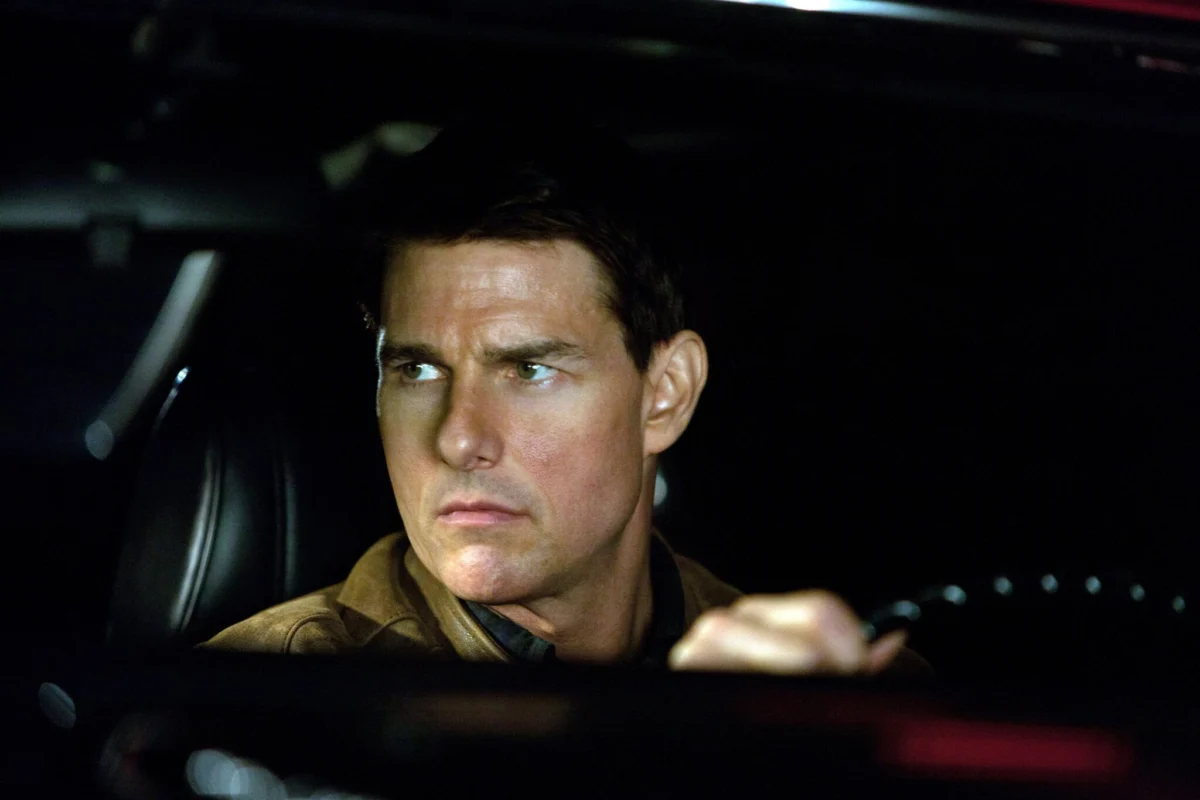
In the landscape of modern action cinema, few characters have undergone as dramatic a transformation in the public consciousness as Jack Reacher. For years, the name was synonymous with the polarizing big-screen portrayal by Tom Cruise—a casting choice that left purists of Lee Child’s legendary literary series reeling. Today, with the massive success of Amazon Prime Video’s Reacher series, featuring the physically imposing Alan Ritchson, the narrative has shifted. The streaming sensation is widely hailed as the “definitive” version of the character.
However, beneath the surface of this fan-led consensus lies a complex truth: the Prime Video juggernaut owes an immeasurable debt to the very films it sought to replace. As the original 2012 Jack Reacher and its 2016 sequel, Jack Reacher: Never Go Back, find a new lease on life streaming for free on Tubi, it is time to reassess their place in the pantheon of action cinema.
The Foundation: A Blueprint for Grit
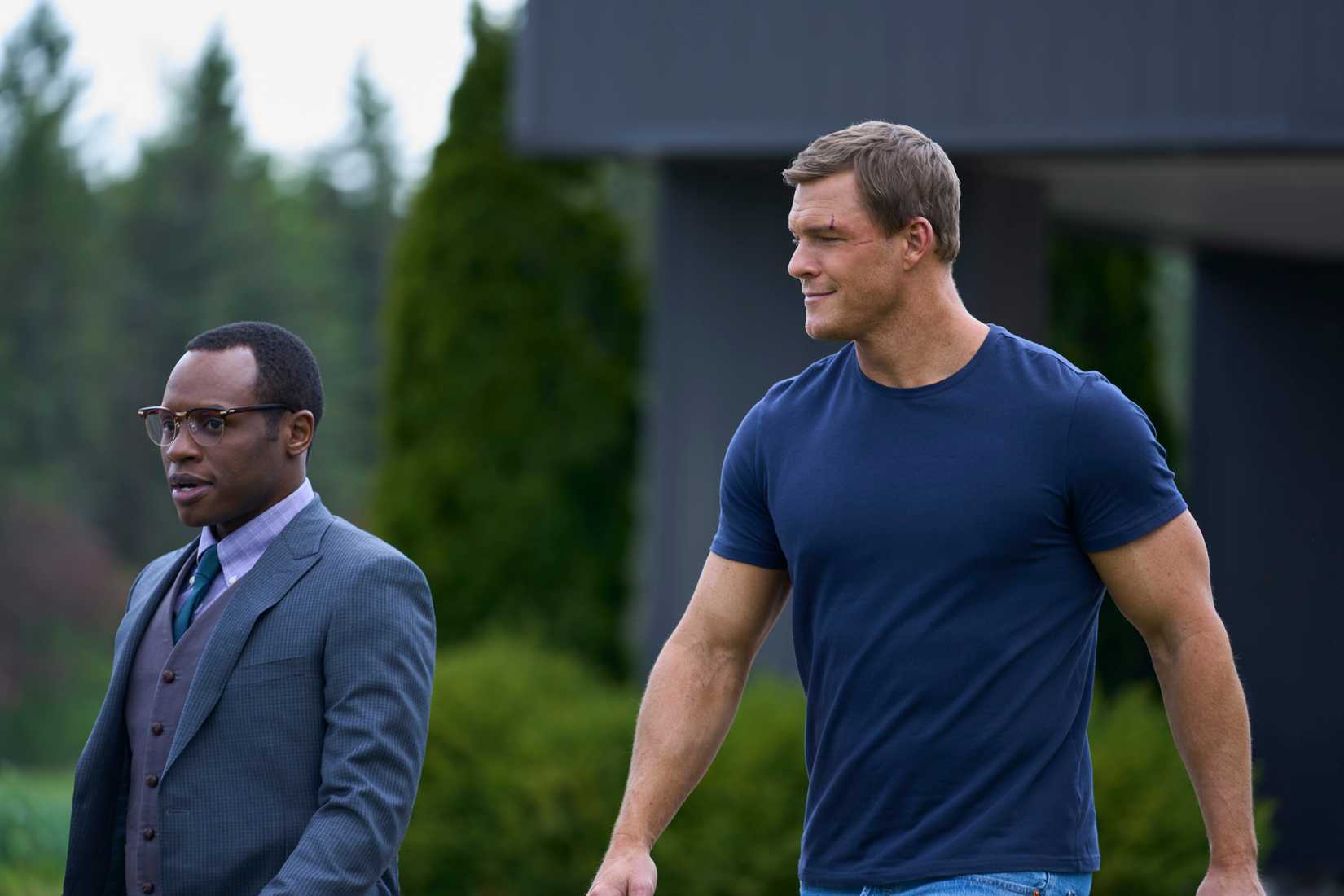
When Lee Child’s novels first introduced the world to Jack Reacher, the protagonist was described as a 6-foot-5, 250-pound behemoth—a "force of nature" who could dismantle an opponent with a single movement. When it was announced that the 5-foot-7 Tom Cruise would take on the role, the backlash was instantaneous and profound.
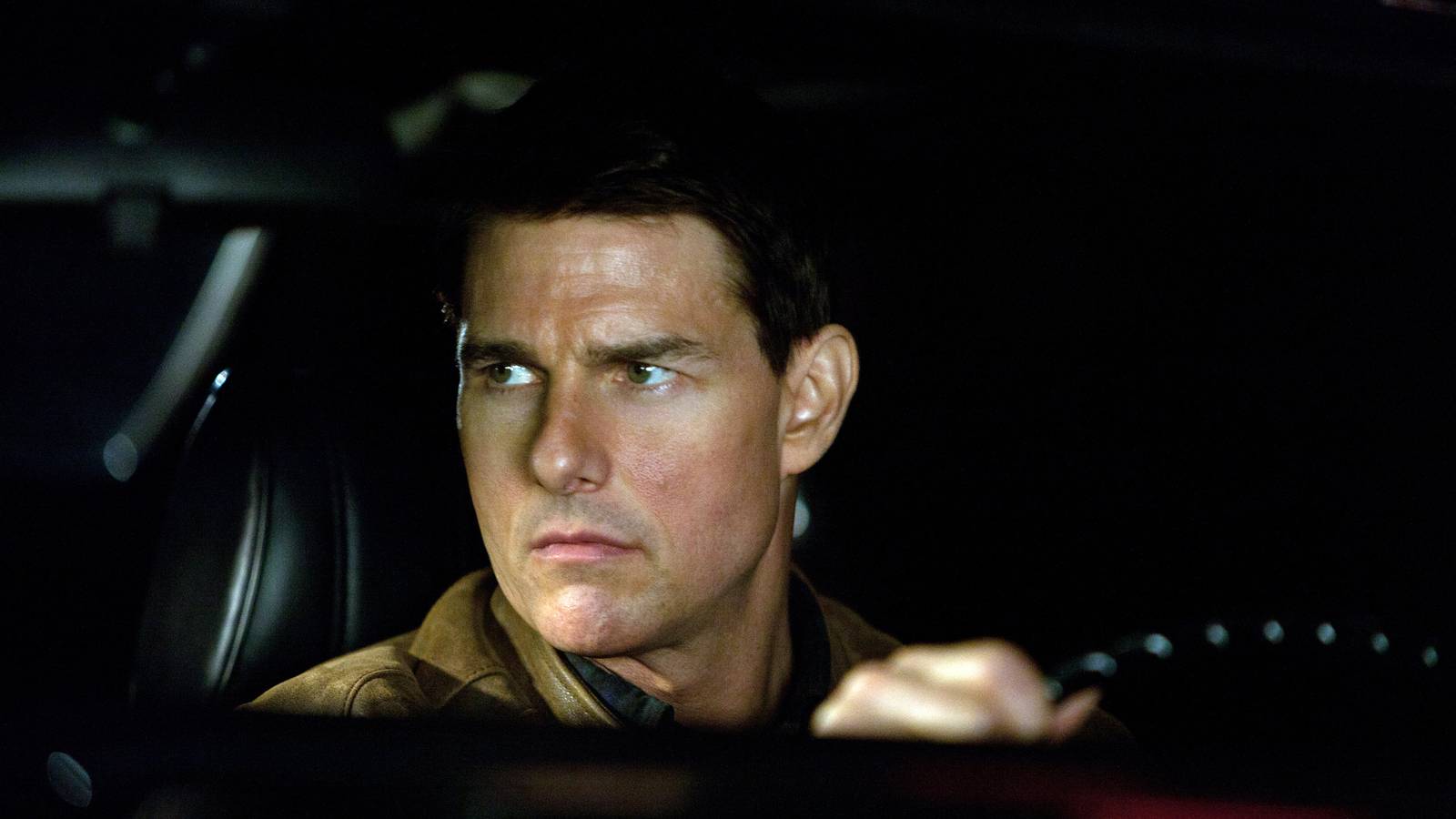
Yet, looking back, the 2012 film directed by Christopher McQuarrie serves as a masterclass in mid-budget studio filmmaking, a genre that has largely vanished from the theatrical landscape. While Ritchson’s Reacher captures the physical stature fans craved, the 2012 film established the narrative DNA that the series would later adopt: the "drifter" aesthetic, the methodical investigative pacing, and the commitment to a street-level, low-key crime plot that prioritized tension over CGI-heavy spectacle.
Chronology of a Literary Adaptation
The journey of Jack Reacher from page to screen is a study in creative evolution:
- 1997: Killing Floor, the first novel in the series, is published, establishing the character of the ex-military detective with no fixed address.
- 2012: Paramount Pictures releases Jack Reacher, directed by Christopher McQuarrie. Despite casting controversies, the film earns a respectable $218 million globally, proving the viability of the IP.
- 2016: Jack Reacher: Never Go Back hits theaters. The film suffers from a weaker script and a pivot toward more generic action beats, resulting in a critical and commercial plateau.
- 2022: Amazon Prime Video launches Reacher Season 1. Alan Ritchson’s casting is met with immediate acclaim, effectively rebooting the franchise and cementing the show’s status as a flagship hit.
- 2026: Both Cruise-led films find renewed interest on free-to-stream platforms like Tubi, prompting a critical re-evaluation of their technical merits and historical significance.
Supporting Data: The "Mid-Budget" Paradox
The 2012 Jack Reacher film is often unfairly maligned due to the "height debate," yet the statistics suggest a high level of craft. Produced on a budget of roughly $60 million, the film relied on practical stunts and a gritty, grounded atmosphere that grounded it in reality.
In an era where action films are defined by "universe building" and bloated runtimes, Jack Reacher stands as a tight, efficient thriller. Its success at the box office provided the necessary proof-of-concept that audiences were hungry for hard-boiled, character-driven mysteries. Without the financial floor established by Cruise’s iteration, it is highly improbable that Amazon would have felt confident enough to greenlight a high-budget, episodic adaptation of the source material.
The Evolution of Christopher McQuarrie
Perhaps the most significant legacy of the original Jack Reacher is the creative partnership it fostered between Tom Cruise and writer-director Christopher McQuarrie. McQuarrie, who cut his teeth on clever, dialogue-heavy scripts like The Usual Suspects, used the Reacher film as a laboratory for the spectacle-heavy style he would later perfect in the Mission: Impossible franchise.

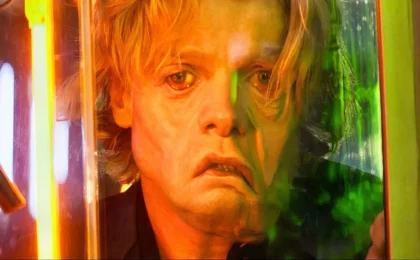
The presence of legendary filmmaker Werner Herzog as the villain, "The Zec," in the 2012 film remains one of its greatest assets. Herzog’s chilling, monotone performance—complete with a monologue about chewing off his own fingers—injected a level of prestige and menace that elevated the film above standard genre fare. This commitment to casting high-caliber character actors alongside action stars is a trait that the Prime Video series has successfully emulated.
Implications: The "Cool" Factor and the Striver Archetype
There is a fundamental difference in the way Cruise and Ritchson approach the character, and this difference highlights why the television show feels more "accurate" while the film remains a fascinating anomaly.
Jack Reacher is a character defined by an effortless, almost supernatural "cool." He is a man who walks into a room, assesses the threat, and exits before anyone realizes what happened. Alan Ritchson plays this with an inherent physical stillness. Tom Cruise, by contrast, is a performer defined by intensity. His characters are "strivers"—they are frantic, desperate, and always running.
In the Mission: Impossible films, this frantic energy works because Ethan Hunt is constantly racing against time. In the Jack Reacher films, it creates a friction that audiences sensed immediately. Cruise’s Reacher never felt like a man who simply existed in the world; he felt like a man trying to prove he belonged there. While this may have hindered the film’s ability to capture the "cool" of the books, it resulted in a high-octane performance that stands as a unique entry in the actor’s filmography.
A Critical Look at the "Never Go Back" Failure
If the first film is an underrated gem, the sequel Jack Reacher: Never Go Back serves as a cautionary tale. By moving away from the moody, noir-inspired atmosphere of the original and leaning into a more conventional, bloated action structure, the film lost the very thing that made the character unique. It became "just another action movie." This, more than the height of the lead actor, was the true reason the film franchise stalled. It proved that for Jack Reacher to work, the production must prioritize the mystery and the character’s internal logic over the spectacle of the set-pieces.
Final Thoughts: The Symbiotic Future
As we look back from the vantage point of 2026, it is clear that the discourse surrounding Jack Reacher has reached a state of healthy maturity. We no longer need to pretend the films are perfect, nor do we need to discard them as failures.
The Prime Video series has succeeded because it learned the right lessons from the past: it kept the grit, it kept the focus on the mystery, and it listened to the fans regarding the physical presence of the protagonist. But it is equally true that the path was cleared by a film that, despite its imperfections, treated Lee Child’s world with respect and ambition.
Whether you are a fan of the Ritchson era or a nostalgic observer of the Cruise films, there is no denying that the Reacher saga is a testament to the enduring appeal of the "lone wolf" archetype. The character is larger than any one actor, and the history of his adaptations proves that even a "miscast" film can serve as the essential bedrock for a future masterpiece. For those looking to revisit the roots of this phenomenon, the original Jack Reacher remains a slick, stylish, and remarkably well-made thriller that deserves its current moment of reappraisal.