Drones have fundamentally altered the landscape of travel photography and videography. Once the exclusive domain of professional film crews with massive budgets and heavy, specialized equipment, aerial cinematography has been democratized by compact, high-performance drones that fit into a standard backpack. Yet, even with the technological leaps of the last decade, creators have remained tethered to a singular, limiting paradigm: the fixed-lens gimbal.
Enter the Antigravity A1, a disruptive piece of hardware that debuted in late 2025. By moving away from the traditional forward-facing camera, the A1 has effectively rendered the gimbal—a mechanical component that has defined drone flight for years—obsolete for a massive segment of the creator economy.
Main Facts: A Paradigm Shift in 360-Degree Capture
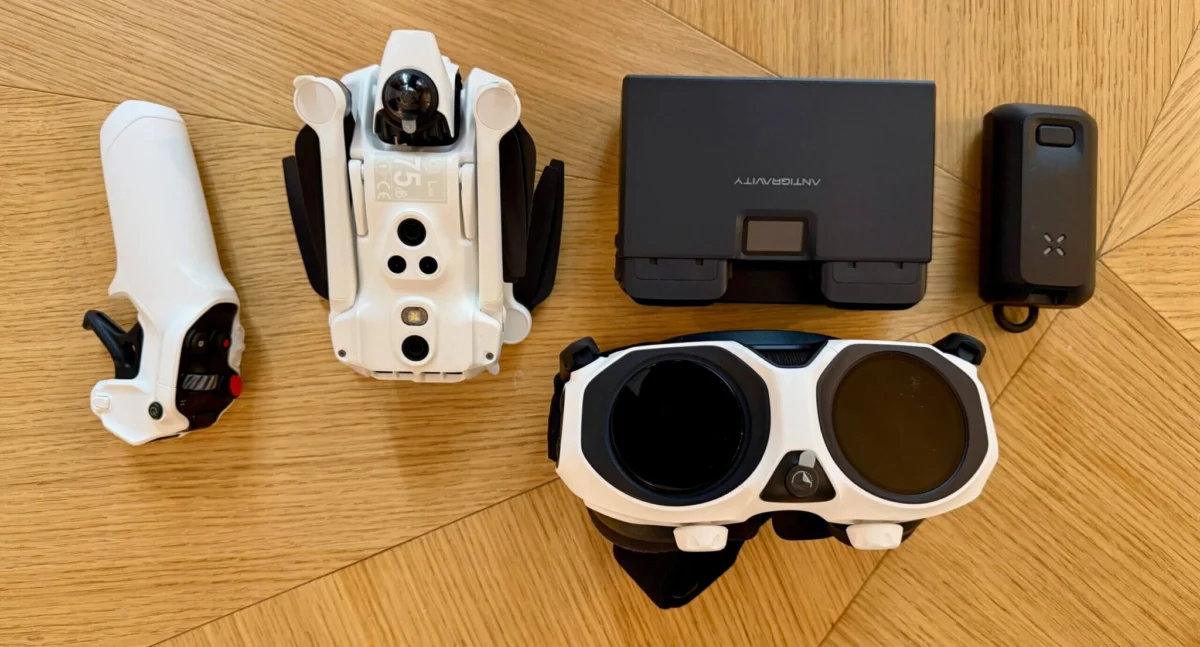
The Antigravity A1 is not merely a drone; it is a flying, spherical capture system. The core innovation lies in its dual-lens 360-degree architecture. Unlike standard drones that require the pilot to meticulously frame shots in real-time, the A1 records everything in every direction simultaneously.
This design facilitates a "fly now, frame later" workflow. The pilot is no longer a traditional drone operator focusing on gimbal pitch and yaw; instead, they act as a virtual director, traversing a pre-recorded digital environment to extract the perfect shot long after the propellers have stopped spinning.
Technical Specifications at a Glance:
- Sensor Array: Dual 1/1.28-inch CMOS units.
- Optics: Two ultra-wide-angle lenses (200-degree field of view each) creating a seamless 360-degree sphere.
- Weight: Exactly 249 grams (with standard battery), bypassing most international commercial drone registration mandates.
- Flight Time: 20 minutes (standard battery); 39 minutes (Pro battery).
- Construction: High-grade carbon-fiber-reinforced polymer.
Chronology: From Concept to Consumer Disruption
The development of the A1 was shrouded in secrecy, aimed at solving the "pilot’s dilemma": the difficulty of controlling a drone while simultaneously monitoring camera composition.
- Q3 2025: Antigravity Tech announces the A1, promising to bridge the gap between FPV (First-Person View) agility and cinematic stability.
- November 2025: Official retail release. The drone is met with immediate acclaim from travel bloggers and tech reviewers who highlight its "invisible" profile—the drone’s software digitally masks the aircraft from the final footage, leaving the viewer with a sensation of a camera floating independently in mid-air.
- Early 2026: Adoption rates skyrocket among solo creators. The integration of "FlowState" stabilization technology allows the drone to remain tripod-steady, even when subjected to 20mph crosswinds, marking a milestone in miniaturized aerial stabilization.
Supporting Data: Performance and Efficiency
The move to 360-degree capture is often met with skepticism regarding resolution. While marketing materials boast "8K Resolution," it is crucial to understand the geometry of 360 capture. In a traditional 16:9 sensor, 8K is concentrated; in the A1, those pixels are distributed across a sphere. When a user "reframes" a clip, they are essentially cropping a high-resolution window out of that sphere.
Despite this, the A1’s 10-bit "Log" color profile provides professional editors with the latitude required to match footage with high-end cinema cameras, a feature previously missing from consumer-grade 360 devices.
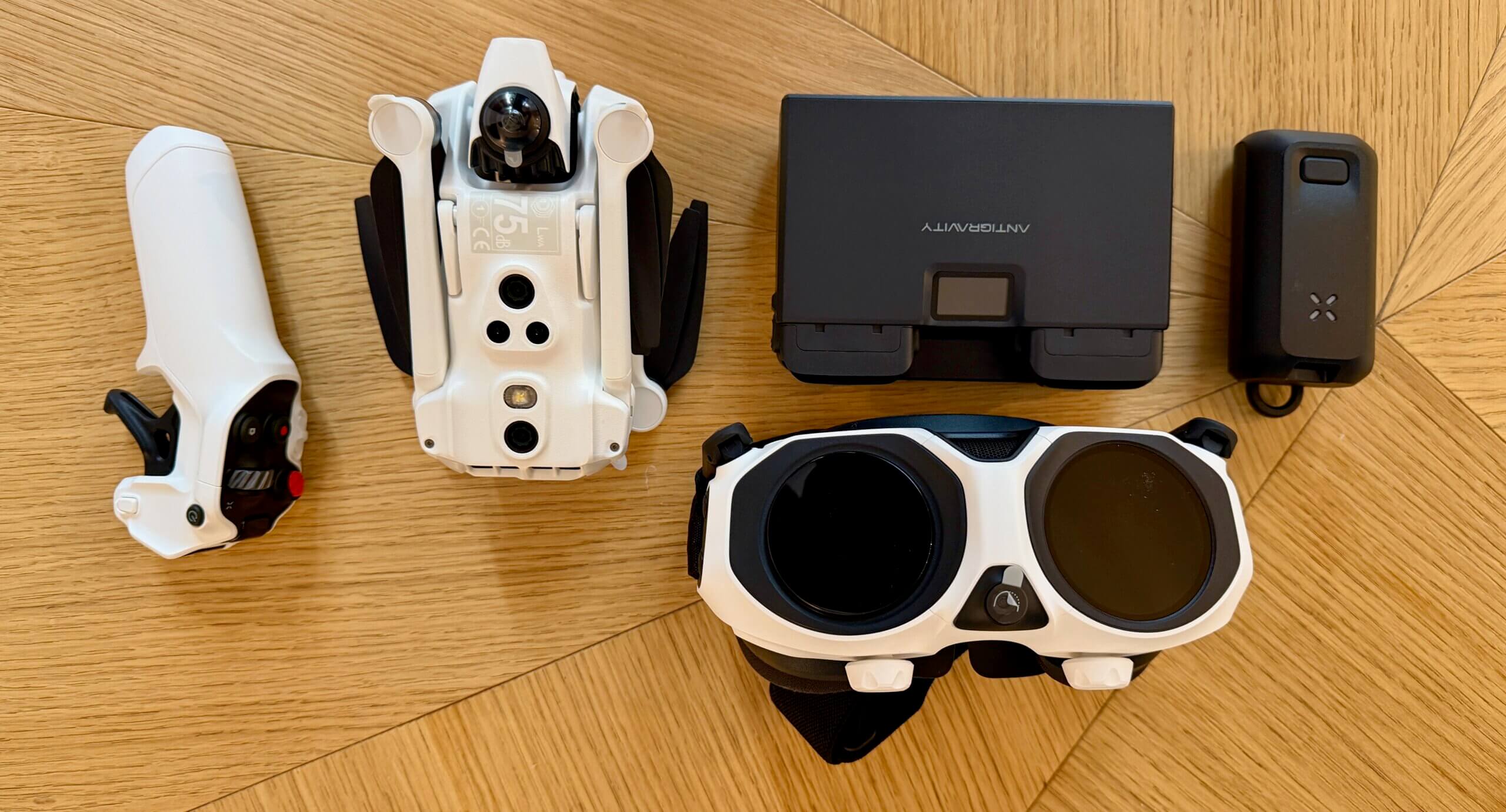
The flight dynamics also defy typical expectations for a "cinewhoop" style drone. Its top speed of 36 mph is sufficient for most travel-related tracking shots, such as following cyclists or cars. Furthermore, the inclusion of "Turtle Mode"—which allows the drone to flip itself over if it crashes and lands upside down—solves one of the most frustrating aspects of field operations: the "walk of shame" to recover a downed aircraft in inaccessible terrain.
Official Responses and Industry Reception
Industry analysts have noted that the A1’s success is largely due to its weight. By engineering the unit to sit exactly at the 249-gram threshold, Antigravity has effectively side-stepped the bureaucratic hurdles that plague the drone industry.
"The compliance burden is the biggest killer of drone creativity," says industry consultant Marcus Thorne. "By keeping the A1 under 250 grams, Antigravity has opened up regions and flight paths that would otherwise be restricted or require lengthy permitting processes."
The company’s decision to pair the drone with the "Vision Goggles"—which utilize dual 4K micro-OLED displays at 120Hz—has also received praise. Unlike standard FPV goggles that force the pilot to look forward, the A1’s goggles feature integrated head-tracking. When the pilot turns their head, the view pans within the 360-degree sphere. This creates an immersive, spatially aware experience that feels more akin to VR than traditional piloting.
Implications for the Creator Economy
The rise of the Antigravity A1 suggests a future where the "pilot" and the "cinematographer" are two distinct roles, even when filled by the same person. The implications for travel content are profound:
- Increased Safety: Pilots can focus on obstacle avoidance rather than camera angles, leading to fewer crashes.
- Creative Liberation: Because the drone captures everything, creators can produce multiple versions of the same shot—one for a wide-angle cinematic sequence, another for a vertical social media clip, and a third for a VR headset—all from a single flight.
- The "Virtual Crew": The Antigravity Studio app’s AI-powered "Auto-Frame" feature identifies subjects and generates sequences automatically. For a solo traveler, this is the equivalent of having a dedicated camera crew following them, ensuring they never miss a moment while focused on their environment.
Conclusion: A New Frontier
The Antigravity A1 is not without its trade-offs. The lenses, while robust, are exposed and require careful maintenance. Furthermore, the image quality, while excellent for the form factor, does not yet rival a full-frame sensor on a heavy-lift cinema drone.
However, for the modern traveler—the solo creator looking to capture immersive, high-quality footage without the burden of a production team or complex logistics—the A1 is transformative. It turns the act of filming from a technical chore into a creative exploration. By removing the boundaries of the gimbal and the limitations of the fixed lens, Antigravity has provided the tools to capture the world not just as we see it, but as we experience it: fully, immersively, and in every direction.
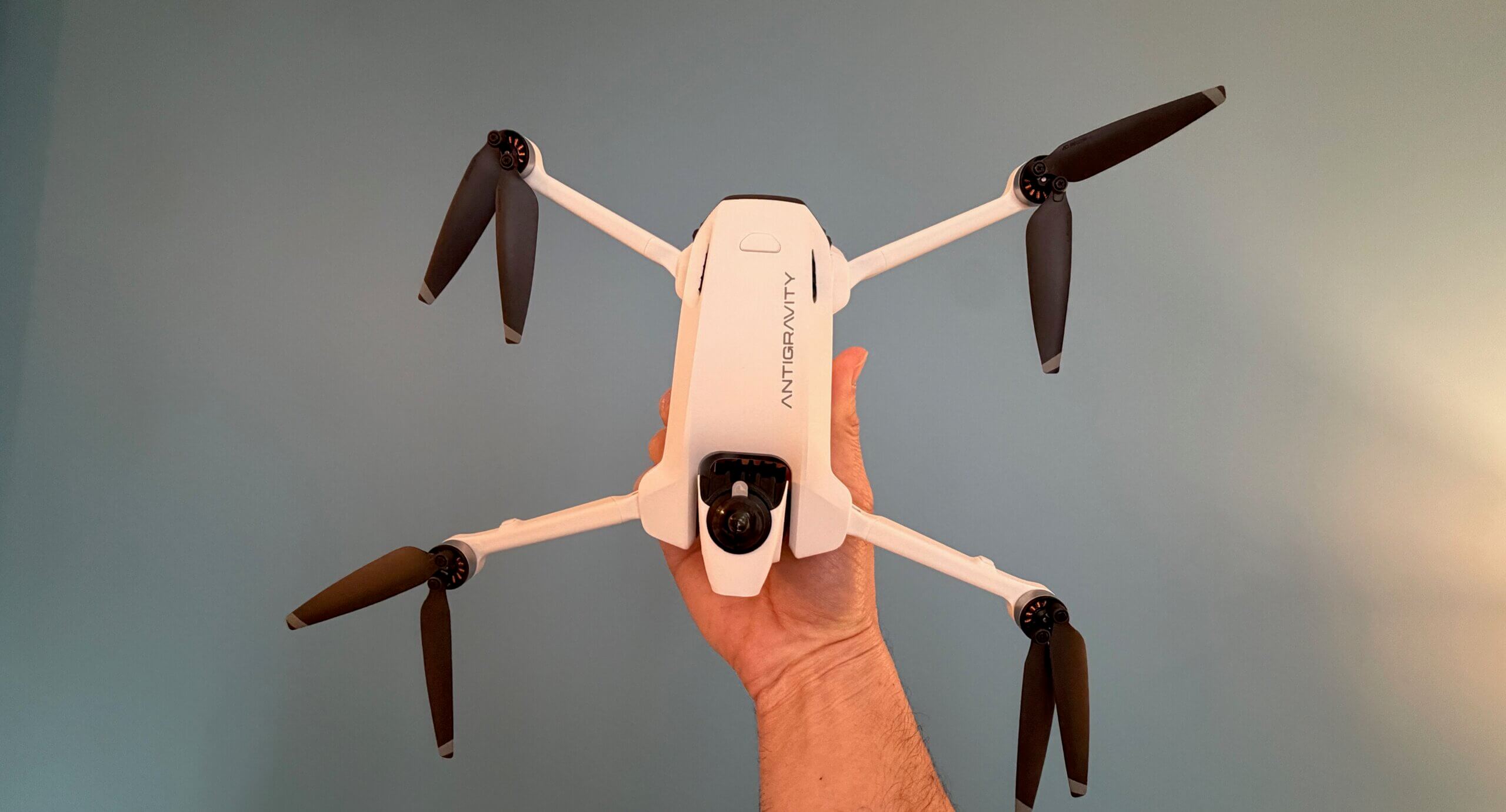
As we look toward the future of aerial photography, the A1 serves as a clear indicator: the hardware is becoming smaller, smarter, and increasingly invisible, allowing the focus to return to the only thing that truly matters—the story.
Logistics for Your Next Adventure
Whether you are using the latest in drone technology or simply carrying a smartphone, the principles of successful travel remain rooted in planning and preparation.
Planning Your Journey
To maximize your efficiency, utilize platforms like Skyscanner for global flight aggregation. For accommodation, Booking.com and Hostelworld remain the gold standards for finding cost-effective stays that allow you to invest more of your budget into your gear and experiences.
Protecting Your Investment
High-tech gear requires high-quality protection. Always ensure your travel insurance covers equipment theft or damage. Companies like World Nomads or SafetyWing provide specialized plans that consider the value of digital nomad kits, ensuring that your investment in tools like the Antigravity A1 is shielded from the unexpected.
Maximizing Your Content
If you are planning a trip specifically to capture footage, utilize resources like GetYourGuide to find locations that offer unique, cinematic backdrops. Whether it is a mountain pass in the Alps or a bustling night market in Tokyo, having a well-planned itinerary will allow you to spend less time scouting and more time flying, ensuring you bring home the professional-grade content your audience expects.