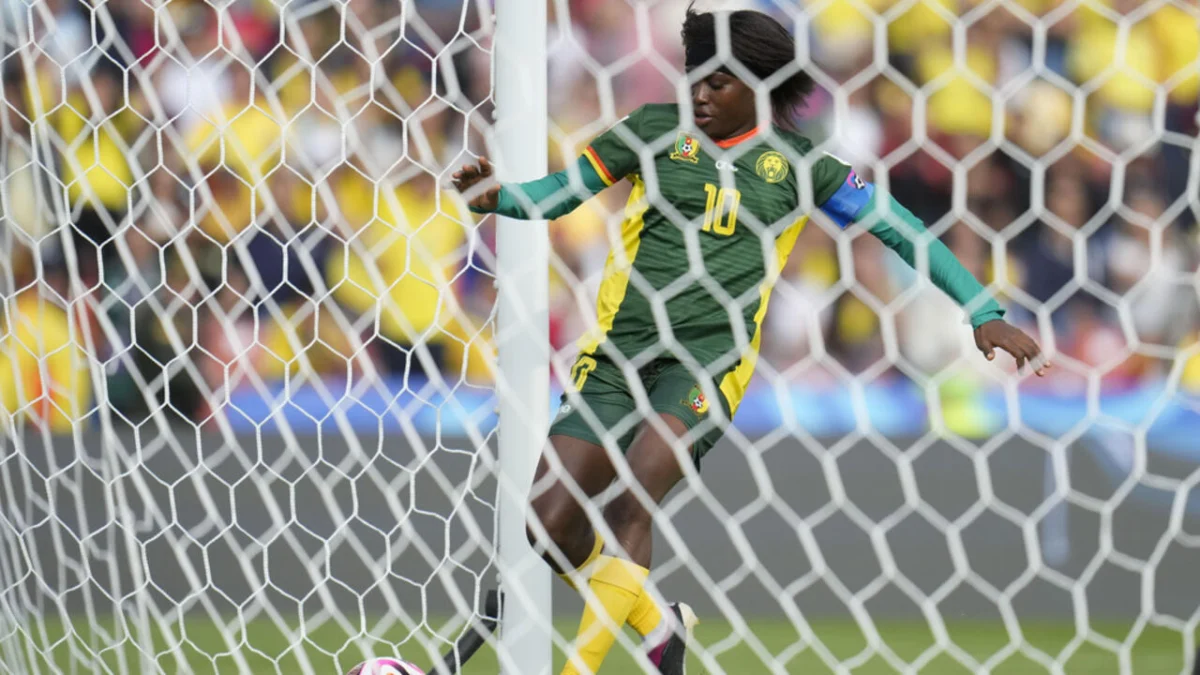
RABAT, Morocco – In a sporting narrative that feels plucked from the pages of a classic underdog fable, the Indomitable Lionesses of Cameroon have finally ascended the throne of African women’s football. On a sun-drenched Sunday in Rabat, Cameroon defeated tournament surprise package Malawi 3-0, securing their maiden Women’s Africa Cup of Nations (WAFCON) title in a commanding display that washed away decades of heartbreak.
For Cameroon, the victory represents more than just a trophy; it is a profound act of redemption. Having suffered the agony of finishing as runners-up on three separate occasions—falling to continental titans Nigeria in 2004, 2014, and 2016—the Indomitable Lionesses have finally broken the glass ceiling that once defined their international existence.
A Second Chance at Destiny
The road to this historic triumph was anything but conventional. In fact, for a significant period during the qualifying cycle, it appeared that Cameroon’s journey would end in the shadows. The team suffered a devastating home-and-away defeat to Algeria during the final qualifying round, a setback that would typically signal the end of a championship dream.
However, the path to the podium was reopened by a structural shift in the tournament’s organization. In an effort to expand the reach and competitiveness of the biennial competition, organizers opted to increase the tournament field from 12 to 16 teams. This decision provided a lifeline to the four highest-ranked losing teams from the qualifiers, with Cameroon leading the group.
This administrative reprieve proved to be the catalyst for a monumental turnaround. From the brink of elimination to the top of the podium, the Lionesses’ trajectory serves as a reminder of the unpredictability and resilience inherent in top-tier sport.
The Final Match: A Masterclass in Rabat
The final at the Prince Moulay Abdellah Stadium was billed as a clash between the established, albeit frustrated, power of Cameroon and the meteoric rise of tournament debutants Malawi. The Malawian "Scorchers," ranked 153rd in the world, had captured the imagination of the global footballing community, dispatching giants like Nigeria, Egypt, Ghana, and Algeria to reach their maiden final.
The First Half: Clinical Precision
Malawi began the match with characteristic intensity. Fueled by the lethal partnership of the Chawinga sisters—captain Tabitha and her sibling Temwa, who together had accounted for nine of Malawi’s goals during the tournament—the underdogs looked dangerous in the opening exchanges. Their pace and physical presence threatened to unsettle the Cameroonian defense.
Yet, the clinical edge required to overcome a seasoned side like Cameroon proved elusive. As the intensity of the opening twenty minutes settled, Cameroon began to assert their physical and tactical dominance.
The breakthrough arrived in the 20th minute. A well-delivered cross into the Malawian box forced goalkeeper Mercy Sikelo into a desperate intervention, punching the ball into the path of the crossbar. Marie Ngah, displaying the predatory instincts of a world-class striker, was perfectly positioned to nod the rebound into the back of the net.
With the momentum firmly in their favor, the Lionesses doubled their advantage just nine minutes later. Naomi Eto, playing with her back to the goal, executed a brilliant swivel to create space before firing a precise strike into the corner of the net. The confidence of the Malawian side, which had been so palpable in the group stages, began to wane as the reality of the task at hand grew more daunting.
The final blow to Malawi’s aspirations came in the third minute of first-half stoppage time. A cross from Eto found Ngah, who once again utilized her aerial prowess to head home her second goal of the match and her fourth of the tournament. At 3-0, the match was effectively decided before the teams headed to the locker rooms.

The Second Half: Managing the Lead
The second period was a testament to Cameroon’s defensive maturity. While Ngah had an opportunity to complete a hat-trick early in the half—taking the ball past Sikelo only to fire narrowly wide—the focus shifted toward preserving the lead.
Malawi fought valiantly to find a way back into the game, with Temwa Chawinga coming close with a low-driven effort following a scramble in the penalty area. However, the Cameroonian backline, led by their tactical discipline, absorbed the pressure, neutralizing the threat of the Chawinga sisters and ensuring a clean sheet on the most important day in the country’s women’s football history.
High-Stakes Presence: Official Responses and Political Backdrop
The significance of the final was underscored by the presence of global football’s highest-ranking officials. FIFA President Gianni Infantino watched the match from the VIP tribune, flanked by Confederation of African Football (CAF) President Patrice Motsepe and First Vice-President Fouzi Lekjaa.
The optics of the meeting were as much about politics as they were about sport. Infantino, currently navigating a period of intense scrutiny and criticism regarding his proposed—and subsequently abandoned—plans to sell stakes in the World Cup to private investors, sought the visible support of the CAF leadership. By standing alongside Motsepe and Lekjaa in the heart of North Africa, Infantino aimed to project an image of stability and unity within the broader football family, despite the "embattled" nature of his presidency back in Zurich.
For the CAF leadership, the event was a platform to showcase the growth of the women’s game in Africa. Morocco’s hosting of the tournament for the third consecutive time signaled a long-term commitment to infrastructure and development, providing a world-class stage that allowed the technical quality of players like the Chawinga sisters and Marie Ngah to shine.
Implications for the Future
The ripple effects of this tournament extend far beyond the trophy presentation in Rabat. By reaching the semi-finals, four nations—Cameroon, Malawi, Algeria, and Morocco—have officially secured their places at the 2027 FIFA Women’s World Cup in Brazil.
This qualification represents a massive leap forward for African representation on the global stage. Furthermore, the door remains open for even greater participation. With South Africa and Ghana currently slated for inter-continental play-offs, the number of African nations competing in Brazil could swell to six, a significant increase that reflects the rising standards of the continental game.
Data Summary: The Road to 2027
- Champions: Cameroon (Maiden Title)
- Runners-up: Malawi (First final appearance)
- Third Place: Algeria
- World Cup Qualifiers (Confirmed): Cameroon, Malawi, Algeria, Morocco.
- Potential Qualifiers (Play-offs): South Africa, Ghana.
A Legacy of Growth
The 2026 WAFCON will be remembered for the rise of Malawi as a genuine force, the tactical evolution of the Cameroonian side, and the enduring questions surrounding the governance of global football.
For the people of Cameroon, the victory is the culmination of a twenty-year quest for respect and silverware. From the heartbreaks of 2004 to the triumph in 2026, the Indomitable Lionesses have proven that they are not merely participants in the African game, but its rightful leaders.
As the players lifted the trophy, the images transmitted across the continent served as a beacon for young girls across Africa—a visual confirmation that through resilience, tactical discipline, and a little bit of luck, even the most elusive dreams can be realized on the grandest stage of all. The coronation is complete, and the queens of Africa have finally claimed their crown.