In an era dominated by seamless dual-clutch transmissions, electric vehicle torque curves, and autonomous driving aids, the humble manual transmission has long been declared a "dying breed." For years, automotive enthusiasts have watched with bated breath as manufacturers systematically pruned three-pedal options from their lineups in favor of efficiency and lightning-fast lap times. Yet, as the industry moves toward electrification, a surprising counter-movement has emerged. The manual gearbox is not just surviving; in the upper echelons of the automotive world, it is staging a remarkable, high-performance comeback.
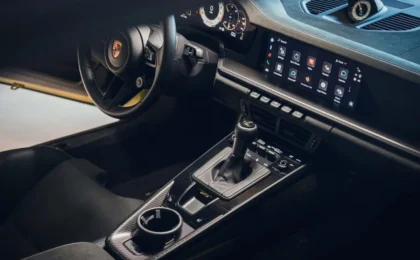
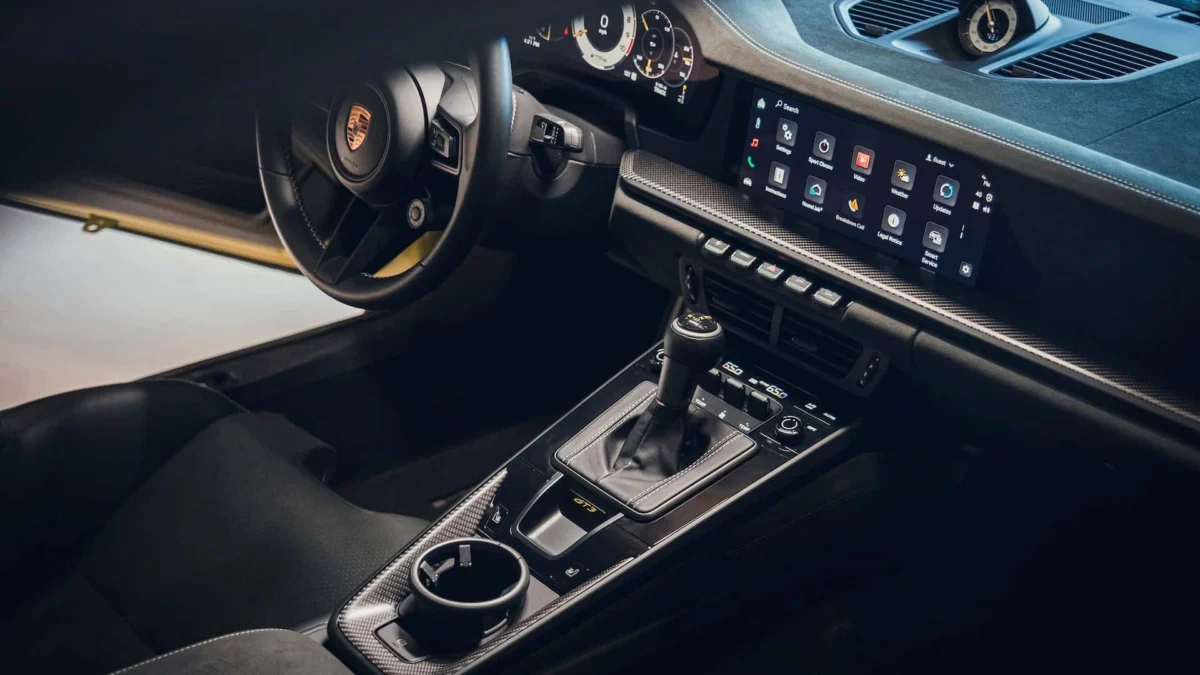
Leading this charge is Porsche, an automaker that understands the delicate balance between cutting-edge technology and the visceral, mechanical connection that defines a true sports car. Following intense pressure from dealers and a vocal base of enthusiasts, the Stuttgart-based manufacturer has officially confirmed the introduction of a manual transmission option for the Carrera S. This decision marks a pivotal moment in the industry, signaling that for the most discerning drivers, the "analog" experience is not a relic of the past—it is a premium commodity.
The Business Case for the Third Pedal
The narrative that "no one buys manuals anymore" has been the standard industry line for nearly a decade. However, the data suggests a different story. Timo Resch, the President and CEO of Porsche Cars North America, recently shed light on the internal decision-making process during an interview at Monterey Car Week.
According to Resch, the decision to reintroduce the manual transmission to the Carrera S was not merely a sentimental nod to the past; it was a calculated, data-driven business move. Porsche’s leadership began noticing a consistent upward trend in demand coming from three distinct channels: online enthusiast communities, direct customer feedback, and—perhaps most importantly—the dealer network.
"We have customer demand for it," Resch stated. "And the customer demand that we anticipated and actually saw in existing models in the United States made it kind of a good business decision to offer this model."
The catalyst for this shift was the overwhelming success of the 911 GT3. By observing the purchasing behavior of buyers in that specific segment, Porsche engineers found a clear roadmap. In the case of the GT3 Touring, for instance, a staggering 80 percent of customers opt for the manual transmission over the PDK (Porsche Doppelkupplung) automatic. This statistic served as the "smoking gun" that proved the appetite for manual engagement remains robust, provided the car offers the performance pedigree that Porsche buyers demand.
A Chronology of the Manual’s "Near-Death" Experience
To understand the gravity of this announcement, one must look at the timeline of the manual’s decline. Throughout the late 2010s, manufacturers shifted their focus toward "zero-to-sixty" times, which are objectively faster with modern automated gearboxes.
- 2015–2018: The "Optimization Era." Major manufacturers, including Porsche, began phasing out manual options in favor of dual-clutch systems. The argument was twofold: performance and fuel efficiency.
- 2019–2021: The Enthusiast Backlash. As cars became more computerized, the demand for "tactile" driving increased. Secondary market values for manual-equipped sports cars began to skyrocket, highlighting a supply-demand imbalance.
- 2022–2023: The "GT3 Effect." Porsche’s continued support of the manual in the 911 GT3 and GT3 Touring models created a halo effect, proving that a manual transmission is a viable option even for track-focused vehicles.
- 2024: The Monterey Pivot. Major luxury brands, including McLaren and Hennessey, joined Porsche in highlighting manual-transmission projects at Monterey Car Week, marking a collective recognition that the market is changing.
Analog Engineering in a Digital World: The Wider Landscape
Porsche is far from the only automaker betting on the stick shift this year. The 2024 Monterey Car Week served as a launchpad for several manufacturers who are doubling down on the mechanical driving experience.
McLaren’s Return to Roots
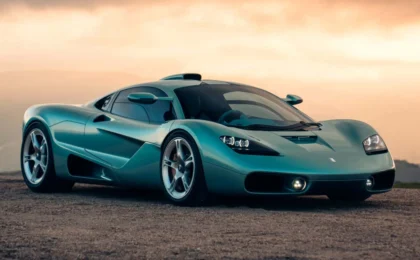
Perhaps the most shocking revelation came from McLaren. Known for their hyper-efficient, computer-controlled supercars, the brand unveiled the MCL 6GT concept. Inspired by the original M6GT—the personal project of Bruce McLaren himself—the 6GT is a love letter to the era of pure, mechanical engineering. Unlike some competitors that offer a "manual-feel" mode through software, the 6GT is slated to feature a true, physical manual gearbox paired with hydraulic steering. It is a direct challenge to the industry trend, promising a level of steering feedback and driver engagement that has been largely engineered out of modern supercars.
Hennessey’s "Blackbird"
Joining the fray is Hennessey Performance, which announced its upcoming "Blackbird" supercar. While it doesn’t aim to be the most powerful vehicle in the Hennessey stable (which already includes the blistering Venom F5), the Blackbird is designed with a singular focus: weight-to-power ratio and driver involvement. With a naturally aspirated V8 projected to produce between 800 and 850 horsepower, and a target curb weight of under 3,000 pounds, the Blackbird is an outlier in an era of heavy, battery-laden supercars. By pairing this powertrain with a manual transmission, Hennessey is betting that there is a significant, wealthy demographic that values the "2.5-second, 0-60 mph" experience more when they have to shift the gears themselves.
The Implications: Why Money Talks
The most significant takeaway from this shift is the "Motor1 Take": Enthusiast passion is only as strong as the checkbook backing it. For years, the internet has been flooded with comments demanding that automakers "save the manuals." However, the industry only listens when those demands manifest as purchase orders.
The implications for the automotive market are twofold:
- Segmentation of the Market: We are moving toward a future where "transportation" is increasingly automated and electrified, while "driving" is reserved for high-end, premium vehicles that offer a manual experience as a luxury feature. The manual transmission is no longer the budget-friendly base model option; it is becoming a bespoke, high-cost performance upgrade.
- The Rise of the "Analog" Premium: Manufacturers are learning that they can command higher prices for vehicles that offer a more visceral, "analog" experience. By catering to the purist, Porsche and McLaren are ensuring that their vehicles retain higher resale values and command deeper brand loyalty.
The Future of the Gearbox
Is the manual transmission saved? Not entirely. We are unlikely to see a resurgence of the stick shift in mass-market economy cars, where cost and fuel efficiency are the primary drivers of R&D. However, in the high-performance and luxury segments, the manual is undergoing a transformation. It is being repositioned not as an outdated piece of technology, but as an essential component of the "driving experience."
As we look toward the future, the success of the Carrera S manual package will be a bellwether for the rest of the industry. If the sales figures match the enthusiasm, we may see other manufacturers—perhaps even those currently deep in the development of all-electric platforms—finding ways to integrate simulated or mechanical "driver-engagement" features into their high-performance offerings.
For now, the message is clear: if you want the industry to keep building the cars you love, you have to buy them. Porsche has shown that they are listening, but it is the customers who ultimately decide the direction of the automotive world. The stick shift lives to fight another day, and for the enthusiasts who cherish the art of the heel-and-toe downshift, that is the best news to come out of the industry in a long time.