Finding the perfect home and shaking hands on a sale price is often the most exhilarating phase of the home-buying journey. However, seasoned real estate professionals will be the first to tell you: do not break out the moving boxes just yet. Between the initial offer and the final exchange of keys lies one of the most critical, often misunderstood, and potentially volatile milestones in the real estate transaction: the home appraisal.
For most buyers, the appraisal is the final hurdle standing between them and the closing table. Understanding what this process entails, how an appraiser arrives at a valuation, and what options you have if the numbers don’t align is essential for both buyers and sellers in today’s complex housing market.
The Foundation: What is a Home Appraisal?
At its core, a home appraisal is an objective, professional assessment of a property’s fair market value. Unlike a home inspection—which focuses on the mechanical integrity and safety of the structure—the appraisal is designed to protect the lender. Because the home serves as collateral for your mortgage, the lender requires an unbiased verification that the property is actually worth the amount they are lending you.
If you are paying with cash, you might choose to skip an appraisal; however, for the vast majority of buyers financing their purchase, the appraisal is non-negotiable. The appraiser acts as an independent third party, ensuring that the agreed-upon sale price is supported by current market data. If the appraisal comes in at or above the sale price, the transaction proceeds smoothly. If it falls short, it creates a "gap" that requires negotiation.
The Anatomy of an Inspection: What Appraisers Look For
When an appraiser steps onto a property, they are not there to judge your taste in wallpaper or the quality of your houseplants. Their scope of work is specific, methodical, and governed by professional standards.
The Interior Evaluation
Inside the home, the appraiser is looking for structural health and functional utility. They will note any health or safety code violations, such as exposed wiring, lack of smoke detectors, or signs of environmental hazards like mold. They are also on the lookout for signs of "deferred maintenance"—problems that should have been addressed but were ignored. This includes water stains on ceilings, cracked tiles, or plumbing issues.
Crucially, the appraiser evaluates the "datedness" of the interior. While cosmetic choices like wall color are ignored, outdated major systems—such as HVAC units, outdated kitchen appliances, or lack of insulation—are factored into the valuation. They will also verify the square footage of the home, which is why they often peek into closets, attics, and utility rooms. While your home doesn’t need to be staged for a magazine, a clean, decluttered space allows the appraiser to move efficiently and accurately assess the property’s condition.
The Exterior Assessment
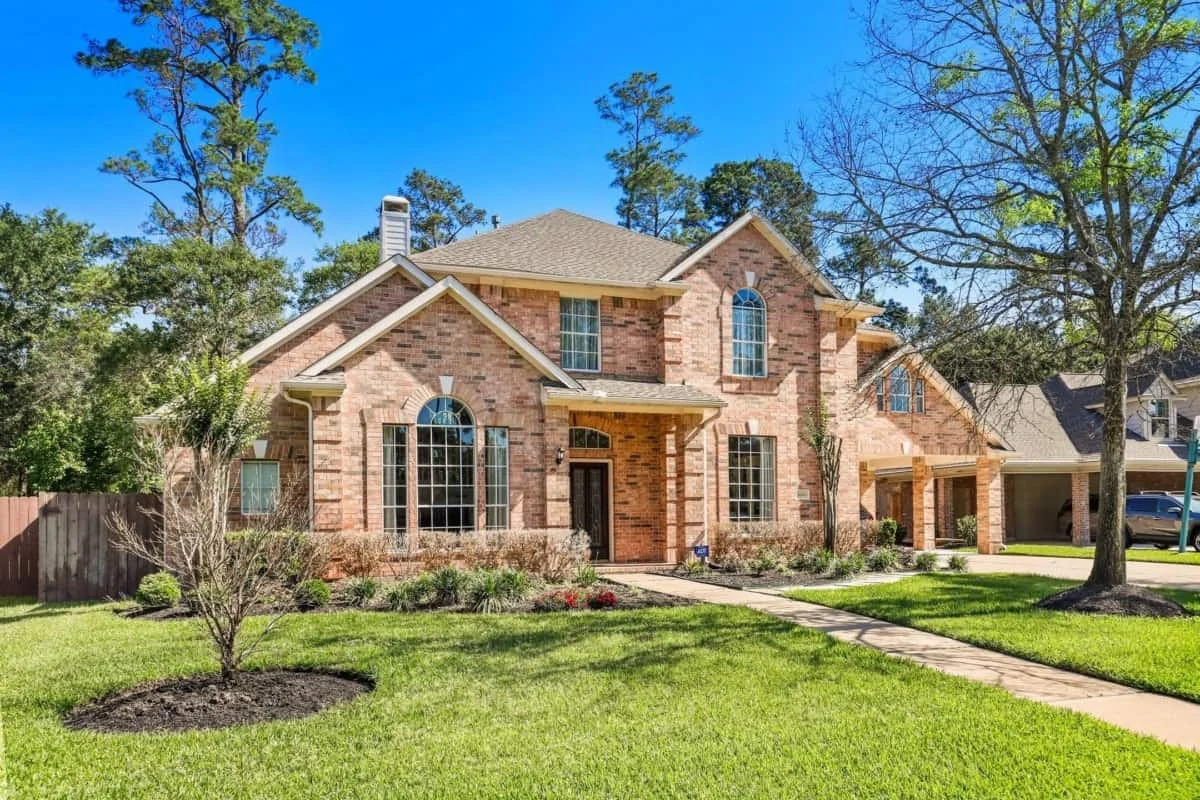
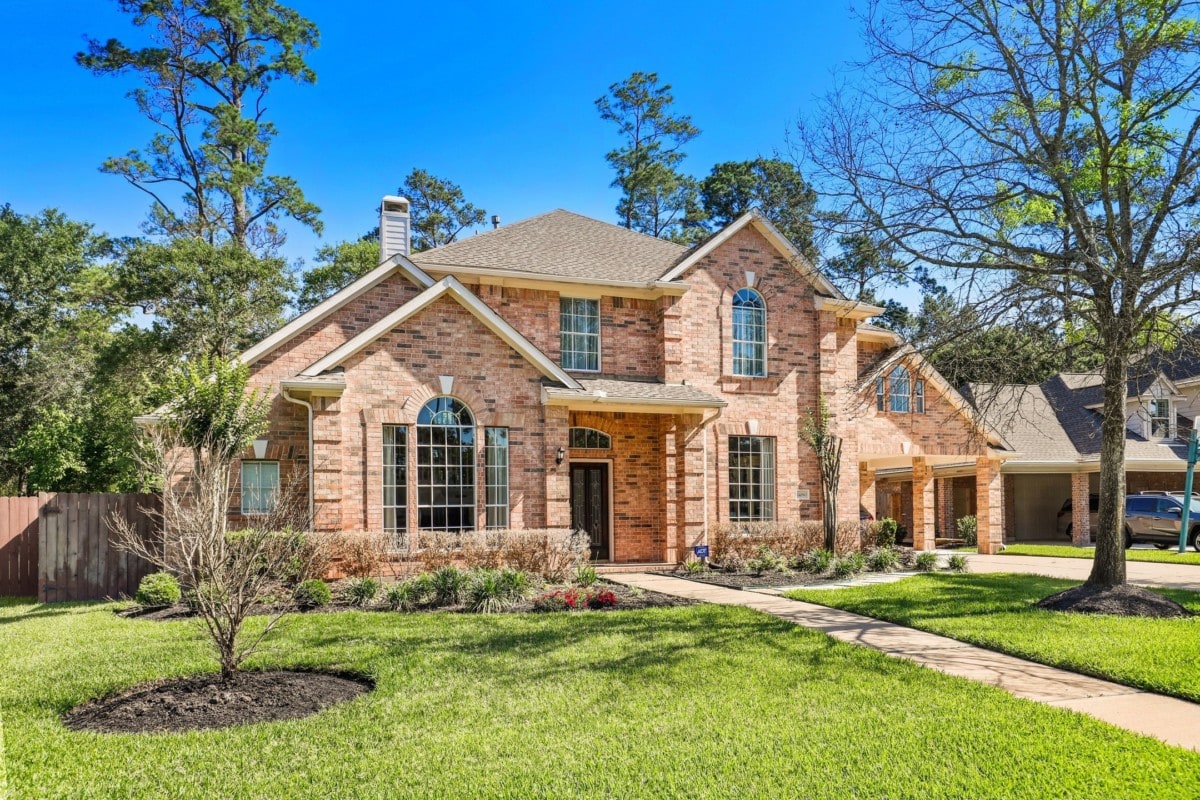
On the outside, the appraiser’s focus shifts to the "bones" of the house. They will meticulously examine the roof for missing shingles or signs of wear, as a compromised roof is a primary indicator of potential interior water damage. The foundation is also under the microscope; the appraiser looks for horizontal or vertical cracks that could indicate structural instability.
Beyond the structure, the appraiser considers the exterior amenities: the condition of decks, patios, garages, and the overall landscaping. The location of the property and the size of the lot are also significant variables that influence the final valuation.
The Science of Valuation: How Comps Determine Value
Once the physical inspection is complete, the appraiser moves to the most data-heavy part of the process: selecting "comparables," or "comps." This is where the art of appraising meets the science of data analysis.

A common misconception is that any home sold within a one-mile radius is a perfect comparable. As Carlos Fong, a certified residential appraiser and owner of Expert Valuation Services, notes: "Appraisers look at several factors when selecting comparables, including the market area, date of sale, lot size, age, living area, bedroom and bathroom count, condition, parking, amenities, and overall similarity to the subject property."
The appraiser typically seeks out homes that have sold within the last six months. If a home is nearly identical in size, age, and location but sold for less, the appraiser must reconcile that difference. If the subject property has an extra bathroom or a modern kitchen renovation compared to the comps, the appraiser will apply a dollar-value adjustment to account for those superior features. This adjustment process allows the appraiser to synthesize diverse market data into a single, defensible number.
The Economic Reality: Price, Value, and Cost
One of the most important distinctions for buyers and sellers to grasp is that price, value, and cost are not interchangeable. Andrew Bernstein, president of Macro Realty Advisors, highlights this disconnect: "Most non-real estate professionals don’t realize that price, value, and cost are three different numbers that may not always be the same. Just because your house costs $500,000 to build does not always mean that’s the value of the house."
In a volatile market, the "cost" to build a home may skyrocket due to labor and material shortages, but the "value" is ultimately dictated by what the market is willing to pay. This is why appraisers rely on historical sales data rather than current replacement costs.
When Things Go Wrong: Navigating a Low Appraisal
What happens if the appraisal comes in $20,000 below the sale price? This scenario is the primary stress point of many real estate transactions. According to broker Sir Ashley Harrison, this usually stems from three factors: the market is moving faster than the data can capture, the property was subject to an aggressive bidding war, or the seller included square footage that the appraiser deemed non-compliant.

If you find yourself in this situation, you have several levers to pull:
- The Appraisal Contingency: If you included an appraisal contingency in your contract, you have the legal right to walk away and reclaim your earnest money. This is the ultimate safety net for the buyer.
- Renegotiation: It is common for the buyer and seller to "split the difference." The seller may lower the price, the buyer may pay the difference in cash, or they may meet somewhere in the middle.
- Contesting the Appraisal: If you believe the appraiser missed a vital piece of data—such as a recent, highly relevant comparable sale—your real estate agent can file a "reconsideration of value." This is a formal request for the appraiser to review their findings based on new or corrected information.
- Appealing to the Lender: In some cases, you may be able to request a second appraisal, though this is rare and usually requires significant evidence that the first appraiser made a material error.
Preparing for the Future: Tips for Sellers
While the appraiser is an objective party, homeowners can ensure the process is as accurate as possible by being prepared. Before the appointment:
- Compile a list of upgrades: Provide a written list of improvements you have made, including dates and costs (e.g., roof replacement, HVAC upgrades, window replacements).
- Ensure access: Make sure the appraiser can access all areas of the home, including the attic, crawl space, and all outbuildings.
- Clear the clutter: While decor isn’t graded, clear paths and tidy rooms allow the appraiser to perform their job without distraction.
- Highlight the neighborhood: If there are specific community features like parks, school ratings, or proximity to transit that add value, don’t be afraid to share that information with your agent, who can pass it along to the appraiser.
Conclusion
The home appraisal is a vital checkpoint that keeps the real estate market grounded in reality. By providing an independent, fact-based valuation, it prevents inflated prices and ensures that both lenders and buyers are protected from overextending themselves.
While the prospect of a low appraisal can feel daunting, it is rarely the end of the road. By working closely with your real estate agent, maintaining open communication with the seller, and understanding the data behind the valuation, you can successfully navigate the process. Whether you are buying or selling, remember that the appraisal is just one step in a much larger journey toward closing—and with the right preparation, it’s a step you can take with confidence.