By [Your Name/Journalist Alias]
August 16, 2026
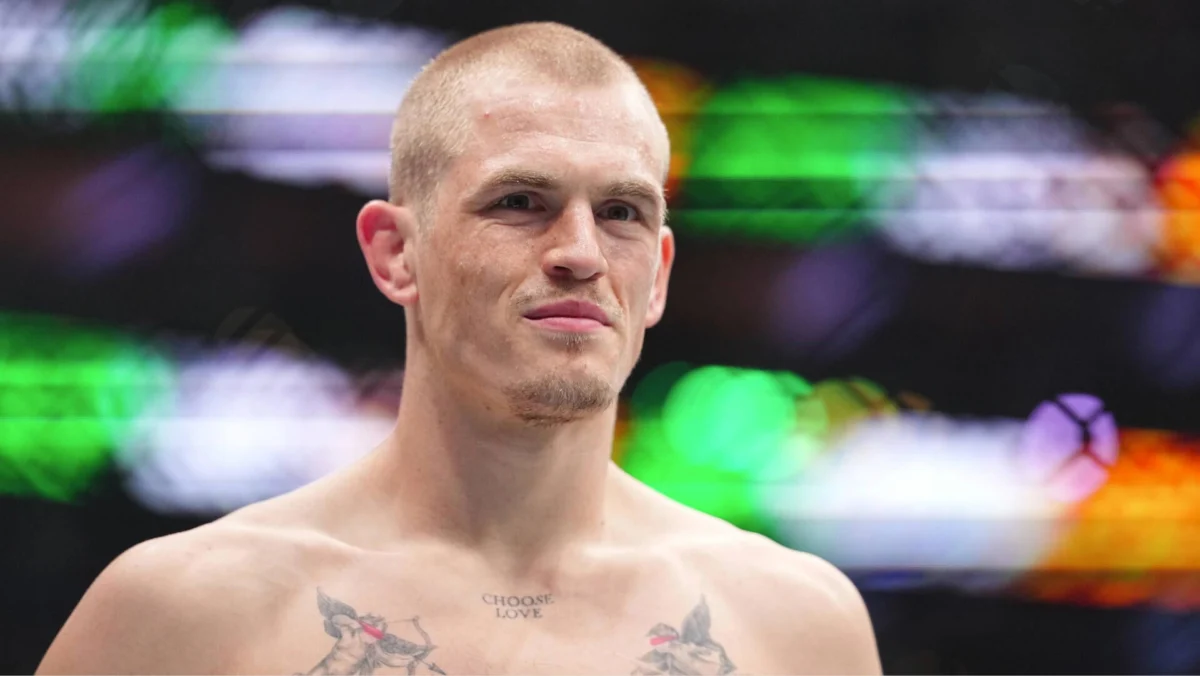
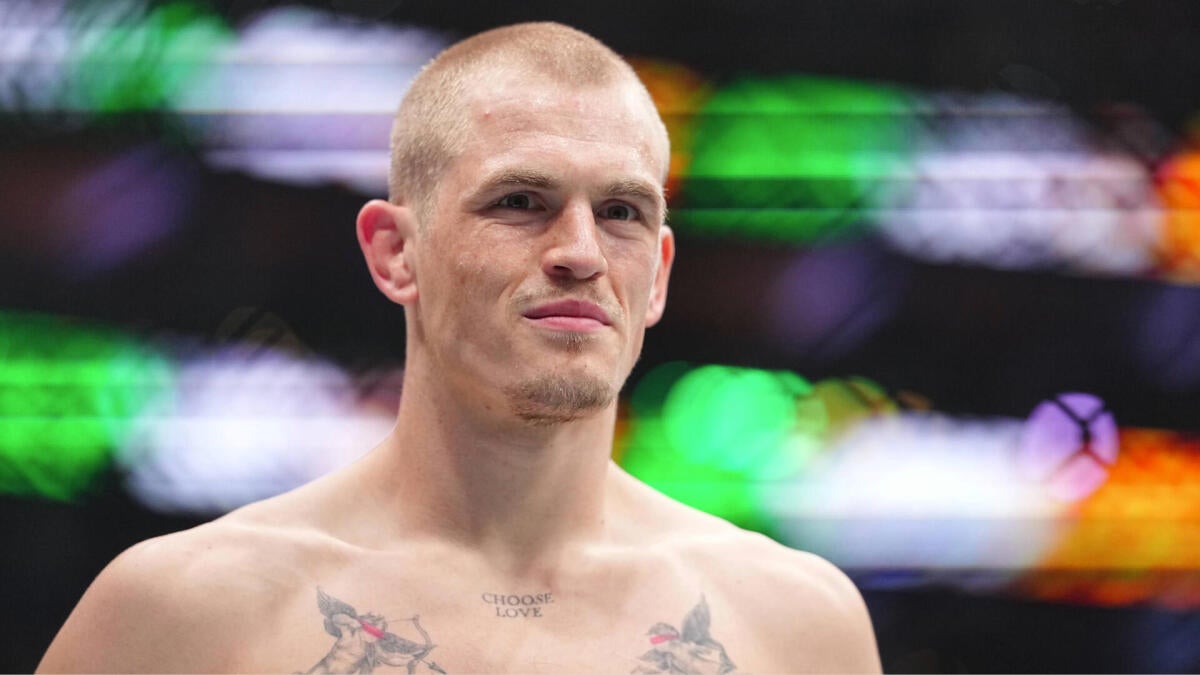
The atmosphere inside the arena at UFC 330 was electric, charged with the anticipation of a legacy-defining clash between the reigning pound-for-pound king Islam Makhachev and the rising Irish sensation Ian Machado Garry. While the bout delivered on its promise of high-level technical warfare, the post-fight narrative has shifted away from the tactical brilliance of the combatants and toward a heated critique of mindset.
UFC CEO Dana White, known for his penchant for "killer instinct," did not mince words following the event. While acknowledging the undeniable talent of Ian Machado Garry, White leveled a stinging critique against the challenger, suggesting that a lack of competitive ruthlessness—specifically a mid-fight show of sportsmanship—ultimately cost Garry his chance at the throne.
The Main Facts: A Missed Opportunity at Glory
The headlining bout of UFC 330 was widely viewed as a "pick ’em" fight. Through four rounds, the contest was a masterclass in mixed martial arts, with Garry showcasing elite striking defense and Makhachev demonstrating his world-class grappling prowess. According to independent scoring outlets like MMA Decisions, the fight was deadlocked heading into the fifth and final round.
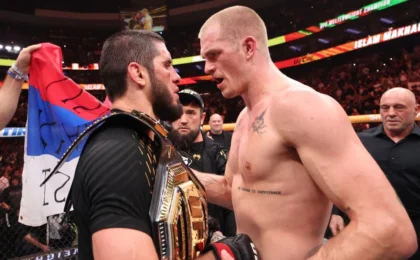
The crux of the controversy arose just as the final bell was set to sound for the last five minutes of the fight. Rather than coming out with the desperate intensity required to secure a championship victory, Garry and Makhachev shared a moment of mutual respect, embracing before re-engaging. To Dana White, this gesture was not a sign of professionalism, but a fatal tactical and psychological error.
"I think Ian is a talented guy," White told reporters during the post-fight press conference. "If he had even an ounce of killer instinct, in that fifth round, you don’t come out and hug and shake hands. That [expletive] drives me crazy."
Chronological Breakdown: How the Fight Unfolded
To understand the frustration expressed by the UFC brass, one must look at the trajectory of the 25-minute contest:
- Rounds 1-2 (The Tactical Standoff): Both fighters maintained a disciplined pace. Garry managed to keep the fight standing, utilizing his reach to land stinging combinations, while Makhachev looked for the clinch, attempting to drag the fight to the canvas.
- Rounds 3-4 (The Momentum Shift): Makhachev began to find more success with his takedown entries. While Garry displayed improved defensive grappling, the cumulative toll of the clinch work began to mount. By the end of the fourth, the fight was razor-thin on the judges’ scorecards.
- Round 5 (The Defining Moment): As the final round commenced, the fighters touched gloves and briefly embraced. Following this, Makhachev immediately pivoted to his grappling, finally succeeding in taking Garry’s back. He maintained top control for the remainder of the round, effectively neutralizing Garry’s offense and securing the decision victory.
White’s contention is that the moment of camaraderie at the start of the fifth signaled a loss of urgency. In the eyes of the UFC CEO, the fifth round of a title fight is a "kill or be killed" environment where pleasantries have no place.
Supporting Data: The Stakes and the History
The implications of the result were monumental. With this victory, Islam Makhachev officially surpassed the legendary Anderson Silva for the longest undefeated streak in UFC history. The victory solidified his status as one of the greatest fighters to ever grace the Octagon.
However, the statistical reality for Garry is sobering. While many fans and pundits had the fight tied at two rounds apiece going into the final frame, the official judges’ scorecards were less forgiving. Two of the three judges had already awarded three rounds to Makhachev, meaning that for Garry, winning the final round was not enough; he needed a finish to secure the belt.
White’s frustration is rooted in the strategic necessity of that final round. "You come out in that fifth round with a flying knee and try to finish the fight," White insisted. "I think this is one of those fights where Ian will go back and watch and say, ‘I wish I could do that over again.’"
Official Responses and the "Killer Instinct" Doctrine
Dana White has a long, well-documented history of rewarding fighters who possess a "finish-at-all-costs" mentality. For the UFC CEO, the promotion is not merely a sport but a platform for violence and dominance. When fighters display signs of friendship mid-fight, it disrupts the narrative of conflict that drives the sport’s popularity.

"Garry is a classy guy," White conceded. "But class is for the pre-fight build-up and the post-fight celebration. During the fifteen or twenty-five minutes of combat, there is no room for it. That mindset is what separates the contenders from the champions."
Garry, known for his flamboyant personality and high confidence, has not yet issued a formal rebuttal to White’s comments. However, his camp has historically emphasized his technical growth and maturity. The challenge for Garry moving forward will be reconciling his respectful demeanor with the "killer instinct" demanded by the promotion’s leadership.
Implications: What This Means for the Division
The aftermath of UFC 330 leaves the lightweight division in an interesting state of flux.
- For Islam Makhachev: He has effectively cleared the top of the mountain. With the record for the longest undefeated streak in his possession, he enters the twilight of his prime as an untouchable force.
- For Ian Machado Garry: The loss does not diminish his talent, but it serves as a painful lesson in championship-level psychology. If Garry is to reach the pinnacle of the sport, he must now prove that he can balance his technical skill set with the raw aggression required to finish elite opponents when the fight is on the line.
- For the UFC: The organization will likely continue to push for high-stakes, high-intensity matchups. White’s public criticism of Garry serves as a message to the rest of the roster: the UFC expects blood and ambition, not friendship.
The "What-If" Factor
The "what-if" scenario of this fight will be debated for years. Had Garry come out with a flying knee or a high-risk blitz, would he have caught a tiring Makhachev? Or would he have left himself vulnerable to an even quicker takedown?
While we will never know the answer, the sentiment expressed by Dana White is clear: in the high-stakes world of the UFC, the cost of being too nice is often the championship gold itself. As Garry prepares for his next challenge, he will be haunted by the realization that in the championship rounds, the most dangerous thing a fighter can do is treat their opponent like a friend.
For now, the UFC moves on, but the lesson of UFC 330 will likely echo in the corners of every fighter on the roster: keep the class for the press conference, but keep the killer instinct for the cage.