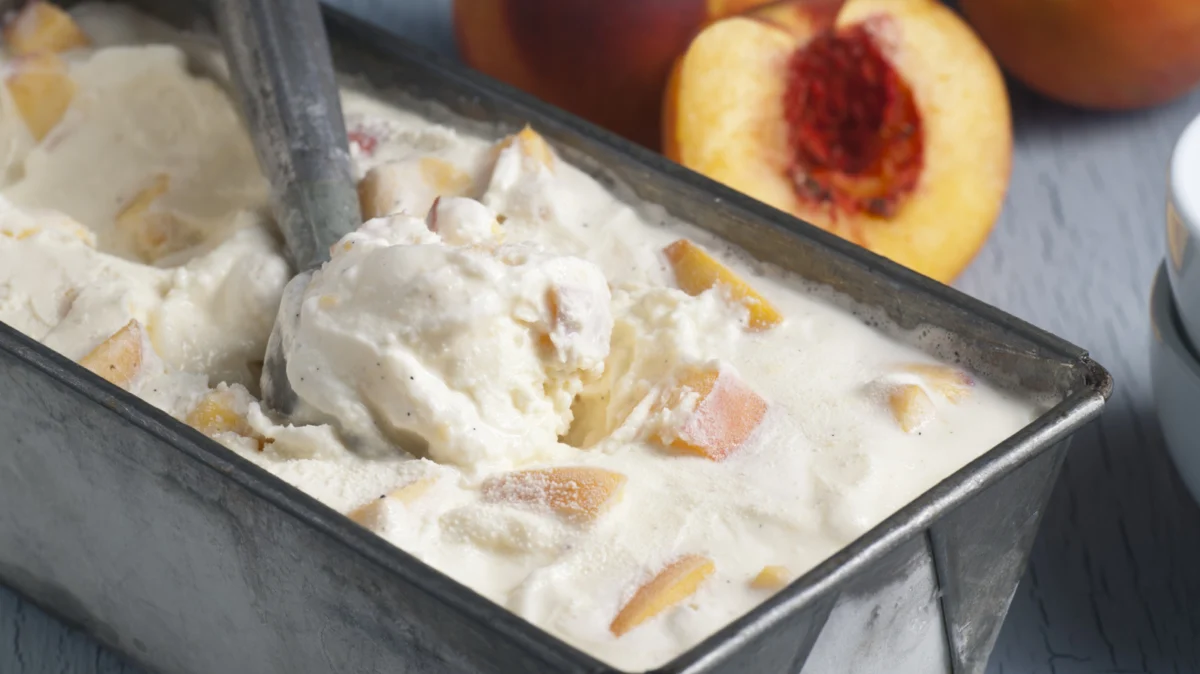
In an era defined by high-speed kitchen gadgets and "smart" appliances that promise the perfect scoop in minutes, there is a quiet, radical movement afoot: the return to simplicity. While modern social media feeds are dominated by the whirring of the Ninja Creami and similar rapid-freeze machines, a growing cohort of culinary enthusiasts is turning their gaze backward—specifically to the year 1924.
That year marked a pivotal moment in American domestic life, seeing the debut of the publication that would become the cornerstone of home life for generations: Better Homes and Gardens. Within its inaugural volume lay a humble, yet profound recipe for "Delicious Peach Ice Cream." This recipe, devoid of electric cooling systems or specialized canisters, serves as a poignant reminder that the finest frozen desserts are not born from high-tech hardware, but from the harmonious marriage of seasonal ingredients and a bit of patience.
Main Facts: The 1924 Blueprint
The 1924 Better Homes and Gardens recipe is a study in Depression-era frugality and common-sense chemistry. Unlike modern recipes that rely on stabilizing agents, gums, or high-powered emulsification machines, this vintage approach relies on basic, whole-food foundations.
The ingredient list is remarkably straightforward:
- The Fruit: A dozen finely crushed peaches (fresh or canned).
- The Base: A quart of fresh milk combined with a pint of canned evaporated milk for richness.
- The Binder: A single beaten egg and 1 ½ cups of sugar.
- The Thickener: Two teaspoons of cornstarch dissolved in water.
These components were historically combined and placed into a two-quart freezer—not the sleek, drawer-style appliances we recognize today, but the iconic hand-crank wooden buckets packed with rock salt and ice. By manually turning the crank, the cook introduced air into the mixture, creating the crystalline structure necessary for a creamy, scoopable final product.
Chronology: The Evolution of the Frozen Treat
The history of ice cream in America is a timeline of technological ambition. In the early 20th century, the process was labor-intensive, often serving as a communal activity for families during hot summer months.
- 1843: Nancy Johnson patents the hand-cranked ice cream freezer, revolutionizing home production by allowing for consistent agitation.
- 1920s: The "Ice Box" era. Home kitchens begin to see the transition from literal blocks of ice in a wooden cabinet to early mechanical refrigeration. It is in this transitionary period that publications like Better Homes and Gardens (then Fruit, Garden and Home) began teaching readers how to utilize their new tools.
- 1950s–1990s: The rise of convenience. The mass production of ice cream becomes the norm, and home-churning becomes a niche hobby.
- 2020s: The "Creami" era. High-speed, high-pressure machines gain popularity, promising to turn frozen blocks of liquid into ice cream in minutes, often at the expense of a steep learning curve and significant counter space.
By revisiting the 1924 method, modern cooks are essentially performing an act of culinary archaeology. We are moving from a "convenience-first" model back to a "process-first" model, where the physical act of preparation is viewed as part of the reward.
Supporting Data: Why "Old School" Wins
Critics of manual ice cream making often cite the "effort-to-reward" ratio. However, the data suggests that manual, no-churn, or traditional methods offer benefits that high-speed machines struggle to replicate.
Texture and Overrun
"Overrun" is the industry term for the amount of air whipped into ice cream. High-speed machines often force air into the mixture in a way that can result in a texture that is either too icy or too aerated. The 1924 method, by utilizing evaporated milk and cornstarch, creates a dense, custard-like base. The evaporated milk, which has had 60% of its water content removed, provides a velvety mouthfeel that mimics the fat content of heavy cream without the need for intense mechanical homogenization.
The Role of Cornstarch
Modern artisanal ice cream recipes have rediscovered what the 1924 editors already knew: cornstarch is a superior stabilizer. In a cooked base, cornstarch prevents the formation of large ice crystals. When the mixture freezes, the starch molecules trap water, ensuring that even without constant churning, the final product remains smooth rather than gritty.
Modernizing the Vintage Approach
You do not need to hunt down an antique wooden bucket to replicate the 1924 experience. In fact, the modern kitchen is arguably better equipped to handle this recipe than the kitchens of the Roaring Twenties.
To modernize the recipe:
- The Base: Utilize a standard stand mixer to combine your heavy cream, sugar, and vanilla.
- The Texture: Instead of the manual hand-crank, use the "no-churn" method. Whip your heavy cream to stiff peaks and gently fold in sweetened condensed milk (a modern evolution of the 1924 sugar-milk combination).
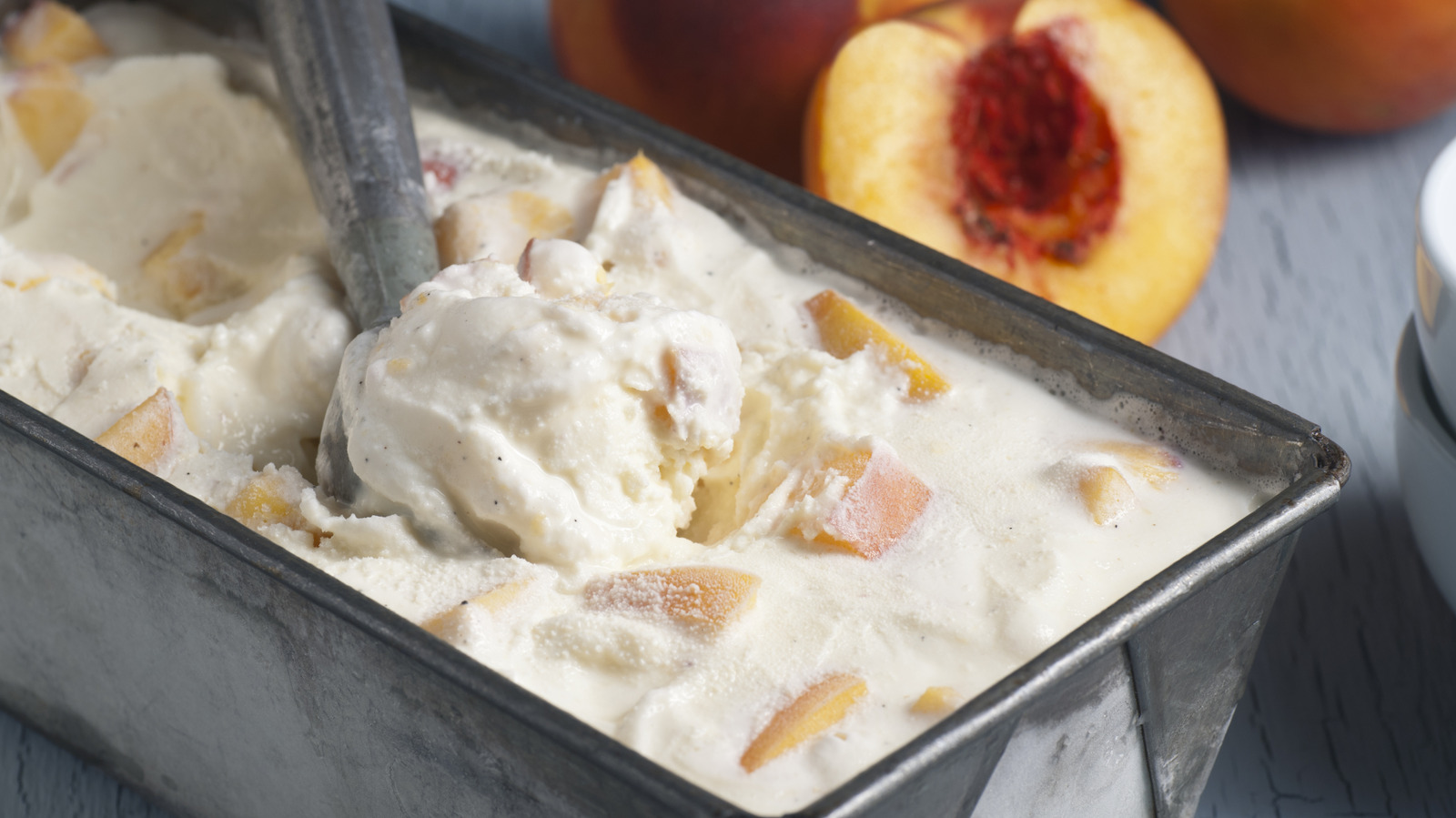
- The Peach Infusion: Roast your fresh peaches with a touch of brown sugar before folding them into the base. This concentrates the natural pectin and sugars in the fruit, preventing the "frozen ice cube" effect that often happens when adding raw fruit to a base.
Implications for the Modern Cook
The decision to skip the Ninja Creami in favor of a vintage-inspired method carries several implications for the home cook.
1. Reclaiming Kitchen Autonomy
There is an implicit "appliance fatigue" occurring in modern households. As specialized gadgets take up more counter space, many home cooks are finding that the most reliable techniques are the ones that require nothing more than a bowl, a whisk, and a freezer. By mastering a simple, manual base, the cook becomes the master of the recipe rather than a slave to the machine’s specific, often proprietary, containers.
2. Seasonal Stewardship
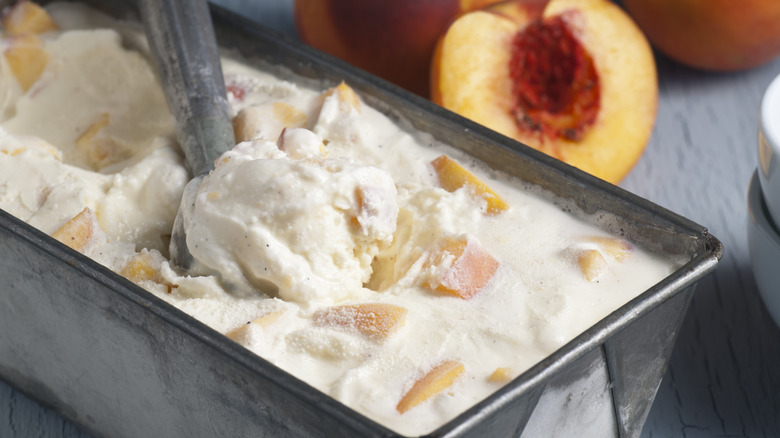
The 1924 approach demands that we respect the season. Peaches are at their peak for a fleeting window in late summer. When you choose to make ice cream from scratch—without the shortcut of a machine that requires a 24-hour "pre-freeze" of its bowl—you are encouraged to engage with the ingredients as they are at their most ripe.
3. Economic and Environmental Impact
Modern rapid-ice cream machines are energy-intensive and often require the purchase of specialized pints. The traditional method relies on standard kitchen storage containers and, essentially, zero extra electricity beyond the cooling your refrigerator is already doing. It is a more sustainable, more economical, and arguably more sustainable way to enjoy a treat.
Conclusion: The Timelessness of Flavor
As we look back at the 1924 Better Homes and Gardens recipe, we aren’t just looking at a list of ingredients; we are looking at a philosophy. The brilliance of that era was in its ability to produce something luxurious from the most basic staples of the pantry.
Whether you are a gadget enthusiast or a kitchen minimalist, there is a lesson to be learned here: the best dessert is one that values the quality of the peach, the richness of the milk, and the patience of the cook. By stepping away from the high-pressure, high-speed trends of the present, we open the door to a more meaningful culinary experience—one that tastes, in every way, like a perfect, sun-drenched summer day from a century ago.
So, this season, put down the instruction manual for the latest kitchen craze. Grab a dozen peaches, a bit of sugar, and a whisk. Reclaim the kitchen, honor the history of the craft, and enjoy the authentic taste of summer, just as they did in 1924.