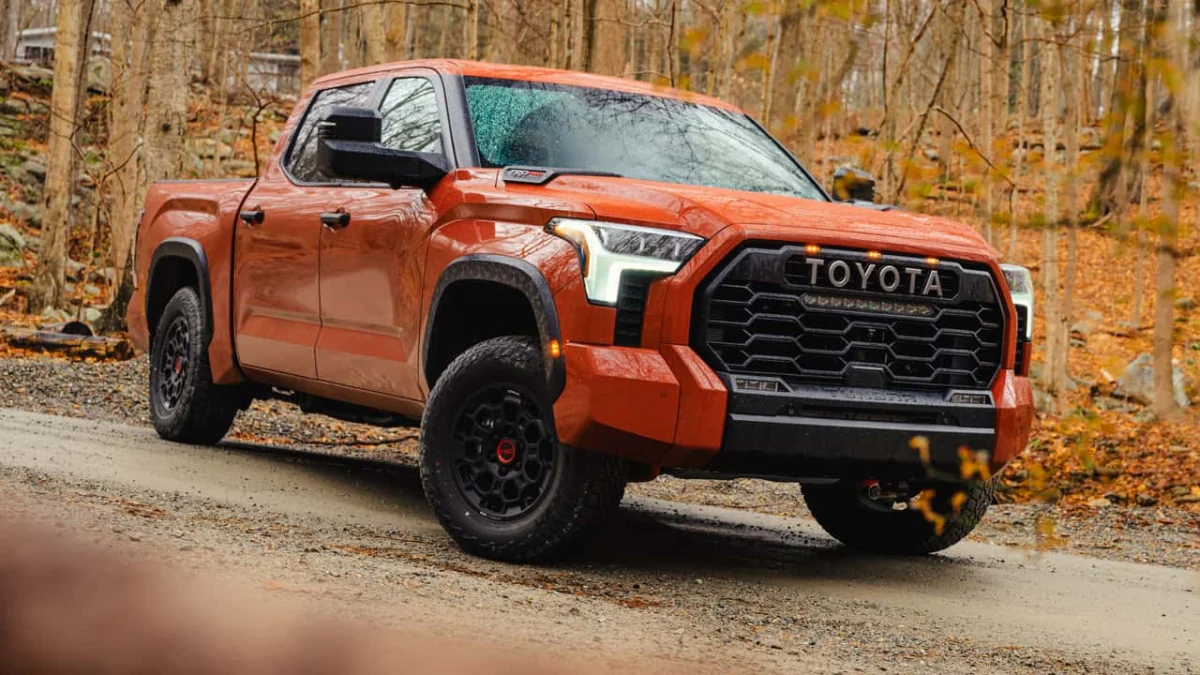
In a curious and somewhat embarrassing twist of global automotive logistics, Japanese car manufacturers Toyota and Nissan have found themselves in an unprecedented position: warning their domestic customers that vehicles imported from their own American factories may not meet the exacting standards associated with the "Made in Japan" label.
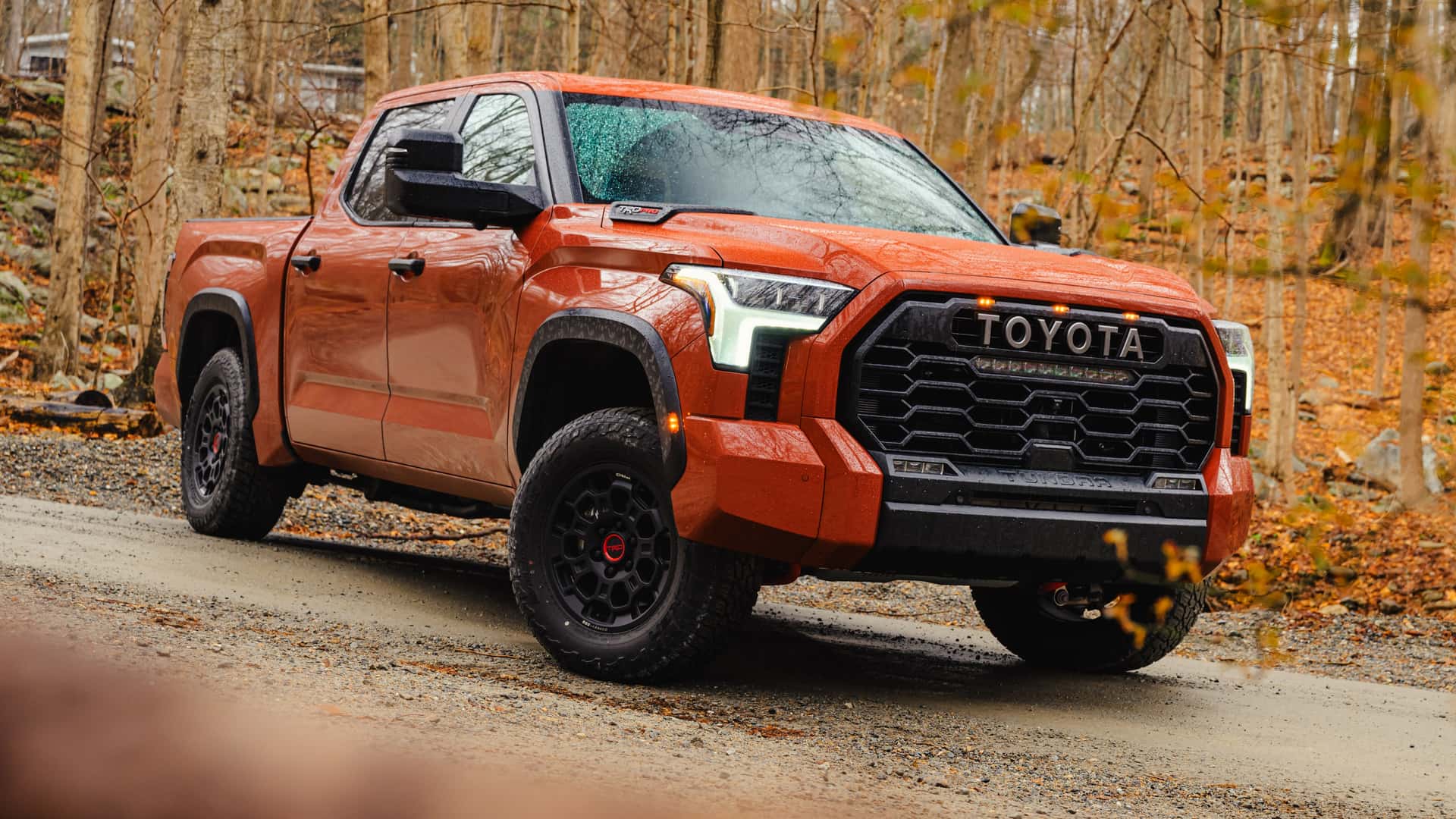
As the Japanese market begins to receive imports of large-scale, US-manufactured vehicles like the Toyota Tundra, Highlander, and the Nissan Murano, the manufacturers have attached explicit disclaimers to these units. These notices serve as a rare public acknowledgment of the divergent manufacturing philosophies and quality control expectations between the two nations. For a culture where "Kaizen"—the philosophy of continuous improvement and perfection—is a cornerstone of industrial success, the arrival of these vehicles represents a fascinating, albeit bumpy, collision of two distinct automotive worlds.
A Shift in Trade: The Genesis of the Imports
The roots of this situation can be traced back to recent shifts in international trade policy. Following a trade agreement signed by the US government, which sought to facilitate a more open exchange of goods between the two nations, the barriers to entry for American-made vehicles into the Japanese market were lowered.
For years, Japanese consumers have been accustomed to a domestic market dominated by vehicles produced within the island nation, characterized by impeccable paint finishes, microscopic panel gaps, and a level of assembly precision that has become the global benchmark. However, as Toyota and Nissan began importing their American-built flagships—vehicles primarily designed for the expansive, truck-and-SUV-hungry North American market—they encountered a potential public relations hurdle. The vehicles were built in environments designed for high-volume output and robust, utility-focused engineering, rather than the boutique-level precision often expected by Japanese buyers.
The Warning Label: A Culture Clash in Print
The notices provided by both automakers are remarkably candid. The warning attached to the Nissan Murano, for instance, serves as a masterclass in corporate transparency. It states (in translation): "This vehicle is manufactured to specifications intended for overseas markets and differs in quality standards applied to vehicles destined for the Japanese domestic market."
Nissan goes on to detail the specific "imperfections" that a discerning Japanese buyer might encounter, such as:
- Paint Integrity: Potential presence of dust particles or minor inconsistencies in the clear coat.
- Assembly Residue: Visible traces of sealant or adhesive, which are often meticulously cleaned or hidden in JDM (Japanese Domestic Market) vehicles.
- Fit and Finish: Slight misalignments in body panels or uneven gaps that fall within North American manufacturing tolerances but exceed the strictly controlled margins of Japanese factories.
Toyota’s documentation for the Tundra and Highlander is equally forthright. Their literature warns customers to be prepared for thin paint applications, variations in color depth, evidence of polishing marks, and even minor dents or surface irregularities.
Both companies emphasize that these discrepancies are purely cosmetic and do not compromise the mechanical integrity, safety, or longevity of the vehicle. Nissan’s note explicitly comforts the buyer, stating, "These differences do not affect the vehicle’s functionality or performance, so you may use it with confidence."
Beyond Aesthetics: The Homologation Hurdle
While the cosmetic concerns represent a clash in manufacturing culture, the functional barriers are perhaps more tangible. The transition from a North American specification to a Japanese one is not merely a matter of moving the steering wheel to the right side; it involves deep-seated software and infrastructure challenges.
Many of the technological features that are standard in the US market have not been fully "homologated" or adapted for the Japanese landscape. For example, the infotainment systems in the imported Murano models are largely restricted to English, Spanish, and French, leaving the Japanese driver without a localized interface. Even more critical are the advanced driver-assistance systems. In the case of the imported Toyotas, features such as traffic sign recognition and localized navigation mapping are fundamentally incompatible with the Japanese road infrastructure. This creates a functional gap where a high-end vehicle loses its "smart" features the moment it arrives in its home country.
Chronology of the Trade Pivot
- Pre-Agreement Era: The Japanese automotive market remains highly protective and localized. Imports of US-made vehicles are rare, limited largely to niche or luxury enthusiast segments.
- The Trade Accord: Under diplomatic pressure to reduce trade imbalances, the Japanese government agrees to ease restrictions, allowing for a broader influx of vehicles produced in American plants.
- The Logistics Rollout: Toyota and Nissan initiate the logistical process of shipping their high-volume North American SUVs and trucks back to their corporate headquarters.
- The Discovery Phase: Upon arrival at Japanese ports, the vehicles are inspected by the manufacturers, who realize that the "North American standard" of quality is fundamentally misaligned with the "Japanese consumer standard."
- The Disclaimer Implementation: Faced with the potential for customer dissatisfaction, the manufacturers opt for a policy of radical honesty, issuing official warnings to prospective buyers to manage expectations before a sale is finalized.
Supporting Data: Why the Difference Exists
To understand why a Toyota Tundra built in San Antonio, Texas, might look different than a Toyota Crown built in Aichi, Japan, one must look at the production environment.
In the United States, assembly plants are often optimized for the sheer scale of the North American market. The Tundra, for instance, is a massive vehicle designed to be a workhorse. The manufacturing process prioritizes structural strength and rapid assembly cycles. In contrast, Japanese manufacturing processes often utilize "Jidoka" (autonomation) and rigorous, human-centric quality inspections at every stage of the line.
Data from consumer reports consistently shows that while US-built vehicles have seen massive improvements in reliability, they often prioritize features and size over the "jewel-like" finish that has defined Japanese manufacturing for decades. The "tolerances"—the allowed margin of error in a part’s size or placement—are simply wider in the US to account for the complexities of high-speed, high-volume production.
Implications for the Future of Global Manufacturing
This situation raises significant questions about the future of globalized automotive production. Can a brand maintain a singular global identity when its manufacturing standards are forced to fluctuate so dramatically based on the destination market?
1. The Erosion of the "Brand Standard"
If Toyota, the global gold standard for quality, is forced to admit that its cars aren’t always "perfect," it may lead to a more nuanced view of brand reliability. It forces the consumer to ask: Does a brand represent the company, or does it represent the specific factory where the car was built?
2. The Limits of Localization
The failure of infotainment systems and traffic sign recognition to cross borders highlights the limitations of "global" car platforms. As vehicles become more like smartphones on wheels, the software becomes the primary friction point. If a car cannot speak the local language or read local road signs, it ceases to be a functional product, regardless of how well it is bolted together.
3. The Psychology of the Consumer
Will the Japanese buyer accept these "flaws" as part of the charm of owning an American-made vehicle? There is a growing subculture in Japan that values the "rough-and-tumble" aesthetic of American trucks. For these buyers, a slightly misaligned panel or a spot of sealant might actually serve as a badge of authenticity—proof that the vehicle was truly imported from the heart of the American automotive industry.
Conclusion: A Lesson in Transparency
The decision by Toyota and Nissan to provide these warnings is, at its core, a strategic masterstroke in risk management. By acknowledging the differences upfront, they protect themselves from future warranty claims based on "cosmetic defects" and build a foundation of trust with the consumer.
While the "embarrassing" nature of these warnings is easy to highlight, the underlying reality is a sign of a maturing global market. We are moving toward a reality where consumers are better informed about the origin of their products and the trade-offs that come with global manufacturing. Whether the Japanese market embraces these rugged, American-spec imports remains to be seen, but one thing is certain: the era of the "universal standard" for automotive quality is being challenged by the reality of local expectations.
As the Tundra and the Murano hit the streets of Tokyo and Osaka, they will serve as rolling test cases for how much global consumers are willing to compromise on perfection in exchange for the unique utility and character of foreign-made machines. It is a bold experiment in trade, and for the Japanese buyer, it is an invitation to decide for themselves: is a car’s soul found in its flawless paint, or in the purpose for which it was built?