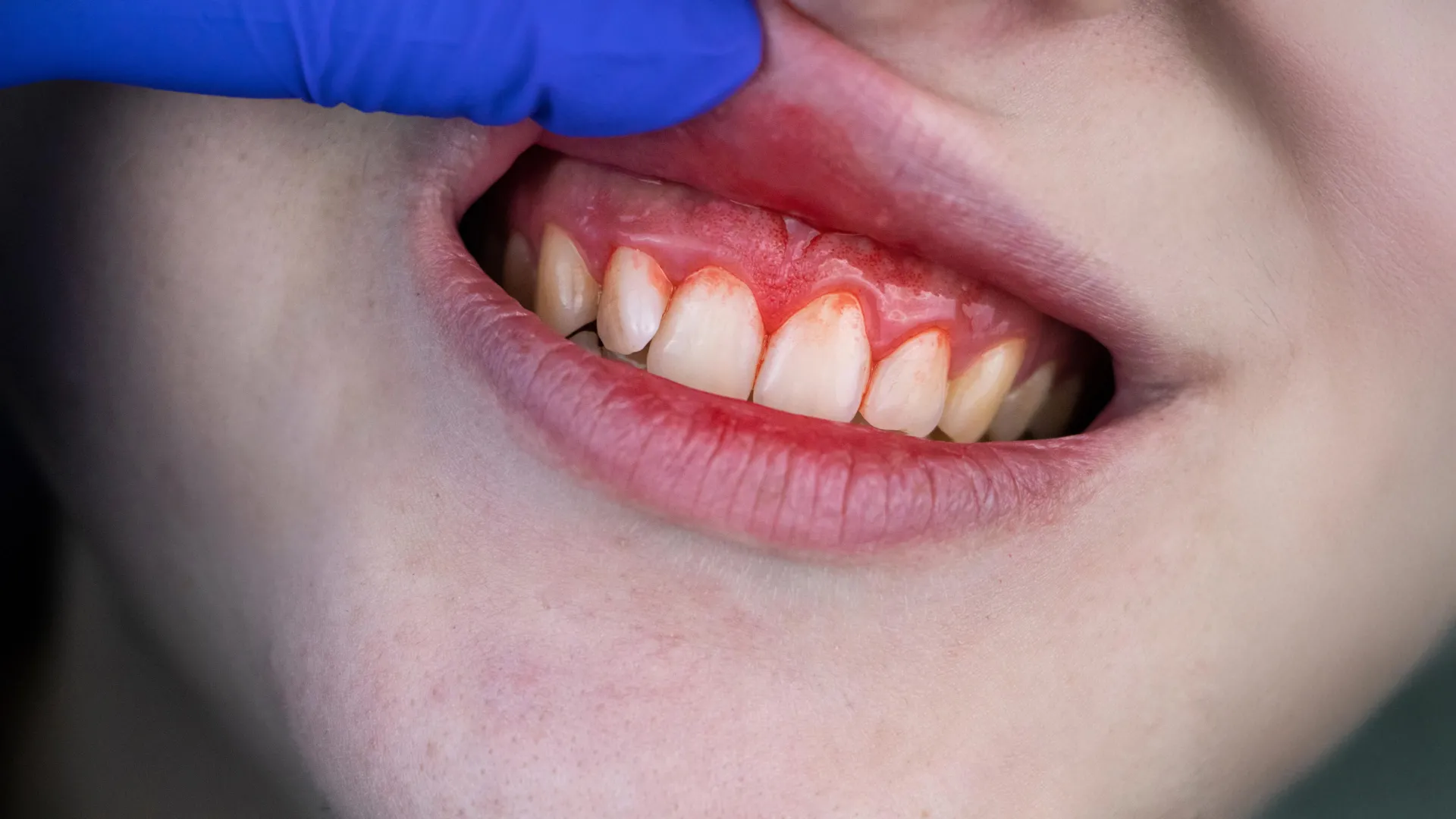
New scientific evidence has emerged, suggesting that the bacteria responsible for chronic gum disease may play a far more sinister role than simply causing tooth decay and gingival inflammation. Preliminary research presented at the American Heart Association’s (AHA) Basic Cardiovascular Sciences Scientific Sessions 2026 suggests a compelling biological link between periodontal disease and calcific aortic valve stenosis (CAVS)—a serious and potentially life-threatening condition that restricts blood flow from the heart to the rest of the body.
The study, which highlights the role of the bacterium Porphyromonas gingivalis (P. gingivalis), offers a potential breakthrough in understanding the development of heart valve disorders. While the research is currently in its preliminary stages, it underscores the critical importance of maintaining oral hygiene as a cornerstone of cardiovascular wellness.
Main Facts: A New Link Between Mouth and Heart
Calcific aortic valve stenosis (CAVS) is a progressive disorder characterized by the thickening and calcification of the aortic valve. As the valve hardens, it loses its ability to open and close efficiently, creating an obstruction that forces the heart to work significantly harder to pump oxygenated blood to the body.
In its early stages, CAVS is often asymptomatic, allowing the condition to progress undetected. However, as the stenosis becomes more severe, patients may experience:
- Debilitating fatigue
- Chest pain (angina)
- Shortness of breath
- Fainting spells (syncope)
- Heart failure
Currently, there are no pharmacological interventions capable of stopping or reversing the progression of CAVS. For patients who reach the stage of severe disease, the gold standard of care is invasive valve replacement surgery.
The research presented in Boston suggests that the chronic inflammation triggered by P. gingivalis—the same pathogen behind periodontal disease—may be a primary driver of this calcification process. By identifying this link, scientists hope to open new pathways for preventive medicine that could eventually spare patients the need for high-risk surgical interventions.
Chronology of the Investigation
The journey to these findings began with the realization that systemic inflammation is a common thread in many cardiovascular diseases.
Phase I: Human Tissue Analysis
The research team, led by Chenyang Li, M.D., a Ph.D. candidate at the State Key Laboratory of Cardiovascular Disease at Fuwai Hospital, Beijing, began by collecting heart valve tissue from patients undergoing valve replacement surgery. By comparing the tissues of patients with CAVS against those with other heart valve pathologies, the researchers sought to identify microbial signatures unique to the calcified valves.
The results were striking. P. gingivalis was found in significant concentrations within the calcified tissues. "We were surprised by how much P. gingivalis was present in the calcified aortic valves," Dr. Li stated. The bacterium was not merely an incidental occupant; it displayed one of the most significant disparities between healthy and diseased valve samples, marking it as a prime suspect in the pathogenesis of the condition.
Phase II: The Mouse Model
Following the human tissue findings, the team shifted their focus to controlled experiments using mouse models to observe how P. gingivalis influences the valve over time. Mice were exposed to both live and heat-inactivated versions of the bacteria.
The researchers observed that repeated exposure to live P. gingivalis caused the bacteria to migrate to and accumulate in the aortic valves. This accumulation resulted in accelerated calcification and the emergence of physiological symptoms mimicking human aortic stenosis. Notably, the administration of preventive antibiotics mitigated these effects, confirming that the presence of the live bacteria was a causal factor.
Phase III: Identifying the Inflammatory Pathway
The final stage of the laboratory investigation focused on the mechanism of injury. The team identified that P. gingivalis activates the IL-1β (interleukin-1 beta) pathway—a protein known to promote systemic inflammation. When researchers genetically removed the IL-1β pathway in the mice, the calcification of the valves was significantly reduced, even when the bacteria were present. This discovery suggests that it is the body’s immune response to the bacteria, rather than the bacteria alone, that causes the structural damage to the heart valve.
Supporting Data and Scientific Implications
The data gathered from this study provides a new perspective on how periodontal disease operates beyond the oral cavity. For years, P. gingivalis has been associated with systemic issues, including the formation of arterial plaque and coronary artery disease. However, the evidence suggesting it can specifically target heart valves adds a new layer of urgency to the management of dental health.
The Role of Inflammation
The activation of the IL-1β pathway serves as a critical bridge between oral health and heart health. In the context of periodontal disease, the immune system remains in a state of "chronic alert." When this inflammatory cascade becomes systemic, it can settle in vulnerable tissues—such as the aortic valve—where it triggers the deposition of calcium.
Moving Toward Human Clinical Trials
It is important to note that because the current findings were presented as a scientific meeting abstract, they have not yet undergone the rigors of formal peer review or full-journal publication. The research team is fully aware of these limitations and has already initiated a follow-up clinical study in humans to determine if these findings hold true in a clinical setting. This move from the laboratory bench to the patient bedside is essential for validating the efficacy of oral health interventions as a potential therapeutic strategy for CAVS.
Official Responses: A Holistic View of Healthcare
The medical community has reacted to these findings with cautious optimism, viewing them as a potential catalyst for better integration between dental and medical practices.
The AHA Perspective
Dr. Eduardo Sanchez, chief medical officer for prevention at the American Heart Association, emphasized that this research validates the "whole-body" approach to healthcare. "This study adds to the growing evidence that oral health and heart health are closely connected," Dr. Sanchez noted. He highlighted the unique position of dental professionals, who are often the first line of defense for patients who may not visit a general practitioner regularly.
"For many people, regular visits to the dentist are their only connection to the healthcare system," Dr. Sanchez said. "That makes dental professionals important partners in spotting health conditions, including periodontal disease, early—which can lead to quicker healthcare referrals and results, better health, and lives saved."
The "Healthy Smiles, Healthy Hearts" Initiative
In response to the growing body of evidence connecting these two fields, the American Heart Association has launched the "Healthy Smiles, Healthy Hearts™" initiative. This program provides dental professionals with the tools to:
- Identify signs of cardiovascular distress.
- Conduct blood pressure screenings within the dental chair.
- Educate patients on the systemic risks associated with chronic gum inflammation.
By fostering this collaboration, the initiative aims to bridge the historical gap between oral and systemic care, ensuring that a patient’s dental health is viewed as a vital indicator of their cardiovascular risk profile.
Implications: The Path Forward
The core takeaway from the research is both simple and profound: oral hygiene is not merely about preserving one’s smile; it is a critical component of cardiovascular health.
Preventive Measures
While the researchers stress that it is too early to prescribe specific dental treatments as a "cure" or definitive prevention for CAVS, the implications for patient behavior are clear.
- Routine Dental Screenings: Patients should prioritize biannual cleanings to prevent the development of periodontal disease.
- Addressing Chronic Gum Disease: If gum disease is present, aggressive treatment and management are necessary to reduce the systemic inflammatory load.
- Cross-Disciplinary Communication: Patients with known cardiovascular conditions should inform their cardiologists of their dental history, and vice versa.
Future Research Directions
The upcoming clinical trial will be the true test of this theory. If the researchers can demonstrate that the treatment of periodontal disease results in a measurable slowdown in the progression of aortic valve calcification, it could lead to new clinical guidelines for heart disease prevention.
Furthermore, the identification of the IL-1β pathway as a primary mediator of the damage suggests that anti-inflammatory therapies—or even targeted inhibitors—could eventually be used to treat patients at risk of, or in the early stages of, CAVS.
In conclusion, while the investigation into the link between P. gingivalis and CAVS is still evolving, the message to the public is unambiguous. The mouth is not an isolated system; it is a gateway to the rest of the body. Protecting your gums may be one of the most effective, accessible, and overlooked ways to protect your heart. As science continues to uncover the complexities of this connection, the integration of oral care into standard cardiovascular prevention protocols may soon become the gold standard of modern medicine.