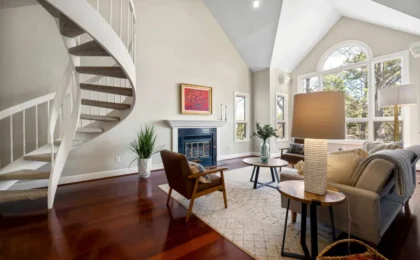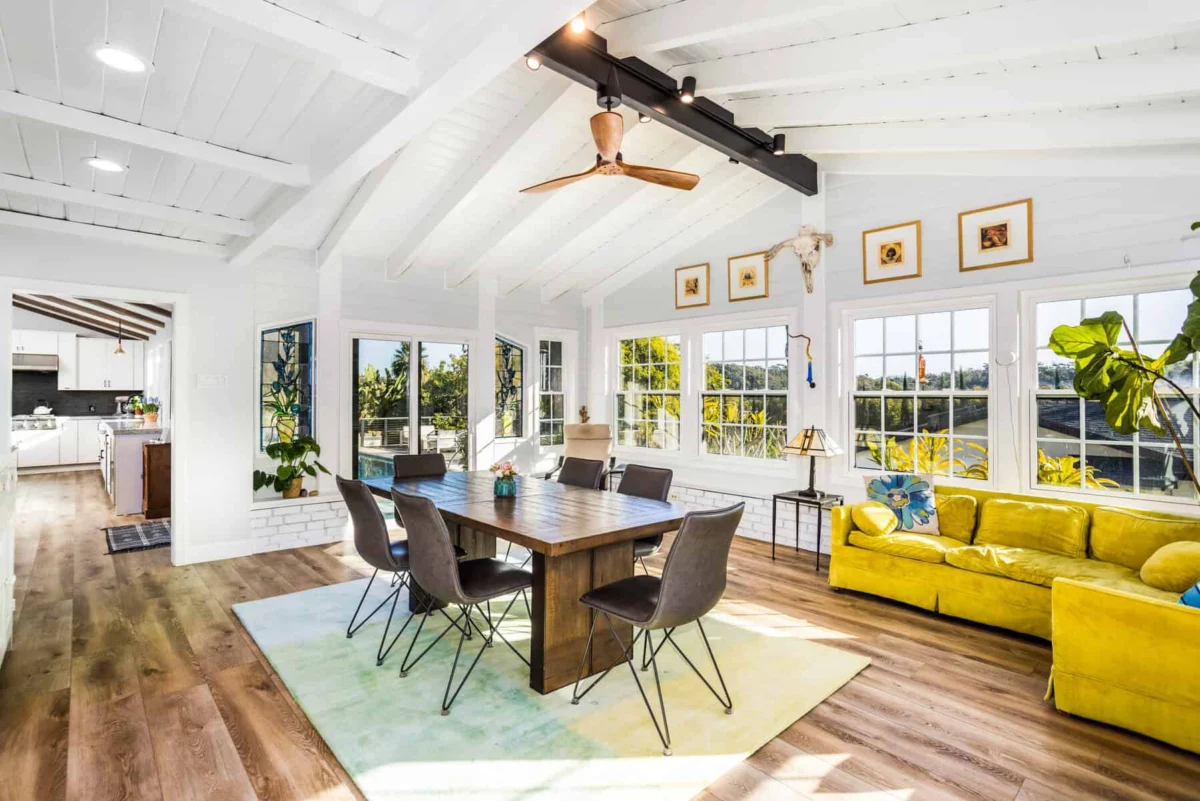
In the hyper-competitive real estate landscape of 2026, the traditional "For Sale" sign has been relegated to a secondary role. The true battleground for a property’s success is not the curb, but the screen. Whether a prospective buyer is hunting for a high-rise condo in Los Angeles or a historic family home in Chicago, the most pivotal moment in their search rarely happens during an open house. It happens in the quiet, flickering light of a smartphone screen, often late at night, as a buyer swipes through potential futures.
In this digital-first ecosystem, professional real estate photography has evolved from a "nice-to-have" amenity into a non-negotiable strategic asset. It is the silent arbiter of interest, shaping buyer psychology and determining the trajectory of a sale long before a physical key ever turns in a lock.
The Anatomy of a Swipe: How Buyers Process Property
To understand the current market, one must understand the psychology of the digital shopper. Today’s buyers are not reading exhaustive property descriptions or meticulously studying tax records during their initial discovery phase. They are processing information through rapid, instinctive visual assessment.
"Swipe, pause, swipe, maybe save, maybe forget." This rhythm defines the modern real estate experience. Buyers are building a "mental model" of a property within seconds. If the photography is poor, dark, or cluttered, the buyer moves on, often subconsciously categorizing the home as "unworthy" before even reviewing the square footage or neighborhood stats.
This is not a matter of aesthetic vanity; it is a fundamental shift in how value is communicated. When a listing lacks professional imagery, it risks becoming invisible in a crowded marketplace, regardless of its true physical merit.
Chronology of a Sale: From First Click to Final Close
The lifecycle of a property sale has been fundamentally altered by the prevalence of high-quality digital content.
1. The Discovery Phase (The "Scroll")
In the first few minutes of exposure, a listing must earn its right to exist in the buyer’s "shortlist." Professional photography acts as the primary hook. A high-quality image provides the immediate dopamine hit required to stop the thumb-scroll.
2. The Mental Walkthrough
Once a buyer is hooked, they begin to construct a spatial understanding of the home. Professional photographers utilize specific lighting and wide-angle techniques to create a cohesive narrative. They frame transitions between rooms, allowing the buyer to mentally "walk" the floor plan. This reduces the cognitive load on the buyer and builds the confidence necessary to take the next step.
3. The Qualified Showing
When a buyer finally schedules a showing, they are essentially confirming the reality of the digital image. By providing clear, accurate photos, sellers ensure that the people walking through the door are already emotionally and logically aligned with the property.
4. The Closing Argument
High-quality photography provides the marketing collateral that fuels the entire campaign—from social media snippets to AI-driven virtual staging. This creates a consistent, professional brand for the property that persists until the final contract is signed.
Supporting Data: The Efficiency of Visual Excellence
While the human element of "feeling" a home is difficult to quantify, the efficiency gains associated with professional photography are undeniable. Market data consistently shows that listings with high-end, professionally edited imagery spend significantly less time on the market.
Professional photography acts as a filter. By accurately representing the home’s layout, natural light, and condition, sellers prevent the "disappointment gap"—the phenomenon where a buyer arrives at a home expecting one thing, only to find another. When a listing is honest yet aspirational, the only people who schedule showings are those who have already "vetted" the home’s layout and features. This results in fewer, but higher-quality, showings. For the seller, this translates to less disruption and a much higher probability of receiving a serious, competitive offer.
Expert Perspectives: Why Industry Leaders Prioritize the Lens
The shift toward visual-centric marketing has drawn strong commentary from industry leaders who are currently navigating the 2026 market.
Ori Harel, Founder of Reel-E.ai:
"Professional photos let you control the story of a home before a buyer ever walks through the door," says Harel. He emphasizes that the era of the ‘mediocre listing’ is effectively over. "They decide what gets noticed, how the rooms connect, and whether the listing feels aspirational or forgettable. In 2026, a home without strong photos is basically invisible." Harel notes that photography is no longer just a static product; it is the raw material for video tours, social content, and AI-marketing tools. "Hire a good photographer once, and you are not just buying a folder of JPEGs. You are creating the foundation for your entire campaign."
Danny Garcia, Founder of Agents Choice Media:
Garcia highlights the role of photography in building buyer confidence. "Professional real estate photography isn’t about making a home look different; it’s about helping buyers see the property’s full potential," he explains. "Since the first showing almost always happens online, high-quality photography creates a stronger first impression, generates more interest, and encourages qualified buyers to schedule an in-person showing."
Eric Kittleson, Founder of PicAppoint:
Kittleson stresses the importance of accuracy. "Clean, well-lit images can highlight the layout, condition, and most valuable features of a home," he notes. "An experienced real estate photographer ensures that the property is presented accurately and consistently across the MLS, social media, and other marketing channels." For Kittleson, the goal is to reduce the friction between the online experience and the physical visit, ensuring that the buyer feels they are walking into a familiar, well-vetted space.
Implications: The Strategic Shift
The implications for sellers are clear: photography is a strategic investment, not a cosmetic one.
Avoiding the "Strategic Miss"
Many sellers fall into the trap of spending thousands on deep cleaning, staging, and minor repairs, only to skimp on the final professional shoot. This is a profound strategic failure. If the staging is beautiful but the photography is poor, the effort is lost. The photo is the "First Showing," and if that showing fails to impress, the physical property may never be seen by the right buyer.
The Rise of Multi-Platform Consistency
In the modern era, a listing lives in many places simultaneously. It resides on the local MLS, but also travels to third-party portals, Facebook groups, Instagram reels, and proprietary agent websites. When photography is high-quality, it maintains its integrity across all these formats. It scales. It looks as good on a 6-inch smartphone screen as it does on a 27-inch desktop monitor.
Building Trust Through Visual Transparency
There is a long-standing myth that professional photographers use "tricks" to deceive buyers. In reality, modern professional photography is about clarity. It is about using techniques like HDR (High Dynamic Range) to show the view out of a window while simultaneously revealing the texture of the hardwood floors inside. It is about balancing color temperatures so that a room feels inviting rather than clinical. This clarity creates trust. Buyers feel they are getting an honest look at the property, which encourages them to act with speed and conviction.
Conclusion: The Final Verdict
The real estate market of 2026 is unforgiving. With interest rates, inventory shifts, and regional fluctuations, sellers are looking for every edge they can find to secure a favorable sale. While location, pricing, and timing remain the "big three" of real estate, the ability to communicate those factors visually has become the "X-factor" that determines who wins.
A professional photographer does not change the physical reality of a home; they reveal it. By removing visual noise, emphasizing architectural strengths, and crafting a narrative of potential, they allow the property to be "seen, understood, and acted upon." In a world where attention is the scarcest currency, investing in professional photography is the most direct path to capturing that attention and converting it into a successful closing.
For the modern seller, the message is clear: the first impression is the only impression that truly counts. Make it count with a lens that understands the stakes.