LOS ANGELES, CA — A routine law enforcement contact escalated into a highly unusual, ninety-minute maritime pursuit along the Southern California coastline on Thursday morning. A male suspect, wanted on an active felony warrant, attempted to evade the Los Angeles Police Department (LAPD) by swimming nearly a mile into the cold waters of the Pacific Ocean.
The incident, which drew a coordinated response from terrestrial police, county lifeguards, and maritime sheriff’s deputies, concluded with a dramatic physical struggle in the open water off Will Rogers State Beach. The suspect, who was partially nude during the ordeal, was ultimately subdued by lifeguards and pulled aboard a law enforcement vessel.
Main Facts of the Incident
The confrontation began shortly after sunrise in the Pacific Palisades neighborhood of Los Angeles, a coastal area known for its rugged cliffs and popular beaches. According to official reports, officers from the LAPD’s West Los Angeles Division attempted to make contact with an unidentified male suspect near the busy intersection of the Pacific Coast Highway (PCH) and Sunset Boulevard.
Instead of complying with officers, the suspect fled on foot, initiating a brief land pursuit that quickly transitioned to the water. The suspect ran across the sandy expanse of Will Rogers State Beach, bypassed an active lifeguard tower, and plunged directly into the ocean.
+-----------------------------------------------------------------------------+
|                               INCIDENT SUMMARY                              |
+---------------------+-------------------------------------------------------+
| Location            | Will Rogers State Beach, Pacific Palisades, CA        |
+---------------------+-------------------------------------------------------+
| Initiating Agency   | Los Angeles Police Department (West LA Division)      |
+---------------------+-------------------------------------------------------+
| Assisting Agencies  | LA County Fire Dept. Lifeguard Division, LASD         |
+---------------------+-------------------------------------------------------+
| Duration of Pursuit | Approximately 90 minutes                              |
+---------------------+-------------------------------------------------------+
| Distance Covered    | Approximately 1 mile swam offshore                    |
+---------------------+-------------------------------------------------------+
| Suspect Status      | Apprehended; facing felony warrant & evading charges  |
+---------------------+-------------------------------------------------------+
For approximately an hour and a half, the suspect remained hundreds of yards offshore, swimming parallel to the coast and deeper into the ocean. The pursuit required specialized tactical support, as standard patrol officers are neither equipped nor trained to conduct water-based apprehensions.
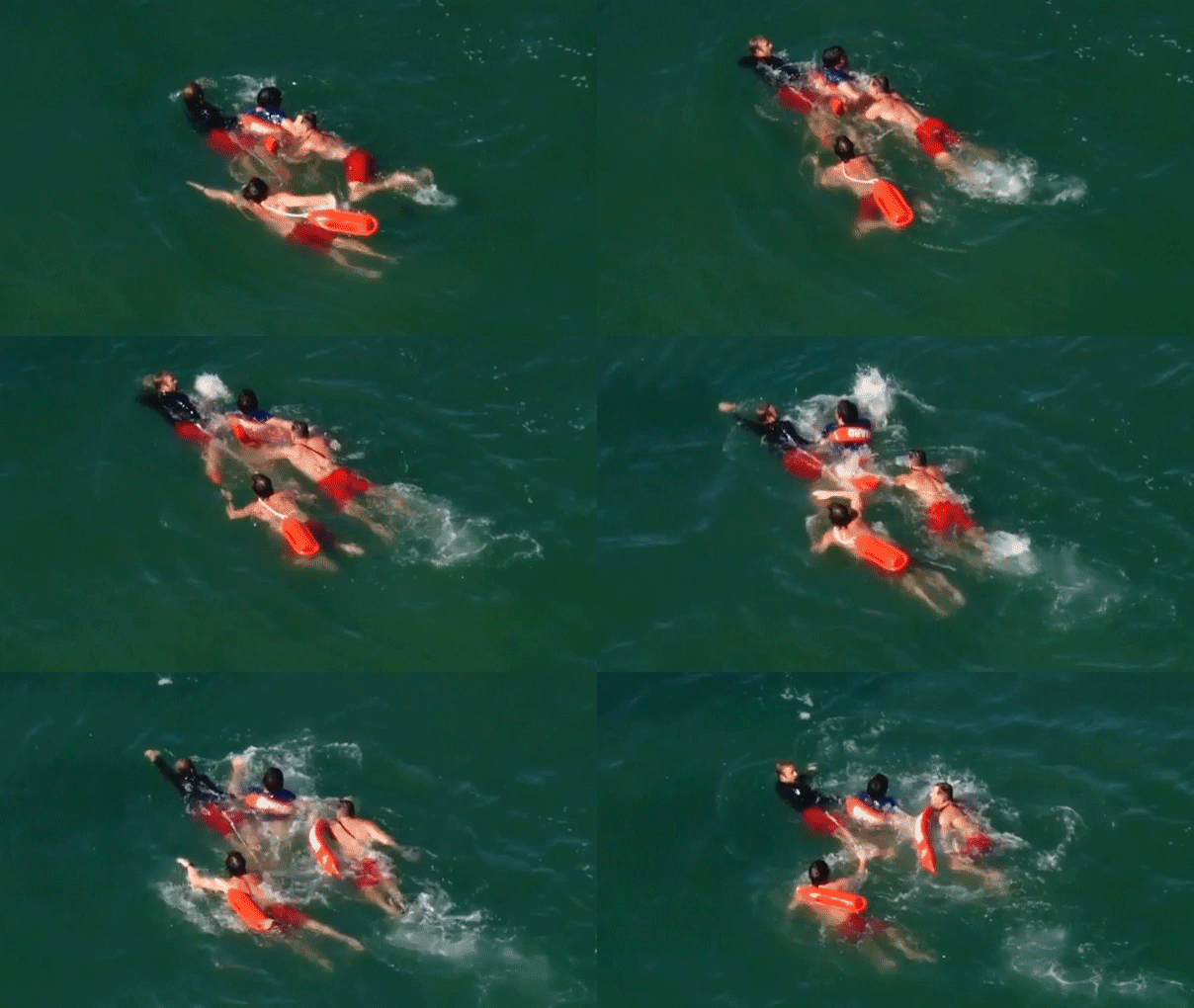
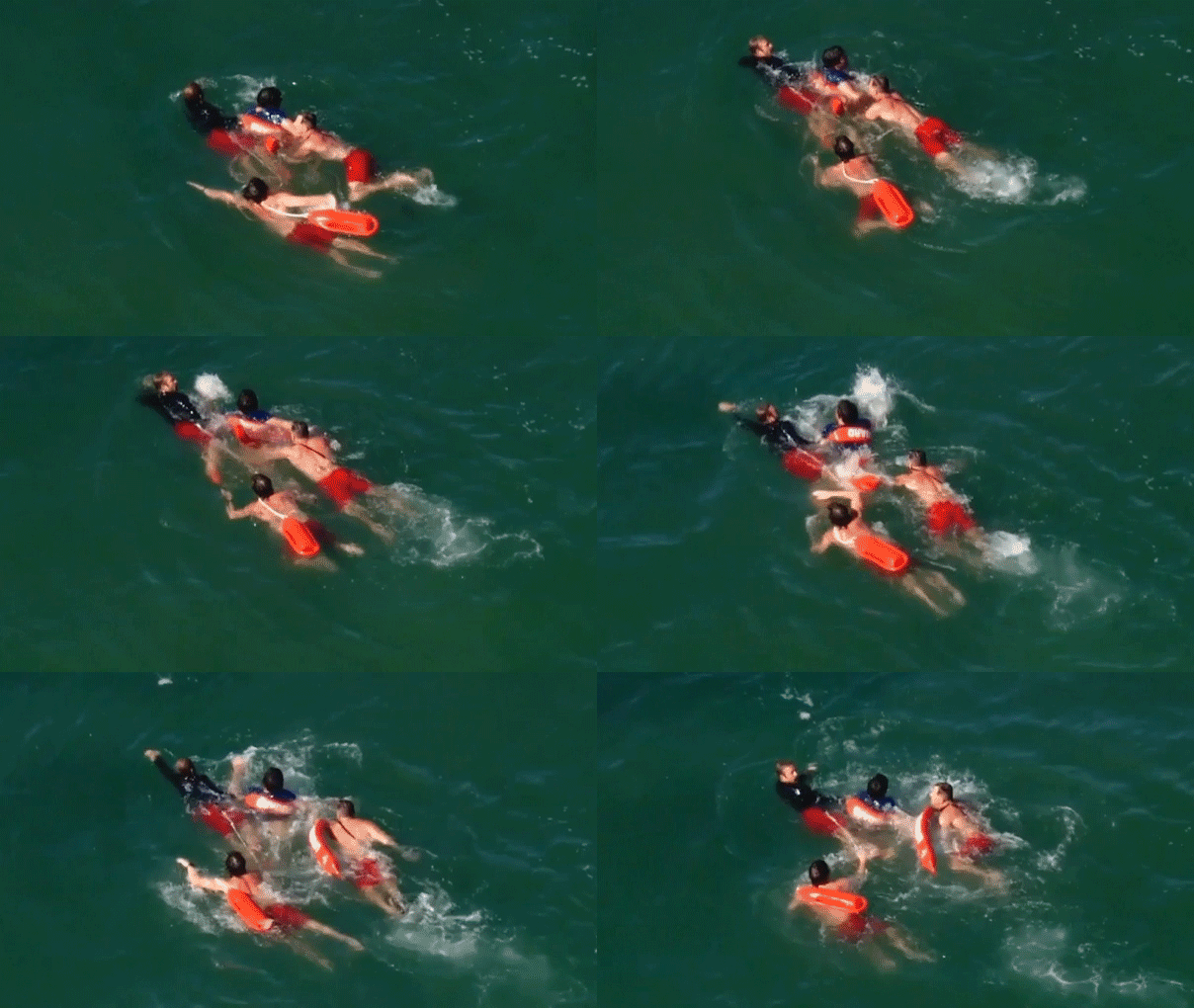
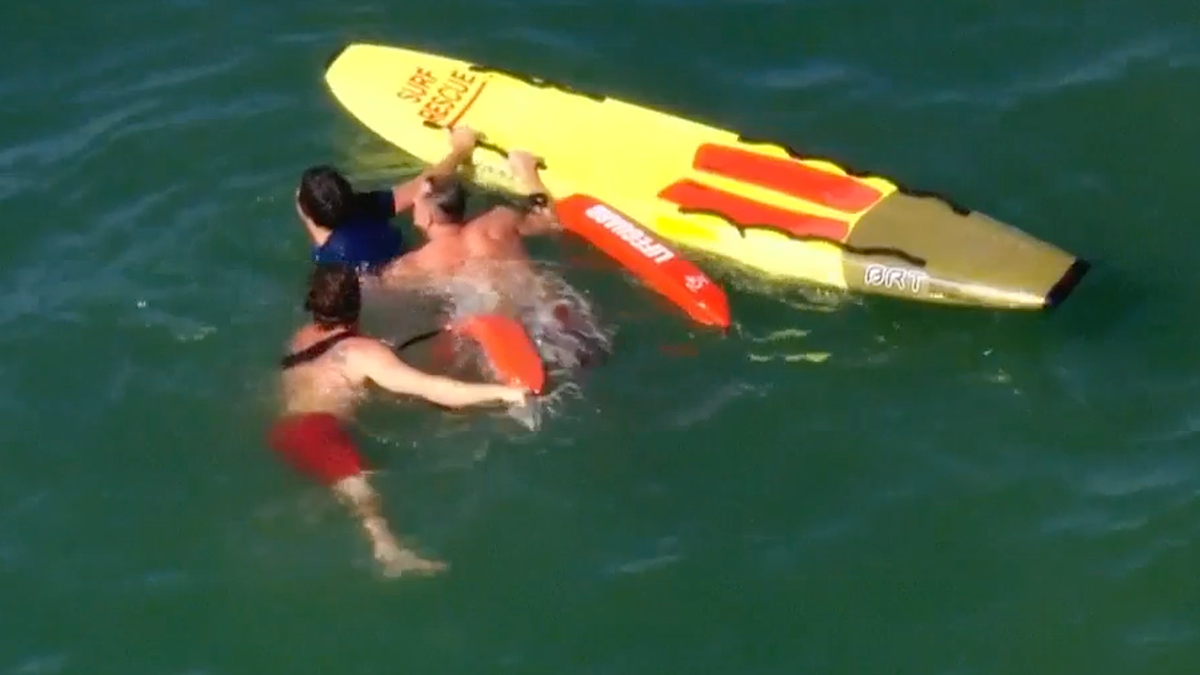
To resolve the situation, the LAPD requested assistance from the Los Angeles County Fire Department’s Lifeguard Division and the Los Angeles County Sheriff’s Department (LASD) Maritime Unit. The standoff ended when lifeguards on rescue boards surrounded the suspect, engaged in a physical struggle to restrain him, and transferred him to an LASD patrol boat.
Chronology of the Ocean Pursuit
The events of Thursday morning unfolded rapidly before settling into a prolonged, tense waiting game offshore. The timeline of the incident illustrates the transition from a standard warrant service to a complex multi-agency maritime rescue and arrest operation.
  [07:21 AM] LAPD attempts contact near PCH & Sunset Blvd. Suspect flees on foot.
      |
      v
  [07:30 AM] Suspect enters the surf at Will Rogers State Beach, swimming offshore.
      |
      v
  [07:45 AM] Lifeguards deploy rescue boards; LASD and County vessels position offshore.
      |
      v
  [08:15 AM] Suspect swims toward Temescal Canyon, then abruptly retreats to deep water.
      |
      v
  [08:45 AM] Lifeguards close in, engage in a physical struggle, and subdue the suspect.
      |
      v
  [08:51 AM] Suspect is pulled aboard the LASD vessel and taken into custody.
The Initial Flight and Water Entry
At approximately 7:21 a.m., officers with the LAPD West Los Angeles Division spotted the suspect near the intersection of Sunset Boulevard and the Pacific Coast Highway. The suspect was known to have an outstanding felony warrant, though the specific nature of the underlying charges has not yet been publicly disclosed.
When officers approached, the suspect immediately fled on foot. He ran westward across the beach, ignoring verbal commands to stop. Within moments, he reached the shoreline and waded into the surf, swimming rapidly away from the beach.
The Offshore Standoff
Realizing the suspect was intent on using the ocean as an escape route, land-based officers established a perimeter along the shoreline and requested specialized maritime assets.
Los Angeles County lifeguards immediately deployed on paddleboards and rescue boards to monitor the suspect’s physical condition. The ocean temperature, paired with the physical exertion of swimming, presented an immediate risk of hypothermia and drowning.
As the suspect swam further out, eventually reaching distances of several hundred yards offshore, a Los Angeles County Sheriff’s Department patrol boat and a county lifeguard rescue boat arrived to block any further movement out to sea.
For the next hour, a tense stalemate ensued. Lifeguards on paddleboards remained within speaking distance of the suspect, attempting to negotiate a peaceful surrender. The suspect, however, refused to cooperate, continuing to swim parallel to the shoreline.
The Temescal Canyon Pivot and Apprehension
According to reports from KTLA, the climax of the pursuit occurred when the suspect began swimming back toward the shore near Temescal Canyon. It appeared briefly that the suspect might surrender due to exhaustion. However, as he neared the shallower water, he abruptly turned around and swam back toward the open ocean.
Fearing the suspect would succumb to fatigue or drag rescuers into a deeper, more hazardous area, the monitoring lifeguards decided to intervene.
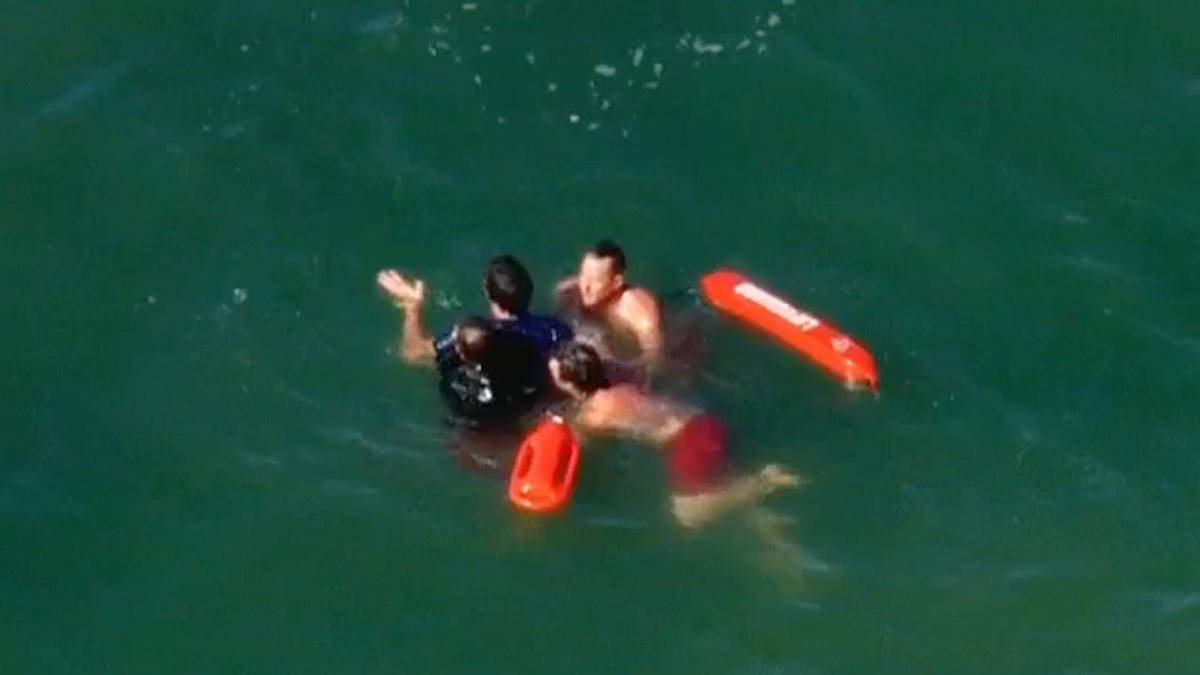
Aerial footage captured by SkyFOX showed three Los Angeles County lifeguards closing in on the suspect. A physical struggle ensued in the water as the suspect actively resisted the lifeguards’ efforts to secure him. Despite the resistance, the lifeguards successfully restrained the suspect and guided him toward the idling Los Angeles County Sheriff’s Department vessel.
The suspect continued to struggle as he was brought alongside the boat. Working in tandem, sheriff’s deputies and lifeguards hauled the resisting, partially nude suspect over the gunwale and onto the deck, bringing the 90-minute ordeal to an end.
Supporting Data and Environmental Factors
Conducting an arrest in an open-water environment introduces a variety of physical and environmental hazards that are absent during land-based operations.
Ocean Temperatures and Hypothermia Risks
The waters off Will Rogers State Beach, even during summer months, present significant physiological challenges. Pacific Ocean temperatures in this region typically range from the high 50s to the mid-60s Fahrenheit.
Prolonged exposure to water in this temperature range can lead to the rapid onset of hypothermia, which impairs cognitive function, reduces muscle coordination, and can cause sudden cardiac distress.
+-----------------------------------------------------------------------------+
|                     PHYSIOLOGICAL IMPACT OF COLD WATER                      |
+----------------------+------------------------------------------------------+
| Water Temperature    | 58°F – 64°F (Typical Southern California Range)      |
+----------------------+------------------------------------------------------+
| Cold Shock Response  | Immediate loss of breathing control (1-2 minutes)    |
+----------------------+------------------------------------------------------+
| Physical Incapacity  | Loss of useful muscle coordination (10-30 minutes)   |
+----------------------+------------------------------------------------------+
| Hypothermia Threat   | Decompression of core body temperature (30-90 mins)  |
+----------------------+------------------------------------------------------+
The suspect’s decision to remain in the water for 90 minutes, while actively swimming and resisting arrest, put him at extreme risk of drowning due to physical exhaustion. This risk was compounded by the fact that the suspect was nude from the waist down, leaving him without even minimal thermal protection.
The Physical Demands of the Pursuit
During the 90-minute pursuit, the suspect swam an estimated distance of one mile. In professional swimming, a mile-long open-water swim is considered a strenuous physical feat, requiring significant conditioning.
For an untrained individual undergoing the high stress of a police pursuit, the physical toll is immense. The decision by lifeguards to initiate the physical arrest was driven in part by the understanding that the suspect’s physical limits were rapidly being reached, raising the likelihood of a medical emergency in the water.
Official Responses and Investigative Status
Following the dramatic apprehension, the suspect was transported to a local dock, where he was met by waiting LAPD officers and emergency medical personnel.
Medical Evaluation and Custody Transfer
Due to the duration of his exposure to the ocean and the physical struggle during his arrest, the suspect was evaluated by paramedics for hypothermia and physical exhaustion. Once cleared medically, he was formally booked into custody by the LAPD.
The LAPD has not yet released the identity of the suspect, citing the ongoing nature of the investigation. Furthermore, officials have declined to specify the exact nature of the felony warrant that prompted the initial contact near Sunset Boulevard and the Pacific Coast Highway.
Inter-Agency Cooperation
Spokespersons for both the LAPD and the Los Angeles County Fire Department’s Lifeguard Division praised the seamless coordination between the agencies.
"Arrests in maritime environments are incredibly dangerous for both the officers and the suspect," noted a local law enforcement analyst. "The specialized training of the LA County Lifeguards is what prevented this bizarre escape attempt from turning into a recovery operation."
Implications and Broader Context
This incident highlights the unique challenges faced by law enforcement agencies operating in coastal jurisdictions.
Lifeguards as First Responders in Law Enforcement Operations
While lifeguards are primarily trained for water rescue and public safety, they are increasingly called upon to assist in law enforcement actions along Southern California’s beaches.
In incidents where suspects flee into the water, lifeguards serve as essential intermediaries. Standard police officers carry heavy tactical gear, utility belts, and firearms, making it impossible for them to enter the water safely to pursue a suspect.
+-----------------------------------------------------------------------------+
|                        TACTICAL LIMITATIONS IN WATER                        |
+-------------------+---------------------------------------------------------+
| Standard Police   | Heavy gear (15-20 lbs), firearms hazard, lack of open-  |
| Patrol            | water rescue training. Cannot enter deep water safely.  |
+-------------------+---------------------------------------------------------+
| County Lifeguards | Highly trained in open-water navigation, physical       |
|                   | extraction, and managing panicked/combative victims.    |
+-------------------+---------------------------------------------------------+
| Sheriff's Marine  | Equipped with vessels designed for low-freeboard        |
| Units             | recovery, maritime navigation, and secure transport.    |
+-------------------+---------------------------------------------------------+
As demonstrated in this case, lifeguards must balance their primary lifesaving mission with the tactical realities of subduing a non-compliant, potentially dangerous individual in a highly unstable environment.
The Desperation of Suspect Flight Patterns
The bizarre nature of the suspect’s escape attempt—running into the ocean and swimming a mile while partially nude—underscores the erratic behavior often exhibited by individuals with active felony warrants.
Fleeing into the ocean is a rare but recurring tactic used by suspects in coastal cities. In almost all historical cases, these attempts end in apprehension, as human endurance is no match for the combined resources of modern maritime law enforcement and the natural elements of the Pacific Ocean.
The suspect now faces additional charges related to his flight, including resisting arrest and evading law enforcement, on top of the original felony charges detailed in his outstanding warrant.