Date: July 17, 2026
Produced by: Clarisse Fortuné and Guillaume Gougeon
Introduction
In this edition of Eye on Africa, we examine a cross-section of the continent’s current realities—ranging from profound humanitarian tragedy to the evolving cultural landscapes of its youth. As Algeria grapples with the aftermath of a devastating orphanage fire, Ethiopia is taking proactive steps to formalize support for its displaced populations. Simultaneously, the rhythmic pulse of Drill music is reverberating through the streets of Addis Ababa, sparking a fierce national dialogue about tradition, modernity, and the expression of identity in a conservative society.
I. Main Facts: A Tragedy in Algeria
The nation of Algeria is in mourning following a catastrophic fire that claimed the lives of 11 people at an orphanage. The incident, which occurred earlier this week, has sent shockwaves through the country, prompting immediate intervention from civil protection services and high-level government officials.
While the investigation into the origins of the blaze remains in its preliminary stages, early reports suggest that the fire spread with alarming speed through the facility. Forensic teams and fire investigators are currently combing through the debris to determine whether the cause was electrical failure, negligence, or an unfortunate accident. The tragedy has renewed calls for stricter fire safety standards and building inspections across all public and residential care facilities in the region.
II. Chronology: From Crisis to Response
The events surrounding the Algerian fire have unfolded with a somber urgency:
- Early Morning (Day of the incident): The fire was reported in the early hours, catching residents and staff largely unaware. Local emergency response teams were dispatched, but the intensity of the blaze made rescue efforts exceptionally difficult.
- Mid-Morning: Local authorities confirmed the death toll of 11, including both children and staff members.
- Afternoon: The Ministry of Interior issued an official statement expressing condolences to the families of the victims. A specialized commission was established to oversee the investigation.
- The Following 48 Hours: Forensic experts arrived at the scene to recover evidence. Meanwhile, public vigils began forming in nearby communities, with citizens demanding transparency and accountability regarding the maintenance and safety protocols of the orphanage.
- Present Day: As the site remains cordoned off, the focus has shifted from immediate rescue to identifying potential regulatory failures that may have contributed to the catastrophe.
III. Supporting Data: Ethiopia’s New Legal Support Initiative
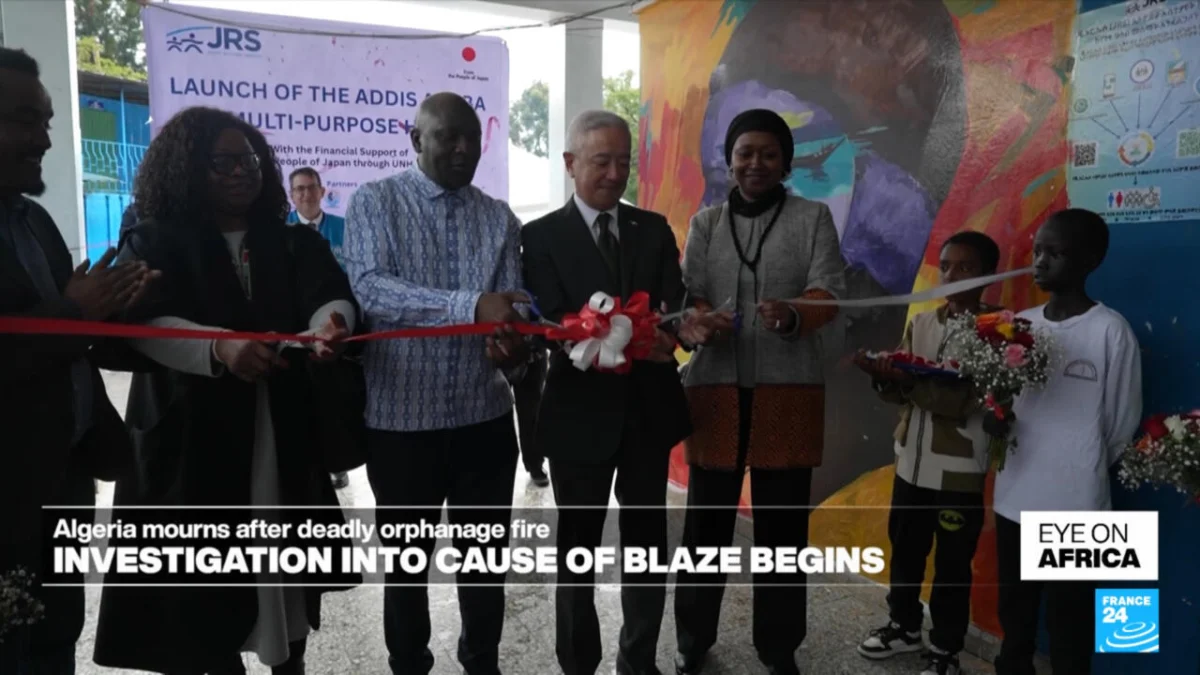
In a move aimed at bolstering human rights and administrative clarity, the Ethiopian government, in collaboration with the United Nations High Commissioner for Refugees (UNHCR), has officially launched a new legal support centre.
This initiative is designed to provide refugees—many of whom have fled conflict in neighboring nations—with free, expert legal counsel. The centre addresses a critical gap in the support infrastructure: the inability of many refugees to navigate the complexities of local immigration law, documentation requirements, and asylum processing.
Key components of the program include:

- Legal Aid Clinics: Staffed by volunteer lawyers and human rights experts.
- Rights Advocacy: Assistance in navigating the legal pathways for work permits and residency.
- Conflict Resolution: Mediation services for disputes arising within refugee settlements.
Data suggests that refugees with access to legal counsel are significantly more likely to integrate into local economies and avoid the pitfalls of undocumented status, which often leads to exploitation and further marginalization.
IV. Official Responses
The response from international and local bodies has been one of solidarity and structural improvement.
Regarding the Algerian tragedy, the government has promised a “thorough and transparent” investigation. An official spokesperson stated: "The loss of these lives is an irreparable blow to our nation. We are committed to uncovering the truth behind this fire and ensuring that no stone is left unturned in our efforts to prevent such a tragedy from recurring in the future."
In Ethiopia, the partnership between the UN and the federal government is being hailed as a model for humanitarian cooperation. A UNHCR representative noted: "By providing legal advice, we are not just helping individuals; we are empowering an entire community to stand on its own feet and contribute to the society that has provided them shelter."
V. Implications: The Rise of Drill Music and the Culture War
Perhaps the most vibrant, albeit contentious, development in Ethiopia is the rapid rise of the "Drill" music scene. Originating from the gritty streets of Chicago and London, Drill—a subgenre of hip-hop characterized by its dark, rhythmic beats and raw lyrical honesty—has found a new home in the hearts of Ethiopia’s youth.
The Appeal to the Youth
For many young Ethiopians, Drill offers a platform to articulate the frustrations, dreams, and realities of urban life. The music serves as a linguistic bridge, often blending local Amharic phrasing with the global sonic vocabulary of the genre. It is an unapologetic expression of the "here and now," rejecting the sanitized versions of life often presented in mainstream media.
The Conservative Backlash
However, this musical evolution has not been without its critics. Traditionalist sectors of Ethiopian society have expressed significant concern over the themes prevalent in Drill music, which often include references to street life, social inequity, and defiance of authority.
Conservative critics argue that:

- Cultural Erosion: The genre is seen by some as an imported cultural product that threatens to undermine traditional Ethiopian values and artistic norms.
- Public Decorum: Concerns have been raised regarding the "aggressive" nature of the performances and the potential for the music to influence youth toward delinquent behavior.
A Societal Crossroads
The debate over Drill in Ethiopia is, at its heart, a debate about the future of the nation’s cultural identity. As the country balances its rich, ancient history with the rapid onset of digital globalization, the clash between the youth’s desire for modern expression and the older generation’s commitment to preservation is becoming increasingly visible.
Observers point out that this is not the first time a musical genre has faced such scrutiny. Similar moral panics accompanied the rise of Jazz and Rock & Roll in the 20th century. The implication for Ethiopia is that the music will likely continue to thrive regardless of the backlash, forcing a dialogue on what it means to be "authentically" Ethiopian in the 21st century.
VI. Synthesis and Outlook
The events of the past week reflect the duality of the African experience. In Algeria, the tragic loss of life highlights the urgent necessity of infrastructure investment and the protection of the most vulnerable in society. In Ethiopia, the simultaneous development of a humanitarian legal center and a burgeoning, controversial musical movement showcases a nation navigating the delicate path between providing basic human rights and accommodating the evolving, often disruptive, creative spirit of its younger generation.
As we look toward the coming weeks, the primary focus in Algeria will be on the accountability of those responsible for the orphanage’s safety. In Ethiopia, the international community will be watching to see how the new legal center measures up against the overwhelming demand for services, while sociologists will continue to monitor whether the "Drill" phenomenon matures into a lasting artistic movement or remains a passing, albeit impactful, trend.
Eye on Africa will continue to monitor these developments, providing in-depth analysis of the stories that shape the continent’s tomorrow.
Key Takeaways for Readers:
- Safety First: The Algerian fire acts as a tragic catalyst for an overdue audit of institutional safety standards.
- Legal Inclusion: The Ethiopian-UN collaboration marks a milestone in refugee integration policy.
- Cultural Shifts: Drill music represents a larger struggle for voice and identity among the African youth, challenging traditional social boundaries.
For more in-depth reporting, follow our ongoing coverage of these stories at France 24.