In an era defined by rapid media consolidation, the entertainment landscape stands at a critical juncture. A coalition of 12 state Attorneys General, led by California’s Rob Bonta, has officially moved to challenge the proposed $110 billion merger between media titans Paramount Skydance and Warner Bros. Discovery. This litigation, framed as a fundamental defense of both antitrust principles and democratic discourse, seeks to block a deal that regulators argue would result in an unprecedented concentration of power, stifling competition and limiting the cultural narrative of the United States.
The Main Facts: An Unprecedented Consolidation
The core of the dispute lies in the sheer scale of the proposed integration. By merging two of the five largest film distributors and two of the five largest basic cable channel owners, the resulting entity would command a staggering share of the American media diet.
The data is striking: the new behemoth would control nearly 33% of theatrical movie distribution and 33% of the basic cable market. Beyond sheer volume, the company would oversee more than 30% of the blockbuster release distribution—the engine that sustains the nation’s movie theater economy—and hold the keys to 50 of the most popular cable channels. This portfolio spans an unrivaled spectrum of news, sports, entertainment, children’s programming, and lifestyle content, effectively giving one corporate board the ability to dictate the information and entertainment intake of millions of households.
Chronology of the Conflict
The proposed merger, championed by Paramount Skydance CEO David Ellison, was positioned by its architects as a necessary evolution in a streaming-dominated market. However, the regulatory pushback began almost immediately following the announcement of the deal’s framework.
- Announcement Phase: Paramount Skydance and Warner Bros. Discovery signaled their intent to merge, touting the deal as a “mega-merger” capable of competing with global tech-first streaming platforms.
- Regulatory Scrutiny: As the details emerged, the Department of Justice and a coalition of state-level regulators began a comprehensive review under the Clayton Act, the bedrock of U.S. antitrust law.
- The Coalition Formation: Recognizing the interstate impact of the merger, California Attorney General Rob Bonta organized a bipartisan coalition of 12 state Attorneys General to present a united legal front against the deal.
- The Filing: The coalition formally filed suit, characterizing the merger not merely as a corporate restructuring, but as an unlawful attempt to monopolize the cultural heartbeat of the nation.
Supporting Data and Economic Implications
The argument against the merger rests on the assertion that competition is the lifeblood of the American economy. Critics argue that when firms grow too large, the incentive to innovate vanishes, replaced by a reliance on market dominance to dictate prices and content variety.
The Erosion of Choice
Historically, the competition between Paramount and Warner Bros. has been the catalyst for some of cinema’s most significant achievements. From the epic scope of Titanic and The Godfather to the cultural phenomena of Barbie, Harry Potter, and The Matrix, these studios have historically pushed each other to reach new creative heights. The concern is that a merged entity would lack the competitive pressure to take risks on unconventional projects or nurture original storytelling, instead focusing on "safe" sequels and cost-cutting measures.
Economic Impact on Labor and Consumers
Beyond the artistic loss, the implications for the labor market and consumer pricing are severe. Consolidation in this sector historically leads to:
- Job Contraction: Fewer independent entities mean fewer buyers for scripts, productions, and technical services, which disproportionately hurts documentarians, writers, producers, and the broader gig-based creative economy.
- Price Inflation: With less competition in the cable and theatrical distribution spaces, the resulting conglomerate would have increased leverage to "jack up prices" for consumers, as the pressure to offer competitive bundles would be removed.
- Media Homogenization: By combining massive cable news networks, the deal threatens to reduce the diversity of journalistic voices, potentially narrowing the scope of information reaching the electorate.
Official Responses and the Stance of the State
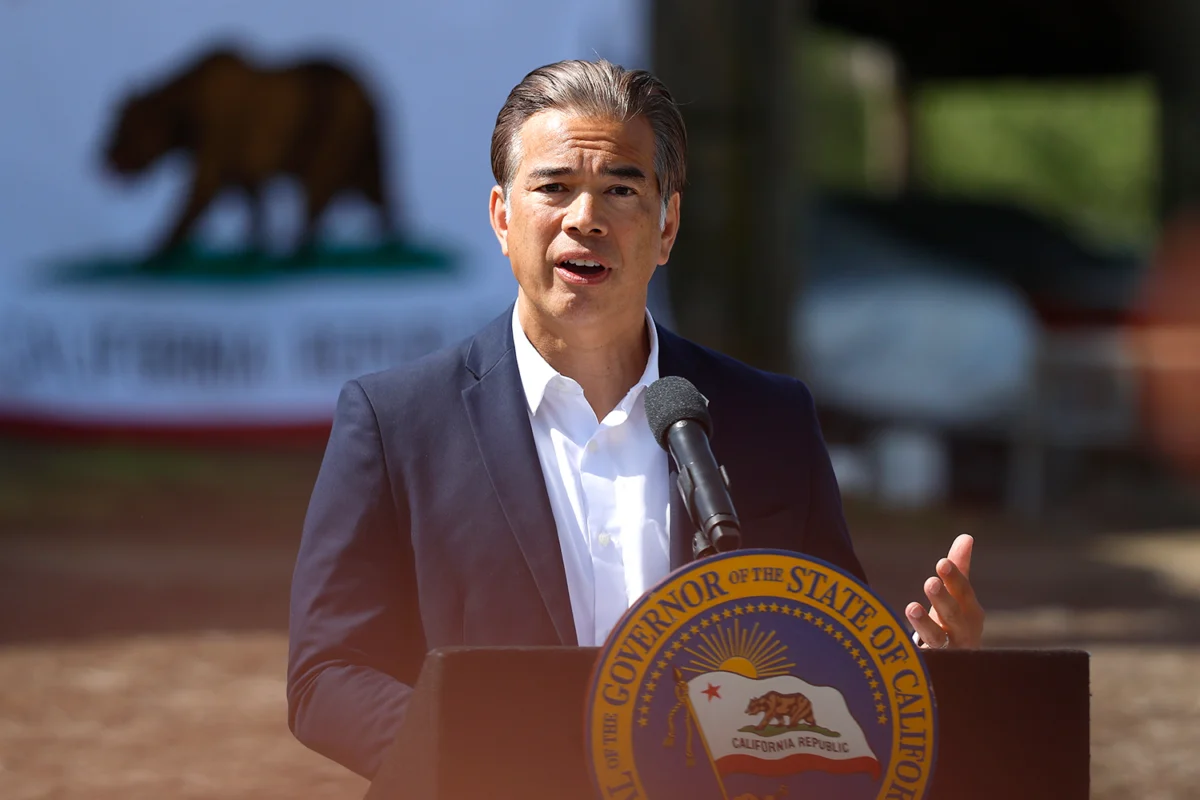
California Attorney General Rob Bonta has been vocal in his opposition, viewing the suit as a defense of the "Golden State’s" identity. As the home of the entertainment industry, California has a unique stake in ensuring that the market remains meritocratic rather than monopolistic.
"The entertainment industry doesn’t exist simply to hawk movies and TV shows like they’re any other commodity," Bonta stated. "It exists to tell stories, spark ideas, and open our eyes to new perspectives."
Bonta’s office argues that California’s robust antitrust protections have actually fueled its economic success. Citing the state’s status as the world’s fourth-largest economy and its dominance in venture capital, Bonta posits that strong enforcement of competition laws is not a hindrance to growth, but a necessary guardrail that keeps markets healthy and open to new entrants.
The Implications: Antitrust as Democracy’s Check
The lawsuit frames the merger as a direct violation of the Clayton Act, suggesting that this is a "death knell" for the industry. The legal team representing the coalition is drawing parallels to the "robber barons" of the Gilded Age, noting that when a few elites gain too much power, they inevitably use it to corrupt the political system and squash potential rivals.
The "No Kings" Argument
The core philosophical argument from the plaintiffs is that America’s economic system is designed to prevent the formation of oligarchies. They argue that antitrust enforcement is the essential check on wealthy businesses attempting to "game the system." By bypassing the competitive market, these corporations attempt to hand-pick winners and losers, effectively functioning as private governors of public culture.
The coalition’s legal action sends a clear signal to corporate boardrooms: no company, regardless of its size or the influence of its CEOs, is above the law.
Conclusion: A Fight for the Future of Media
As the legal battle moves forward, the entertainment industry and the American public face a definitive question: Should the power to shape the cultural, political, and social narrative of the country be concentrated in the hands of a single, massive conglomerate?
The coalition of Attorneys General has answered with a resounding "no." By taking Paramount and Warner Bros. to court, they are attempting to preserve a free and fair market—a system where success is earned through innovation and quality, rather than through the sheer elimination of the competition. For the millions of Americans who view films as a source of inspiration and cable news as a primary source of information, the outcome of this case will have lasting consequences for years to come.
The message from the coalition is clear: The entertainment industry is a public good, and it must remain a competitive, vibrant, and accessible space for all. As the litigation proceeds, it serves as a stark reminder that in a democracy, the marketplace of ideas—and the corporations that facilitate it—must be held to the same standards of accountability as any other institution.