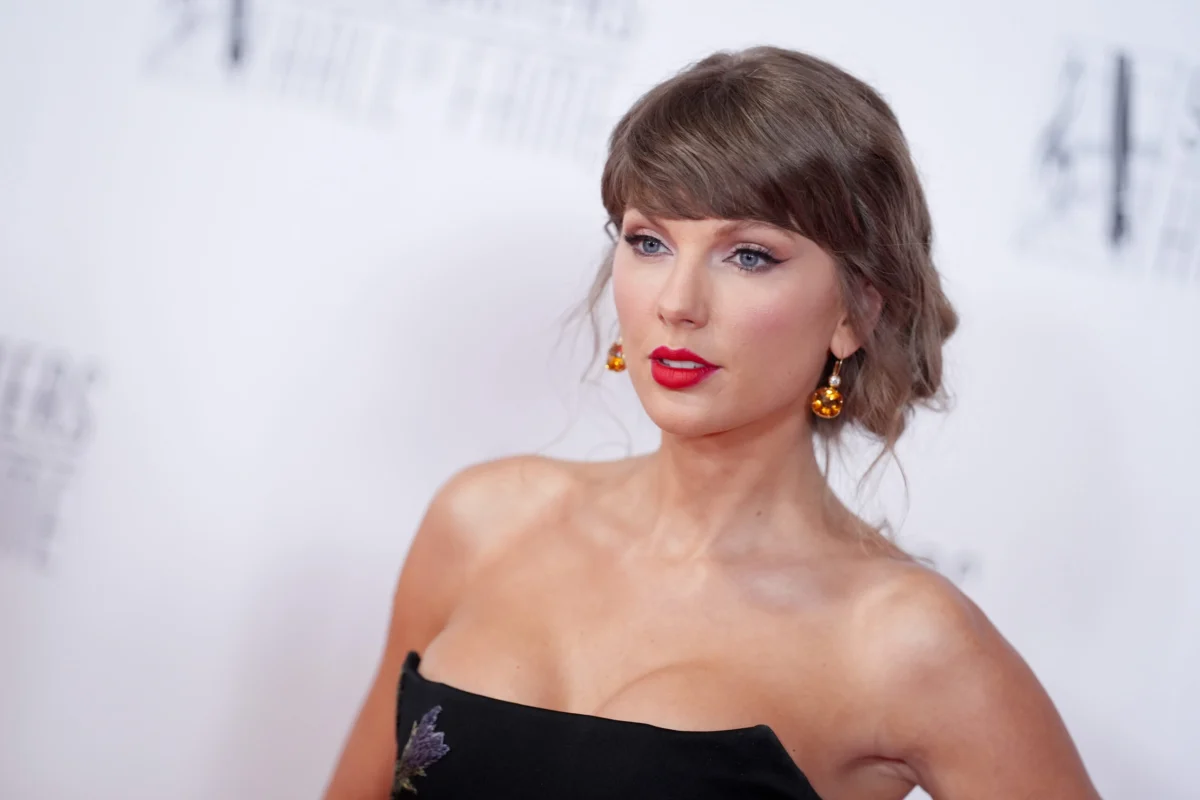
In an era where celebrity nuptials often resemble small-scale military operations, the union of global pop phenomenon Taylor Swift and NFL star Travis Kelce has set a new benchmark for logistical complexity. While the wedding itself—a secretive, star-studded affair held at the world-famous Madison Square Garden—remains shrouded in mystery due to stringent non-disclosure agreements, the public cost of the event has finally come to light.
New York City officials have confirmed that Swift paid upwards of $160,000 to cover police overtime costs incurred during the multi-day celebration. This expenditure, mandated by city permitting processes for large-scale private events, underscores the immense strain that high-profile celebrity gatherings place on public infrastructure and municipal resources.
The Financial Breakdown: A Drop in the Ocean
The figure of $160,000, while substantial to the average taxpayer, represents a minor line item in what industry insiders estimate to be an eight-figure wedding budget. The event, which took place over July 2 and July 3, necessitated an unprecedented level of security, street closures, and crowd control measures in the heart of Midtown Manhattan.
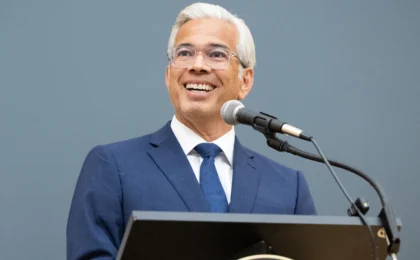
Mayor Zohran Mamdani addressed the financial arrangements during a press conference this past Friday, confirming that the city had been fully compensated for the additional law enforcement personnel deployed to manage the perimeter of the Garden. When questioned by reporters about whether the superstar would be held responsible for the overtime hours logged by the NYPD, Mamdani responded with a dismissive laugh, clarifying that the payment had already been processed.
“Taylor Swift has already paid the cost of the permit that was lodged, which was over $160,000 for that event and for the response to that event,” Mamdani stated. He further noted that the permit was finalized only days before the ceremony, reflecting the high-stakes, last-minute coordination required to host a wedding of this magnitude in one of the world’s most densely populated urban centers.
Chronology of the Secretive Summit
The logistics of the Swift-Kelce wedding were months in the making, yet the public only began to grasp the scale of the operation as the event approached.
Late June: Initial whispers of a major event at Madison Square Garden began to circulate, though they were initially dismissed as rumors of an unannounced concert series. Behind the scenes, legal teams and event planners were finalizing the complex permit applications required for such a high-profile takeover of the arena.
July 1: The area surrounding Madison Square Garden saw an increase in security presence. Barriers were erected, and logistical teams began the process of transforming the arena’s interior.
July 2–3: The wedding ceremony took place. Reports suggest the venue was transformed into a literal garden, featuring elaborate floral installations and high-end production elements. Performers of legendary status—including Paul McCartney, Stevie Nicks, Ciara, and Fergie—provided the entertainment.
July 4: As the couple and their guests departed, the city began the process of dismantling the security perimeter and restoring normal traffic flow to Midtown.
The Protocol of Private Events in Public Spaces
The $160,000 fee is not an arbitrary penalty, but a standard component of New York City’s permitting process for private entities utilizing public assets. When an event requires the closure of streets or a significant increase in police presence to ensure public safety, the organizer is responsible for all costs exceeding the city’s standard operational budget.
This policy exists to ensure that the burden of private luxury does not fall upon the public treasury. In the case of the Swift-Kelce wedding, the sheer volume of attendees—estimated to exceed 1,000 guests—meant that the NYPD had to treat the venue as a high-security zone. This involved specialized units, traffic control officers, and personnel tasked with managing the inevitable surge of fans and paparazzi gathering outside the arena.
For the city, the process is transactional. The permit acts as a contract, outlining the expectations for both the city and the organizer. Because the event was finalized just days before it commenced, the administrative pressure on city officials was immense, requiring rapid coordination between the Mayor’s office, the NYPD, and the venue management.
Official Responses and Public Sentiment
Mayor Mamdani’s comments regarding the payment were designed to quell any potential public outcry regarding the use of public police forces for a private celebrity wedding. By confirming that the city was fully reimbursed, the administration effectively neutralized potential criticism that public resources were being diverted to serve the interests of the elite.
The transparency surrounding the permit fee is part of a broader trend of increased accountability for large-scale events in New York. As global interest in celebrities grows, so too does the complexity of their public movements. The Mayor’s office seems keen to maintain a stance of strict neutrality: providing the necessary support for high-profile events while ensuring that the "private-public partnership" remains profitable for the city.
Implications for Future Mega-Events
The Swift-Kelce wedding serves as a case study for the future of celebrity event planning. As security concerns increase in a post-privacy digital age, the demand for secure, controllable, and exclusive venues like Madison Square Garden will likely rise. However, the associated costs—both in dollars and in the administrative burden on the city—will also continue to climb.
1. Security as a Luxury Service
The use of police officers as essentially private security, even when paid for by the organizer, raises questions about the allocation of public personnel. While the city is reimbursed, the officers assigned to the event were unavailable for other community policing duties. As these mega-weddings become more common, cities may need to develop new frameworks to ensure that public safety is not compromised by the logistical demands of the ultra-wealthy.
2. The NDA Economy
The inclusion of strict non-disclosure agreements (NDAs) for all guests and staff is a hallmark of the modern celebrity wedding. In this instance, the use of NDAs effectively turned the wedding into a "black box" event, where the only public-facing information was the massive security perimeter and the resulting bill for police services. This creates a disconnect between the public’s desire for information and the couple’s right to privacy, a tension that will likely define the media landscape for years to come.
3. Economic Impact vs. Public Disruption
While the $160,000 covers the immediate costs of police overtime, it does not necessarily account for the indirect economic impact on local businesses near the Garden. Street closures can disrupt traffic patterns, retail access, and commuter transit. However, proponents argue that the massive influx of high-spending guests and the prestige of hosting such a monumental event provide a net positive for the city’s brand and tourism profile.
Conclusion: A New Standard of Secrecy and Scale
The union of Taylor Swift and Travis Kelce was never going to be a simple affair, but the logistical footprint of their Madison Square Garden wedding highlights the immense machinery required to protect privacy in the public eye.
The $160,000 permit fee stands as a testament to the fact that when you are the biggest stars on the planet, privacy is a commodity that can be purchased, but it comes with a high price tag. As the dust settles and the city returns to its normal rhythm, the event will likely be remembered not just for the legendary performances or the star-studded guest list, but as a landmark moment in the intersection of private celebrity life and public municipal governance.
For New Yorkers, the wedding was a fleeting, high-security inconvenience. For the couple, it was a meticulously managed operation that successfully shielded their most intimate moments from the world, secured by the very police force that the city manages for the public good. It is a modern-day fairy tale, executed with the cold, hard efficiency of corporate logistics.