Deciding where to plant your roots is one of the most significant life decisions an individual or family can make. It is a complex calculus that balances the cold, hard data of affordability and job markets with the nuanced, personal requirements of community, lifestyle, and climate. As we navigate the economic landscape of 2026, the criteria for selecting a "home base" have become increasingly multifaceted.
There is no singular, universal "best" place to live. Instead, the ideal location is a reflection of your personal priorities, your current financial health, and your vision for the next decade of your life. Whether you are considering a cross-country relocation or simply moving to a different neighborhood, the process requires a systematic approach to ensure your investment—both emotional and financial—is sound.
The Evolution of Migration: How the Landscape Changed
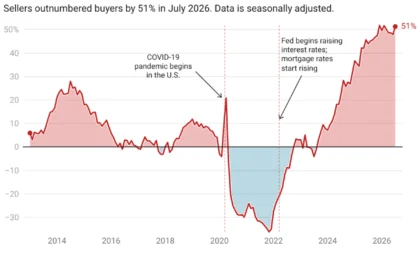
To understand where to move today, one must first understand how the housing market has been reshaped by the events of the last five years. The COVID-19 pandemic acted as a massive catalyst for geographic mobility. As remote work became the standard for millions, the necessity of living within a short commute of a city center evaporated. Simultaneously, the desire for more space and better quality of life during lockdowns drove a migration surge toward the Sun Belt.
Chronology of Recent Housing Shifts
- 2020–2021: The "Great Migration" begins. High-income workers flee dense, expensive coastal cities for the sunshine and relative affordability of Texas, Florida, and Arizona.
- 2022–2024: Economic headwinds, including rising interest rates and inflation, begin to cool the market. The "sunshine premium" leads to record-high home prices in popular Sun Belt hubs.
- 2025: A notable pivot occurs. As insurance premiums skyrocket in climate-vulnerable regions and affordability becomes a breaking point, residents begin to migrate back toward the Midwest and Northeast, seeking stability and lower cost-of-living index scores.
- 2026: We are currently in a period of correction. While the Sun Belt remains a major draw, the pace of growth has slowed significantly. Buyers are now prioritizing long-term climate resilience and economic diversity over immediate lifestyle perks.
1. The Financial Foundation: Affordability Beyond the Mortgage
"Affordability has been the headline story in housing since the pandemic," notes Daryl Fairweather, Redfin’s Chief Economist. "Rising costs, ballooning home prices, and elevated mortgage rates have strained budgets for five years. We are seeing a trend where Americans are increasingly forced to compromise on safety or sacrifice long-term financial goals just to secure a roof over their heads."
When evaluating affordability, you must look past the sticker price. A comprehensive budget should include:
- Total Cost of Ownership: Property taxes, which can vary wildly by county, and homeowners insurance, which is rising sharply in areas prone to natural disasters.
- Hidden Daily Expenses: Consider the cost of local services, childcare, and groceries. A cheaper home in a remote area may be offset by the high cost of transportation and fuel.
- The Rent vs. Buy Calculus: Currently, in many markets, renting is the more fiscally responsible choice in the short term. Use a rent-versus-buy calculator to determine the "break-even" point for your specific target market.
2. Navigating Modern Infrastructure and Connectivity
Modern urban planning theory suggests that the most resilient cities are those built for people, not just cars. Research consistently shows that cities with high walkability, robust public transit, and accessible bike lanes correlate with higher reported resident happiness and stronger local economic performance.
Before committing to a zip code, evaluate its "Walk Score." Ask yourself:
- Can I accomplish my daily errands without relying on a vehicle for every trip?
- What is the true cost of my commute—not just in dollars for gas and maintenance, but in hours lost per week?
- Does the city invest in infrastructure that keeps the community connected?
3. The Climate Variable: Risk Assessment
Climate change is no longer a peripheral concern; it is a primary driver of real estate value. In 2025, data indicated that residents began moving away from high-risk areas, particularly those susceptible to flooding, extreme heat, and wildfires.
When scouting locations, utilize climate-hazard maps. A home that seems like a bargain may carry a heavy hidden tax in the form of unmanageable insurance premiums or the constant threat of environmental disruption. Prioritize areas with strong water management, heat-mitigation strategies, and reliable energy grids.
4. Community and Social Capital
A house is a structure, but a home is a part of a community. If you move to a beautiful area but lack a support network, the transition will be difficult. Consider:
- Cultural Fit: Does the local community align with your values, religious or social groups, and lifestyle?
- Generational Needs: If you have children, the school district is a non-negotiable metric. If you are a retiree, proximity to specialized healthcare facilities is paramount.
- The "Vibe" Test: Spend a weekend in the neighborhood. Visit the grocery store, the local coffee shop, and the parks at different times of the day. A community that looks good on a real estate listing might feel isolating in practice.
5. Economic Resilience and Job Diversity
Even if you are a remote worker, you should seek out a location with a diverse local economy. A city that relies on a single industry is vulnerable. Look for regions that attract multiple sectors—tech, healthcare, education, or manufacturing. A robust job market ensures that even if your current employer downsizes, you have options nearby, which protects your long-term ability to stay in your home.
6. Access to Nature and Green Space
Access to nature is a public health necessity. Proximity to parks, trails, and open space has been scientifically linked to reduced cortisol levels, improved physical health, and stronger social cohesion. When choosing a location, assess how "green" your potential neighborhood is. Are the parks safe? Are they well-maintained? Are they within walking distance, or must you drive to find a patch of nature?
7. The Long-Term Horizon: Building for the Future
The most common mistake people make when choosing a place to live is failing to consider their future selves. Ask yourself:
- Will this space accommodate life changes? (e.g., growing family, remote work, aging in place).
- Is there resale potential? Even if you plan to stay for twenty years, you want to invest in a location with stable or appreciating demand.
- Is the area evolving? Look for signs of investment—new libraries, community centers, and public works projects are indicators of a thriving, future-proof town.
Using Analytical Tools to Filter Your Priorities
There is no shame in using data to make emotional decisions. Online tools, such as the New York Times "Best Places to Live" quiz or Dan Waters’ Where Should I Live tool, can help you rank your priorities. These platforms act as a mirror, forcing you to articulate what you truly value—whether it is proximity to the mountains, a specific tax structure, or a vibrant nightlife.
While these tools won’t make the decision for you, they provide a structured way to narrow down your options from thousands of cities to a manageable short list.
Final Thoughts: The Art of the Decision
The search for a new home is a journey that requires both the heart and the head. Once you have narrowed your search through data and analysis, the final step is the most critical: experience. You cannot truly know a place until you walk its streets, hear its sounds, and talk to its residents.
No city is perfect, and every location comes with its own set of trade-offs. The goal is not to find a utopia, but to find a place that offers the best balance for your personal definition of a good life. By methodically addressing these ten pillars—affordability, community, infrastructure, climate, and lifestyle—you can move forward with confidence, knowing that your next chapter is built on a solid foundation.