

Home design is a landscape of perpetual motion. One season, the market is dominated by the clinical precision of all-white kitchens; the next, it pivots toward moody palettes and maximalist textures. While aesthetic preferences are inherently cyclical and deeply personal, a secondary market reality exists beneath the surface: the features that consistently command high resale value are rarely the ones that make the cover of a design magazine. Instead, they are the elements that fundamentally improve the quality of daily life.
Whether you are navigating the competitive market in Denver, Colorado, or searching for a rental property in Newark, New Jersey, understanding the distinction between "trendy" and "timeless" is the difference between a high-yield investment and a sunken cost. The features that stand the test of time share a singular, unifying characteristic: they enhance the usability, efficiency, and comfort of the home.
The Foundation of Lasting Market Appeal
Not all home improvements age with grace. Some modifications—such as highly specific smart-home integrations that become obsolete within five years or ultra-niche architectural flourishes—can inadvertently date a property or alienate potential buyers who don’t share the original owner’s vision.
Jacob Brewster, Owner and Certified General Real Estate Appraiser at Beacon Valuation Group & Consulting, emphasizes that for the average homeowner, "broad appeal" is the most potent currency in real estate.
"In reality, the features that tend to hold their value best over time are those with the broadest market appeal," Brewster explains. "Buyers consistently place a premium on homes with functional, efficient floor plans, updated kitchens and bathrooms, quality construction, and outdoor living spaces that seamlessly extend the home’s usable living area."
The philosophy here is rooted in human-centric design. Timeless features do not merely alter the visual surface; they solve the friction of domestic life. By focusing on adaptability and practicality, homeowners can ensure their property remains relevant to the widest possible demographic of future buyers.
The Evolution of the Floor Plan: Flexibility as a Premium Feature
The definition of a "good" floor plan has undergone a quiet revolution. While the early 2000s were defined by an aggressive push toward completely open-concept layouts, the post-2020 era has introduced a more nuanced preference. Today’s buyers are gravitating toward layouts that offer a "flexible flow"—spaces that feel open enough for entertaining but retain the structural integrity required for privacy, home offices, and remote learning.
The Rise of the Adaptable Room
The "flex room" has emerged as one of the most significant value drivers in residential real estate. Because household needs are rarely static, a bedroom that can double as a quiet sanctuary for work, a guest suite, or a gym is significantly more marketable than a room with a singular, rigid purpose.
Finished basements, converted garages, and bonus lofts are no longer considered "extra" space; they are viewed as essential infrastructure for modern living. According to recent housing data, properties that demonstrate an ability to accommodate multiple uses—without the need for structural renovations—consistently fetch higher prices and experience shorter days on the market.
Kitchens and Bathrooms: The Engine of Resale Value
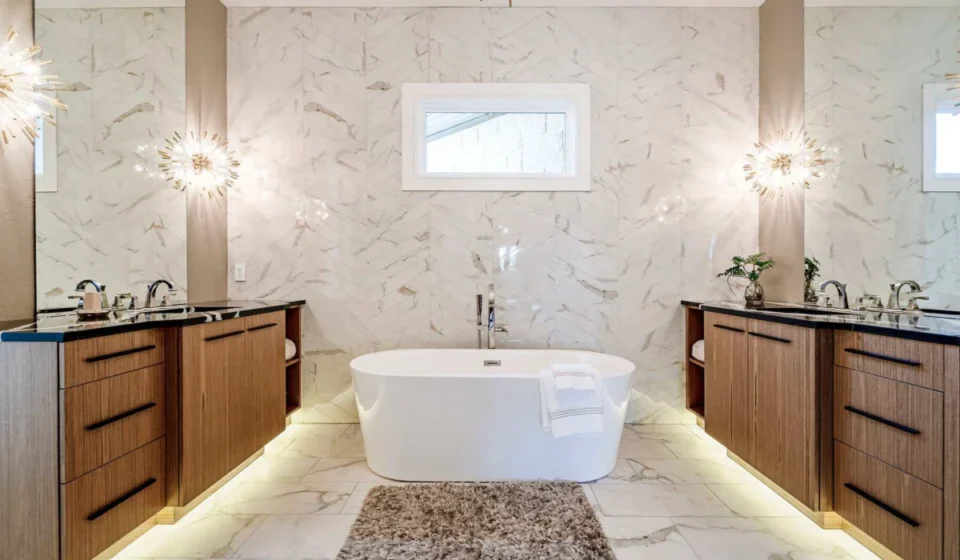
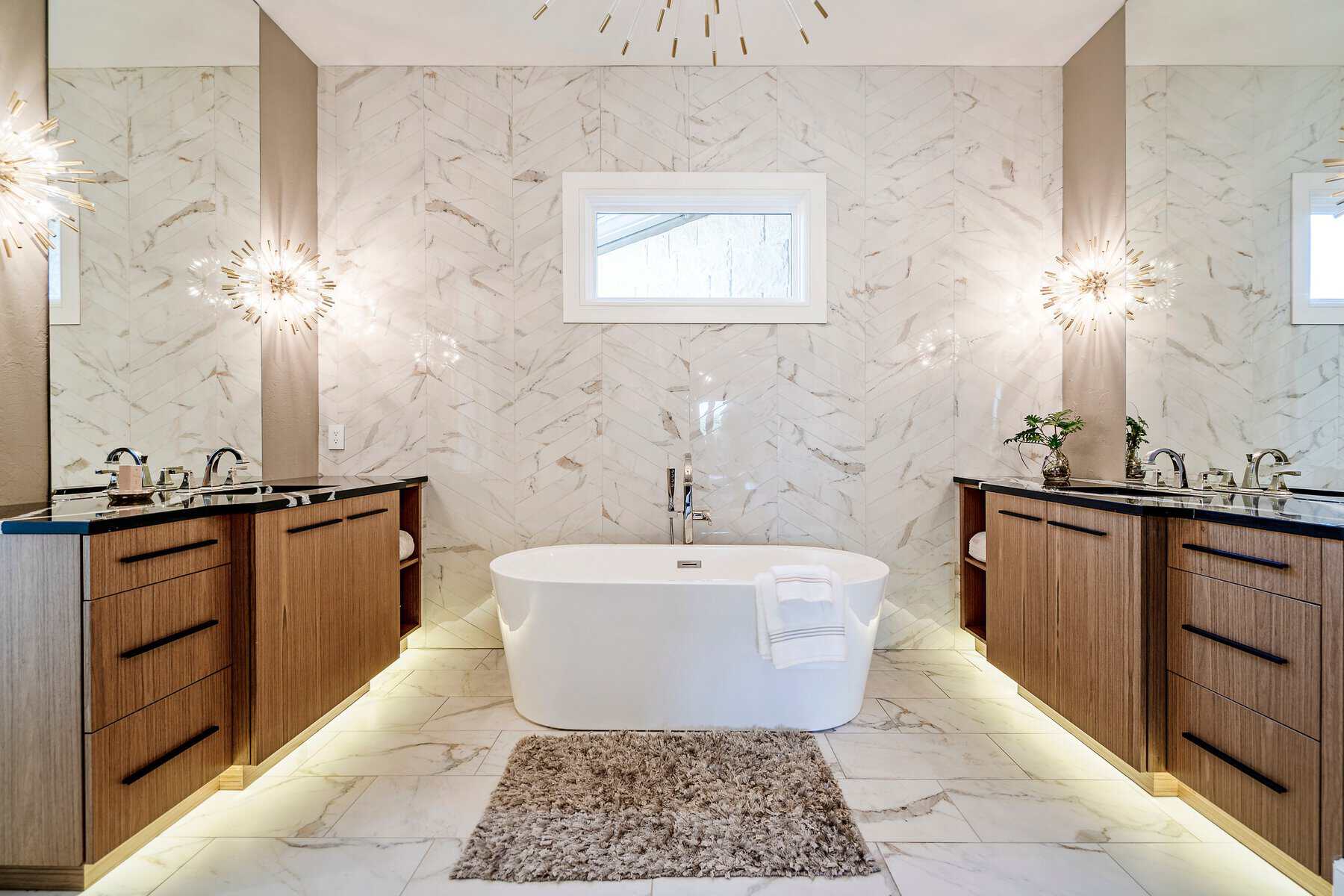
If a house is a machine for living, the kitchen and the primary bathroom are its engines. These spaces endure the highest volume of daily wear and tear, which is precisely why buyers prioritize their condition above almost any other room in the home.
However, the "updated" look is often misunderstood. Many homeowners fall into the trap of installing hyper-specific, trendy finishes that feel dated within a few years. Instead, the most enduring updates focus on the "bones" of the room:
- Workflow Optimization: The classic "work triangle" (refrigerator, stove, and sink) remains the gold standard for a reason.
- Storage Density: Deep cabinets, organized pantries, and vertical storage solutions are timeless.
- Durable Surfaces: While trends shift between marble, quartz, and butcher block, high-quality, heat-resistant, and stain-resistant surfaces like granite or high-grade engineered stone retain their value because they provide peace of mind to the end-user.
Redfin home trends data consistently highlights these high-utility features, such as island bars and increased counter space, as the primary drivers of buyer interest. By prioritizing durability and ergonomic design, homeowners ensure their kitchen remains a high-functioning asset rather than a cosmetic project.
The Invisible Upgrade: Efficiency and Comfort
Some of the most valuable home improvements are the ones that remain hidden behind walls or beneath floorboards. While a new backsplash makes for a better photograph, a high-efficiency HVAC system, superior insulation, or low-emissivity windows makes for a better life.
Alex Cothran, Head of Residential at Resolute Property Tax Solutions, underscores the importance of focusing on "perceivable quality."
"Features that pair everyday function with perceivable quality tend to hold their value best, because they keep appealing to buyers long after design trends move on," says Cothran. "A high-efficiency HVAC system, quality low-emissivity windows, or solid-core doors are great examples. They make a home quieter, more energy-efficient, and more comfortable to live in, and they aren’t tied to any single design trend."
Economic Implications of Infrastructure Upgrades
Beyond the immediate comfort, these upgrades carry significant long-term economic weight. As energy costs rise and sustainability becomes a primary concern for the modern buyer, a home with a documented history of energy efficiency becomes an easier sell.
However, Cothran offers a cautionary note for homeowners planning major upgrades: "One thing many homeowners overlook is that improvements don’t all affect market value and assessed value the same way. It pays to understand how a given upgrade influences both your resale potential and your annual property tax bill before you break ground."
The Great Outdoors: Extending the Living Room
The pandemic fundamentally changed the way Americans interact with their property. The "backyard" is no longer just a patch of grass; it is a vital extension of the home’s square footage. Whether it is a multi-level deck, a covered patio with an outdoor fireplace, or a low-maintenance xeriscaped lawn, outdoor living spaces are now high-priority items.
Data from the winter of 2025 indicated that backyards ranked as the second most valuable home feature, boasting a sale-to-list ratio of 98.2%. This high ratio suggests that when a home provides a seamless transition between the interior and exterior, buyers are willing to pay a premium. The key to this value is "functional landscaping"—creating a space that is easy to maintain while offering enough utility for recreation, dining, and relaxation.
Chronology of Value: Why Trends Fail and Function Prevails
To understand why certain features endure, one must look at the lifespan of a "trend."
- The Trend Phase (0–3 years): High social media visibility. Popularized by influencers and design magazines. High cost of entry, but uncertain ROI.
- The Saturation Phase (3–7 years): The trend becomes standard in new builds. It is now expected, but no longer a unique selling point.
- The Dating Phase (7–15 years): The trend becomes a "tell." If a home has original finishes from this era, it is immediately identified as "in need of a remodel."
- The Classic Phase (15+ years): If the feature was rooted in function (e.g., hardwood floors, open sightlines, functional storage), it is eventually viewed as "charming" or "classic" and is preserved rather than ripped out.
The goal for any homeowner looking to maximize long-term value is to bypass the "Dating Phase" entirely. By prioritizing structural efficiency, high-quality materials, and adaptable floor plans, you avoid the trap of becoming a relic of a specific design moment.
Conclusion: Investing in the Long Game
The evidence is clear: while a fresh coat of paint or a new light fixture can certainly enhance the aesthetic appeal of a home, these are ephemeral gains. The "forever value" of a property is built on the bedrock of utility.
Homeowners should view their house not just as a canvas for self-expression, but as a system of living. When you are deciding where to allocate your renovation budget, ask yourself: Does this make the home easier to live in? Does it solve a problem, such as lack of storage or poor insulation? Does it offer flexibility for the future?
By prioritizing improvements that increase comfort, usability, and energy efficiency, you aren’t just decorating for today—you are ensuring your property remains a sought-after asset for the next generation of homeowners, regardless of whatever trends are circulating on the internet at that time. True value, it turns out, is never out of style.