Comments Off on Federal Arrest of Former Illinois Teacher Exposes Sanctuary Policy Vulnerabilities and Transnational Gang Ties
Executive Summary of the Case
In a development that has reignited the national debate over sanctuary city policies, immigration enforcement, and public safety, federal authorities have arrested a 32-year-old former Illinois schoolteacher living in the United States illegally. The suspect, Giovanna Mercedes Moreno Occhipinti, is allegedly linked to a violent mass shooting in Chicago orchestrated by members of the Tren de Aragua (TdA) transnational gang. The December 2024 incident resulted in three fatalities and left five others wounded.
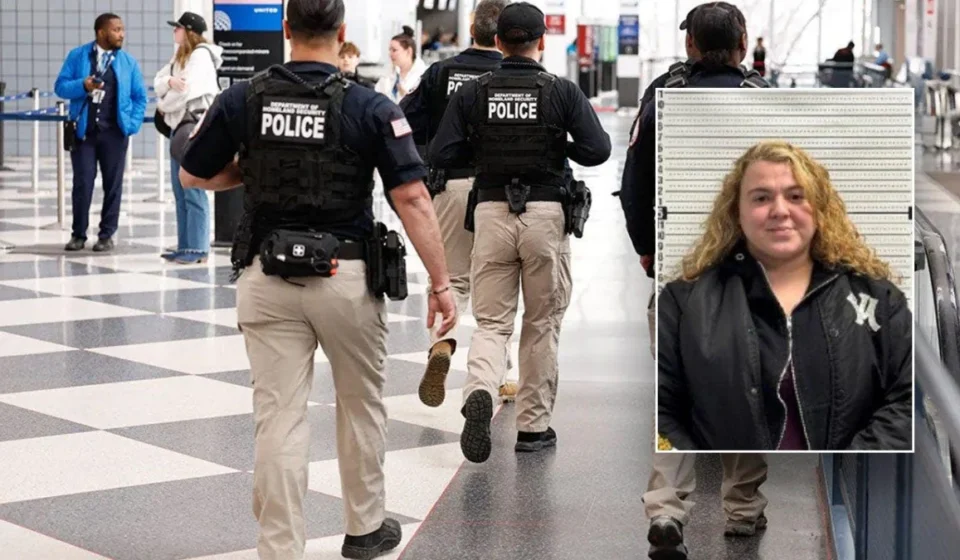
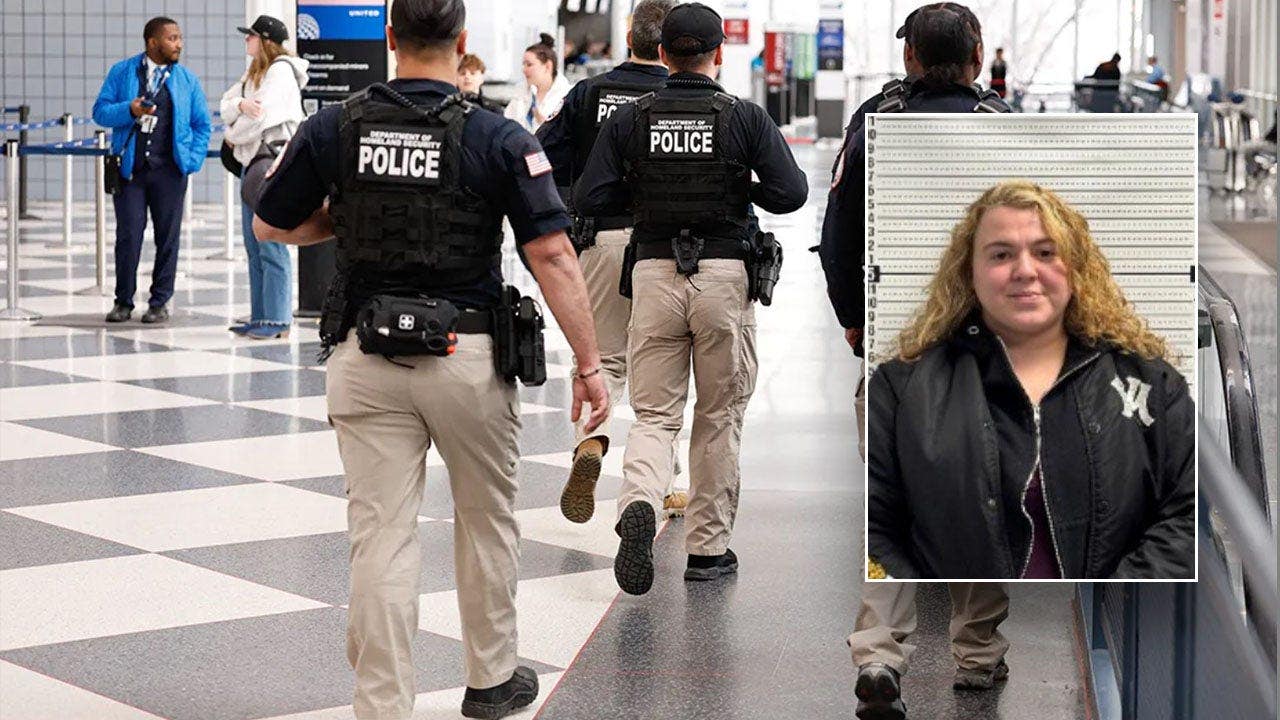
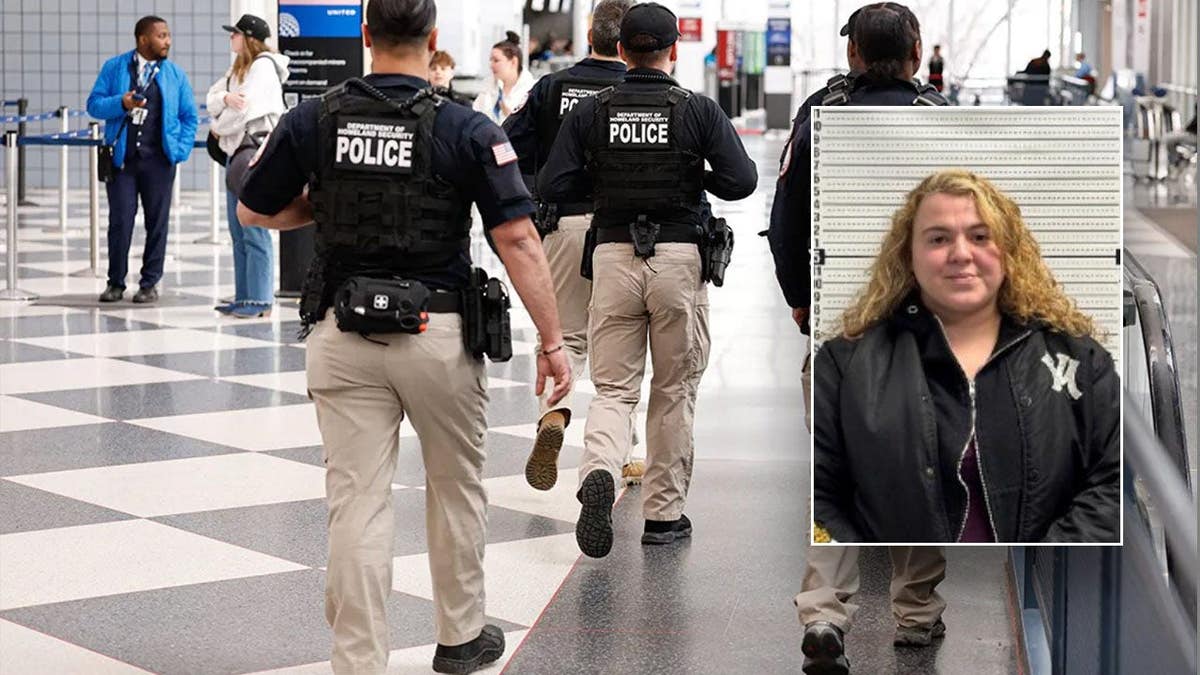
Occhipinti, a Venezuelan national who holds dual Italian citizenship, was taken into custody by U.S. Immigration and Customs Enforcement (ICE) agents on May 13. Her arrest followed her controversial release from local custody under Chicago’s strict sanctuary policies, which prohibit local law enforcement from cooperating with federal immigration detainers. According to the Department of Homeland Security (DHS), Occhipinti played a pivotal role in the mass shooting by transporting the gunmen to the scene, carrying multiple weapons in her vehicle, and subsequently helping the suspects evade law enforcement.
The case has drawn sharp criticism from federal officials, who argue that local municipal policies actively compromised public safety by releasing a potentially dangerous accomplice back into the community. Furthermore, the revelation that Occhipinti was employed as a teacher in a Chicago suburb has raised urgent questions regarding background checks, school vetting procedures, and the integration of illegal immigrants into sensitive public sector roles.
Chronology of Key Events
The timeline of Occhipinti’s residency in the United States, her employment, her involvement in the mass casualty event, and the subsequent jurisdictional battles between federal and local authorities highlights the complexity of the modern immigration landscape.
[Oct 2021] Enters U.S. via Visa Waiver Program (using Italian Passport)
   │
[Jan 2, 2022] Overstays Visa; remains illegally in Illinois
   │
[2022–2024] Employed as a teacher in Elgin, IL
   │
[Dec 2, 2024] Drives TdA gunmen to Chicago house party; 3 killed, 5 injured
   │
[Dec 5, 2024] Arrested by Chicago PD on weapons charges; released under Sanctuary Policy
   │
[Jan 2025] Gunman Martinez Cermeno released by federal judge; gunmen subsequently deported
   │
[May 13] Arrested by ICE in federal operation; detained in Kentucky
Visa Entry and Overstay (2021–2022)
In October 2021, Occhipinti entered the United States under the Visa Waiver Program (VWP). Leveraging her dual Italian citizenship, she was able to utilize the Electronic System for Travel Authorization (ESTA), a privilege not afforded to sole Venezuelan passport holders. Under the terms of the VWP, she was legally authorized to remain in the country for a maximum of 90 days, establishing a departure deadline of January 2, 2022. Occhipinti failed to depart, transitioning into illegal status.
Employment and Suburban Integration (2022–2024)
Following her visa overstay, Occhipinti relocated to the Chicago metropolitan area. Despite her lack of legal work authorization, she secured employment as a teacher in Elgin, Illinois, a major suburb northwest of Chicago. The exact duration and nature of her teaching credentials, as well as the specific school that employed her, remain shielded by state officials who have declined to release these details to federal investigators.
The December 2024 Chicago Mass Shooting
On the night of December 2, 2024, a mass shooting occurred at a house party in Chicago. Investigators allege that Occhipinti drove two suspected Tren de Aragua gang members—Ricardo Granadillo Padilla and Edward Martinez Cermeno—to the residence.
Upon arrival, the gunmen opened fire on the attendees, killing three people and injuring five others. Following the assault, Occhipinti allegedly acted as the getaway driver, using her vehicle to transport the gunmen away from the scene and assist them in evading immediate capture.
Arrests, Releases, and Deportations (Late 2024–Early 2025)
On December 5, 2024, three days after the massacre, the Chicago Police Department (CPD) apprehended Occhipinti. During the arrest, officers discovered multiple firearms inside her vehicle. She was charged with unlawful use of weapons and other weapons-related offenses.
However, under Chicago’s Welcoming City Ordinance, local authorities did not notify ICE of her arrest or her illegal immigration status. Consequently, she was released from local custody on bond without federal authorities being given the opportunity to lodge an immigration detainer.
Simultaneously, the Cook County State’s Attorney’s Office chose not to pursue state-level homicide charges against the primary gunmen, Granadillo Padilla and Martinez Cermeno. While the two suspected gang members were eventually detained by federal authorities, legal complications persisted.
In January 2025, a federal judge ordered the release of Martinez Cermeno from ICE custody, ruling that federal prosecutors had failed to meet the required burden of proof to justify his continued pre-trial detention. Ultimately, both Granadillo Padilla and Martinez Cermeno were deported from the United States, leaving the investigation into local accomplices ongoing.
The May Federal Apprehension
Following months of tracking by Homeland Security Investigations (HSI) and ICE, federal agents executed a targeted operation on May 13, arresting Occhipinti. To avoid local sanctuary interference, federal agents processed her directly into federal custody. She was subsequently transferred to the Grayson County Detention Center in Leitchfield, Kentucky, where she remains detained pending federal immigration and criminal proceedings.
Supporting Data and Contextual Analysis
This case intersects with several critical national security and domestic policy issues, including transnational gang proliferation, visa program vulnerabilities, and background check loopholes in public education.
The Dual-Citizenship Visa Loophole
Occhipinti’s entry path highlights a growing security concern: the utilization of dual European citizenship by South American nationals to bypass stringent visa vetting.
While Venezuelan citizens face rigorous screening and high visa denial rates due to diplomatic tensions and regional instability, European Union citizens (such as those holding Italian nationality) can travel to the U.S. visa-free under the VWP. This mechanism allows individuals with dual nationality to enter the U.S. with minimal initial scrutiny, which they may subsequently exploit to overstay their visits.
Parameter
Visa Waiver Program (VWP)
Standard B1/B2 Tourist Visa
Primary Document
Passport from VWP-designated country (e.g., Italy)
The Expansion of Tren de Aragua in the American Midwest
The involvement of Ricardo Granadillo Padilla and Edward Martinez Cermeno links this mass casualty event directly to Tren de Aragua, a violent transnational criminal organization originating from the Tocorón prison in Aragua, Venezuela. Over the past three years, law enforcement agencies in major U.S. metropolitan areas—including Chicago, New York, Denver, and Miami—have reported a surge in TdA-related criminal activity, ranging from retail theft rings and human trafficking to drug distribution and homicide.
Chicago, in particular, has emerged as a primary hub for TdA operations due to the rapid influx of Venezuelan migrants. The gang frequently exploits newly arrived migrant populations, recruiting vulnerable individuals and establishing illicit operations within urban neighborhoods.
School District Vetting Vulnerabilities
The revelation that an illegal immigrant who overstayed a visa was employed as a teacher in Elgin, Illinois, has exposed significant gaps in school district background check protocols. Under Illinois law, public school employees must undergo criminal background checks; however, these databases primarily search for domestic criminal records rather than verifying federal immigration status or employment eligibility through systems like E-Verify, unless mandated by local district policies.
Official Responses and Political Tensions
The arrest of Occhipinti has sparked sharp exchanges between federal homeland security officials and Illinois state leaders, illustrating the deep political divide over immigration enforcement.
Federal Condemnation of Sanctuary Policies
The Department of Homeland Security issued strong statements criticizing the local policies that permitted Occhipinti’s initial release. DHS Acting Assistant Secretary Lauren Bis pointed directly to local lawmakers as the source of the breakdown in public safety:
"Although Chicago police arrested this illegal alien shortly after the shooting, sanctuary politicians released her from jail without notifying ICE. Under President Trump and Secretary Mullin, DHS is doing the job that sanctuary politicians in Illinois refuse to do: putting the American people first and removing these dangerous criminals from our communities."
Similarly, Matthew Scarpino, the Special Agent in Charge of HSI Chicago, emphasized the calculated nature of the crime and praised federal agents for their persistence:
"Giovanna Mercedes Moreno Occhipinti’s actions were calculated and deliberate, leading to the loss of three lives. I’m proud of our agents for pursuing this case to the end, ensuring that everyone who helped facilitate this mass homicide is brought to justice."
Local Prosecutorial Decisions and State Non-Cooperation
The decision by the Cook County State’s Attorney’s Office not to prosecute the primary gunmen on state charges has drawn intense scrutiny. While local prosecutors have defended their decisions by citing high evidentiary standards and witness cooperation challenges, federal authorities view the decision as part of a broader pattern of local leniency toward migrant crime.
Furthermore, federal investigators have encountered resistance from Illinois state officials regarding Occhipinti’s employment history. State education administrators have refused to cooperate with DHS inquiries, citing state privacy laws and sanctuary mandates that prohibit the sharing of state employee data with federal immigration authorities. As a result, the specific Elgin school where Occhipinti taught has not been publicly identified.
Systemic Implications and Public Policy Debate
The fallout from the Occhipinti case extends far beyond the borders of Cook County, touching upon fundamental questions of governance, national security, and inter-agency cooperation.
The Sanctuary City Friction
At the heart of this case is the ongoing legal and philosophical conflict between federal supremacy in immigration enforcement and local municipal autonomy.
Proponents of Sanctuary Policies argue that such measures build trust between immigrant communities and local police, ensuring that victims and witnesses of crimes feel safe reporting incidents without fear of deportation. They contend that local police forces should not be co-opted into acting as federal immigration agents.
Opponents of Sanctuary Policies argue that they create safe havens for transnational criminals, undermine the rule of law, and actively prevent ICE from removing individuals who pose a clear threat to public safety. The release of Occhipinti, despite her alleged connection to a triple homicide, serves as a central case study for critics of these policies.
Reforming Immigration Oversight and Inter-Agency Cooperation
As the trial of Occhipinti approaches, federal lawmakers are likely to use this incident to advocate for legislative reforms. Potential policy proposals include:
Mandating E-Verify for Public Employees: Requiring all public school districts and state entities to verify employment eligibility through federal databases.
Withholding Federal Funds: Proposing legislation to restrict federal law enforcement grants to municipalities that refuse to honor ICE detainers or notify federal authorities of the arrest of illegal immigrants charged with violent crimes.
Closing Dual-Citizenship Loopholes: Strengthening the ESTA screening process to identify applicants with dual nationalities from high-risk countries, ensuring they undergo the same level of vetting as sole nationals.
The case of Giovanna Mercedes Moreno Occhipinti remains a stark reminder of the complexities inherent in modern law enforcement, where local political mandates, federal immigration enforcement, and international criminal syndicates collide on the streets of America’s major cities.