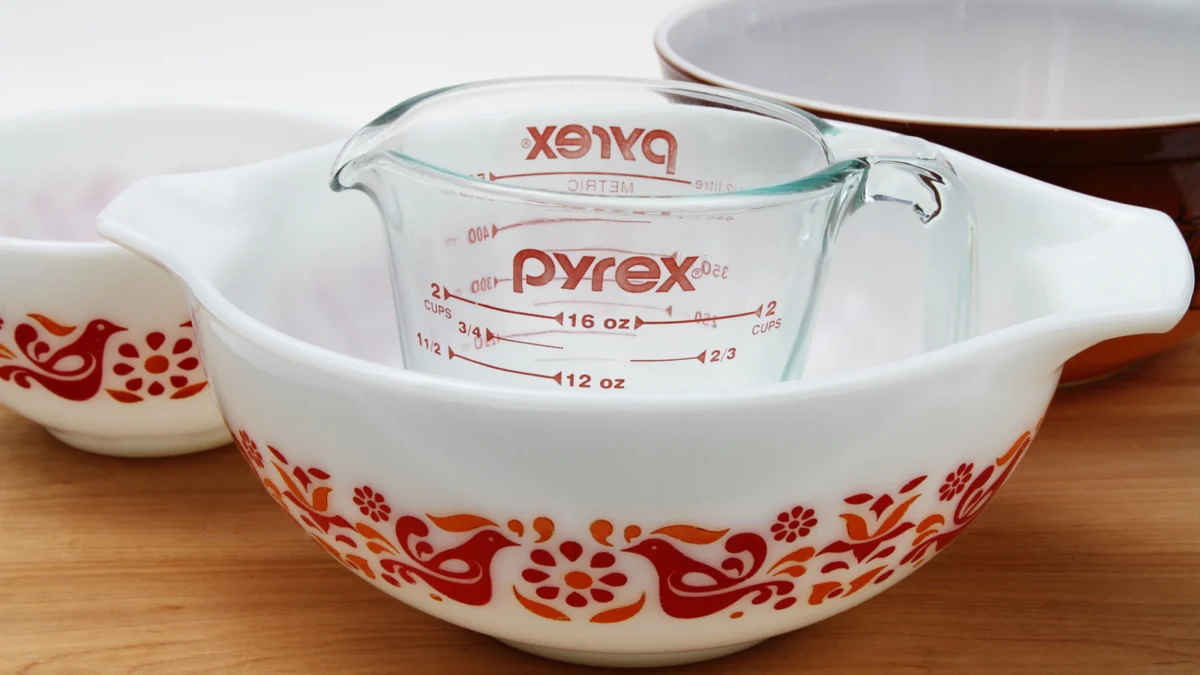
For generations, Pyrex was the workhorse of the American kitchen. It was the durable, reliable glassware that survived the chaos of family dinners, holiday potlucks, and the frantic pace of post-war suburban life. However, in recent years, what was once considered "everyday kitchen clutter" has undergone a radical transformation. Vintage Pyrex has become a high-stakes collector’s market, with rare pieces fetching prices that rival fine art and antique furniture.
Whether you are a seasoned estate sale hunter or a casual thrift store browser, the ability to identify a "holy grail" Pyrex dish is a skill that can turn a $5 find into a multi-thousand-dollar windfall.
The Anatomy of Value: What Makes Pyrex Collectible?
To the untrained eye, a 1960s casserole dish is merely a piece of tempered glass. To a collector, it is a piece of industrial design history. Several factors dictate the market value of these vintage items, which were primarily manufactured by Corning Glass Works.
Identification and Authentication
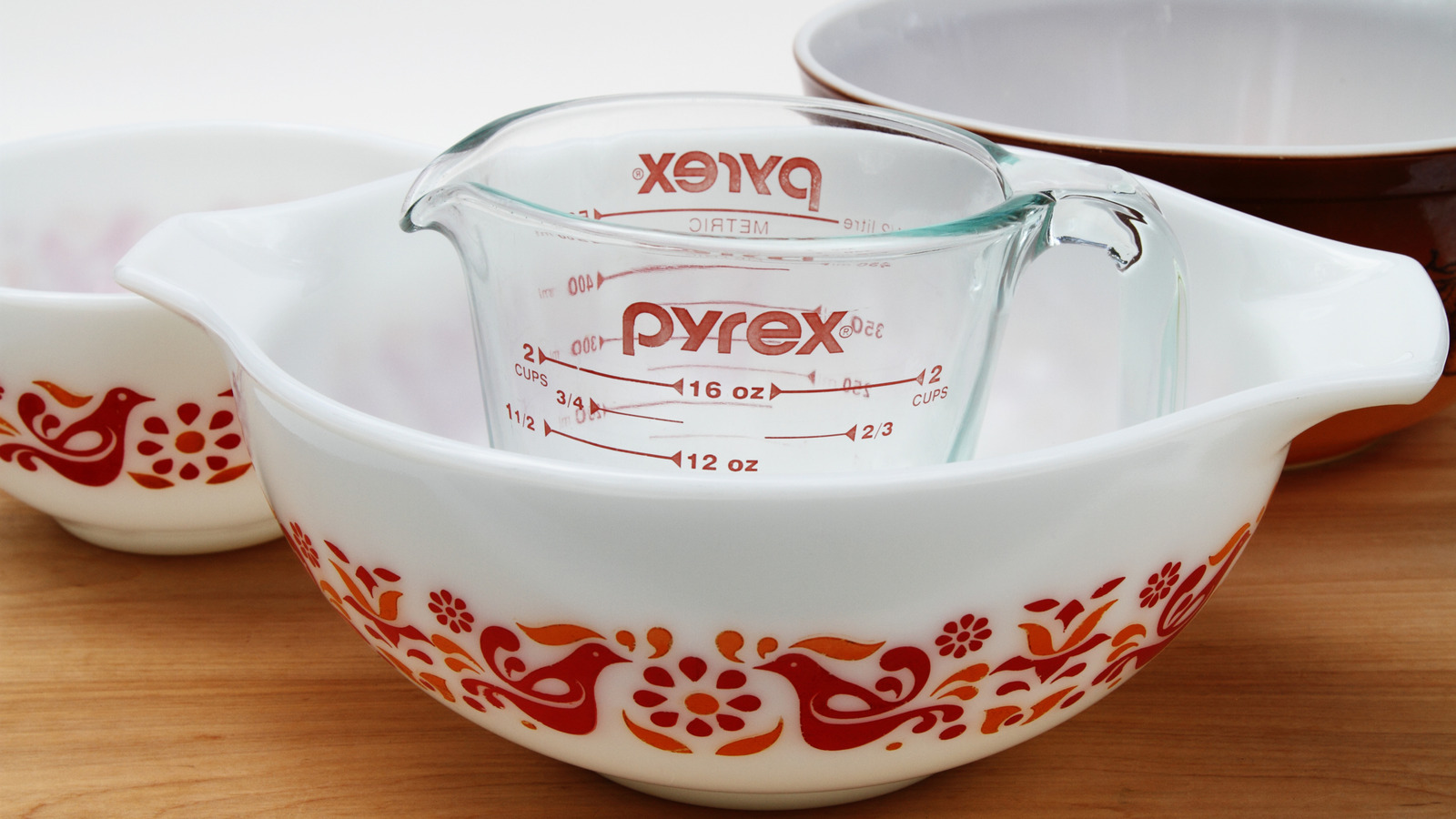
The first step in valuation is authentication. Genuine vintage Pyrex is almost always marked on the bottom with the "Pyrex" logo in lowercase, accompanied by a specific model number—often three or four digits—that denotes the type and capacity of the dish. Modern "Pyrex" (often spelled PYREX in uppercase) is manufactured differently and lacks the specific chemistry and heritage that collectors crave.
Condition as Currency
In the world of Pyrex, condition is everything. "Mint" condition—meaning no chips, cracks, or "dishwasher damage" (the dulling of the exterior paint)—can mean the difference between a $50 item and a $5,000 investment. Collectors look for "shiny" finishes, intact patterns, and original lids. Because these items were intended for heavy use, finding a piece that survived 60 years without a single scratch is a statistical anomaly, which is exactly why they command such high premiums.
Scarcity and Promotional History
The most valuable pieces are rarely the ones that were sold on mass-market department store shelves. Instead, the "unicorn" pieces are those created as promotional items for companies like S&H Green Stamps, specific country clubs, or limited-test markets that never saw a full commercial release.
A Chronological Journey: The Evolution of Pyrex Design
The story of valuable Pyrex is intrinsically linked to the mid-century design movement. Between the 1950s and the 1970s, Corning experimented with colors, patterns, and shapes that reflected the aesthetic shifts of the era.
The 1950s: The Dawn of Color
The decade began with simple, functional pieces, but by 1956, the introduction of the Snowflake pattern and the 1957 debut of the "Butterprint" (or Amish) pattern changed the kitchen landscape. These patterns were more than utilitarian; they were fashion statements.
The 1960s: Experimental Shapes and Patterns
The 1960s represent the "Golden Era" for collectors. This was when the "UFO" Super DeLuxe Casserole was released (1956–1960), and when designers began experimenting with metallic finishes and intricate promotional sets. Many of the highest-valued items, such as the Clover Berry and the Turquoise Golden Birds, emerged from this period of intense creative experimentation.
High-Value Hall of Fame: 15 Must-Have Finds
While there are thousands of Pyrex designs, a select group sits at the pinnacle of the market. Based on recent auction results and private sales, these pieces are the gold standard for collectors.
1. Turquoise Golden Birds Space-Saver Casserole
Representing the apex of the market, this 2-quart dish from the 1960s is characterized by its deep turquoise hue and delicate gold bird motifs. Recent data confirms its status as a high-tier asset: a piece sold on Etsy for $7,840 USD in 2026.
2. Fleur De Lis Casserole
A masterclass in elegance, this dish was produced in goldenrod, blue, red, and green. The red variant, particularly when accompanied by its original cradle, is highly sought after, with a record sale of $6,100 in May 2026.
3. The "Lucky In Love" Casserole
Widely considered one of the rarest test designs, this 1959 1-quart dish features pink hearts and green shamrocks. Its scarcity stems from the fact that it may never have entered wide production. A Goodwill auction successfully auctioned one for nearly $6,000, illustrating the extreme demand for "test" patterns.
4. Clover Berry Cinderella Casserole
This 2.5-quart, 1960s-era turquoise dish with gold patterns remains a legendary find. Because it lacked a formal, mass-market name at launch, it was dubbed "Clover Berry" by the community. Its value consistently hovers in the $5,000 to $6,000 range.
5. Green Oak Leaf Opal Ware Loaf Pan
Opal Ware is the backbone of Pyrex history. The "Green Oak Leaf" loaf pan, likely from 1965, is a shape-rarity. Its recent $3,500 sale price proves that even utilitarian shapes can reach astronomical values if the pattern is rare enough.
6. Zodiac Nemacolin Country Club Casserole
This is the ultimate "provenance" piece. Custom-made for a 1963 banquet at the Nemacolin Country Club, these were never sold in stores. Collectors prize them for their unique status as corporate promotional memorabilia.
7. Starburst Cinderella Casserole
A perfect example of the atomic aesthetic of the 1960s. While more accessible than the Golden Birds, the Starburst casserole—especially with its double candle warmer—is a stable investment piece, usually ranging from $600 to $1,500.
8. Pink Duchess Casserole
Collaborating with Stanley Home Products, this promotional piece features a metallic floral design on pale pink glass. Its association with the mid-century "hostess party" culture makes it a nostalgic favorite.
9. Blue Dianthus Cinderella Bowls
These 1963 test-run bowls feature intricate blue floral work. Because so few sets survived, individual bowls can fetch upwards of $1,600, a testament to the power of "test-run" exclusivity.
10. The "UFO" Super DeLuxe Casserole
Released in 1956, its brass stand and lid give it an extraterrestrial silhouette, earning it the "UFO" nickname. It serves as a reminder that the hardware (stands and lids) is just as important as the glass itself.
11. Atomic Eyes Chip and Dip Set
The 1950s obsession with space-age design is captured perfectly here. A complete set on its original metal stand is a centerpiece item, with values hitting $1,400.
12. Gooseberry Cinderella Mixing Bowls
The Gooseberry pattern is famous, but color matters. While common colors are affordable, the duck egg blue, coral, and black-and-yellow versions are the "Blue Chips" of this specific pattern, selling for over $1,200.
13. Pumpkin Butterprint Cinderella Bowls
The S&H Green Stamp catalog version of the Butterprint pattern is the most coveted. The orange-on-white aesthetic is uniquely autumnal and highly recognizable, leading to $1,400 price tags for a four-bowl set.
14. Pink Stems Casserole
This 1962 mystery pattern continues to baffle and delight. Its dark pink hue is unique in the Pyrex catalog, making it a "must-have" for collectors who prioritize aesthetic uniqueness over volume.
15. Snowflake Casserole (White on Turquoise)
While the Snowflake pattern was mass-produced, the white-on-turquoise variation remains elusive. Prices for international variants, such as those produced in Argentina, show that the global market for Pyrex is expanding as quickly as the domestic one.
Implications for the Modern Collector
The rise of the Pyrex market has significant implications for both casual buyers and serious investors.
The "Thrift Store" Paradox
The days of finding a rare "Lucky in Love" dish for $2 at a garage sale are becoming increasingly rare as the public becomes more "Pyrex-literate." However, the sheer volume of vintage goods circulating means that bargains still exist for those who know exactly what to look for.
Market Volatility and Long-term Value
Is Pyrex a bubble? Most experts argue no. Unlike tech-based collectibles or fleeting trends, Pyrex possesses intrinsic value: it is functional, aesthetically pleasing, and a permanent fixture of 20th-century cultural history. While prices for common patterns may fluctuate, the "unicorn" pieces—the test patterns and promotional items—have shown a consistent upward trajectory over the last decade.
Expert Advice for New Collectors
For those looking to enter the market, experts advise a "quality over quantity" approach. Focus on identifying authentic markings, learning the difference between standard patterns and promotional exclusives, and—above all—inspecting every piece for the "satin finish" that indicates the dish has not been compromised by modern dishwashers.
As we look toward the future, the hunt for these glass treasures continues to foster a community of researchers, historians, and enthusiasts. Whether you use them to bake a holiday casserole or display them in a glass cabinet as a work of art, Pyrex remains a vibrant, evolving piece of the American story.