
Taming the Stress Hormone: A Comprehensive Guide to Nutritional Strategies for Cortisol Management

In the high-pressure landscape of modern life, stress has become a pervasive, often invisible, companion. At the center of this physiological response is cortisol—the body’s primary stress hormone. While essential for survival, helping us navigate "fight-or-flight" scenarios, chronic elevation of cortisol can lead to systemic inflammation, sleep disturbances, and metabolic disruption.
While no single "superfood" acts as a pharmacological switch to deactivate stress, nutritionists increasingly emphasize that the composition of our daily diet serves as a fundamental pillar in regulating our stress response. By aligning our eating patterns with anti-inflammatory principles, we can cultivate a biological environment that fosters resilience rather than reactivity.
Understanding the Cortisol-Diet Connection
Cortisol is released by the adrenal glands in response to perceived threats. In our ancestors, this was a life-saving mechanism; in the modern era, the "threats" are often emails, deadlines, and traffic jams. When this system stays "on" too long, it keeps the body in a state of high alert, which is linked to everything from weight gain to cardiovascular strain.
Registered Dietitian Angel Luk suggests that the most effective way to manage these levels through food is to prioritize the reduction of systemic inflammation. "Foods that are part of the Mediterranean diet help reduce inflammation, which may reduce cortisol as a result," Luk explains. By focusing on nutrient density, we aren’t just fueling our cells; we are providing the body with the chemical tools necessary to dampen the inflammatory fires that keep cortisol levels perpetually elevated.
The Mediterranean Blueprint: A Foundation for Calm
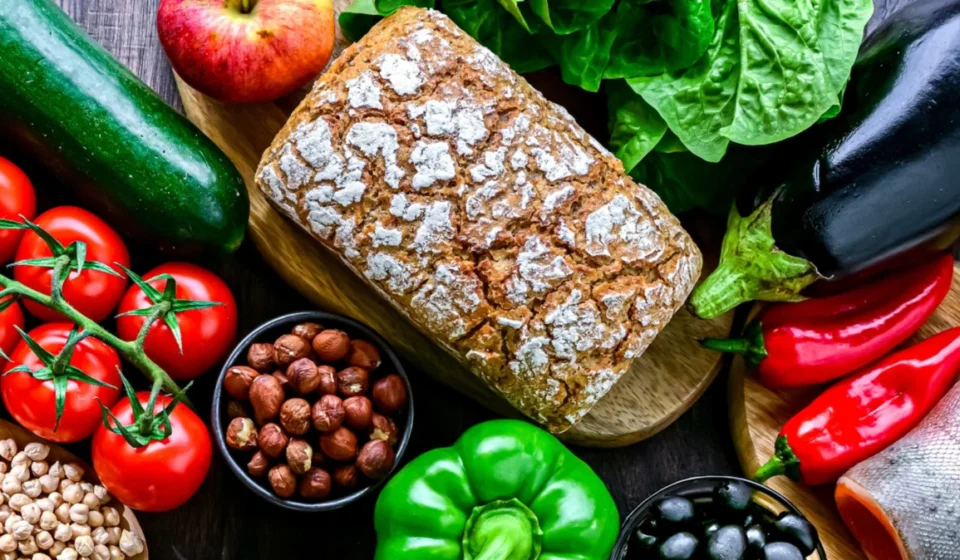
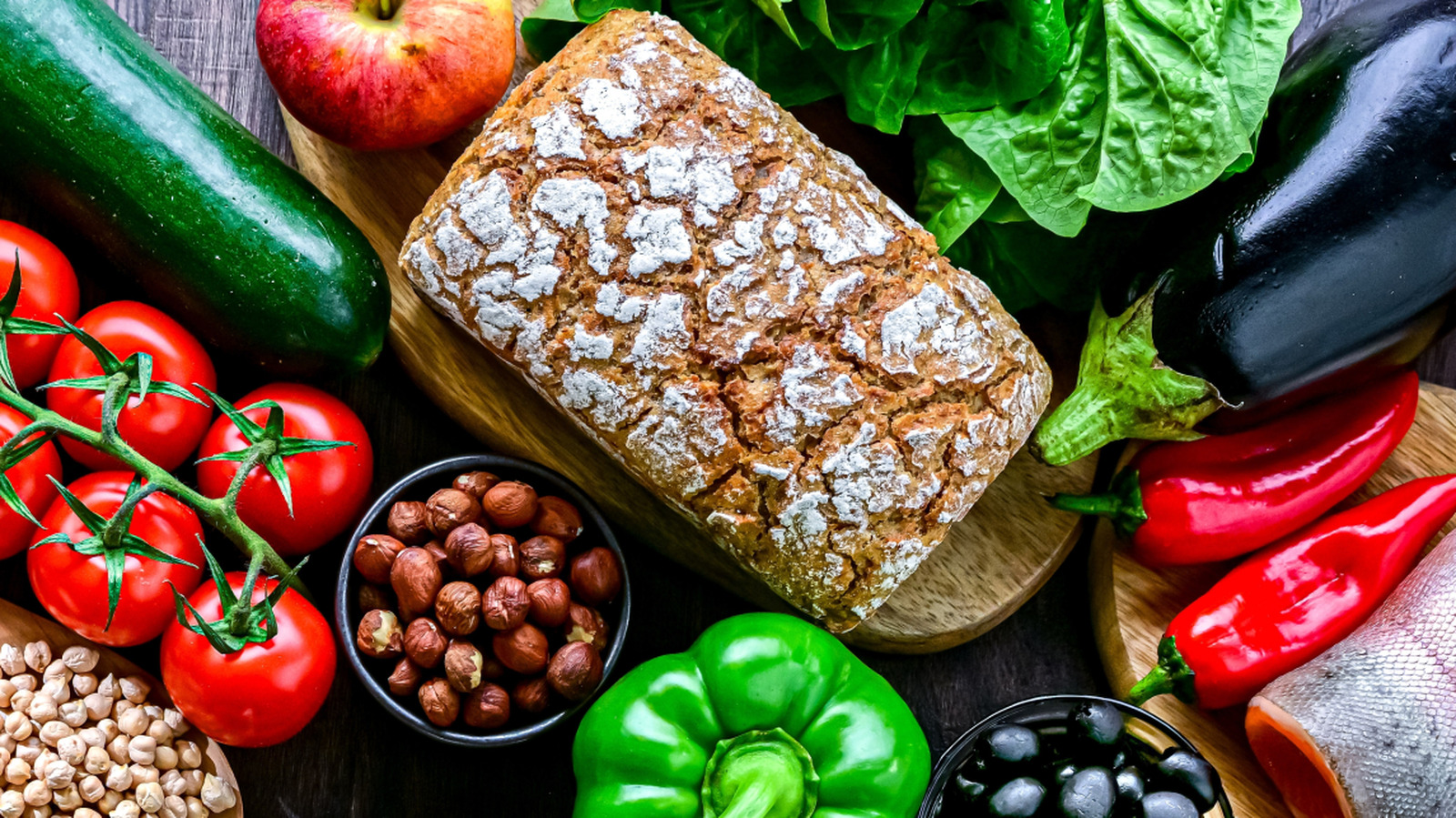
The Mediterranean diet is widely regarded by the medical community as the "gold standard" for longevity, but its role in neuro-endocrine health is equally compelling. The diet prioritizes whole foods, healthy fats, and lean proteins, providing a diverse array of micronutrients that directly influence hormonal balance.
Omega-3 Fatty Acids and Hormonal Equilibrium
Fatty fish, such as salmon, sardines, and mackerel, are the bedrock of an anti-inflammatory kitchen. These sources are rich in omega-3 fatty acids, which play a critical role in brain health and mood regulation. Luk highlights that omega-3s are essential for improving the ratio of omega-3 to omega-6 and omega-9 fatty acids in the body. An imbalanced ratio is often associated with increased inflammatory markers, which in turn can signal the body to maintain higher cortisol levels.
Magnesium: The Relaxation Mineral
If omega-3s are the body’s anti-inflammatory shield, magnesium is its relaxation mechanism. Magnesium is involved in hundreds of enzymatic reactions, including the regulation of the hypothalamic-pituitary-adrenal (HPA) axis—the body’s central stress response system. Foods like oats, bananas, leafy greens, and legumes are excellent sources of this mineral. By integrating these into the diet, individuals may experience improved sleep quality, which is vital, as sleep deprivation is one of the most potent triggers for cortisol spikes.
Strategic Nutrition: The "Crowding Out" Philosophy
A common pitfall in dietary changes is the focus on extreme restriction. When we categorize foods as "forbidden," we often increase our psychological stress, which is counterproductive to the goal of lowering cortisol.
Angel Luk advocates for a more sustainable approach: "crowding out." Instead of fixating on what to remove, focus on what to add. By prioritizing nutrient-dense foods—fiber-rich legumes, antioxidant-packed berries, and healthy fats—the body becomes satiated and physiologically balanced. Over time, the cravings for processed, inflammatory foods naturally diminish.
The Role of Fiber and Antioxidants
The gut-brain axis is a major player in stress management. A fiber-rich diet supports a healthy microbiome, which is responsible for producing neurotransmitters like serotonin. When the gut is nourished with prebiotics found in whole grains and vegetables, the body is better equipped to handle external stressors. Antioxidants, found in abundance in colorful fruits and vegetables, help combat the oxidative stress caused by high cortisol levels, protecting the body’s tissues from damage.
What to Avoid: Addressing the Alcohol Factor
While the "crowding out" method is generally preferred, Luk identifies one specific category that warrants complete re-evaluation: alcohol.
"It does not contribute any essential nutrition to the body and can be avoided completely without compromising our health," Luk states. Alcohol consumption is a known cortisol stimulant. While it may provide a fleeting sense of relaxation, it significantly worsens stress and anxiety in the short and long term by disrupting sleep architecture and causing spikes in blood sugar, which forces the body to release more cortisol to stabilize energy levels.
Implementation: The "Cortisol-Conscious" Daily Routine
Adopting a stress-busting diet does not require a complete overhaul of one’s lifestyle. Small, consistent shifts in habits yield the most significant results because cortisol regulation is a long-term, systemic process.
The Overnight Oat Strategy
Luk recommends a simple, actionable starting point: overnight oatmeal. This meal incorporates several pillars of an anti-inflammatory diet:
- Chia Seeds: A powerhouse of omega-3s and magnesium.
- Frozen Fruit: Provides antioxidants and fiber without the spoilage risk of fresh produce.
- Lower-fat Milk: A source of calcium and potassium, essential for blood pressure regulation during stress.
By preparing this the night before, individuals eliminate the "decision fatigue" that often leads to unhealthy breakfast choices during high-stress mornings.
Supporting Data: Why Consistency Matters
The medical consensus is clear: cortisol does not respond to a single meal, but rather to the cumulative impact of our nutritional patterns. Lab panels don’t tell the whole story, as cortisol fluctuates throughout the day according to our circadian rhythm. However, long-term indicators of health—such as blood pressure stability, sleep latency, and systemic inflammation markers (like C-reactive protein)—often improve when the diet is stabilized.
Research into the Mediterranean diet consistently shows that individuals adhering to these patterns have lower baseline levels of inflammatory cytokines. Because inflammation and cortisol share a reciprocal relationship—where each exacerbates the other—lowering the inflammatory load of our diet is the most reliable way to help the HPA axis return to a state of homeostasis.
Implications for Future Wellness
As we navigate an increasingly volatile world, the ability to manage our physiological stress response through diet is a skill of growing importance. It is not about reaching perfection; it is about building a foundation of resilience.
When we view food as information—messages we send to our cells—the choice between a processed snack and a nutrient-dense meal becomes a conscious act of self-care. By prioritizing fatty fish, magnesium-rich grains, and antioxidant-rich produce, and by minimizing alcohol, we provide our bodies with the stability they need to navigate modern stressors.
Ultimately, the goal is to create a "baseline" of health that allows the body to bounce back more quickly from life’s inevitable challenges. Consistency in our daily habits, such as incorporating omega-3s or opting for nutrient-dense snacks, serves as a quiet, powerful defense against the wear and tear of chronic stress. As Luk suggests, the best place to start is with the next meal you eat. By choosing ingredients that support, rather than tax, your internal systems, you are taking a definitive step toward a calmer, more resilient future.