

In the evolving landscape of nutritional science, the mantra of "five-a-day" has long served as the gold standard for public health. However, a landmark international study published on June 8, 2026, in the journal Food and Function suggests that while the quantity of fruits and vegetables we consume matters, the specific composition of those servings may be the missing link in preventing cardiovascular disease.
The research, a collaborative effort between the University of Reading, Harvard Medical School, the University of California Davis, and Mars, Inc., reveals a startling truth: most people are failing to consume enough flavanols—bioactive, plant-based compounds essential for heart health—even when they strictly adhere to conventional dietary guidelines.
The Core Findings: A Dietary Disconnect
The study, which analyzed the dietary data of more than 30,000 individuals across the United Kingdom and the United States, utilized advanced biomarker measurements to track the intake of flavanols. Unlike previous studies that relied solely on self-reported food diaries—which are notoriously prone to recall bias—this research provided an objective look at what was actually being absorbed by the human body.
The results were sobering. Fewer than 20% of the participants reached the threshold of flavanol intake associated with meaningful cardiovascular protection. Perhaps most concerning is that even among individuals who consistently met the recommended five daily servings of produce, a significant portion failed to hit the target for heart-protective flavanols. This suggests that the "five-a-day" paradigm, while effective for general wellness, lacks the precision required to optimize specific markers of long-term cardiac health.
Chronology: From the COSMOS Trial to the Present
To understand the significance of the 2026 findings, one must look back at the trajectory of flavanol research over the last decade.
- The Early Foundation: Researchers have long known that flavanols, found in tea, cocoa, and various berries, possess potent antioxidant and anti-inflammatory properties. However, quantifying the exact impact on mortality remained elusive until large-scale clinical trials were initiated.
- The COSMOS Study: The turning point occurred with the Cocoa Supplement and Multivitamin Outcomes Study (COSMOS). As the largest clinical trial to examine flavanols, the COSMOS study established a definitive clinical baseline: the consumption of 500 milligrams of flavanols per day was associated with a statistically significant reduction in the risk of death from heart disease.
- The 2026 Biomarker Study: Following the success of the COSMOS trial, the research team aimed to determine how the general population fared against this 500mg target. By utilizing biomarker analysis, they bridged the gap between clinical efficacy and real-world dietary habits. The June 2026 publication confirmed that the average intake in both the UK and US is significantly lower than the 500mg threshold, highlighting a systemic nutritional deficit.
Supporting Data: Why Choices Outweigh Volume
The central argument presented by the research team is that not all fruits and vegetables are created equal when it comes to flavanol density. While a broad diet of produce is vital for fiber and micronutrients, relying on "low-flavanol" options leaves a significant gap in heart-protective potential.
The researchers identified specific "super-sources" that provide the highest concentrations of flavanols per serving. Integrating these into a daily routine could, in theory, bridge the deficit without requiring a massive increase in total caloric intake:
High-Flavanol Dietary Powerhouses
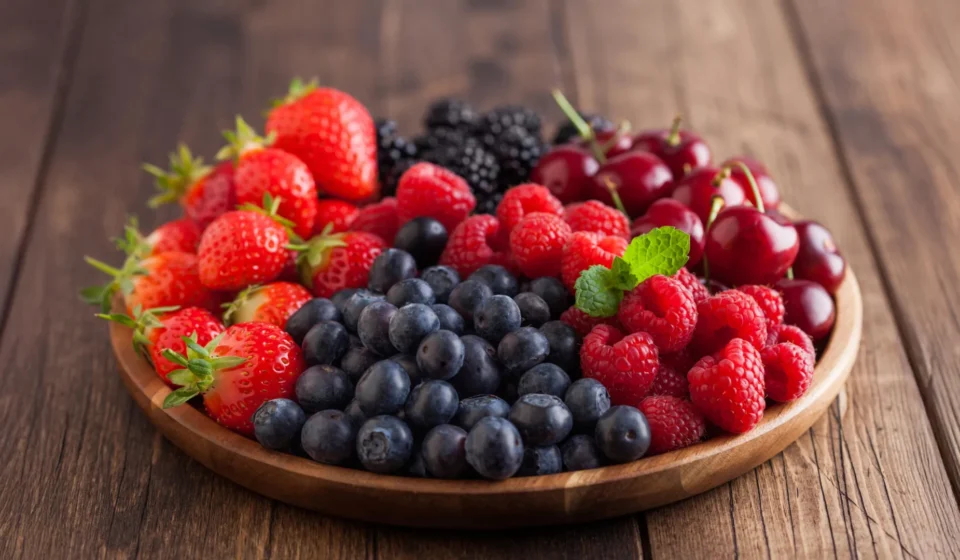
- Blueberries: A staple in heart-healthy diets, these provide a dense concentration of anthocyanins, a specific class of flavanols.
- Blackberries and Plums: These dark-pigmented fruits are exceptionally rich in the compounds necessary to support endothelial function—the ability of blood vessels to dilate and constrict properly.
- Broad Beans (Fava Beans): Often overlooked, these legumes are among the most potent sources of flavanols in the plant kingdom.
- Cherries: Particularly tart varieties, which offer a unique profile of compounds that aid in reducing systemic inflammation.
- Green Tea: Perhaps the most efficient delivery vehicle for flavanols. A single cup of green tea consumed alongside a meal can significantly enhance the bioavailability of flavanols from other food sources.
Official Responses: Shifting the Paradigm
The implications of these findings have sent ripples through the nutritional science community. The consensus among the study’s authors is that while current guidelines like the NHS Eatwell Guide provide a solid foundation, they may be insufficient in the modern era of chronic disease prevention.
Dr. Javier Ottaviani, the lead author of the study, emphasized the nuance required in modern dietary education. "Most people assume that eating plenty of fruit and vegetables covers this," Dr. Ottaviani stated. "But what this research shows is that the specific choices you make matter far more than the total amount. Including a handful of blackberries, a whole apple, or having a cup of green tea alongside your meal could make a real difference to how much of these beneficial compounds you actually consume and absorb from the diet."
Professor Gunter Kuhnle of the University of Reading echoed this sentiment, suggesting a pivot in how public health messages are delivered. "Five-a-day is the right message, but we may need to think more carefully about which five," he remarked. "Different fruits and vegetables offer very different nutritional benefits beyond vitamins and minerals. As our understanding of these compounds grows, there is a real opportunity to make dietary guidance more specific and more effective."
Implications for Public Health Policy
The findings raise profound questions about the future of dietary guidelines. If a large portion of the population is meeting the "quantity" target but failing the "quality" target, public health messaging may need to transition from a volume-based approach to a nutrient-dense approach.
1. Reframing the "Five-a-Day"
Future guidelines could evolve to include "flavanol-rich" categories. This would not negate the importance of fiber and vitamins found in all vegetables but would provide consumers with a "roadmap" to prioritize certain foods for specific health outcomes, such as blood pressure regulation and arterial health.
2. Clinical Integration
For medical professionals, this research provides a tool for better patient outcomes. Instead of generic advice to "eat more vegetables," physicians can now provide targeted recommendations for patients at risk of cardiovascular disease, suggesting the inclusion of specific high-flavanol foods to lower their clinical risk profile.
3. Food Labeling and Awareness
There is potential for a shift in how food products are marketed. If the public becomes more aware of the role of flavanols, there could be a market-driven increase in the availability and labeling of high-flavanol produce, much like the current emphasis on protein or fiber content.
Conclusion: The Path Toward Optimized Nutrition
The research published in Food and Function represents more than just a list of heart-healthy foods; it is a call for a more sophisticated understanding of human nutrition. By moving past the simplistic view that all plant matter is interchangeable, we can begin to utilize diet as a precise tool for disease prevention.
While the "five-a-day" rule remains a cornerstone of a healthy lifestyle, the evidence is clear: the path to heart health is paved by the choices we make within those five servings. By incorporating blueberries, broad beans, and green tea into our daily routines, we are not just eating for hunger—we are eating for longevity. As we look toward the future, the integration of these specific, flavanol-rich foods into standard dietary advice could prove to be one of the most effective, low-cost interventions in the fight against cardiovascular disease.
For the average consumer, the message is simple: keep eating your fruits and vegetables, but choose wisely. Your heart will thank you for the extra attention to detail.