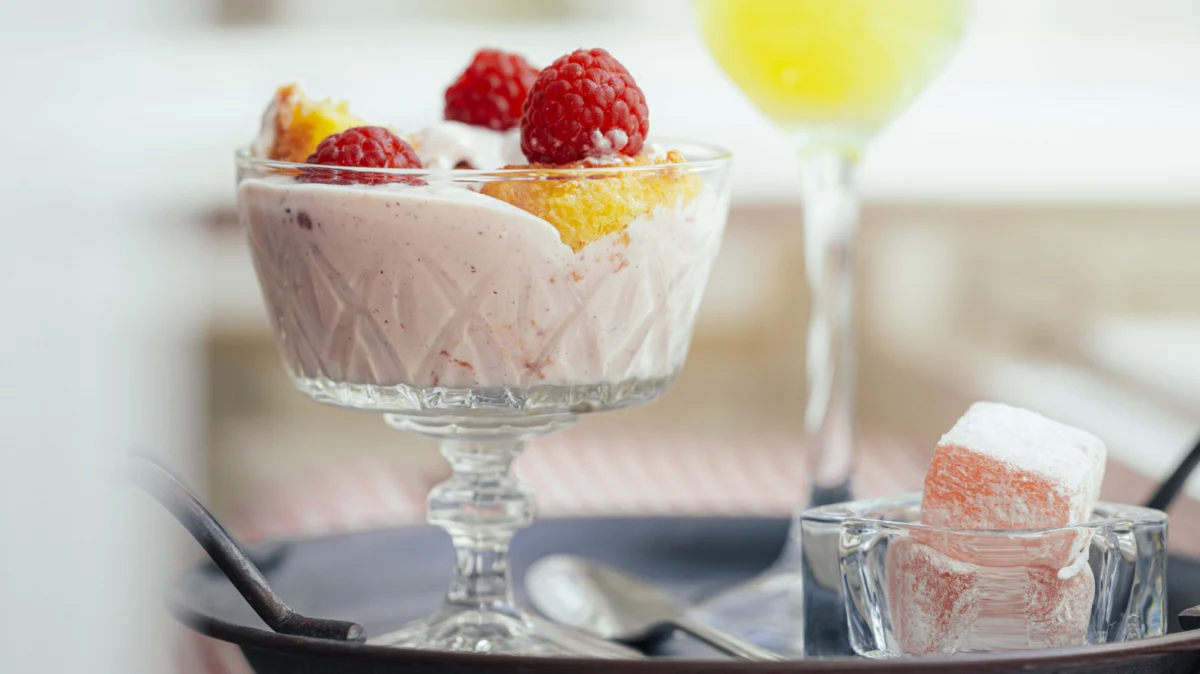
In the modern culinary lexicon, the term "salad" typically evokes images of crisp arugula, vine-ripened tomatoes, and balsamic vinaigrette. However, a significant chapter of American food history challenges this definition entirely. Long before the recent viral trends of "Snickers salads" and dessert-inspired bowls flooded TikTok feeds, there existed a simpler, more vibrant, and arguably more iconic staple of mid-century American potlucks: the Pink Lady salad.
Composed of a seemingly discordant trio—cottage cheese, strawberry Jell-O mix, and Cool Whip—this no-bake dessert has maintained a cult following for over six decades. While critics may scoff at its lack of leafy greens, the Pink Lady salad represents a fascinating intersection of post-war convenience food marketing, changing American household demographics, and the comfort-food nostalgia that continues to drive culinary trends today.
The Foundation: Main Facts of the Pink Lady Phenomenon
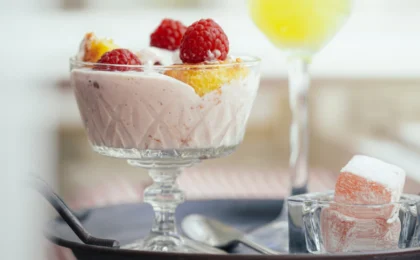
At its core, the Pink Lady salad, often referred to as "Pink Fluff," is a testament to the democratization of convenience. The preparation is deceptively simple: one combines dry strawberry-flavored gelatin powder with cottage cheese, folding in a whipped topping until the mixture achieves a uniform, pastel hue. After a brief maturation period of one to two hours in the refrigerator, the result is a creamy, sweet, and aesthetically striking dish that sits somewhere between a mousse and a fruit salad.
The primary appeal lies in the chemistry of its ingredients. The cottage cheese provides a structural, protein-rich base that prevents the dessert from becoming overly sugary, while the whipped topping introduces an airy, cloud-like mouthfeel. The Jell-O acts as both the flavor profile—typically strawberry, though highly customizable—and the binding agent that provides the signature vibrant aesthetic.
A Chronology of Convenience: The Rise of Mid-Century Gelatin
To understand the existence of the Pink Lady, one must understand the socio-economic landscape of the 1960s. This was the golden age of "refrigerator-ready" cooking.
The 1960s: The Dawn of the Jell-O Salad
Following World War II, American households were increasingly focused on speed and efficiency. The entry of women into the workforce and the rise of suburban living meant that dinner had to be prepared quickly. The makers of Jell-O capitalized on this by launching aggressive marketing campaigns that positioned gelatin not just as a dessert, but as a centerpiece for lunch and dinner. By 1960, the "Jell-O Salad" had become a status symbol of the modern kitchen.
The 1966 Catalyst: The Arrival of Cool Whip
The true turning point for the Pink Lady was the introduction of Cool Whip by the Bird’s Eye division of General Foods in 1966. Unlike traditional heavy cream, which required whipping and was prone to collapsing, Cool Whip offered a stable, pre-whipped alternative that could be kept in the freezer indefinitely. This innovation allowed for the creation of "fluff" salads, which relied on the stabilization of whipped non-dairy topping to maintain their structure over long periods at room temperature—perfect for the outdoor potlucks and church gatherings that defined the era.
The Modern Era: Digital Nostalgia
In the 21st century, the Pink Lady salad has undergone a revival. Driven by social media platforms like Instagram and Pinterest, younger generations are rediscovering these vintage recipes as a form of "ironic comfort." Food historians note that this resurgence is rarely about the nutritional value, but rather a collective yearning for the perceived simplicity of the mid-20th century.
Supporting Data: The Anatomy of a Fluff Salad
The enduring nature of this recipe is supported by its extreme versatility. Culinary data suggests that regional variations have kept the dish relevant across the American Midwest and the South for generations.
Essential Components and Substitutions
- The Binder: While cottage cheese is the traditional base, modern chefs often substitute cream cheese or Greek yogurt for a denser, tangier result.
- The Flavor Engine: While strawberry is the gold standard, orange and lime variations were common in the 70s. Contemporary experimentation has even seen the inclusion of butterscotch or chocolate, though these versions move the dish further from the traditional "Pink Lady" aesthetic.
- Texture Additions: The inclusion of mini marshmallows, toasted pecans, or walnuts adds a necessary crunch to contrast the softness of the base.
- Fruit Inclusions: Canned crushed pineapple remains the most popular additive, valued for its ability to cut through the sweetness of the gelatin.
Nutritional Implications
From a nutritional standpoint, the Pink Lady is undeniably a dessert. A standard serving contains high levels of processed sugars and refined dairy. However, compared to modern processed desserts, it is relatively low in fat if cottage cheese is used as the primary volume agent. It serves as a classic example of "home-style" cooking—not intended for daily consumption, but rather as a celebratory item for community events.
Official Perspectives and Culinary Analysis
Professional chefs and food historians have long debated the merits of the "salad" designation for these types of dishes.
"The term ‘salad’ in the mid-century context was a catch-all term for anything served in a bowl, usually chilled," says culinary historian Martha Jenkins. "When you look at the 1950s and 60s, a salad was a medium for showcasing ingredients that were otherwise difficult to keep fresh. The Pink Lady is a byproduct of the era’s fascination with gelatin as a preservative medium. It was a way to make fruit feel like a ‘course’ rather than just a snack."
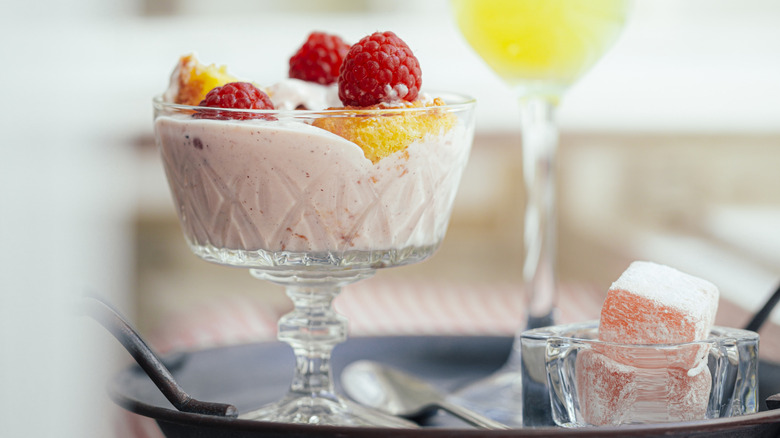
In recent years, the professional culinary world has begun to treat these vintage recipes with a degree of respect. High-end restaurants in the South have been known to serve "elevated" versions of Pink Fluff, using house-made whipped cream and fresh macerated berries instead of canned components, proving that the structural integrity of the recipe is sound even when the quality of ingredients is upgraded.
Implications for Future Gastronomy
The existence of the Pink Lady salad forces us to examine the boundaries of American cuisine. It is a reminder that culture is not just defined by fine dining or farm-to-table movements, but by the "pantry-to-table" innovations of the working class.
The Shift Toward "Experience" Eating
The popularity of the Pink Lady among younger generations suggests a shift in food culture. Younger consumers are less interested in the strict rules of traditional culinary technique and more interested in the "experience" of a dish. The bright pink color, the ease of preparation, and the ability to customize the dish to one’s specific palate make it a perfect candidate for the digital age, where visual impact is as important as flavor.
Sustainability and the Future of Convenience
While the Pink Lady relies heavily on processed foods, the future of the dish likely lies in "cleaner" versions. As consumers become more conscious of artificial dyes and stabilizers, we are seeing a move toward using natural fruit purees and gelatin alternatives. However, the core identity—the "fluff" factor—remains non-negotiable.
Conclusion
The Pink Lady salad is more than just a relic of a bygone era; it is a durable piece of American folklore. Whether one considers it a culinary atrocity or a nostalgic masterpiece, its longevity speaks for itself. It has survived the decline of the mid-century potluck, the rise of the health-conscious movement, and the global transformation of the culinary industry.
As we look toward the future of food, it is clear that there will always be a place for the simple, the sweet, and the vibrant. If you have a bowl, a spoon, and a desire to connect with a piece of American culinary history, the Pink Lady salad stands ready to be rediscovered. It is a dish that proves that sometimes, the most enduring recipes aren’t the ones that demand the most from the chef, but the ones that offer the most joy to the guest. So, the next time you find yourself with a tub of cottage cheese, a box of Jell-O, and some whipped topping, remember: you aren’t just making a salad; you’re participating in a legacy that has brought color and sweetness to millions of tables for over sixty years.