The landscape of metabolic medicine has been fundamentally altered by the meteoric rise of glucagon-like peptide-1 (GLP-1) receptor agonists. Drugs such as Ozempic, Wegovy, Mounjaro, and Zepbound have become household names, celebrated for their transformative effects on obesity and type 2 diabetes. By mimicking hormones that regulate appetite and blood sugar, these medications have provided millions with a powerful tool for weight management and metabolic health.
However, as the global footprint of these drugs expands, so too does the body of evidence regarding their secondary effects. A groundbreaking series of studies presented at the 2026 European Academy of Dermatology and Venereology (EADV) Congress has shed light on an overlooked phenomenon: a significant correlation between GLP-1 use and dermatological changes, specifically involving the fingernails and the scalp.
The Study: Investigating the Unseen Side Effects
For years, clinical discourse surrounding GLP-1 agonists focused almost exclusively on gastrointestinal side effects—nausea, vomiting, and constipation. While dermatological changes were occasionally noted in anecdotal patient reports, they lacked the rigorous scrutiny of a controlled, multinational study.
That changed with the publication of the latest research, which examined 575 individuals currently prescribed GLP-1 medications and compared them against a control group of 1,329 individuals who shared similar profiles—living with obesity or type 2 diabetes—but who had never utilized the drugs. The study, which drew participants from diverse healthcare settings in the United States, Brazil, Mexico, and France, marks the first large-scale attempt to quantify the relationship between these life-altering medications and the health of skin appendages.
Nail Health: The Disquieting Data
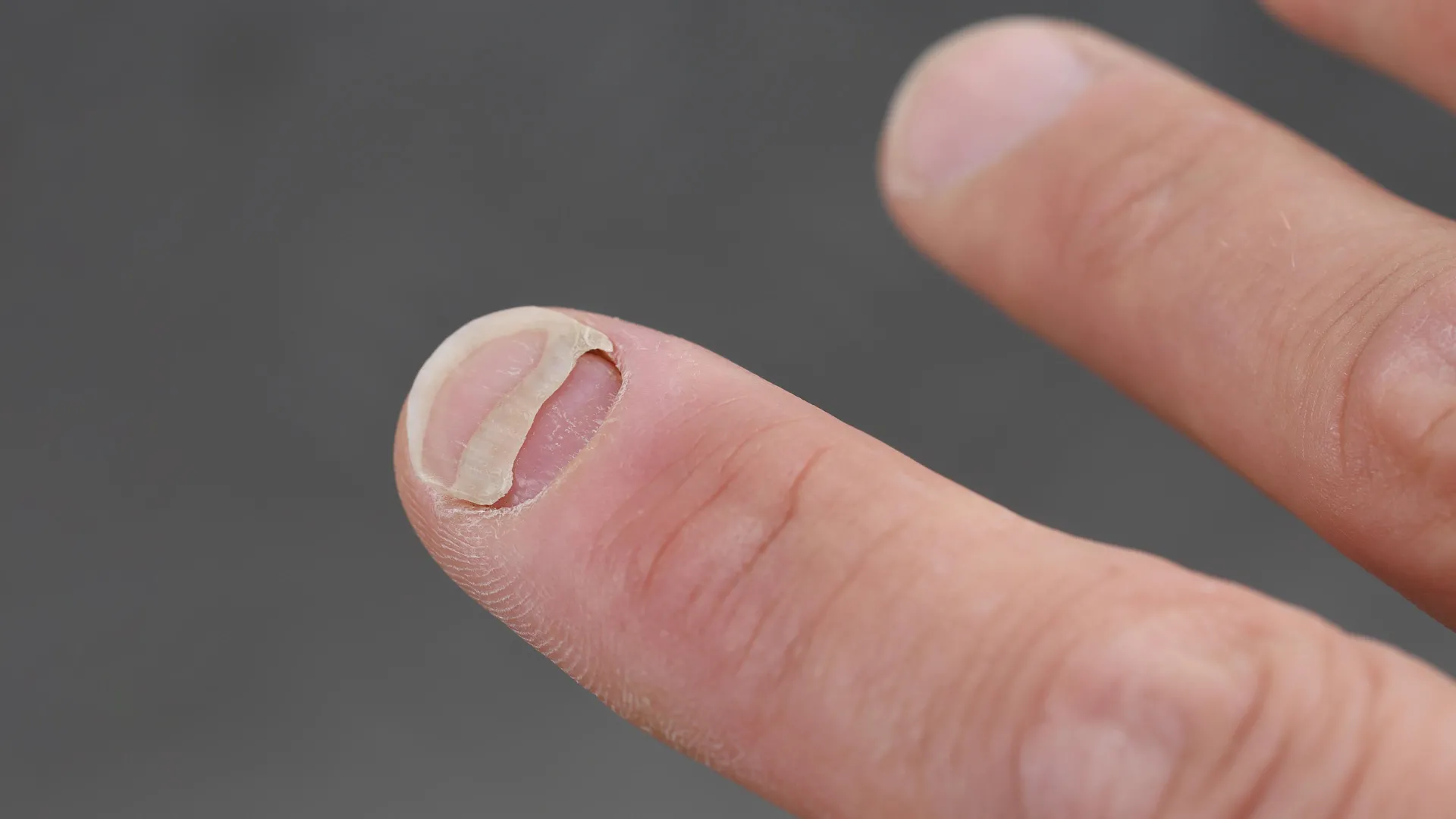
The findings were stark. The study revealed that 66% of GLP-1 users experienced at least one nail disorder, compared to 53% in the control group. More concerning, however, was the incidence of onycholysis—or nail detachment—where the nail plate separates from the nail bed. Users of GLP-1 medications were found to be more than four times as likely to report this condition than non-users. Furthermore, nail discoloration emerged as a significant differentiator, affecting 46% of those on the medication versus just 17% of the control group.
Chronology of Clinical Observations
The journey to these findings began with a growing volume of "noise" in clinical practice. As physicians observed more patients on GLP-1 regimens, reports of brittle, discolored, or shedding nails began to surface.
- The Anecdotal Phase: Initially, these reports were treated as isolated incidents, often attributed to the rapid weight loss that accompanies these drugs. It was widely hypothesized that the nutritional stress of shedding pounds quickly was the culprit.
- The Observational Shift: As the frequency of reports increased, researchers at the EADV recognized that the data required systematic categorization. The shift moved from individual patient stories to a structured, cross-sectional analysis aimed at filtering out coincidental health issues.
- The 2026 EADV Presentation: The data presented at the 2026 Congress provided the first empirical foundation for these claims, forcing the medical community to look beyond the metabolic benefits and consider the systemic physiological footprint of the drugs.
Beyond Weight Loss: Decoupling Causality
A critical component of the research was determining whether these nail and hair changes were merely byproducts of rapid weight loss. Rapid fluctuations in body mass are known to trigger telogen effluvium (hair shedding) and nutritional deficiencies that impact keratin production.
To isolate the medication’s effect, researchers performed a sub-analysis limited exclusively to participants who had lost weight. The results were telling: even when controlling for weight loss, GLP-1 users still reported significantly higher rates of nail disorders than those in the control group.
"Our findings show a clear association, but they also underline an important point: not everything that happens during GLP-1 treatment is necessarily caused by the treatment itself," noted study author Dr. Charles Taïeb.
While the association is undeniable, the researchers were careful to avoid claims of direct causation. Notably, nearly half of the medication users reported having some form of nail issue prior to starting their GLP-1 journey, suggesting that the drugs may exacerbate pre-existing vulnerabilities rather than serving as the sole origin point for these conditions. Even after adjusting for pre-existing skin conditions and nutritional status, the prevalence of nail detachment and discoloration remained two to three times higher in the treatment group.
The Scalp Connection: Inflammation vs. Shedding
The study did not limit its scope to the hands. A companion investigation into hair and scalp health yielded equally compelling, and perhaps more nuanced, results.
Half of the GLP-1 users reported unusual hair loss, compared to 34% of the control group. When focusing on hair loss that began strictly after the initiation of treatment, the disparity grew: 26% of GLP-1 users reported new-onset shedding, more than double the 12% rate seen in non-users.
Perhaps the most significant revelation was the presence of scalp inflammation. Rather than simple shedding, many patients reported itchy, red, or flaking skin on the scalp. Dr. Bruno Halioua, a co-author of the study, noted that these symptoms point toward an inflammatory mechanism.
"Scalp inflammation was the rule rather than the exception," Dr. Halioua explained. "This suggests that what is happening on the scalp may go beyond the classical shedding seen after rapid weight loss and involve an inflammatory component that clinicians do not currently look for."
Implications for Patients and Clinicians
For the millions of patients currently navigating the benefits of Ozempic, Zepbound, and their counterparts, the researchers emphasize a message of caution rather than panic.
A Call for Vigilance, Not Alarm
The conditions reported—while uncomfortable—are generally considered benign. The researchers stress that these findings are not a reason for patients to unilaterally discontinue life-saving metabolic treatment. The medical consensus is that the long-term benefits of managing obesity and type 2 diabetes regarding cardiovascular and metabolic health far outweigh the aesthetic or minor dermatological distress caused by these side effects.
Future Directions for Research
The limitations of the current study are clear. Being a cross-sectional study, it captures a "snapshot" in time rather than tracking patients from their first dose. Consequently, it establishes a correlation but cannot confirm the biological mechanism.
To bridge this gap, the research team is planning prospective studies that will follow patients longitudinally. These future investigations will include:
- Standardized Dermatological Exams: Moving away from self-reported symptoms toward clinical observation by dermatologists.
- Biological Monitoring: Assessing blood markers to determine if there is a specific nutritional deficiency or systemic inflammatory reaction triggered by GLP-1s.
- Temporal Mapping: Identifying exactly when these symptoms appear in the treatment timeline and whether they are transient or chronic.
Conclusion
As GLP-1 receptor agonists continue to redefine the standard of care for metabolic disorders, the medical community must remain agile. The findings presented at the 2026 EADV Congress represent a vital step in the maturation of our understanding of these drugs. By acknowledging that these medications may exert systemic influences—including on the nails and scalp—clinicians can provide more comprehensive counseling to their patients.
For patients, the takeaway is clear: communication is key. If you are experiencing changes in your hair or nail health while on a GLP-1 medication, do not despair, and do not stop your treatment without medical consultation. Instead, document your symptoms, discuss them with your healthcare provider, and participate in the evolving conversation about the full-body impact of these powerful medications. With continued research supported by institutions like DUCRAY Laboratories, the medical community will likely soon be able to offer targeted interventions to manage these side effects, ensuring that the journey to better metabolic health is as comfortable as it is effective.