While the global lexicon of fried chicken is vast—spanning from the delicate crunch of Japanese karaage to the hearty, schnitzel-like preparations of Central Europe—the United States maintains a singular obsession with the Southern style. In the modern era, the landscape of Louisiana-inspired fried chicken has been dominated by behemoths: the spicy, crisp-skinned allure of Popeyes and the focused, sauce-centric empire of Raising Cane’s.
Yet, for those who truly know the culinary soul of Baton Rouge, the conversation regarding fried chicken does not begin with the nationwide giants. It begins with a humble, family-operated institution that has been serving "knuckle suckin’ good" chicken since the mid-1930s. Chicken Shack is not merely a restaurant; it is a historic pillar of the Baton Rouge community, predating the birth of its massive competitors by decades and serving as a testament to the endurance of family-run enterprise.
The Foundation of a Baton Rouge Institution
To understand the magnitude of Chicken Shack’s longevity, one must look at the timeline of the Louisiana fried chicken industry. Popeyes, founded in 1972 by Al Copeland, transformed the fast-food landscape with its Cajun-spiced profile. Raising Cane’s, founded in 1996 by Todd Graves, revolutionized the concept of the "chicken finger" as a standalone fast-casual staple.
Chicken Shack, however, traces its lineage back to 1935. Founded by Thomas "Tommy" H. Delpit, the business started with a modest investment of just 35 cents—a sum that, when adjusted for inflation, represents a small but symbolic stake in what would become a generational legacy. Originally dubbed the "Suburban Ice Cream Parlor," the shop served as a neighborhood hub for sweets and refreshments.
It was not until 1937 that Delpit rebranded the establishment as "Chicken Shack." This pivotal transition was influenced by Delpit’s time in New Orleans, where he refined his culinary skills, experimenting with Creole staples and the specific technique that would define his chicken for the next nine decades. By the time the rest of the world caught on to the appeal of Louisiana-style fried chicken, the Delpits were already a household name in Baton Rouge.
A Culinary Philosophy: The Wet-Batter Technique
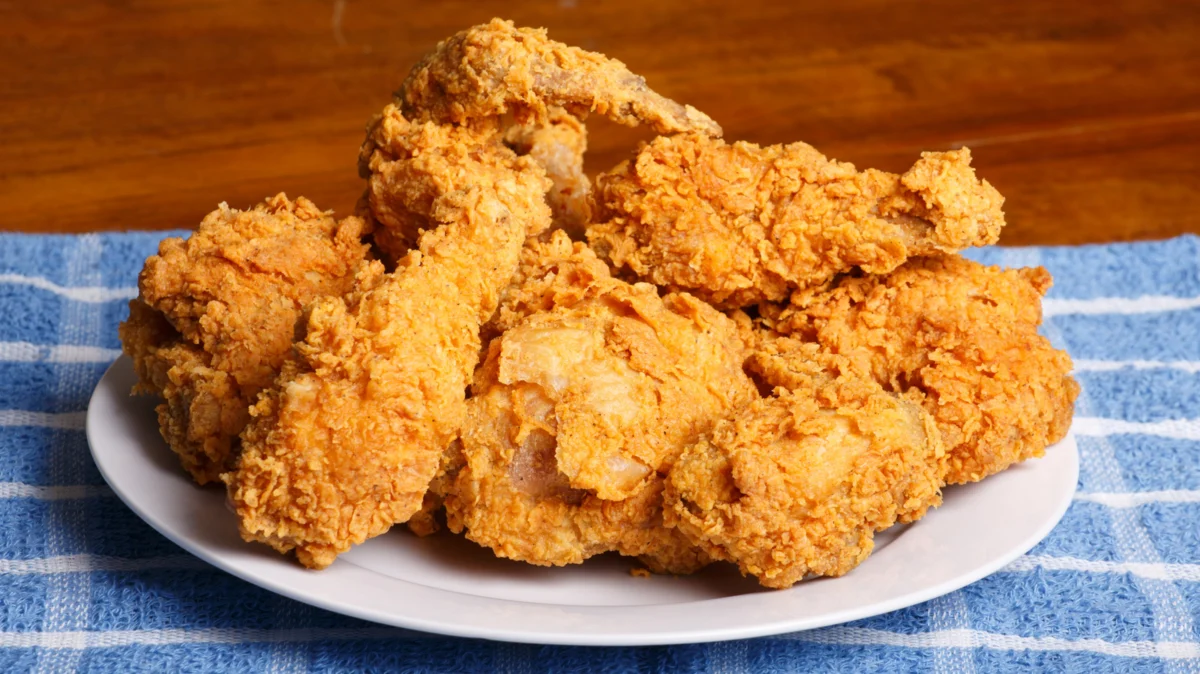
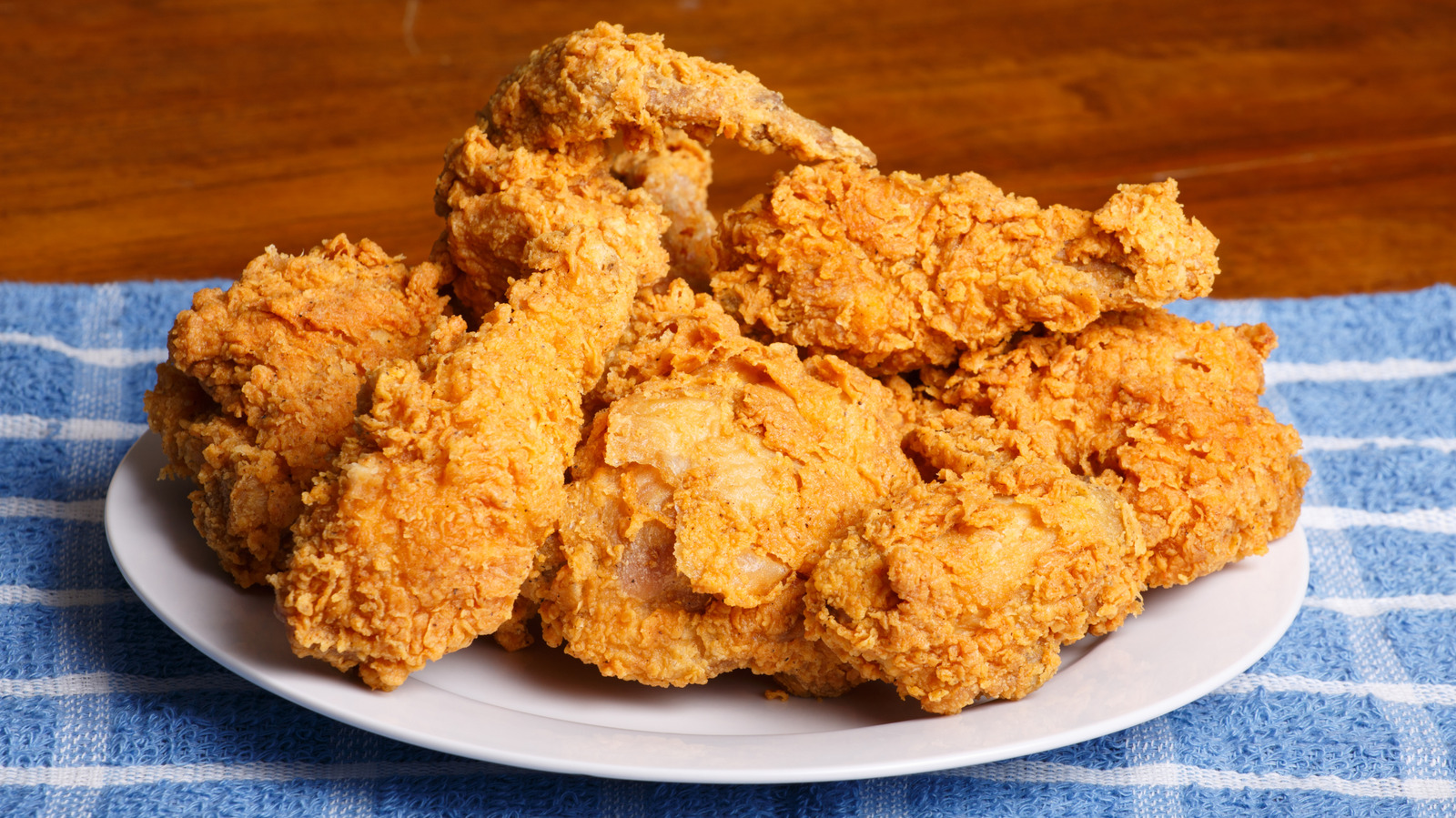
The distinctiveness of Chicken Shack’s product lies in its preparation. Unlike the heavy, flour-based breading common in mass-market chains, Chicken Shack utilizes a signature wet-batter technique. The chicken is dipped directly into hot oil, a process that creates a unique, golden, and shatteringly crisp exterior that clings to the meat rather than forming a detached crust.
This approach is deliberate. By prioritizing the texture of the skin and the moisture of the meat, the restaurant delivers what locals describe as "knuckle suckin’" chicken. It is a distinction from the "finger lickin’" marketing popularized by national brands; here, the experience is intended to be immersive and deeply satisfying.
The menu is a roadmap of Southern comfort food. Beyond the titular chicken—offered in dinners, family packs, and tender variations—the restaurant serves fried pork chops, fish, and shrimp. The sides are equally rooted in tradition: mustard greens, candied yams, rice dressing, coleslaw, and a rich, creamy macaroni and cheese. For dessert, the restaurant remains faithful to its roots, offering traditional peach cobbler and sweet potato or lemon pies.
Chronology of the Delpit Dynasty
The history of Chicken Shack is effectively the history of the Delpit family. Following the death of founder Tommy Delpit in 1959, the mantle was passed to his son, Joe Delpit. Under Joe’s leadership, the business solidified its status as a local landmark. By 1973, Joe and his wife took full ownership, steering the company through the volatile decades of the late 20th century, during which the fast-food industry exploded around them.
The transition from a small ice cream shop to a multi-location enterprise was not merely a commercial expansion; it was a preservation of culture. Today, the business operates two primary locations in Baton Rouge: one on Acadian Highway and another on Pawtucket Street. These locations serve as the primary hubs for the brand, maintaining the recipes that Tommy Delpit perfected nearly a century ago.
The continuity of the brand is bolstered by long-term staff, such as general manager Troy Carter. Carter’s role, spanning several decades, exemplifies the "family-first" culture of the establishment. His daily ritual—recording a voicemail message detailing the day’s specials, followed by an inspirational quote—has become a cherished tradition for regular customers, bridging the gap between a modern business operation and a community-centered institution.
Supporting Data: The Impact of Scale vs. Legacy
While Popeyes and Raising Cane’s operate on a global scale with thousands of locations, Chicken Shack’s impact is measured in depth rather than breadth. The economic contrast is stark: where the giants utilize standardized industrial supply chains, Chicken Shack maintains a localized approach to food preparation.
- 1935: The initial investment of $0.35 into the Suburban Ice Cream Parlor.
- 1937: Rebranding to Chicken Shack, incorporating red beans, rice, and fried chicken.
- 1972: The launch of Popeyes, introducing the global market to Cajun-style fried chicken.
- 1996: The founding of Raising Cane’s, popularizing the chicken tender concept.
- Current Status: Chicken Shack remains a two-location operation, focusing on quality control and neighborhood loyalty.
The implications of this data are clear: Chicken Shack occupies a space that is largely immune to the trends that dictate the success of national chains. Its customer base is multigenerational, with grandparents who visited the shop in the 1950s bringing their grandchildren today.
Official Responses and Community Perception
The Delpit family has historically maintained a low-profile, public-facing presence, preferring to let the food speak for itself. In interviews and community forums, the sentiment from the Baton Rouge public is one of protective pride. Residents frequently cite the restaurant as a "must-visit" for outsiders, emphasizing that while one might find convenience at a chain, one finds "soul" at the Shack.
The restaurant’s survival amidst the rise of major fast-food corporations is often cited by local historians as a case study in brand resilience. In an era where "authenticity" is a buzzword, Chicken Shack offers a rare example of a business that never had to pivot to become authentic; it was born that way.
Implications for the Future
As the culinary landscape shifts toward farm-to-table and hyper-local experiences, establishments like Chicken Shack find themselves in a favorable position. They represent the original "local" movement. The challenge for the future, however, remains the same as it was for Joe Delpit in the 1970s: how to maintain the integrity of a labor-intensive, wet-batter frying process while managing the expectations of a modern, fast-paced consumer base.
The loyalty of the Baton Rouge community suggests that as long as the Delpit family and their dedicated staff continue to honor the original recipes, the restaurant will continue to be more than just a place to eat. It is a living, breathing component of Louisiana history.
In the final analysis, while Popeyes and Raising Cane’s may have won the war for national market share, Chicken Shack has secured something more permanent: the title of Baton Rouge’s most enduring fried chicken experience. It is a reminder that in the world of Southern cooking, the oldest recipe is often the best one, and that true quality is never out of style, regardless of how many chains decide to open up across the street.