By TechCrunch News Desk
Updated: October 11, 2026, 2:14 PM PDT
In a move that signals a profound shift in its domestic technology strategy, Apple is set to unveil its most ambitious smart home initiative to date. According to industry reports from Bloomberg’s Mark Gurman, the Cupertino-based tech giant is scheduled to announce a new flagship smart home hub, the “HomeView,” this coming Tuesday. This launch marks a turning point for Apple as it seeks to reclaim territory in a market where it has historically struggled to gain the same dominance it enjoys in the mobile and wearable sectors.
The Core Offering: What is the HomeView?
The HomeView is designed to serve as the central nervous system of the modern home. Unlike the existing HomePod lineup, which focused primarily on high-fidelity audio, the HomeView is a dedicated command center. Built around a high-resolution display, the device is powered by Apple’s cutting-edge A18 silicon—the same chip architecture found in the latest iPhones. This processing power suggests that Apple is prioritizing on-device intelligence, likely to facilitate faster Siri interactions and complex local automation without the latency often associated with cloud-based smart home systems.
According to preliminary specifications, the HomeView will arrive in two distinct configurations:
- The Countertop Model: Designed for kitchen islands, desks, or nightstands, this version will feature a sleek, adjustable stand, focusing on ease of interaction and visual accessibility.
- The Wall-Mounted Model: A slim, flush-mount iteration intended to replace or augment traditional light switches and wall panels, acting as a permanent, always-on interface for the home.
The integration of the A18 chip is perhaps the most significant detail. By bringing such high-performance hardware into a wall-mounted unit, Apple is signaling that it expects this device to handle intensive tasks, including real-time video processing for security feeds, advanced Siri voice recognition, and perhaps even light computational photography or local AI model execution.
A Chronology of Apple’s Smart Home Ambitions
Apple’s journey into the smart home has been a protracted and often turbulent saga. To understand the significance of the HomeView, one must look at the timeline of the company’s efforts to control the living room.
- 2014: Apple introduces HomeKit, a software framework designed to allow users to control smart home devices via Apple devices. While secure, it was initially criticized for a complex setup process and a limited ecosystem of compatible third-party devices.
- 2018: The HomePod (original) launches. Despite its industry-leading audio quality, the high price point and the perceived limitations of Siri at the time prevented it from becoming the mainstream smart home hub Apple had hoped for.
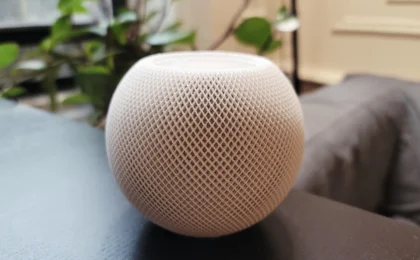
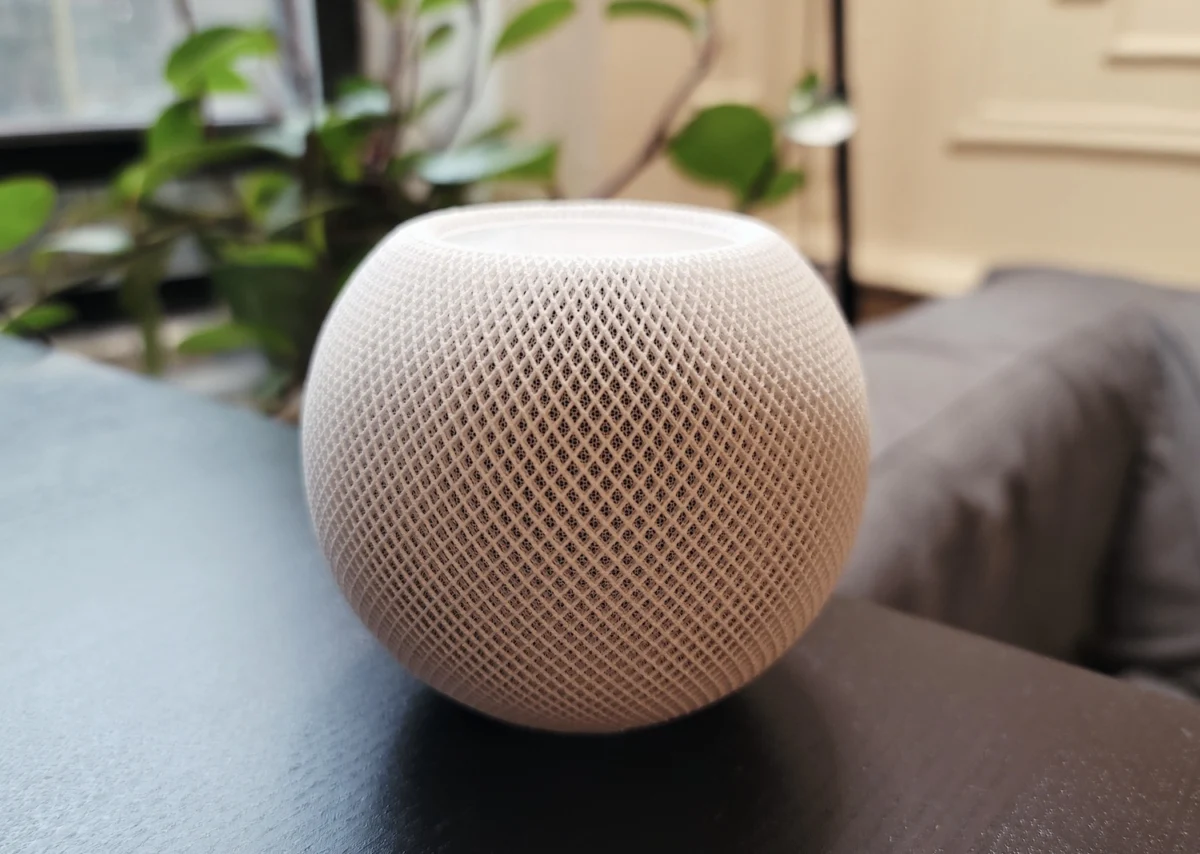
- 2020-2023: Apple attempts to find its footing with the HomePod mini and a refreshed second-generation HomePod. While these devices achieved better market penetration, they remained primarily "speakers that can do smart home things" rather than "smart home hubs that can play music."
- 2025: Reports surface detailing significant internal friction. Projects to create a dedicated smart display are reportedly delayed due to "Siri challenges"—specifically, the difficulty of optimizing Apple’s voice assistant for the nuances of smart home interaction compared to competitors like Amazon’s Alexa or Google Assistant.
- October 2026: The culmination of these efforts arrives. With the HomeView, Apple is moving away from the "audio-first" philosophy that defined its previous hardware efforts.
Supporting Data: Why Now?
The smart home market is currently saturated with fragmented ecosystems. While Amazon and Google have dominated the entry-level market with low-cost speakers and screens, Apple has struggled to provide a compelling, high-end "home experience" that justifies a premium price point.
Industry analysts note that the smart home sector is projected to grow by nearly 15% annually through 2030. However, the biggest barrier to adoption remains interoperability. By leaning into the Matter standard—which Apple has helped develop—and coupling it with the proprietary power of the A18 chip, Apple is positioning the HomeView as the "stable" alternative to the often-buggy, fragmented experience offered by competitors.
Furthermore, the data suggests that users are experiencing "app fatigue." Moving smart home controls from a smartphone screen to a dedicated, always-on device like the HomeView addresses a core consumer pain point: the friction of unlocking a phone and navigating through apps just to dim the lights or check a camera feed.

Ecosystem Expansion: Beyond the Hub
The HomeView is not arriving in a vacuum. On Tuesday, Apple is expected to announce a series of accompanying updates:
- Next-Gen Apple TV: A refreshed set-top box is expected to be unveiled, potentially featuring deeper integration with the HomeView, serving as the media processing backbone while the HomeView handles the ambient intelligence.
- HomePod mini Refresh: A subtle update to the entry-level speaker, likely focusing on improved connectivity protocols to better mesh with the HomeView’s mesh network capabilities.
- The LG Partnership: In a surprising twist, Apple is reportedly teaming up with electronics giant LG. This partnership is expected to yield a specialized suite of "Apple-verified" hardware, including high-end smart locks, thermostats, and video doorbells. This suggests that Apple is finally willing to outsource some of the "boring" hardware engineering to established players while maintaining strict control over the software layer.
Official Responses and Industry Outlook
While Apple has yet to issue an official press release—adhering to its standard policy of not commenting on unreleased products—the internal sentiment, as leaked through supply chain sources, is one of cautious optimism.
"The HomeView is not just another gadget," says one analyst familiar with the development. "It is an attempt to turn Siri from a digital assistant into a domestic operator."
Competitors, however, are watching closely. The success of the HomeView will depend largely on how well it handles third-party integration. If Apple restricts the HomeView to its own ecosystem, it risks alienating the vast majority of consumers who have already invested in Philips Hue, Ring, or Ecobee hardware. If, however, it leans into the open-source nature of the Matter standard, the HomeView could effectively become the "gold standard" for smart home management.
Implications for the Future
The launch of the HomeView represents a shift in Apple’s broader business model. For years, the company has been criticized for being overly reliant on the iPhone. By pivoting to the smart home, Apple is attempting to create a "sticky" ecosystem that keeps users locked into the Apple experience not just in their pockets, but in every room of their houses.
The Privacy Edge
One of the key selling points Apple is expected to emphasize is privacy. In an era where data breaches and concerns over "listening" smart devices are at an all-time high, Apple’s commitment to on-device processing—made possible by the powerful A18 chip—will likely be a central theme of the marketing campaign. By processing voice commands and video analysis locally rather than in the cloud, Apple is betting that security-conscious consumers will pay a premium for the HomeView over cheaper, cloud-dependent alternatives.
A New Era for Siri?
Perhaps most importantly, the HomeView will serve as a stress test for a revamped Siri. With AI models becoming increasingly sophisticated, Apple’s ability to turn Siri into a proactive, intelligent agent that understands context—rather than just responding to basic commands—will determine the longevity of the HomeView.
As Tuesday approaches, the tech world waits to see if Apple can finally translate its unparalleled design language and software integration into the living room. If the HomeView succeeds, it will not only redefine the smart home market but also secure Apple’s presence in the domestic sphere for the next decade. If it fails, it may force Apple to reconsider its role in the home entirely, perhaps pushing the company to focus exclusively on its core strengths of mobile computing and personal wearables.
For now, the stage is set. With a new chip, a new form factor, and a strategic partnership with LG, Apple is preparing to make its most significant argument yet: that the future of the home is not just smart—it is, in every sense of the word, Apple.