In the fiercely competitive landscape of premium automotive manufacturing, where German juggernauts and agile boutique brands dictate the rhythm of the market, DS Automobiles has often occupied a unique, albeit quiet, niche. Born from the storied heritage of Citroën but striving for an identity distinct from its parent company, the brand has struggled to maintain consistent visibility. However, as the 2026 Paris Motor Show approaches, the Stellantis-owned marque has emerged from the shadows with a bold declaration of intent: the DS F3VER.
Far more than a mere design exercise, the F3VER is a "design manifesto"—a conceptual roadmap outlining the brand’s aesthetic and engineering trajectory for the next decade. By blending avant-garde styling with a radical approach to manufacturing efficiency, DS is signaling that it intends to remain a permanent, high-concept fixture within the sprawling Stellantis portfolio.
The Genesis of the F3VER: A New Chapter for DS
The DS brand has long been defined by its pursuit of "French luxury," a term that encompasses everything from intricate leather stitching to architectural exterior flourishes. Yet, in an era dominated by mass-market electrification and standardized platform sharing, the challenge for DS has been to retain its "specialness" without succumbing to the homogenizing forces of corporate synergy.
The F3VER concept—the name itself a play on "fever," suggesting a sudden surge of passion and vision—is the brand’s response to these challenges. Unveiled ahead of its public debut in Paris, the concept car serves as a bridge between the current DS 3 and the next generation of premium electric vehicles (EVs) that the company is currently developing. It is an exploration of form, light, and materiality, designed to prove that the brand still possesses the creative autonomy to challenge established luxury norms.
Exterior Design: A Sculpted Masterpiece of Light and Shadow
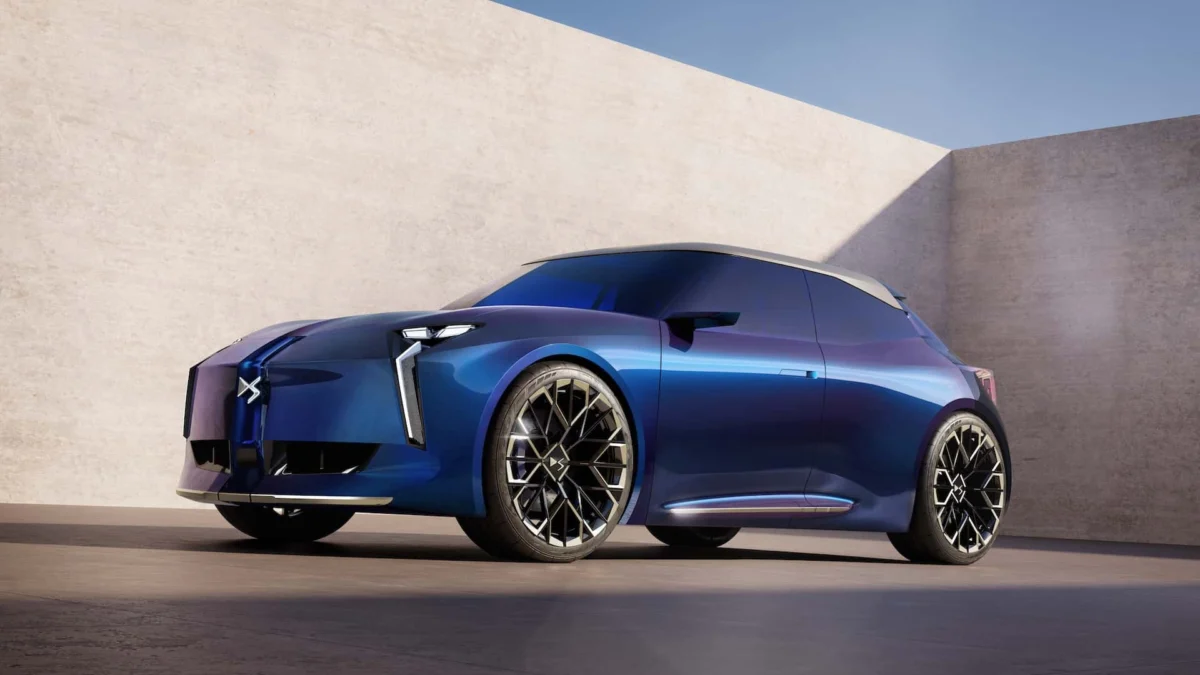
Measuring 4.19 meters in length and 1.84 meters in width, the F3VER presents a compact, athletic stance that defies the current industry trend of bloating vehicles to satisfy the global appetite for massive SUVs. It is a car built for the city, yet it carries the presence of a grand tourer.
The Art of Illumination
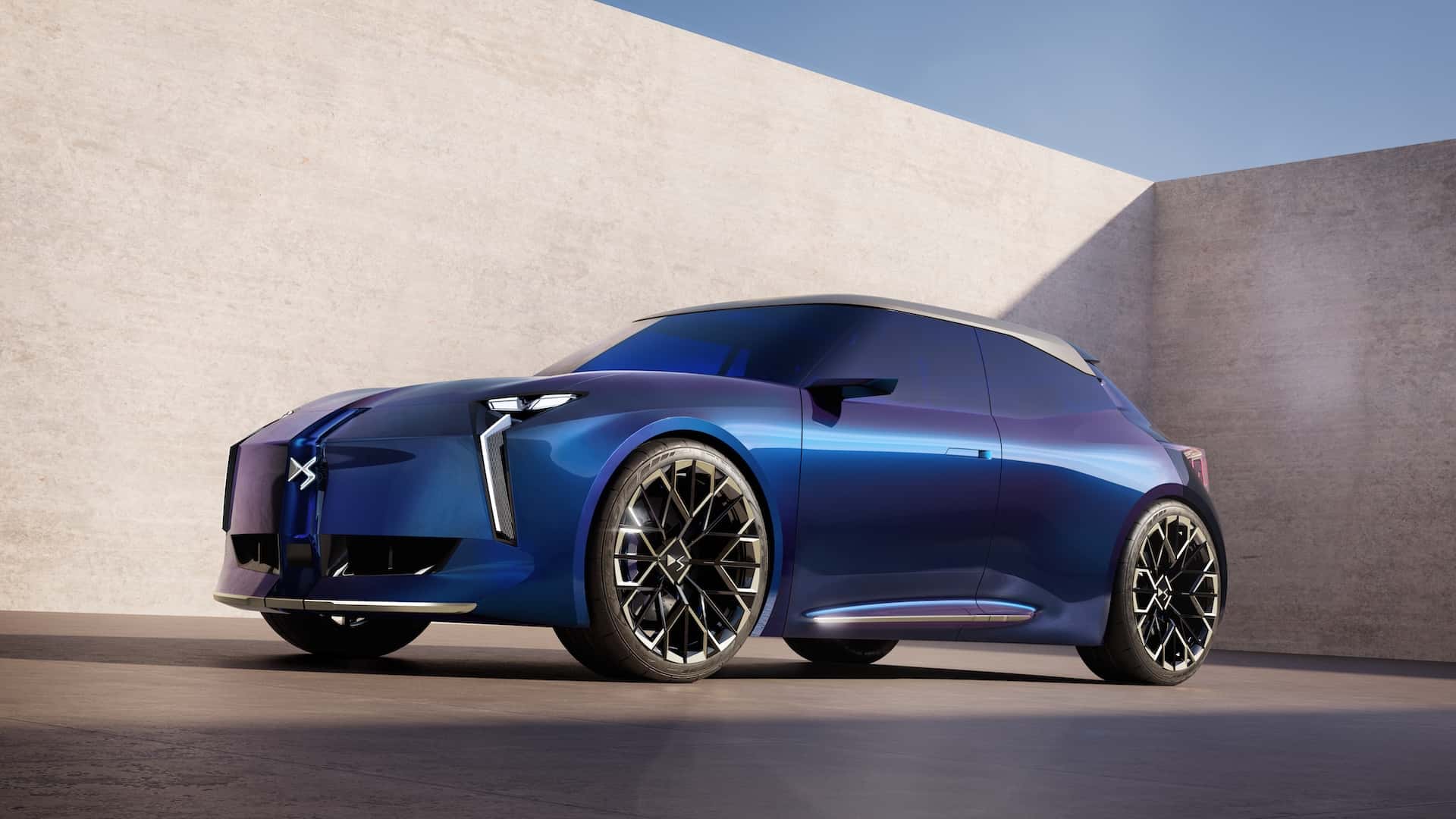
The most defining feature of the F3VER is its relationship with light. The front fascia is anchored by a vertical central element that houses the iconic DS emblem, acting as a visual axis. This is flanked by Y-shaped lighting signatures that cut through the darkness, giving the car a predatory, futuristic aesthetic.
However, the rear of the vehicle is where the engineering team truly flexed its creative muscles. The taillights consist of 16 individual LED panels mounted on a lightweight magnesium structure. The design is inspired by the vaulted roof of Paris’ Grand Palais, creating a multidimensional, "infinite" look that gives the impression of a tunnel of light. This lighting system is not merely aesthetic; it is communicative, capable of displaying animations that can signal intent or convey information to other road users, pushing the boundaries of automotive lighting technology.
Aesthetic Sophistication
To drape this structure, DS developed an exclusive "Cosmic Blue" paint finish. This finish is a feat of material science, appearing as a vibrant, electric blue in direct sunlight while shifting to a deep, brooding violet in lower light conditions. This two-tone effect is further emphasized by the contrast between the bodywork and the roofline, which wraps around the rear, creating a seamless, organic silhouette. The wheels, finished with subtle champagne accents, feature a "Clous de Paris" pattern—a nod to the fine watchmaking and jewelry techniques that have become a hallmark of the brand’s interior and exterior detailing.
Engineering Philosophy: The "Design Intelligence" Approach
While the exterior is meant to dazzle, the core of the F3VER project lies in a philosophy DS calls "Design Intelligence." In an industry increasingly focused on adding complexity, the F3VER pushes for simplification.
The goal is to create a vehicle with fewer components, thereby reducing overall weight, improving aerodynamic efficiency, and lowering the complexity of the manufacturing process. By utilizing one-piece bumpers, integrated lighting assemblies, and minimizing the plastic cladding typically found around wheel arches, the designers have achieved a "clean" look that feels premium rather than utilitarian.
This approach is not just about aesthetics; it is a calculated response to the economic pressures facing modern car manufacturers. If these techniques can be transitioned to mass production, they would allow DS to produce higher-quality, more efficient vehicles at a lower cost, a necessity for a brand looking to scale its EV ambitions within the Stellantis ecosystem.
Interior and Utility: Luxury Without Compromise
Despite its dramatic, low-slung exterior, the F3VER is, at its heart, a vehicle designed for the real world. The wheelbase of 2.70 meters is exceptionally long for a car of this size, a design choice intended to maximize interior passenger space.
The cabin remains a work in progress, but the preliminary specs highlight a 400-liter trunk capacity—a figure that effectively challenges segment leaders and makes the car a viable option for weekend getaways and urban commutes alike. The integration of "Design Intelligence" inside means that the cabin is expected to prioritize tactile, sustainable materials, moving away from traditional plastics toward recycled, high-end textiles that reflect a modern, conscious approach to luxury.
The Strategic Context: Stellantis and the EV Future
It is impossible to discuss the F3VER without acknowledging the environment in which it was born. Stellantis, as the parent company, has been under intense pressure to fix quality issues and streamline the identity of its 14 brands. For DS, the F3VER is a vital, existential document.
Why the F3VER Matters
The brand has been working to distance itself from its Citroën roots, but it has faced criticism for a lack of clear direction. The F3VER serves as a definitive answer to the question: "What is the future of DS?" By focusing on customization—where the owner can influence everything from light signatures to interior configurations—the brand is positioning itself as a boutique luxury provider rather than a volume manufacturer.
The Missing Pieces
Despite the fanfare, the F3VER remains a concept. DS has not yet provided concrete details regarding the powertrain, the specific battery chemistry, or the range expectations for the production models that this car will eventually inspire. While they have teased "class-leading range," the automotive world is currently flooded with such promises, and competitors like Audi, Mercedes-Benz, and Mini have already established significant technical benchmarks.
The true test for DS will be the transition from the F3VER’s "manifesto" phase to a viable, homologated production vehicle. If the brand can retain the spirit of the F3VER—the lightweight engineering, the bold lighting, and the bespoke customization—while delivering a competitive EV powertrain, it could finally secure the foothold it has been searching for.
Implications: A Path Forward?
The release of the F3VER suggests that the leadership at Stellantis is willing to invest in the design-led recovery of its premium marques. The concept car stands alongside other experimental reveals at the Paris Motor Show, such as the reimagined Fiat Multipla and the Peugeot E-T16, indicating that the group is allowing its designers to take risks again.
For the potential customer, the F3VER promises a future where the French automobile is once again synonymous with innovation and style. The reliance on "Design Intelligence" and the focus on material refinement suggest a brand that is learning from its past mistakes and looking toward a future where "premium" is defined by thoughtful, efficient, and highly individual design.
As the industry moves toward a mandatory electric future, the cars that survive will be those that offer an emotional connection. The DS F3VER is an attempt to manufacture that emotion. Whether it succeeds in shifting the market’s perception of DS from "niche" to "essential" will depend on the brand’s ability to execute this vision in the cold, hard reality of the production line.
For now, however, the F3VER succeeds in its primary goal: it has made the world look at DS Automobiles once again, and in a market this crowded, that is the most important first step. The road ahead remains long, and the competition is unforgiving, but for the first time in years, the path forward for the French brand looks both bright and remarkably distinct.