In the pantheon of horror icons, few figures are as chillingly indelible as Margaret White, the religious zealot who serves as the primary antagonist in Stephen King’s 1974 debut novel, Carrie. For decades, the character has been defined by a singular, suffocating brand of fanaticism—a mother whose love was indistinguishable from cruelty. However, in Mike Flanagan’s upcoming Prime Video adaptation of the classic tale, the character is undergoing a radical metamorphosis. At the heart of this transformation is Samantha Sloyan, a staple of the "Flanaganverse," who is tasking herself with the most difficult challenge of her career: making the monster human.
The Evolution of a Modern Horror Staple
Samantha Sloyan’s career has been intrinsically linked to the vision of showrunner Mike Flanagan. From the quiet, grounding presence of Leigh Crain in The Haunting of Hill House to the witchy, enigmatic herbalist in The Midnight Club, Sloyan has displayed a remarkable range. Yet, it was her turn as the self-righteous, scheming Beverly Keane in Midnight Mass that cemented her status as one of the most compelling performers in contemporary horror.
In Midnight Mass, Sloyan portrayed a woman whose religious fervor masked a deep-seated need for control and validation. It was a performance that drew both ire and awe from audiences. Now, as she steps into the shoes of Margaret White for Prime Video’s reimagining of Carrie, Sloyan is tasked with a new directive: finding the "loving mother" buried beneath the layers of trauma and religious obsession that have defined the character for over fifty years.
A Chronology of the White Legacy
The trajectory of the Carrie narrative has been marked by several high-profile adaptations, each reflecting the anxieties of its time:
- 1974: Stephen King publishes Carrie, introducing the world to a telekinetic teenager suffering under the thumb of an ultra-fundamentalist mother.
- 1976: Brian De Palma releases the seminal film adaptation, with Piper Laurie’s Oscar-nominated performance as Margaret White establishing the archetype of the abusive, religious fanatic.
- 2002/2013: Subsequent adaptations largely adhered to the established dynamic of a purely antagonistic, abusive mother-daughter relationship.
- 2026: Mike Flanagan’s Prime Video series begins production, signaling a shift toward a serialized, character-focused deep dive into the psychological origins of both Carrie and Margaret.
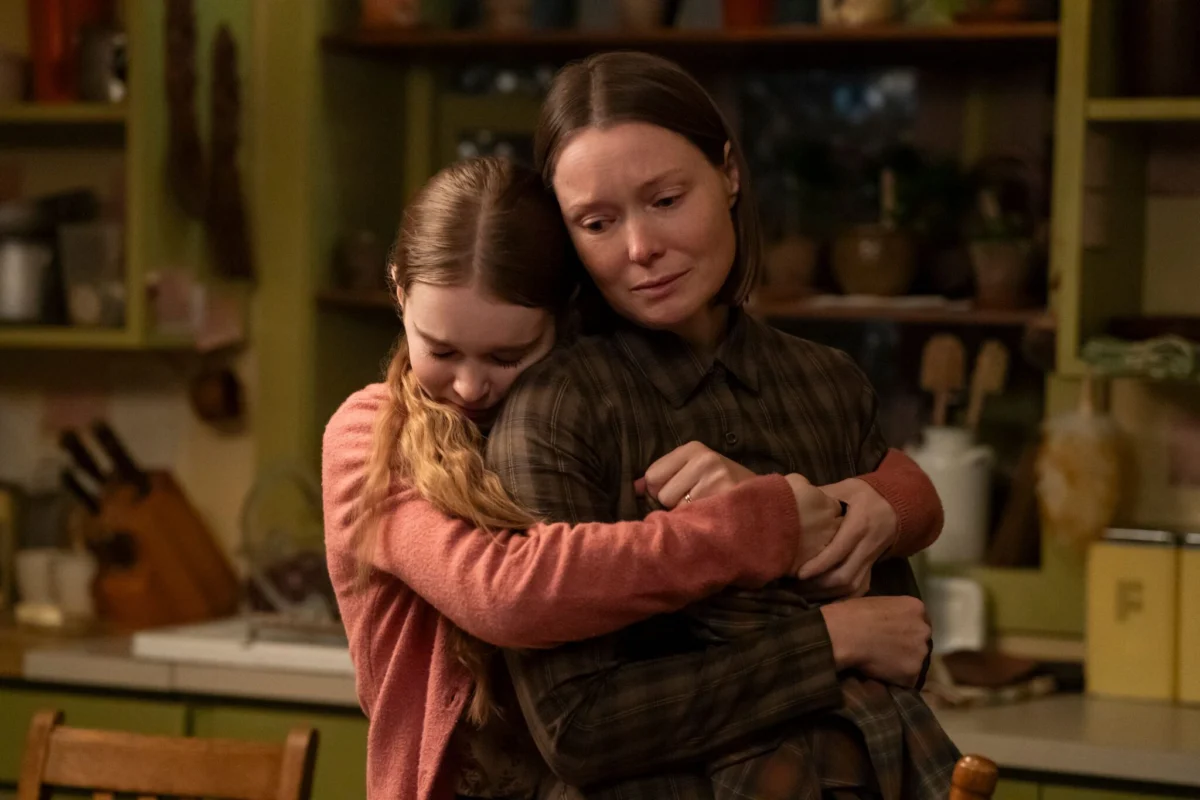
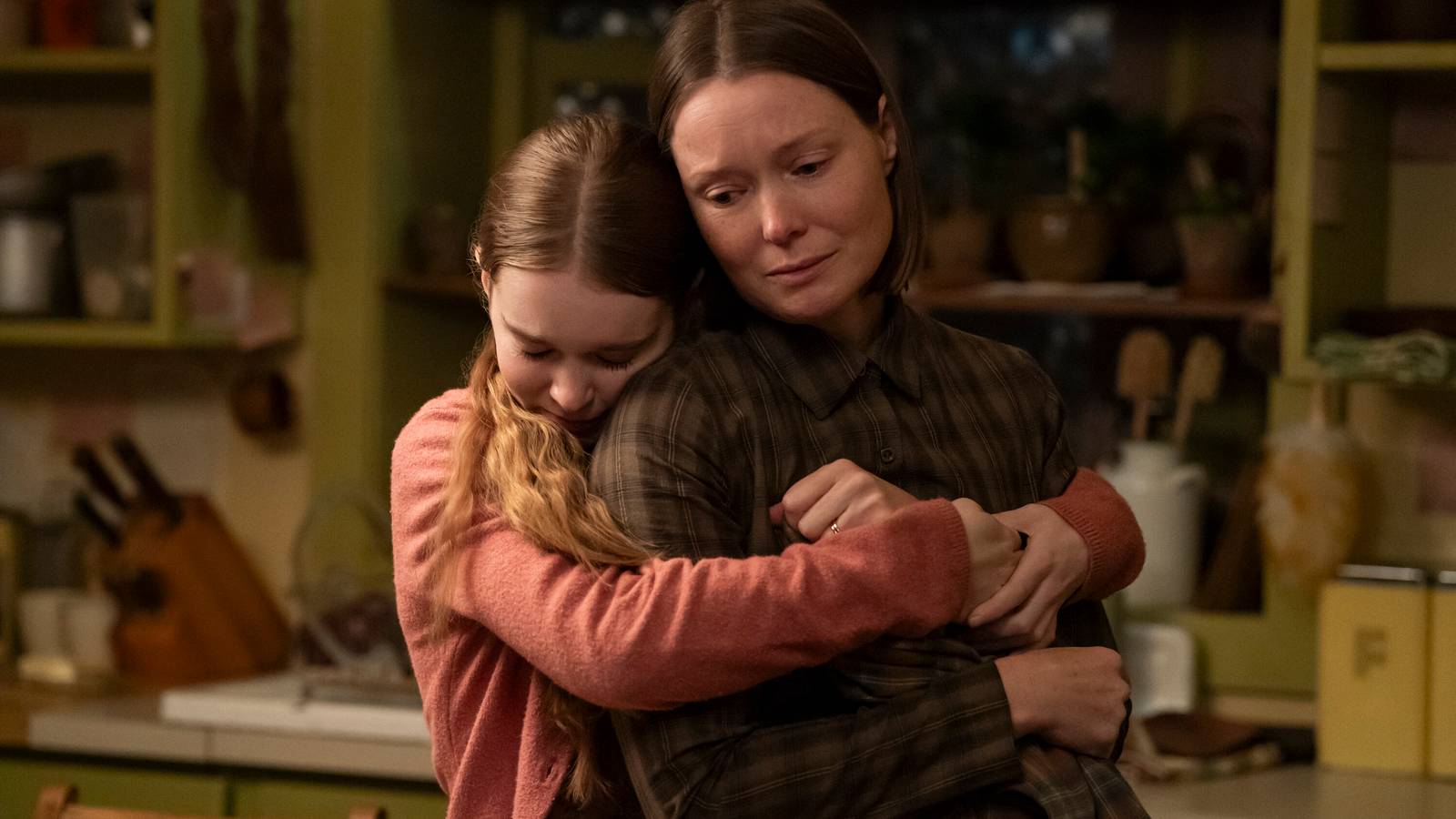
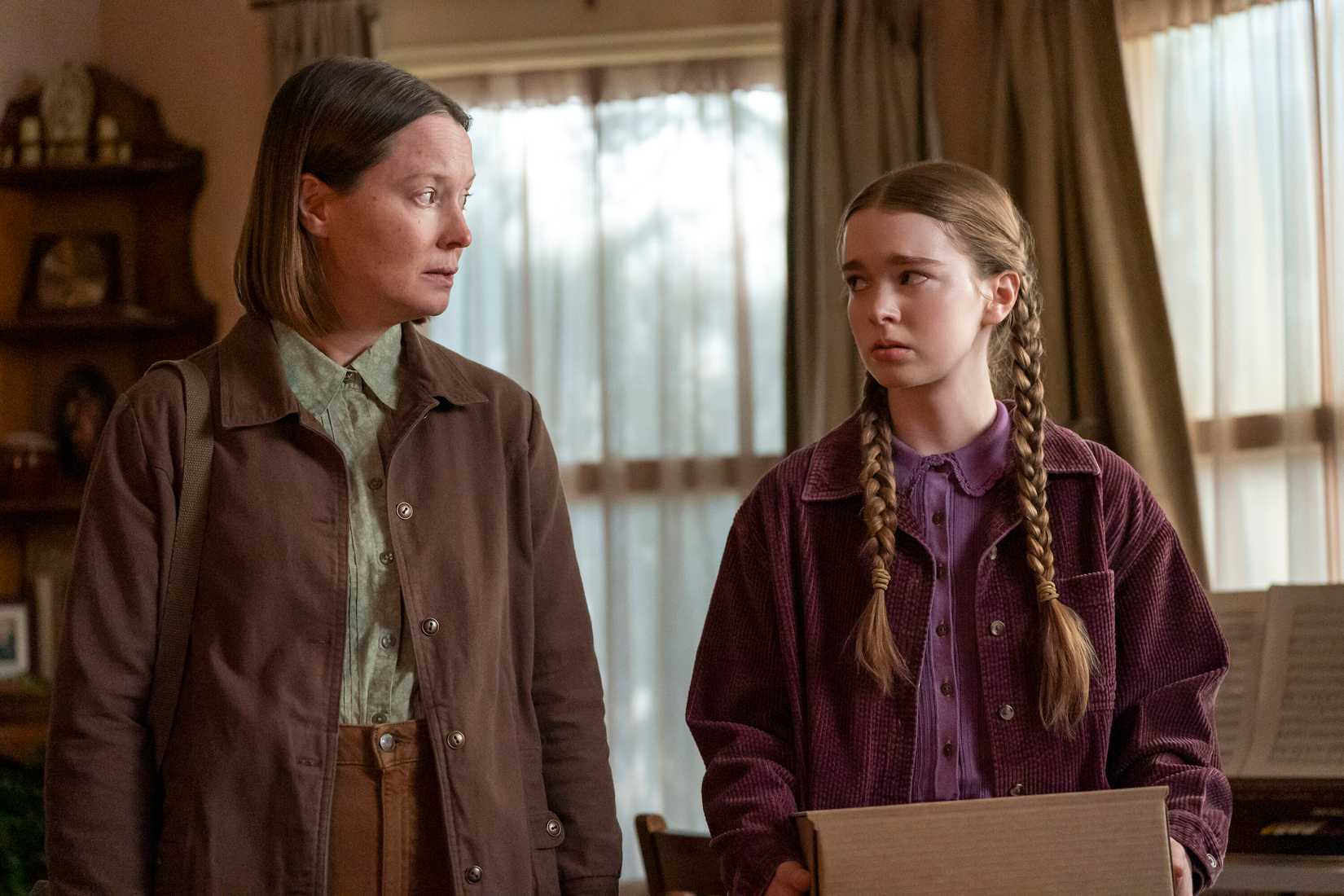
Flanagan’s approach to the material is not to remake the 1976 film, but to deconstruct the core of King’s source material. "Mike’s point of view for this—of ‘why Carrie?’—was to bring everything down really to its foundation and then rebuild it as a different structure in a lot of ways," Sloyan explains. "A big portion of that is Margaret. He really wanted Margaret and Carrie’s relationship to be a loving mother and daughter."
The Digital Crucible: Updating the Bullying Narrative
Perhaps the most significant departure from the source material is the series’ integration of modern technology. In previous iterations, the bullying of Carrie White was confined to the physical walls of the high school. In this version, the torment takes place in the palm of everyone’s hand.

The character of Chris Hargensen, the primary schoolyard antagonist, utilizes an anonymous Instagram account dubbed "Carrie Red" to spread rumors and vitriol. This digital warfare creates an environment where nowhere is safe for the titular character. However, the show takes an unexpected turn when Margaret White—a character historically defined by her isolation from modern society—chooses to engage with this world.
Margaret, driven by a protective, albeit misguided, instinct, creates her own social media presence. Her goal is to expose the student behind "Carrie Red" and, in her mind, save her daughter. The narrative arc sees Margaret become intoxicated by the power of the platform, eventually leading an anti-bullying movement that rapidly spirals out of control. It is a cautionary tale regarding the dangers of digital radicalization and the volatility of public outrage.
Official Perspectives: The Synergy of Creator and Muse
The creative relationship between Mike Flanagan and Samantha Sloyan is built on a foundation of mutual professional reverence. For Flanagan, casting Sloyan as Margaret was a logical evolution of their collaboration.
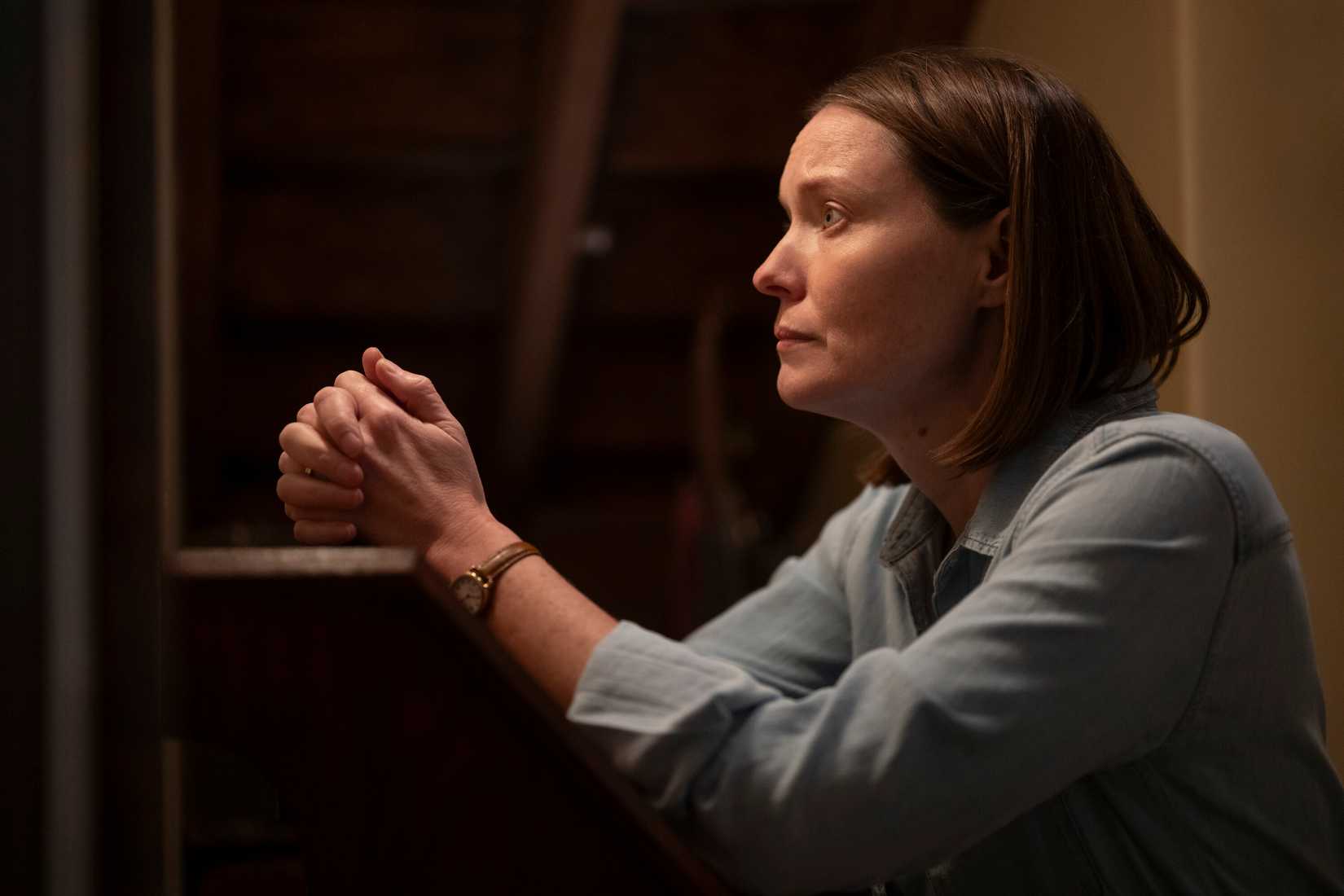
"She’s honestly one of the best actors I’ve ever met," Flanagan says. When pressed on why he continues to return to Sloyan for his most complex antagonist roles, he points to a paradox: "It’s so counterintuitive because Sam is maybe the least villainous person I’ve ever met. Sam’s one of the kindest, most egoless people I’ve ever encountered."
Flanagan suggests that it is precisely this kindness that allows Sloyan to inhabit "villains" with such terrifying authenticity. She does not play the "bad guy" as a caricature; she plays them as the protagonists of their own flawed stories. "Sam approaches the world with a profound empathy," Flanagan notes. "She’s very fast to say, ‘Oh yes, I know that they’re an antagonist. I know that they’re a villain, but not in their mind.’"
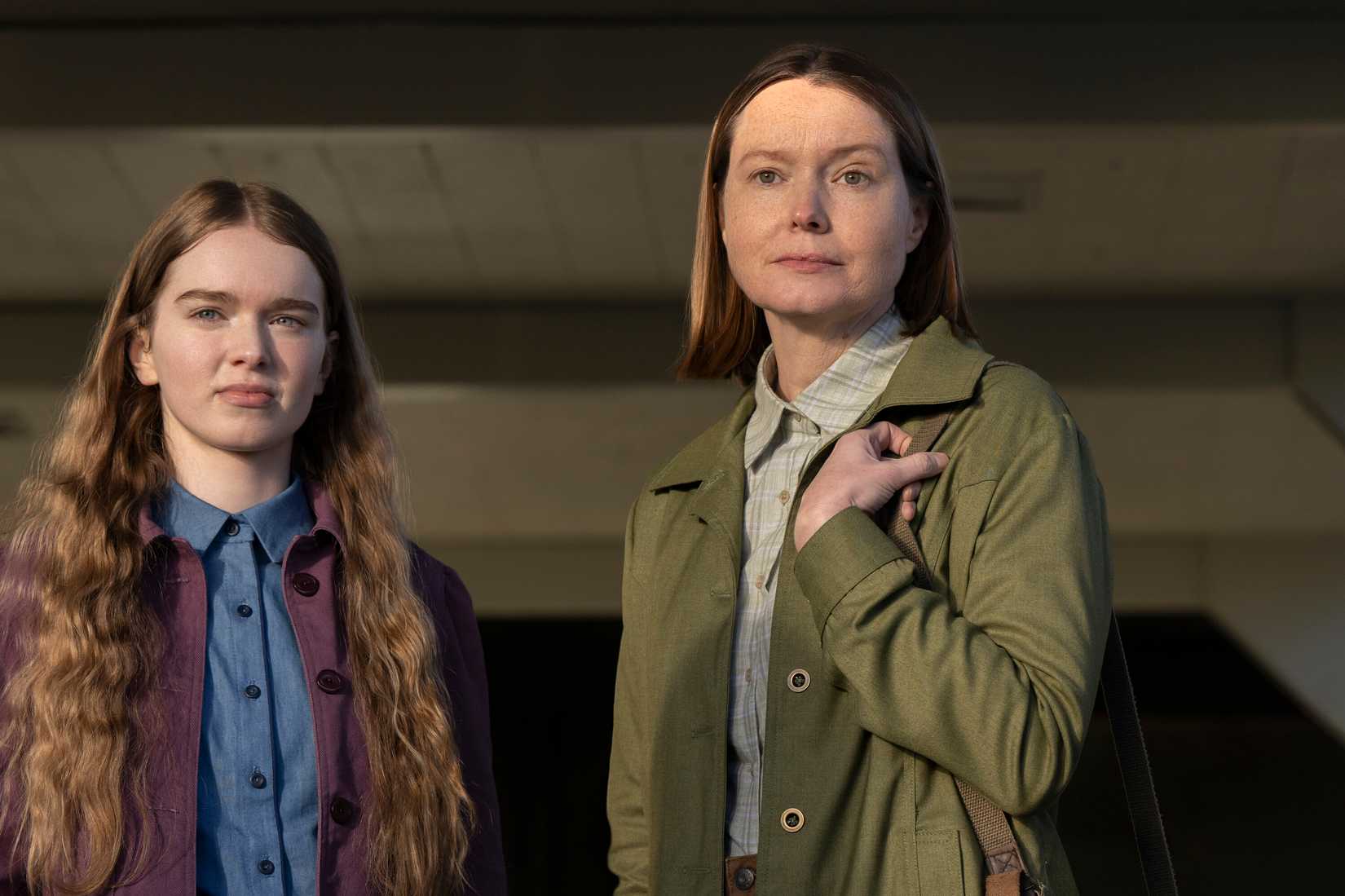
Sloyan echoes this sentiment, noting that her process involves stripping away the label of "villain" to find the human motivation underneath. "If I love my daughter, I’m willing to do absolutely anything to protect her, then what happens next?" she asks. In the context of the new Carrie, Margaret is not attempting to be a tyrant; she is attempting to be a mother in a world that she perceives as inherently hostile to her family.
Implications: The Moral Complexity of Horror
The implications of this shift are profound for the horror genre. By humanizing Margaret White, the show challenges the audience to grapple with the uncomfortable intersection of love and abuse. In Midnight Mass, Bev Keane was a character who thrived on being "right," often at the expense of others’ lives. In Carrie, Margaret White is a woman who truly believes she is acting out of love, even as her actions cause irreparable psychological harm to her daughter.
This creates a more nuanced viewing experience. It forces the audience to ask: At what point does protective love cross the threshold into emotional abuse? And how does the digital age amplify existing domestic tensions?
Sloyan’s portrayal serves as a bridge between the classic, campy horror of the 70s and the modern, psychological thrillers of the 2020s. By centering the story on the complex, fractured bond between a mother and her telekinetic daughter, the show promises to be less of a slasher story and more of a family tragedy.
Conclusion: A New Era for a Classic Tale
As production continues, the anticipation surrounding the series hinges on how audiences will respond to this softer, yet more dangerously complex, Margaret White. By focusing on the "misguided love" that drives the character, Flanagan and Sloyan are set to offer a version of Carrie that feels both timely and timeless.
If the success of their previous collaborations is any indicator, this iteration of Carrie will likely be remembered not just for its supernatural elements, but for the devastatingly human portrait of a mother who, in her desperate attempt to keep her daughter safe, helps set the world on fire. Samantha Sloyan’s ability to find the humanity in the monster ensures that, regardless of how the plot unfolds, the audience will find themselves looking at the screen with a mixture of empathy and dread—a hallmark of the finest horror storytelling.