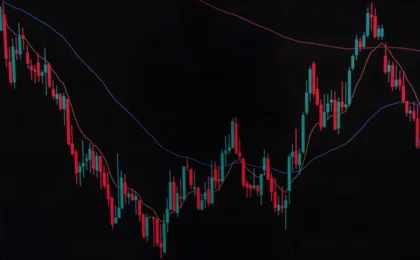
For generations, real estate has occupied a hallowed space in the portfolios of both institutional giants and individual investors. It is frequently marketed as the “ultimate” asset class, a golden trifecta promising the dual growth of appreciation and yield, bolstered by the structural advantages of tax depreciation and an inherent hedge against inflation.
However, as we move through 2026, the economic environment has shifted. The era of "easy money" and predictable valuation growth has been replaced by a landscape defined by interest rate volatility, supply-demand imbalances, and a more discerning capital market. Investors who cling to the traditional dogma of real estate—viewing its benefits as inherent guarantees rather than conditional outcomes—find themselves at significant risk. To succeed in today’s market, one must transition from a passive belief in the asset class to a rigorous, fundamental analysis of the mechanics that drive it.
The Four Pillars: A Reality Check for 2026
The conventional wisdom regarding real estate relies on four pillars: appreciation, yield, tax benefits, and inflation protection. In 2026, these are no longer constants; they are variables that fluctuate based on specific macroeconomic pressures.
1. Appreciation: The Uncertain Upside
Appreciation is the siren song of the real estate sector. It is the most visible metric of success, fueled by market momentum and the promise of future value. Historically, low-interest-rate environments turned appreciation into a "safe bet," as cheap debt allowed valuations to climb regardless of property-level performance.
The shift in monetary policy that began in recent years effectively broke this cycle. When interest rates spiked, the cost of capital rose overnight, causing a decoupling of property values from their previous growth trajectories. In the current market, relying on appreciation as the primary driver of an investment’s return is a dangerous gamble. True appreciation now depends on two critical factors: the absorption of existing excess supply and a meaningful, sustained cooling of interest rates. Until these conditions are met, appreciation should be viewed as a potential bonus—a byproduct of a well-bought asset—rather than the cornerstone of a business plan.
2. Yield: The Foundation of Solvency
If appreciation is the upside, yield is the floor. In a tightening market, cash flow is the only factor that protects an investor from the volatility of capital markets. A property that cannot cover its debt service and operational costs from its monthly revenue is, by definition, a liability.
Finding sustainable yield has become increasingly difficult in saturated, high-profile markets. Many investors are currently chasing "low-cap-rate" properties, where income barely exceeds debt service, leaving zero margin for error. This creates a precarious situation where a single vacancy or unexpected repair could lead to insolvency.
Strategic investors are increasingly turning to secondary markets—the overlooked metros and regional hubs that possess tangible demand without the inflated price tags of major coastal cities. In these environments, the objective is to secure a "rock-solid" yield from day one, rather than banking on future rent hikes or the hope of refinancing at lower rates.
3. Depreciation: The Paper Shield
Tax depreciation remains one of the most powerful tools in an investor’s arsenal. Unlike stocks or bonds, real estate allows the owner to deduct the wear and tear of a physical asset against income, even when the property is appreciating in actual value.
Following the implementation of the "One Big Beautiful Bill Act" (OBBBA), which codified 100% bonus depreciation, many investors have utilized cost segregation studies to shield significant portions of their income from taxation. However, tax law is fluid. The IRS and legislative bodies constantly re-evaluate these incentives. Investors must treat depreciation as a component of their tax strategy that requires constant vigilance, rather than a permanent feature of the investment landscape.
4. Inflation Hedging: The Supply-Demand Reality
The theory that real estate acts as a perfect hedge against inflation—because rents theoretically rise alongside the Consumer Price Index (CPI)—is often misunderstood. In practice, rent is a function of supply and demand, not a direct reflection of inflation.
If a market has an oversupply of housing, landlords lack the pricing power to pass inflationary costs on to tenants. This has been the reality for many urban centers that saw a massive construction boom over the last decade. When vacancy rates are high, inflation becomes irrelevant; landlords are forced to compete on price, often leading to stagnating or falling rents despite rising operational costs. A true inflation hedge requires a market with durable, inelastic demand and meaningful constraints on new supply.
Chronology of the Modern Market Shift
To understand how we arrived at the current investment climate, we must look at the timeline of events that reshaped the sector:
- 2019–2021 (The Era of Cheap Capital): Record-low interest rates fueled a massive influx of capital into real estate. Yields compressed as asset prices surged, and appreciation became the primary expectation for investors.
- 2022–2023 (The Correction): The Federal Reserve began an aggressive interest rate hiking cycle to combat historic inflation. Borrowing costs soared, effectively ending the era of cheap leverage and forcing a recalibration of cap rates.
- 2024–2025 (The Supply Crunch): Massive construction projects that were greenlit during the boom years finally hit the market, creating localized oversupply and putting significant downward pressure on rental income in many regions.
- 2026 (The Maturity Phase): Investors have entered a period of "fundamental discipline." The market is no longer forgiving of poor underwriting. Success is now defined by operational efficiency, debt management, and rigorous market selection.
Supporting Data: Why Fundamentals Matter
According to current market analytics, the spread between capitalization rates (the return on an investment property) and the cost of debt has narrowed significantly. In many prime markets, debt service now exceeds the net operating income (NOI) of the property, creating negative leverage.
Furthermore, data on rent growth indicates a bifurcated market. In regions with high housing starts (such as the Sun Belt), rent growth has flattened or turned negative due to a glut of new units. Conversely, in regions with restrictive zoning and limited new construction, rent growth remains robust. This data underscores a fundamental truth: macro-market trends are secondary to local micro-market dynamics.
Official Responses and Regulatory Outlook
Regulators, including the Securities and Exchange Commission (SEC) and the Financial Industry Regulatory Authority (FINRA), continue to monitor the risks associated with private real estate syndications and REITs. The primary concern among regulators is the potential for "misleading projections" regarding future appreciation.
Professional advisers emphasize that because real estate is an illiquid asset, investors should treat it as a long-term commitment. The regulatory focus is increasingly on transparency—ensuring that investors understand the risks of leverage and the potential for prolonged periods of market stagnation. Advisers often recommend that clients review their real estate holdings through the lens of liquidity needs, ensuring that a lack of cash flow doesn’t force a "distressed sale" during a cyclical downturn.
Implications for the Modern Investor
The primary implication for investors in 2026 is the necessity of a "bottom-up" approach.
- Stop chasing averages: National real estate trends are often meaningless when applied to a specific property. Focus on the micro-economics of the neighborhood, the local job market, and the supply pipeline for that specific asset class.
- Stress-test your debt: If your investment model only works at current interest rates, it is flawed. Stress-test your cash flow projections against higher debt service costs to ensure you can weather further volatility.
- Prioritize operational excellence: In a market where appreciation is uncertain, the only way to drive value is through active management—reducing operating expenses, improving tenant retention, and optimizing the physical asset.
- Tax strategy as a secondary benefit: Never make an investment solely for the tax benefits. A tax-advantaged investment that loses money on a cash-flow basis is still a losing investment.
The Bottom Line
Real estate is not a magic wand. It is a complex, capital-intensive business that requires diligent oversight. It remains one of the most versatile tools for wealth creation, but it is not a "set-it-and-forget-it" vehicle. By moving away from the assumption that appreciation and inflation hedging are guaranteed, and instead focusing on the cold, hard math of cash flow and supply constraints, investors can build a resilient portfolio capable of weathering the complexities of the 2026 economy and beyond.
The fundamentals have not changed, but the environment has. Those who respect the difficulty of the work—and the necessity of the numbers—will continue to prosper. Those who rely on the myths of the past will likely find the current market a sobering teacher.
Disclaimer: This article is provided for informational purposes only and does not constitute financial, tax, or legal advice. Investors should consult with a qualified professional before making any financial decisions. You can check the credentials of your financial adviser through the SEC AdviserInfo or FINRA BrokerCheck databases.