Nineteen years ago, the island of Ko Lipe in southern Thailand was the quintessential backpacker’s dream. It was a place where electricity was a luxury available for only a few hours each evening, where a rustic beachside bungalow cost roughly $2 a night, and where the "last boat" of the season felt like a literal departure from the modern world. For many, including myself, it was a sanctuary of simplicity—a place to read, snorkel, and disconnect.
Today, that version of Ko Lipe exists only in memory. Returning to the island for the first time in nearly two decades, I was confronted with a reality that serves as a sobering indictment of Thailand’s approach to island development. The "hidden gem" has been polished into a site of aggressive, unsustainable overtourism, raising urgent questions about the ethics of travel and the environmental cost of our wanderlust.
The Chronology of a Transformation
In 2006, Ko Lipe was a quiet outpost. With only a handful of restaurants and a singular beach bar, the rhythm of life was dictated by the tides rather than the demands of mass tourism. It was a place where visitors stayed for weeks, forming tight-knit communities with locals and fellow travelers alike.
Over the years, I deliberately avoided returning. I feared "chasing ghosts"—the inevitable disappointment of seeing a cherished, untouched paradise transformed into a hub of commercial activity. My hesitation was rooted in the observable trend across Thailand: the "build-build-build" model that has historically sacrificed ecological integrity for rapid economic gain.
However, during a recent journey through Southeast Asia, I decided to test my resolve. I was traversing the Indian Ocean coastline toward Malaysia and needed a stopping point for the New Year. I rationalized the visit, hoping that perhaps the island had managed to balance growth with preservation. I was wrong. The evolution from a quiet, dirt-path enclave to a paved, high-density tourist destination has been swift and, in many respects, catastrophic.
The Anatomy of Overdevelopment
The transformation of Ko Lipe is visible in every corner of the island. The once-serene dirt footpaths have been paved over with concrete to accommodate motorized vehicles and construction machinery. Lush, native palm forests have been razed to make way for high-end, resource-intensive resorts that feature swimming pools—a staggering choice for an island that lacks a natural freshwater supply.
The environmental degradation is equally severe:
- Marine Ecosystems: The coral reefs surrounding the island, once vibrant and healthy, are suffering from the combined pressures of anchor damage, chemical runoff from sunscreens and waste, and rampant overfishing.
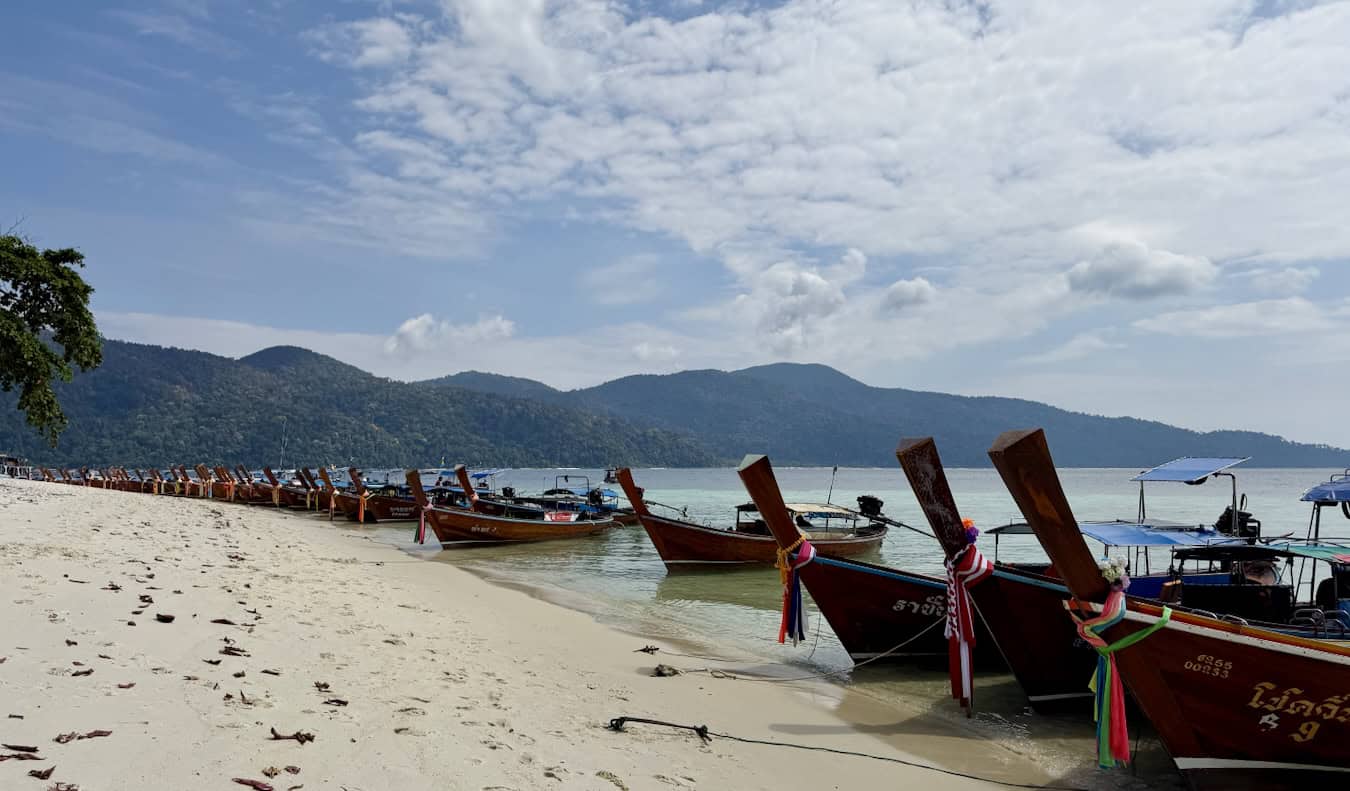
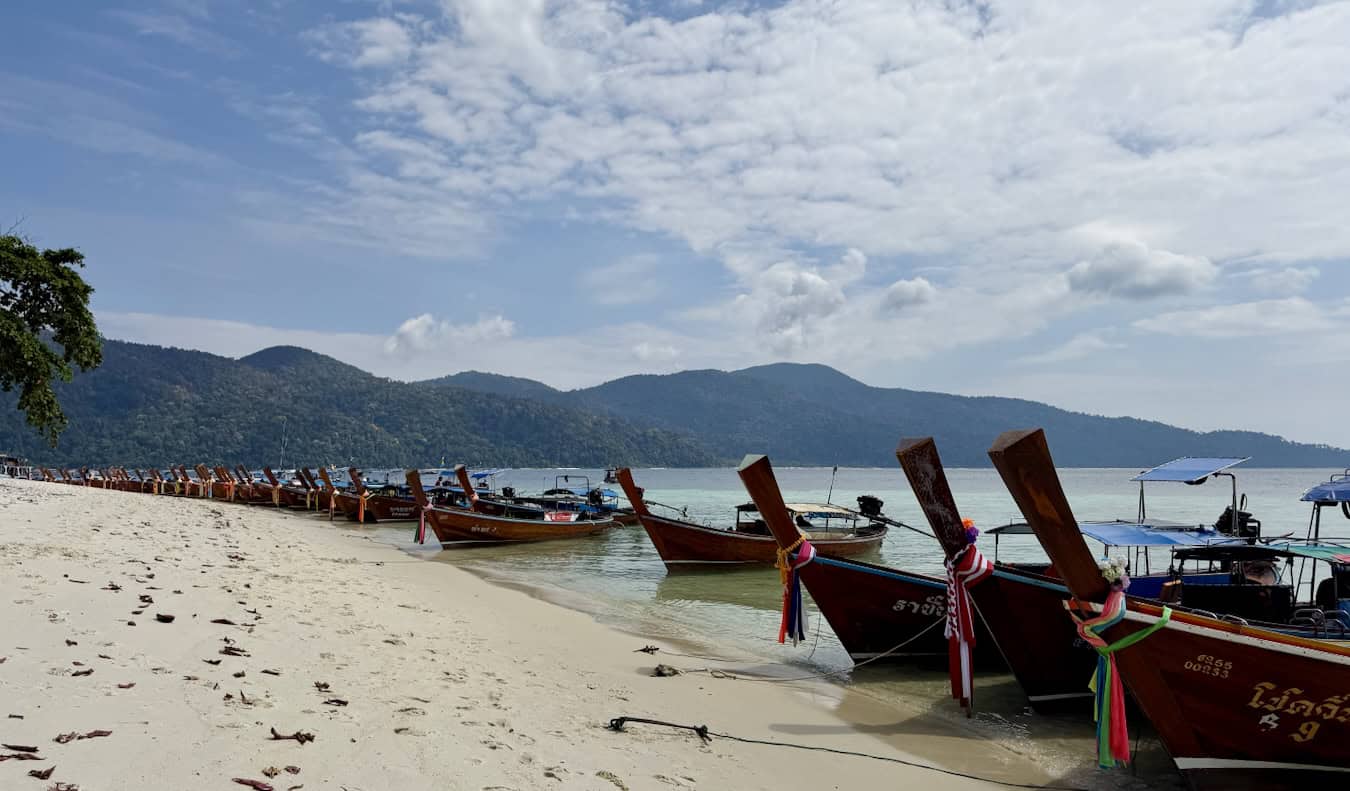
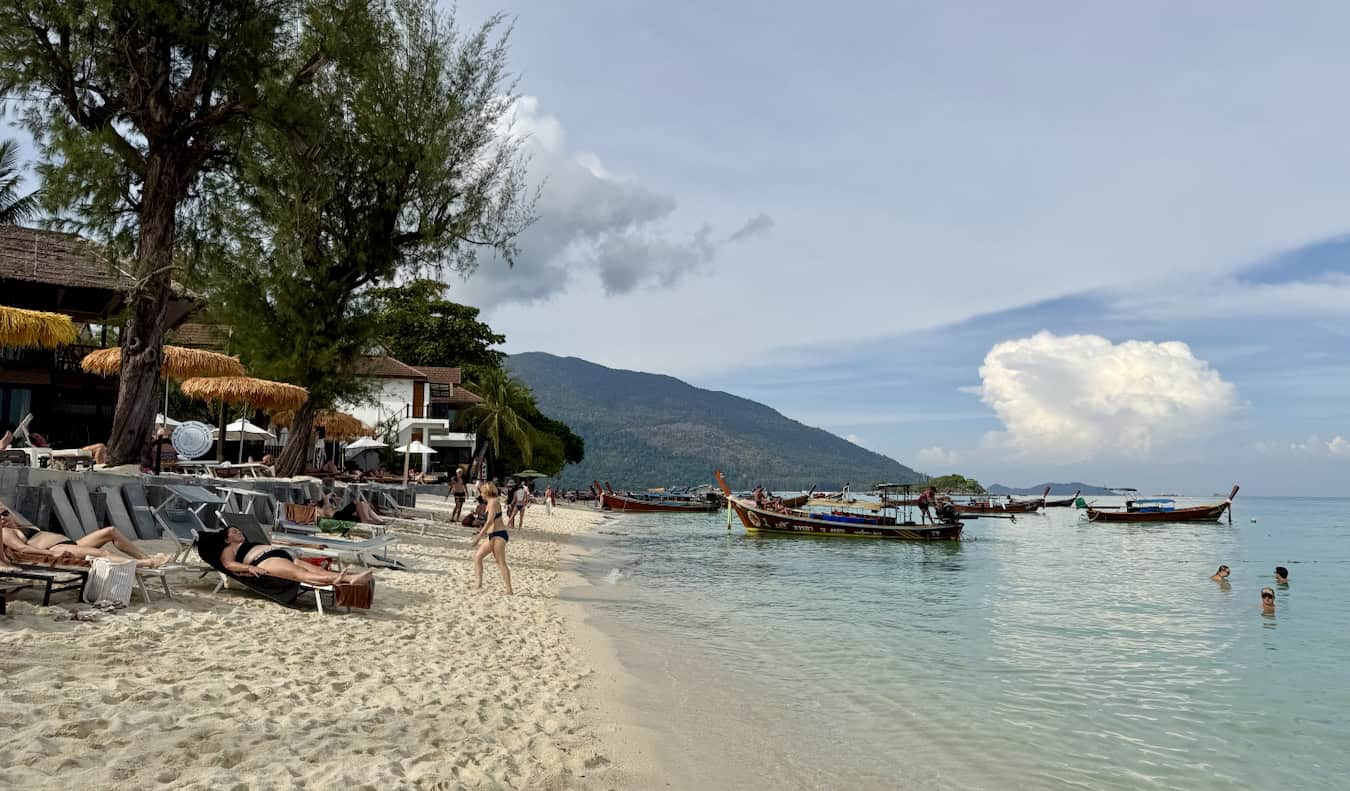
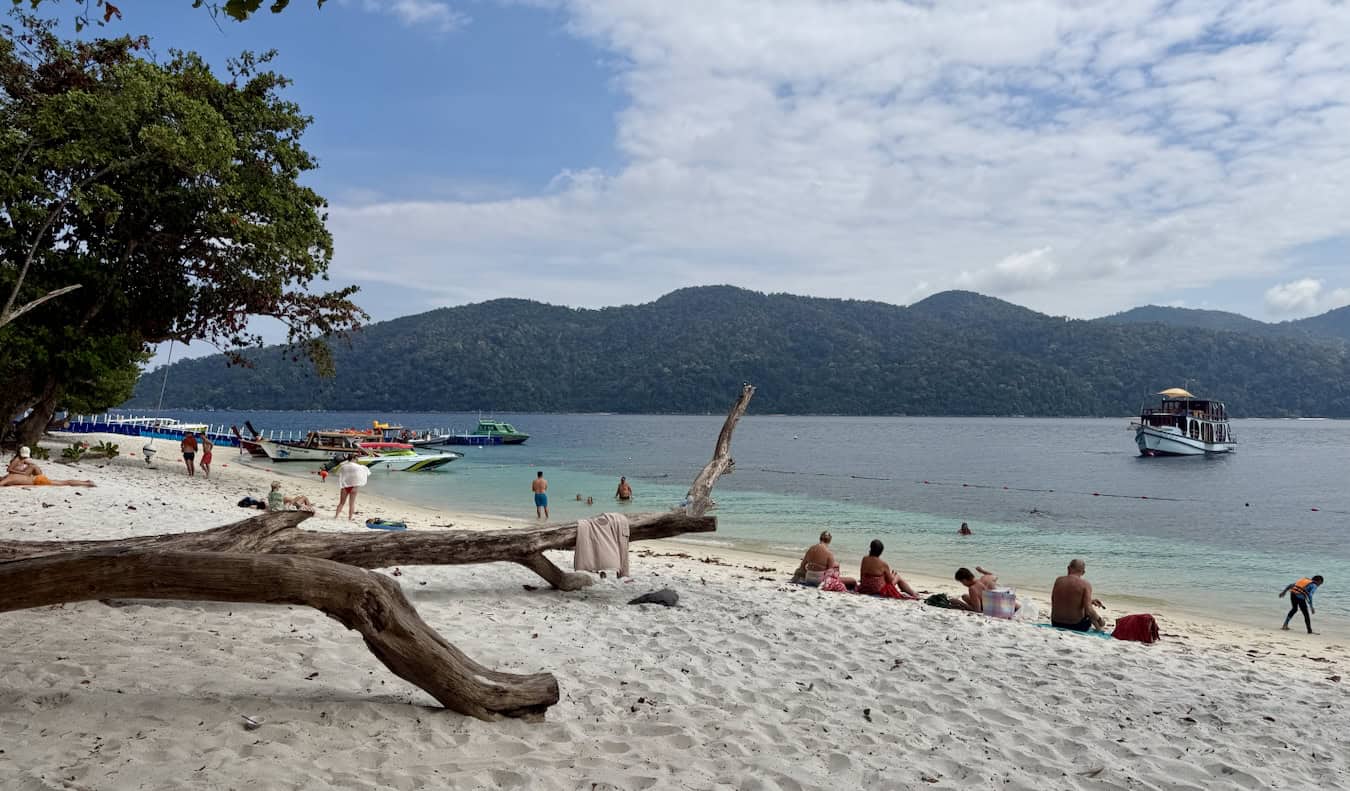
- Water Quality: The beaches are now crowded with longtail boats, their engines constantly idling. The resulting oil slicks and exhaust fumes create a visible, iridescent film on the water’s surface, turning a pristine swimming spot into a polluted harbor.
- Waste Management: The island’s infrastructure is struggling to keep pace with the influx of visitors. With a lack of sustainable waste treatment, the pressure on the local environment is reaching a breaking point.
Perhaps most disheartening is the shift in the island’s socio-economic fabric. Many local residents, faced with rising costs and pressure from mainland developers, have been displaced. Much of the current workforce is imported from the mainland, meaning the local community sees little of the financial benefits generated by the tourism boom. The island’s culinary scene, once defined by authentic Thai flavors, has been replaced by a homogenized menu of mediocre Western food designed to cater to the transient, high-volume tourist market.
Supporting Data and Observations
While first-time visitors may still be struck by the postcard-perfect aesthetics—the azure water and white sand—these superficial traits mask deeper, systemic failures. When compared to the extreme overdevelopment of places like Ko Phi Phi, Krabi, or Phuket, Ko Lipe might appear "less developed" to the uninitiated. However, this is a dangerous comparison. It ignores the trajectory of the island, which is rapidly accelerating toward the same fate as its more exploited neighbors.
The economic reality is that the current model of tourism in Ko Lipe is not circular or sustainable. It is extractive. It relies on depleting natural resources—water, clean air, and reef health—to provide a short-term experience for tourists who are often unaware of the environmental footprint they are leaving behind.
Official Responses and Industry Perspectives
Historically, the Thai tourism board has balanced the push for economic growth with initiatives like "Amazing Thailand." However, critics argue that these campaigns focus primarily on volume rather than the quality or sustainability of the visitor experience.
Local advocates for sustainable tourism have frequently warned that without strict zoning laws, caps on tourist numbers, and robust waste management infrastructure, islands like Ko Lipe will eventually become victims of their own success. Yet, the pressure to maintain revenue streams often overrides conservation efforts. In many cases, developers operate under the assumption that if the environment degrades, they can simply move on to the next "undiscovered" island, perpetuating a cycle of destruction.
The Ethical Implications of Modern Travel
The core issue is whether the modern traveler can be a responsible steward of the places they visit. If we acknowledge that a location is suffering from the impacts of overtourism, does visiting it—even with the best of intentions—contribute to the problem?
In the case of Ko Lipe, the answer is increasingly clear: yes. Every dollar spent at a mega-resort or a boat tour that ignores environmental regulations reinforces the current, damaging model.
It is time to reconsider our travel priorities. While it is difficult to "put the genie back in the bottle," consumers have significant power to drive change. We have seen this before:
- The Elephant Tourism Shift: Due to global consumer awareness campaigns, many travelers now refuse to visit venues that exploit elephants, forcing a shift toward ethical sanctuaries.
- Eco-Lodging: The demand for sustainable accommodation has forced the hospitality industry to innovate and adopt greener practices.
By choosing to visit better-managed destinations—such as Ko Lanta, Ko Jum, or Ko Mook—travelers can reward local efforts to maintain ecological and social balance. These islands offer a more sustainable alternative where the local community and the environment are prioritized over mass-market exploitation.
Conclusion: Knowing When to Step Away
It is painful to write these words, especially given the formative role Ko Lipe played in my own life. It was a place of magic, connection, and discovery. However, if we are to be ethical travelers, we must recognize when a destination has reached its limit.
Ko Lipe is a place where "enough is enough."
By choosing not to visit, we are not just avoiding a disappointing experience; we are taking a stand against the systemic overexploitation of our planet’s most beautiful spaces. Our travel choices are a vote for the kind of world we want to see. Let us vote for sustainability, for local dignity, and for the preservation of the natural wonders that still remain.
If you are planning your next trip to Thailand, look beyond the popular hotspots. Seek out the islands that are working hard to protect their heritage and their ecosystems. By steering our tourism dollars toward responsible management, we can ensure that future generations might experience the wonder that we once knew, without the devastating cost of overdevelopment.