By Editorial Staff
October 4, 2026
The legend of the Hero of Time is being rewritten, not just in terms of visual fidelity, but in the very way players interact with the kingdom of Hyrule. During the highly anticipated Legend of Zelda 40th Anniversary Direct held this past September, Nintendo pulled back the curtain on its most ambitious project to date: a full-scale, ground-up remake of The Legend of Zelda: Ocarina of Time for the upcoming Nintendo Switch 2.
While fans expected a graphical overhaul consistent with modern hardware, Nintendo has opted for something far more transformative. By integrating physical peripherals, real-time voice recognition, and a deep-link companion app, the developers are turning the N64 classic into a multi-sensory experience. As we approach the November 5, 2026, release date, the gaming community is beginning to realize that this is not merely a nostalgia trip—it is an evolution of the action-adventure genre.
The Evolution of Immersion: A Chronology of the Project
The history of Ocarina of Time is inseparable from the history of Nintendo itself. Originally released in 1998, it redefined 3D gaming. Following its 2011 3DS remaster, fans spent over a decade clamoring for a definitive "next-gen" version.
- September 2024: Rumors first began circulating regarding a "Project Triforce," a codename for a suite of remakes aimed at launching alongside the Switch 2.
- January 2026: Nintendo officially confirms the 40th Anniversary celebration, promising "new ways to play" their most iconic titles.
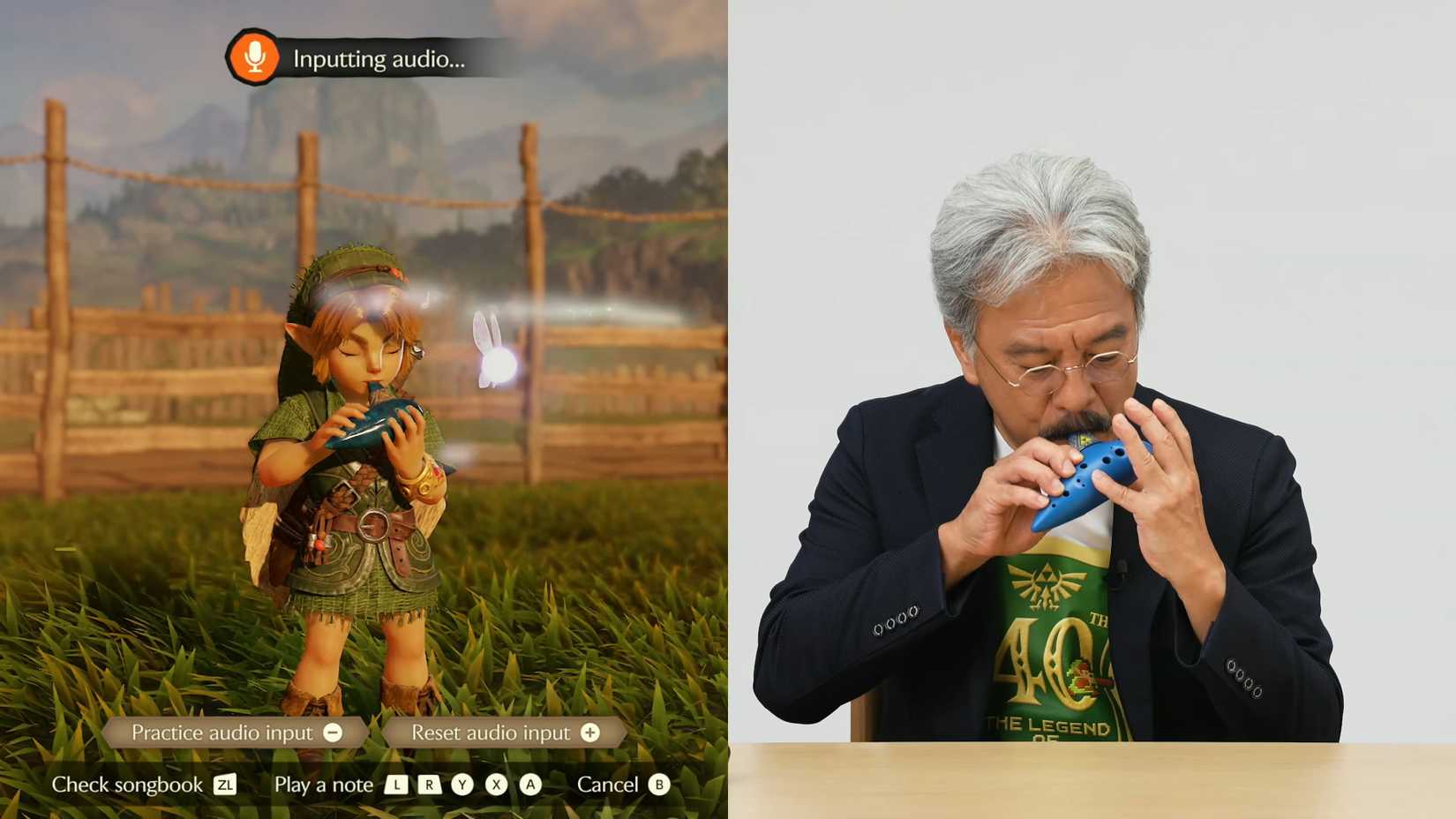
- September 8, 2026: During the Zelda Direct, Eiji Aonuma showcased the first live gameplay, stunning audiences by playing a physical, blue ceramic ocarina that manipulated the game’s internal state.
- October 2026: Pre-orders for the limited-edition hardware bundles, which include the instrument, crashed several major retail websites, signaling unprecedented demand.
The Physicality of Music: How the Switch 2 Ocarina Works
The most striking feature revealed in the Direct is the introduction of a proprietary, physical ocarina peripheral. This is not a plastic toy; Nintendo has collaborated with instrument manufacturers to ensure the device is tuned to the in-game scale.

Precision Input and Voice Integration
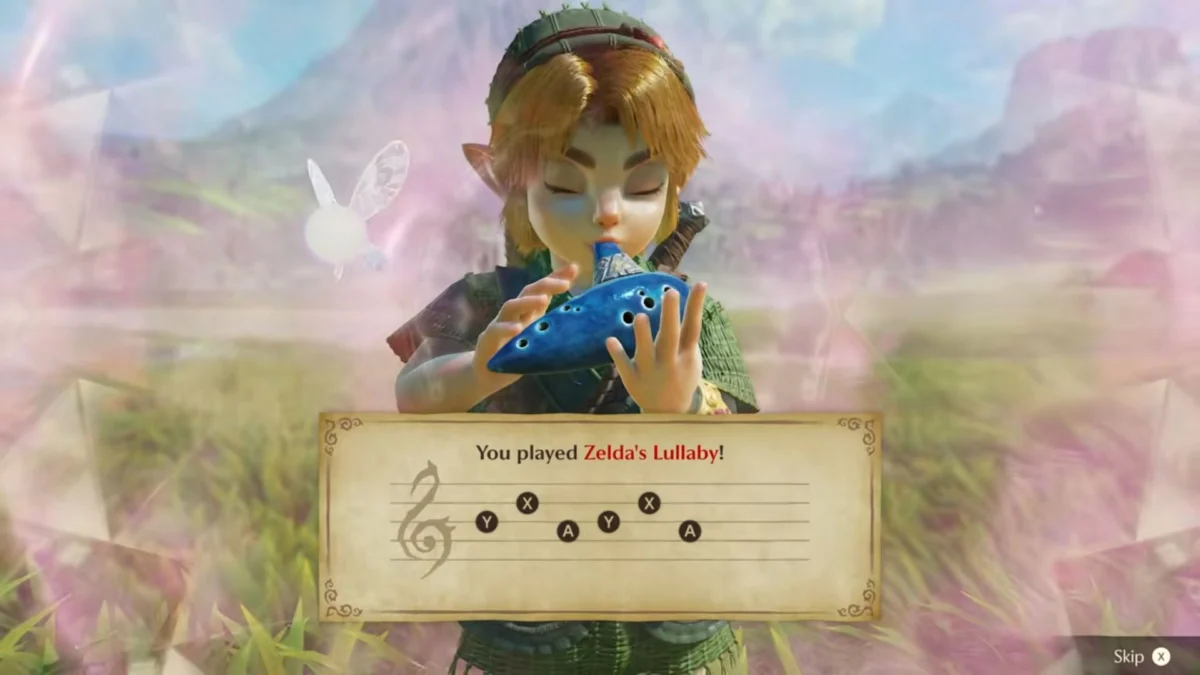
When players play the physical instrument, the console uses advanced audio processing to map the frequencies to the game’s note-input system. In the demonstration, Aonuma played "Epona’s Song," and the game responded instantly, summoning the horse.
For those who do not wish to purchase the physical peripheral, Nintendo has introduced a secondary, highly requested feature: microphone-based humming. Players can use the Switch 2 controller’s integrated high-fidelity microphone to hum the notes required to solve environmental puzzles. This creates a tactile, performative layer to gameplay that shifts the experience from button-mashing to musical expression. The traditional button-based input remains for purists, ensuring that the remake respects the original control scheme while offering modern alternatives.
The Zelda Notes App: A New Companion for the Modern Era
Building on the foundation of the "Zelda Notes" feature introduced in 2025 for the Breath of the Wild and Tears of the Kingdom updates, the Ocarina of Time remake utilizes the Nintendo Switch app as an essential hub. This is not a passive companion; it is an active, data-driven utility.
Tracking the Hero’s Journey
The "Today’s Record" feature serves as a sophisticated, chronological achievement log. Rather than generic icons, the app generates a "scrapbook" of the player’s journey, automatically capturing high-resolution screenshots at key milestones. If a player completes the Forest Temple, the app marks the date, the time taken, and the specific equipment loadout used, creating a personalized historical document of their playthrough.
Gossip Quests: Incentivizing Exploration
Perhaps the most innovative aspect of the app is "Gossip Quests." This mode presents players with a series of photographs depicting obscure corners of Hyrule—a specific rock formation in Death Mountain or a hidden mural in Kakariko Village.

When a player physically locates the area, they receive points that can be exchanged for exclusive in-game scores. These scores aren’t just for show; they unlock hidden "busking" spots throughout the world where Link can play for NPCs to earn Rupees or rare items. It is a brilliant design choice that forces players to look at the environment, rather than just the objective markers.
The Play Ocarina and Quiz Modules
The app further deepens the musical theme with a dedicated "Play Ocarina" digital interface. This allows players to practice songs away from the console. The most exciting potential lies in the ability to record custom melodies and export them as QR codes. This social layer allows players to share their own compositions, with Nintendo hinting at a community leaderboard for the most creative musical performances.
For the lore-obsessed, the "Ocarina of Time Quiz" offers 2,000 trivia questions. With a 10-second timer and a persistent ranking system that elevates players from "Egg Level" to "Cucco Level," this module adds a competitive, bite-sized daily routine to the game.
Official Perspectives: The Philosophy of the Remake
In a post-Direct interview, series producer Eiji Aonuma emphasized that the goal was not to make the game "easier," but to make it more "present."
"When we created the original, we wanted the player to feel like they were truly learning a language through music," Aonuma stated. "With the Switch 2’s processing power, we aren’t just upgrading the textures; we are upgrading the connection between the player’s intent and Link’s actions. Whether you are holding a real ocarina or using your voice, the barrier between you and the hero disappears."
Nintendo’s decision to include features like the "Hall of Fallen Foes" and "Global Play Data" suggests that the company is leaning into the idea of a "living" game—one that evolves based on community engagement and collective player behavior.
Implications: A New Standard for Remakes
The implications for the industry are profound. By moving beyond simple visual upgrades, Nintendo is establishing a template for what a "remake" should be in the late 2020s.
- Hardware Synergy: The success of this release will likely determine how Nintendo utilizes the Switch 2’s unique hardware capabilities for future titles.
- Engagement Metrics: By gamifying exploration through the app, Nintendo is effectively extending the lifespan of a single-player game, keeping users within the "Nintendo Ecosystem" long after the credits roll.
- Community Culture: The ability to share QR-coded music and compete in daily quizzes creates a social layer that was impossible in the 1998 original. It transforms a solitary adventure into a communal event.
As we look toward the November 5 launch, it is clear that The Legend of Zelda: Ocarina of Time is being positioned as more than a legacy title. With its complex integration of music, trivia, and community-driven data, it represents a bold step forward for Nintendo. Whether you are a long-time veteran of the N64 era or a newcomer experiencing the greatness of Hyrule for the first time, this remake promises an experience that is as deep as it is nostalgic.
The stage is set, the ocarina is tuned, and the fate of the kingdom is once again in our hands. Hyrule awaits.