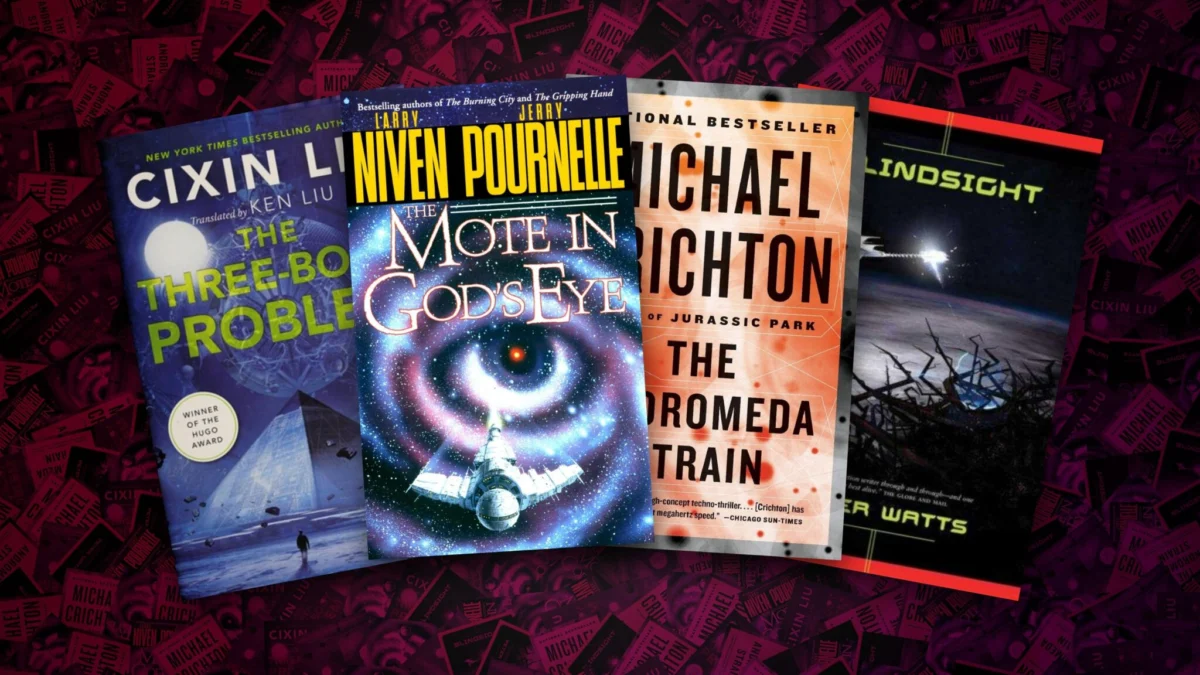
Hard science fiction is not merely a genre; it is a laboratory for the imagination. Unlike space opera or science fantasy, which often treat technological marvels as magical set dressing, "hard" sci-fi demands that the narrative be anchored in the rigorous application of physics, chemistry, biology, and computer science. For the obsessive reader, these stories are the ultimate intellectual playground, exploring how orbital mechanics dictate the fate of empires, how synthetic consciousness parses its own source code, and how the crushing gravity of a neutron star might dictate the evolution of life itself.
In this subgenre, science is the primary engine of the plot. Whether it is the sudden arrival of an alien monolith or a breakthrough in quantum physics that threatens to unravel the fabric of reality, these novels prioritize scientific plausibility above all else. Below, we explore ten defining masterpieces of hard science fiction, examining their influence, their scientific foundations, and the profound questions they pose about our place in the cosmos.

The Evolution of Scientific Realism: A Chronology
The roots of hard sci-fi extend back to the works of Jules Verne and H.G. Wells, who pioneered the fusion of adventure and scientific speculation. However, the genre truly crystallized during the Golden Age of Science Fiction in the mid-20th century.
- 1969: Michael Crichton publishes The Andromeda Strain, setting a new standard for procedural, clinical scientific thrillers.
- 1972: Isaac Asimov releases The Gods Themselves, pushing the boundaries of parallel universe physics.
- 1973: Arthur C. Clarke’s Rendezvous with Rama redefines the "first contact" narrative through the lens of engineering and orbital mechanics.
- 1974: Larry Niven and Jerry Pournelle’s The Mote in God’s Eye explores the intersection of biology and interstellar diplomacy.
- 1980: Robert L. Forward’s Dragon’s Egg takes astrophysics to its logical extreme, documenting the rise of a civilization on a neutron star.
- 1992: Vernor Vinge introduces the "Zones of Thought" in A Fire Upon the Deep.
- 1994: Greg Egan’s Permutation City navigates the philosophical minefield of digital consciousness.
- 2005-2006: A surge in modern hard sci-fi classics, including Robert Charles Wilson’s Spin, Cixin Liu’s The Three-Body Problem, and Peter Watts’ Blindsight.
The Pillars of the Genre: 10 Essential Reads
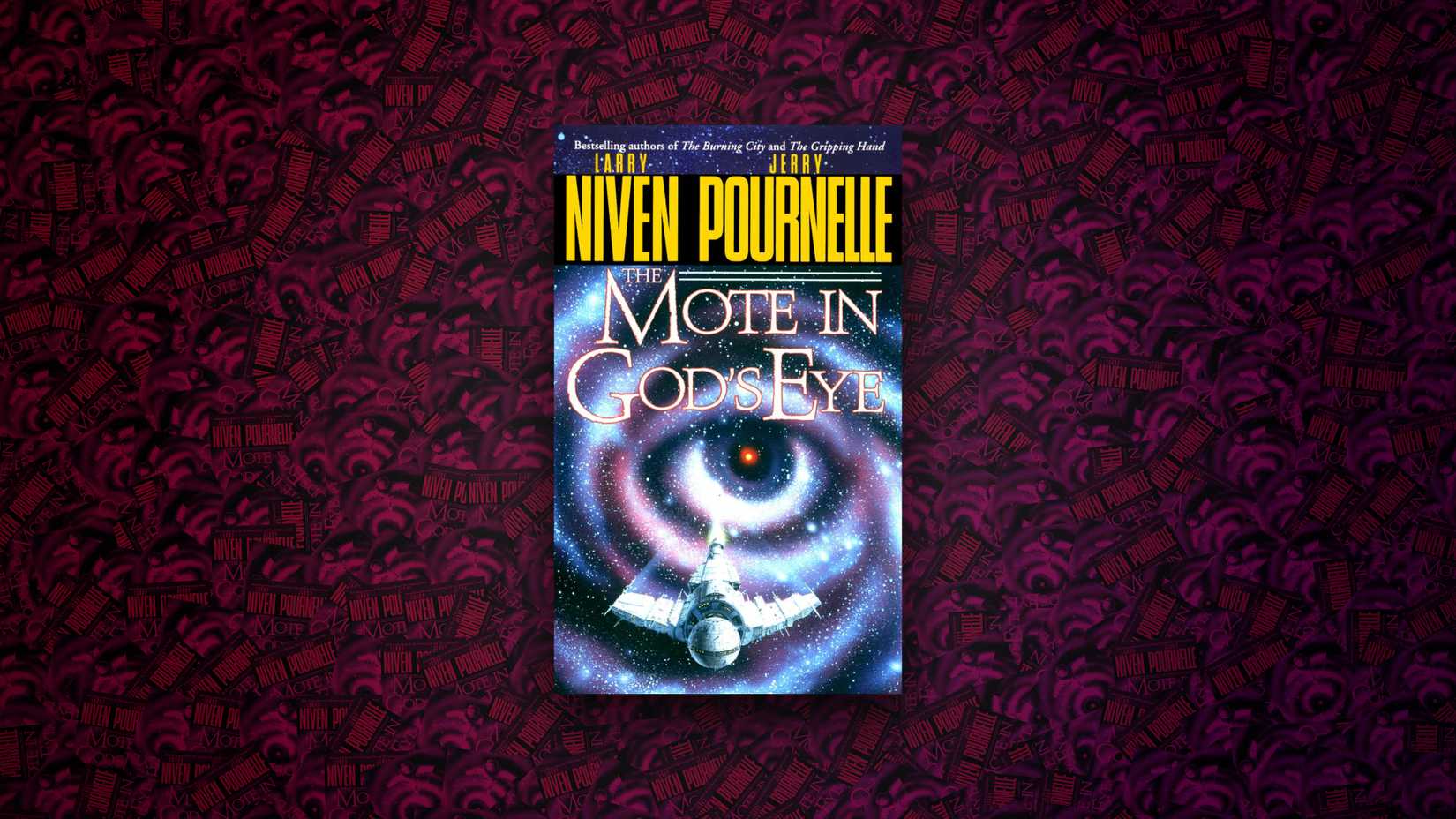
1. The Mote in God’s Eye (1974) by Larry Niven & Jerry Pournelle
This novel remains the gold standard for interstellar contact. Set in a future where a sprawling human empire recovers from civil war, the story begins with the interception of an alien solar-sail craft. The brilliance of this book lies in its treatment of the "Moties"—an alien species whose biology is as much a trap as it is a strength. The authors use hard science to explore whether a species can truly transcend its biological programming.

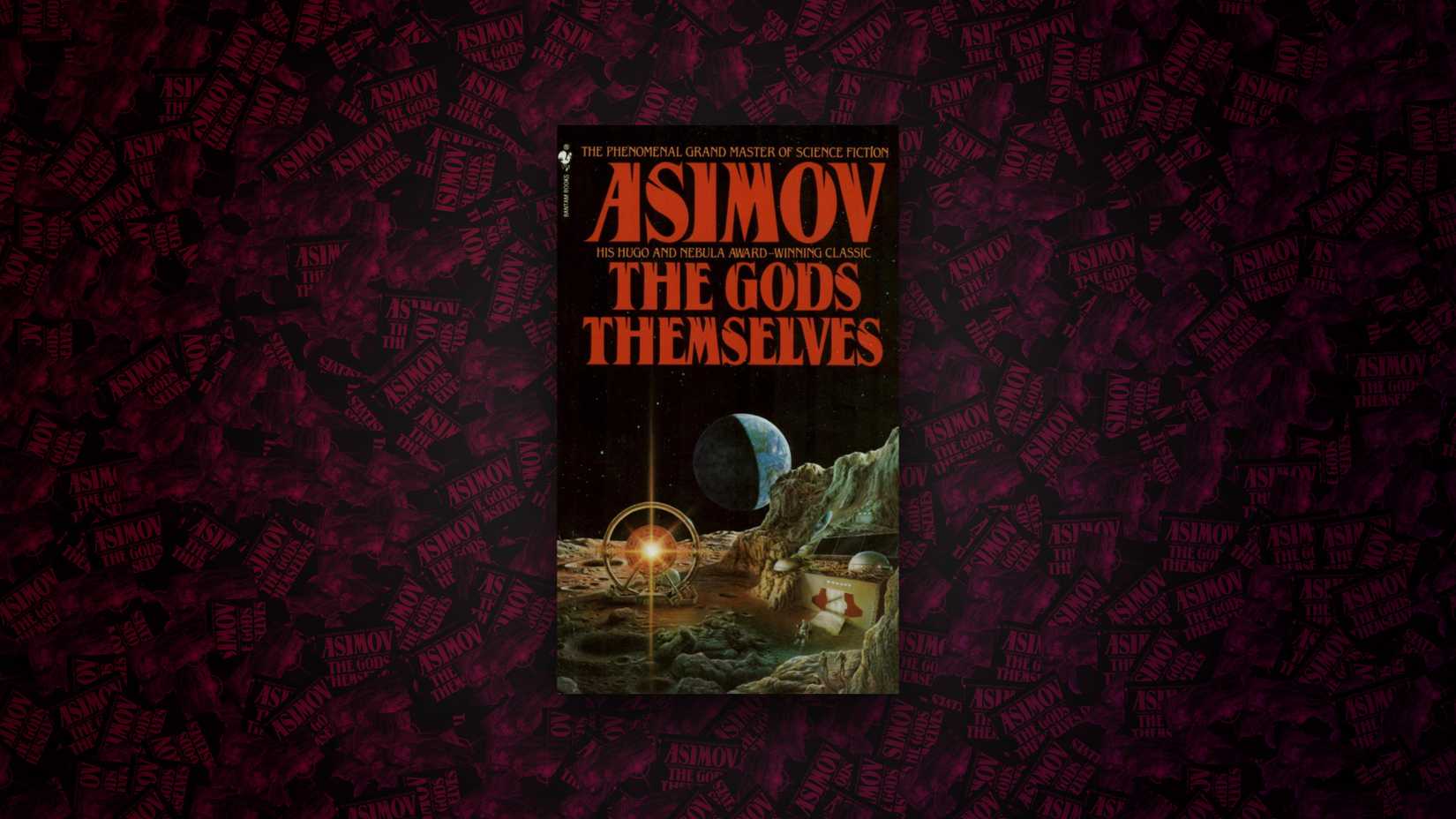
2. The Gods Themselves (1972) by Isaac Asimov
Asimov moves beyond his iconic robots to explore a three-part narrative involving an energy exchange between our universe and a parallel one. The central section, which depicts the biology and social structure of the parallel universe’s inhabitants, is a masterclass in speculative biology. It serves as a stern warning regarding the hubris of humanity when confronted with "miraculous" energy sources that defy entropy.
3. Dragon’s Egg (1980) by Robert L. Forward
Few books take the "hard" in hard sci-fi as literally as this one. Forward, a professional physicist, posited a life form (the Cheela) living on the surface of a neutron star. Because the gravity is so extreme, the Cheela exist on a different temporal scale, with their entire civilization rising and falling in the time it takes a human researcher to blink. It is a brilliant study in gravitational effects and accelerated evolution.
4. Rendezvous with Rama (1973) by Arthur C. Clarke
Clarke’s genius was in the "sense of wonder." When a massive, hollow cylinder enters our solar system, the narrative follows a team of explorers as they attempt to map the interior. Clarke uses real physics—calculating the Coriolis effect, atmospheric pressure, and centrifugal gravity—to make the reader feel the sheer, terrifying scale of a technology built by a civilization that does not even acknowledge our presence.
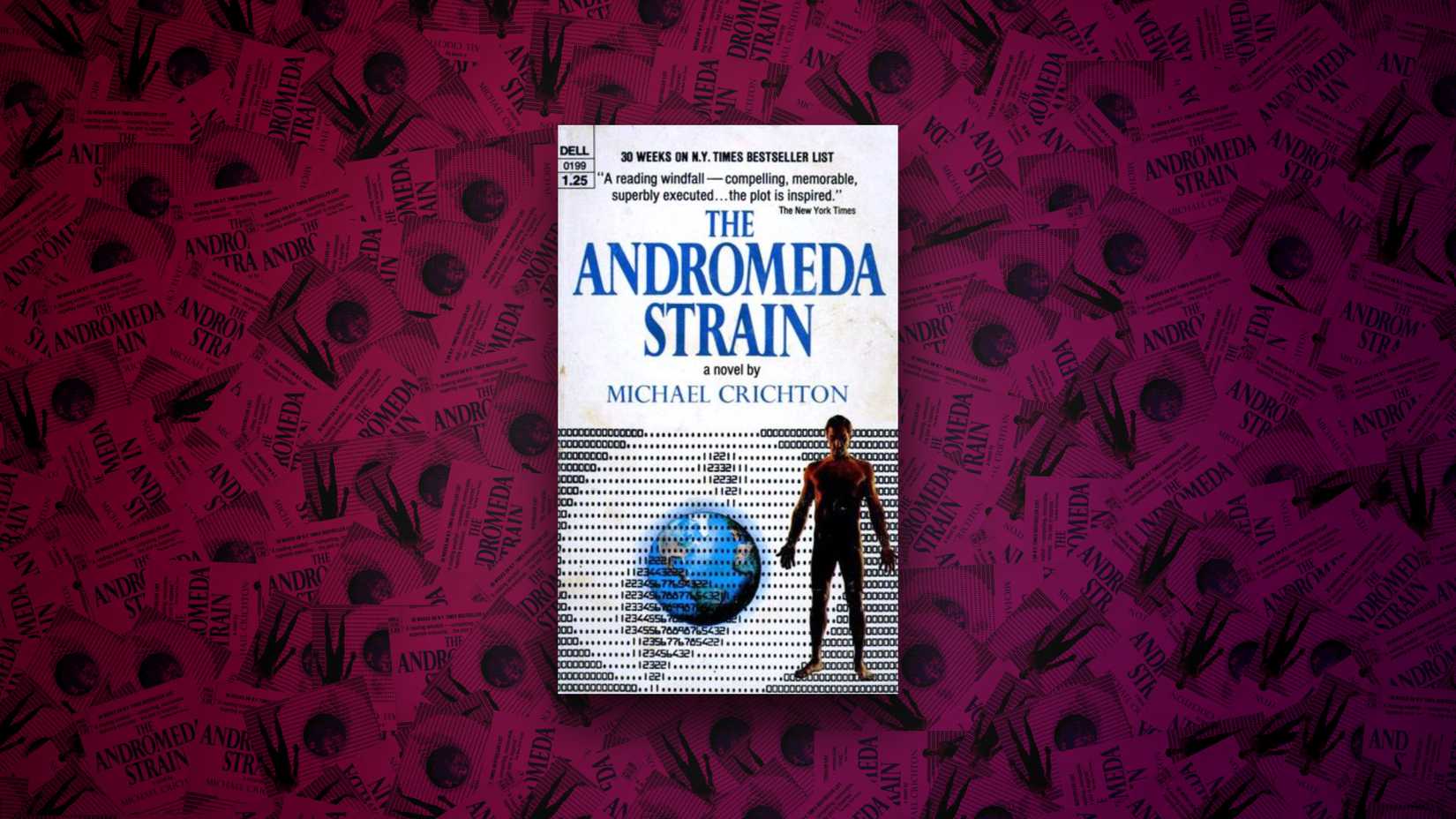
5. The Andromeda Strain (1969) by Michael Crichton
Crichton proved that scientific process is inherently suspenseful. Following the crash of a satellite in Arizona, a team of scientists works in a high-security lab to neutralize an extraterrestrial microorganism. The book is famous for its use of footnotes, internal reports, and technical charts, turning the scientific method into a pulse-pounding thriller.
6. Spin (2005) by Robert Charles Wilson
When the stars disappear behind a mysterious membrane, humanity faces a time-dilation crisis. Outside the "Spin," millions of years pass while mere days go by on Earth. Wilson manages to blend complex temporal physics with deeply human emotional stakes, examining how a society reacts to a literal countdown to extinction.
7. A Fire Upon the Deep (1992) by Vernor Vinge
Vinge introduces the concept of "Zones of Thought," where the physical laws governing intelligence and technology vary depending on one’s location in the galaxy. It is a dense, high-concept space opera that successfully balances galaxy-spanning communication networks and hive-mind aliens with the intimate, grounded struggle of two shipwrecked children.

8. The Three-Body Problem (2006) by Cixin Liu
Liu brings a uniquely global perspective to the genre. Starting with the trauma of the Chinese Cultural Revolution, the story expands into the physics of orbital mechanics (the titular three-body problem) and existential cosmic dread. It challenges the reader’s understanding of the universe, suggesting that space is not a playground, but a dark, predatory forest.
9. Blindsight (2006) by Peter Watts
Blindsight is arguably the most uncomfortable book on this list. It tackles the question of whether consciousness is an evolutionary advantage or a burdensome byproduct. By sending a crew of transhumans to intercept an alien intelligence that lacks self-awareness, Watts forces the reader to confront the possibility that "intelligence" and "sentience" are not mutually exclusive.

10. Permutation City (1994) by Greg Egan
Egan is the undisputed master of "hard" philosophical fiction. Permutation City explores the simulation of consciousness. If a human mind is perfectly digitized, does that copy possess the same rights? Egan takes this premise to its logical limit, exploring the mathematics of identity and the validity of simulated realities in a way that makes contemporary existential thrillers seem shallow.
Implications of Hard Sci-Fi
The primary implication of the hard sci-fi genre is the "humbling" of the human species. By centering narratives on physics that operate regardless of human desire, these authors demonstrate that our current understanding of the universe is fragile.
- Scientific Hubris: Authors like Crichton and Asimov consistently warn that scientific progress without ethical oversight is a recipe for disaster.
- Technological Displacement: Works like Permutation City and Blindsight suggest that humans may eventually be superseded by the very technologies we create, whether they be AIs or transhuman modifications.
- The Cosmic Scale: These books collectively argue that our perspective is limited by our biology. By forcing us to imagine life on neutron stars or in higher-dimensional spaces, these authors expand the boundaries of what we consider "normal."
Official Responses and Literary Standing
Literary critics have historically struggled with the label "hard" science fiction, often fearing that the focus on technical accuracy comes at the expense of character development. However, the endurance of these titles proves that the rigor of the science often enhances the drama.
When a character in a Greg Egan novel faces a moral dilemma about their digital existence, that dilemma is weighted by the math behind the simulation. In The Three-Body Problem, the existential dread is intensified by the cold, unyielding reality of gravitational physics. As the genre continues to evolve in the 21st century, it remains the most vital bridge between the abstract world of academic research and the visceral world of human storytelling. These 10 books are more than just stories; they are invitations to look up at the night sky and understand the machinery behind the stars.