In a landmark legislative move aimed at reconciling the rapid pace of autonomous vehicle (AV) innovation with the non-negotiable requirements of public safety, California has enacted Senate Bill 1246. Signed into law by Governor Gavin Newsom, the legislation establishes a rigorous regulatory framework for companies operating robotaxi fleets, effectively ending an era of "move fast and break things" in the state’s public transit sector.
The new law mandates that AV companies provide on-the-ground, local support when their vehicles malfunction or cause traffic obstructions. Furthermore, it introduces punitive measures for companies that allow their vehicles to impede police, fire, or emergency medical services for longer than 30 minutes. As California cements its position as the global testing ground for autonomous driving, this law signals a shift in the power dynamic between tech giants and local municipalities, prioritizing the efficiency of first responders over the convenience of automated transit.
The Genesis of SB 1246: A String of Disruptions
The impetus for SB 1246 did not arise in a vacuum; it is the culmination of years of mounting friction between the burgeoning robotaxi industry and California’s emergency response infrastructure. Throughout the past several years, residents and officials in cities like San Francisco have reported an increasing frequency of incidents where AVs have stalled in intersections, inadvertently entered active crime scenes, or blocked emergency vehicle access.
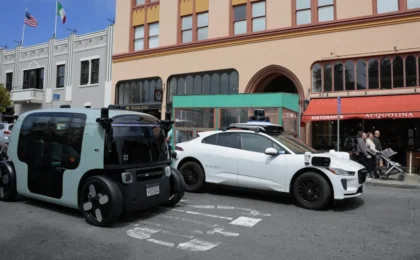
These incidents, which frequently went viral on social media, created a PR nightmare for companies like Waymo and Zoox, while simultaneously alarming local government officials. Perhaps most notably, investigators found instances where AV operators were forced to rely on first responders—the very people they were meant to support—to manually intervene or move the stalled vehicles. This created a paradoxical situation where the "high-tech" solution became a "low-tech" burden for the city.
Senator Dave Cortese, the bill’s primary architect, framed the legislation as a necessary corrective measure. "California has embraced autonomous vehicles, but we cannot embrace innovation at the expense of public safety," Cortese said during the bill’s introduction. "When an autonomous vehicle crashes, breaks down, blocks a roadway in an emergency, or gets in the way of law enforcement or first responders, there must be clear accountability."
Chronology of the Regulatory Clash
The path to this legislation was paved by a series of escalating warnings from both state and federal authorities.
- Early 2024: Investigative reports, including those by TechCrunch, highlighted the reliance of major AV firms on local police and fire departments to resolve "roadside assistance" scenarios where the robotaxis simply ceased to function.
- Mid-2024: The National Highway Traffic Safety Administration (NHTSA) escalated the situation by sending a formal demand to AV developers, insisting that they proactively develop "solutions" to stop interfering with the operations of first responders.
- Late 2024–2025: As reports of traffic congestion and safety hazards persisted, the California legislature began drafting SB 1246, aiming to codify requirements for incident response.
- 2026: Continued high-profile outages, particularly involving Waymo’s extensive fleet, kept the pressure on lawmakers.
- Present: Governor Newsom signs SB 1246 into law, setting a implementation timeline that gives companies until July 2028 to fully integrate these new operational requirements.
Supporting Data: The Scale of the Robotaxi Footprint
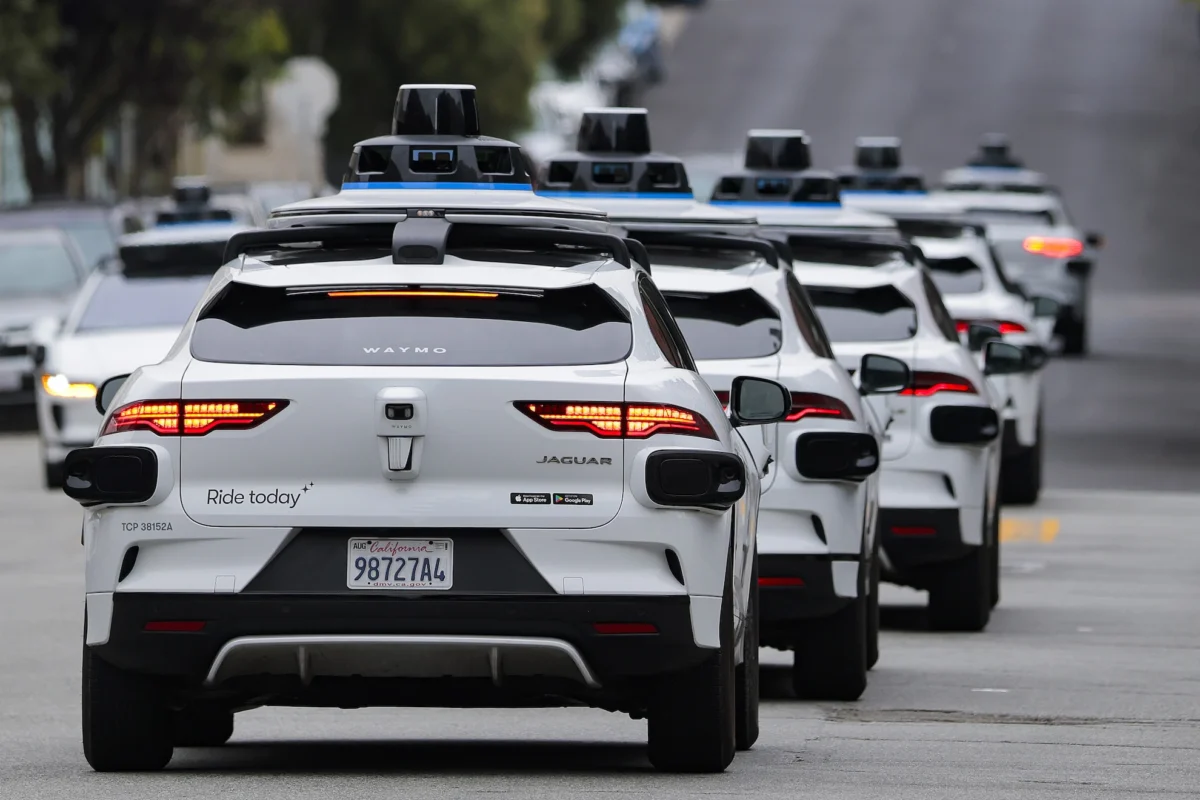
The urgency behind this law is inextricably linked to the sheer scale of the AV presence in California. Waymo, currently the dominant player in the autonomous space, operates a commercial fleet of approximately 4,000 vehicles nationwide. A significant portion of this fleet—roughly 1,200 vehicles—is concentrated in the San Francisco Bay Area, a high-density environment where even minor mechanical failures can lead to gridlock.
The disparity in operational models has also become a focal point for regulators. While companies like Zoox have largely localized their remote operation teams within the United States, other entities have utilized global workforces. Waymo, for instance, has historically managed its remote assistance operations through a global network, including staff based in the Philippines, alongside command centers in Arizona and Michigan.
SB 1246 creates a hard line on this: any company employing "remote drivers"—defined as humans who take direct, manual control of a vehicle from a remote location—must now ensure those operators are U.S.-based and hold valid U.S. driver’s licenses. This ensures that in the event of an emergency, the human in the loop is subject to the same regulatory and professional standards as a local operator.
Official Responses and Industry Compliance
The response from the AV industry has been one of cautious cooperation. While some companies initially expressed concerns about the feasibility of the requirements, the final version of the bill included amendments that provide more clarity on operational expectations.
"We are grateful for the amendments made to the bill, which ensure autonomous vehicle operators can still feasibly serve Californians," a Waymo spokesperson stated. The company emphasized its ongoing commitment to safety, noting that it has already begun to refine its incident response protocols to align with the spirit of the new law.
Zoox, similarly, has expressed that its current operational model is already well-aligned with the new requirements, as their remote operations team is already based in the United States. The industry’s consensus seems to be that while the regulations add a layer of operational overhead, they are a necessary "price of admission" to continue operating in one of the most lucrative and visible markets in the world.
Implications: The Road to 2028
The implementation of SB 1246 will be a complex process, managed by the California Department of Motor Vehicles (DMV). The agency is tasked with defining the specific "response time" metrics that companies must meet. This will likely be the most contentious phase of the transition, as the DMV will need to balance the technical limitations of remote assistance with the urgent needs of emergency responders.
1. Shift in Operational Infrastructure
Companies will likely need to invest heavily in "local incident technicians." Unlike remote software operators, these technicians will need to be physically deployed to various zones within major cities, ready to intervene in person when a vehicle is disabled. This represents a significant shift from the "pure software" vision of autonomous mobility to a more hybrid model that requires a physical logistics footprint.
2. Heightened Accountability
The 30-minute rule serves as a clear, enforceable threshold. By setting a specific time limit for the clearance of obstructions, the state has provided a objective metric for fines and potential permit revocation. This eliminates the "gray area" that companies previously exploited when claiming they were working to clear a vehicle.
3. Federal Precedent
California often acts as a trendsetter for national policy. By setting these standards, California is essentially forcing the rest of the country to pay attention. It is highly probable that other states with emerging AV markets will look to the California model to draft their own safety legislation, potentially leading to a standardized, nationwide regulatory framework for robotaxi emergency response.
4. The Future of Remote Assistance
The law forces a critical distinction between "remote assistance" (sending software commands) and "remote driving" (direct manual control). This may lead companies to re-evaluate their reliance on offshore command centers. If companies want to maintain the ability to take direct control of their vehicles in an emergency, they must now factor in the cost of a domestic workforce, which could impact the profitability of these services in the short term.
Conclusion
Senate Bill 1246 marks the end of the "wild west" phase of autonomous vehicle testing in California. By demanding local accountability, mandating U.S.-based oversight, and establishing strict timelines for clearing obstructions, the state is sending a clear message: technology must adapt to the city, not the other way around.
As the industry prepares for the 2028 deadline, the focus will shift from the sheer excitement of self-driving capabilities to the mundane, yet essential, realities of operational reliability. For the citizens of California, this law offers a necessary layer of protection, ensuring that the robots sharing their streets are held to the same standards as any other driver on the road.