A groundbreaking study published in the Journal of Neurology, Neurosurgery & Psychiatry suggests that what we put on our plates may have a profound impact on the physical architecture of our brains as we age. By blending the core tenets of the Mediterranean diet with the blood-pressure-lowering strategies of the DASH (Dietary Approaches to Stop Hypertension) plan, researchers have identified a dietary pattern—the MIND diet—that appears to act as a potential buffer against the structural decline associated with aging.
For decades, the link between nutrition and cognitive function has been a subject of intense scientific scrutiny. However, this latest research moves beyond simple cognitive testing, offering a tangible look at how specific food groups may mitigate the shrinkage of grey matter and the expansion of brain ventricles, both of which are hallmark signs of neurodegenerative conditions like Alzheimer’s and Parkinson’s disease.
The Main Facts: Defining the MIND Diet
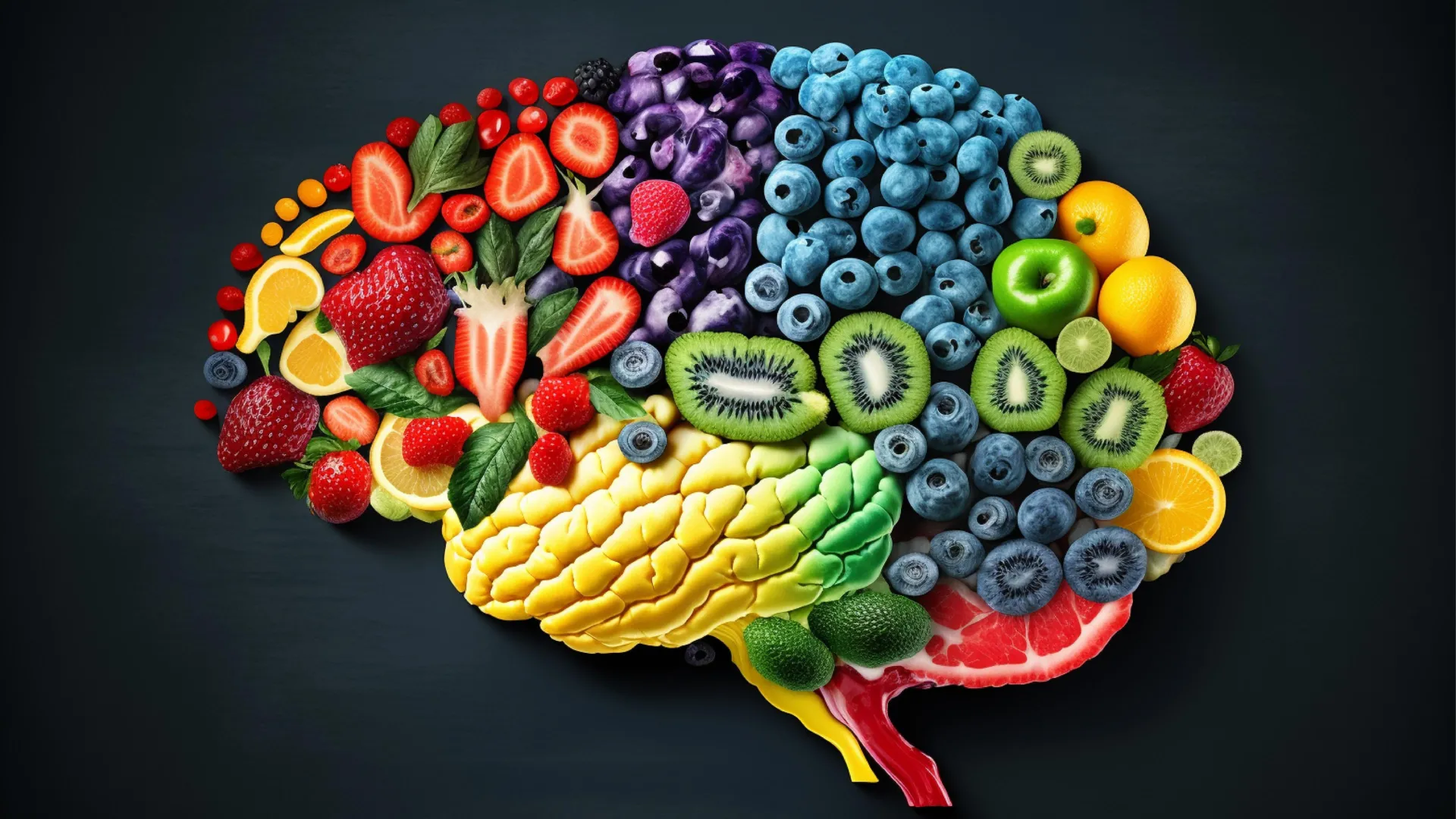
The "Mediterranean-DASH Intervention for Neurodegenerative Delay" (MIND) diet is not merely a weight-loss fad; it is a meticulously curated nutritional strategy designed to reduce oxidative stress and inflammation. Unlike many restrictive diets, the MIND protocol focuses on specific "brain-healthy" food groups while providing clear guidance on what to avoid.
The Pillars of the MIND Diet
The diet prioritizes the consumption of:
- Green leafy vegetables: The bedrock of the plan, providing essential vitamins and minerals.
- Berries: High in antioxidants that protect against neuronal damage.
- Nuts and Legumes: Sources of healthy fats and plant-based protein.
- Whole Grains: Energy sources that provide sustained cognitive fuel.
- Fish and Poultry: High-quality lean proteins that serve as building blocks for brain health.
- Olive Oil: A primary source of monounsaturated fats.
Conversely, the diet mandates a significant reduction in items that promote systemic inflammation, specifically butter and margarine, cheese, red meats, pastries, sweets, and fried fast foods.
Chronology: A Multi-Decade Investigation
To determine if these dietary habits translate into structural brain preservation, researchers turned to the Framingham Heart Study Offspring cohort (FOS), a long-running longitudinal study that has provided a wealth of data on cardiovascular and brain health.
The Study Parameters
The research involved 1,647 middle-aged and older adults, with an average age of 60 at the study’s inception. The investigative timeline was extensive, spanning from 1991 to 2019. The methodology included:
- 1991–2001: Researchers assessed the dietary habits of participants through multiple food frequency questionnaires (FFQs). This allowed the team to establish a baseline of "MIND diet adherence" for each participant.
- 1999–2019: Participants underwent regular brain MRI scans, with each individual receiving at least two assessments. This longitudinal imaging provided a clear window into how the brain structure changed over an average follow-up period of 12 years.
- Exclusion Criteria: To ensure the results were not skewed by existing neurodegenerative conditions, researchers excluded any participants who showed clinical evidence of stroke or dementia at the time of their first MRI.
Supporting Data: Structural Changes and Cognitive Preservation
The results of the MRI scans were striking. As expected, the aging process took its toll on the group: total brain volume, white matter, and hippocampal volume generally decreased over time, while cerebrospinal fluid and ventricular volumes increased. However, the rate of these changes varied significantly based on how closely a participant followed the MIND diet.
The "Grey Matter" Advantage
Grey matter is the "processing center" of the brain, essential for memory, learning, and decision-making. The data revealed that for every 3-point increase in a participant’s MIND diet score (on a 15-point scale), the rate of grey matter loss slowed by 0.279 cm³/year. Researchers translated this to a 20% reduction in age-related decline, effectively "buying" the brain roughly 2.5 years of slowed aging.
Ventricular Expansion
The ventricles are fluid-filled cavities in the brain. As brain tissue shrinks, these spaces naturally enlarge. The study found that higher adherence to the MIND diet also mitigated this expansion, with a 3-point increase in the score associated with 8% less tissue loss and about one year of delayed structural aging.
The Role of Specific Foods
When the researchers drilled down into specific food groups, the results were nuanced:
- The Power of Berries and Poultry: High intake of berries and poultry was strongly correlated with slower ventricular enlargement. Poultry, in particular, was also linked to better preservation of grey matter.
- The Detriment of Sweets and Fried Foods: High consumption of sweets was linked to faster ventricular enlargement and hippocampal atrophy, while fried fast foods were associated with a significant decline in hippocampal volume.
- The Paradox of Whole Grains and Cheese: Interestingly, the study yielded some counterintuitive findings. Higher whole-grain intake was associated with faster losses of grey matter, while higher cheese consumption appeared to correlate with slower declines. These anomalies highlight the complexity of nutritional research and suggest that individual food items may interact with the body in ways that current models do not fully capture.
Official Responses and Scientific Perspective
The research team, while cautious about making definitive claims, emphasized the mechanistic potential of the MIND diet. They hypothesize that the diet’s richness in antioxidants and high-quality proteins likely reduces oxidative stress—a primary driver of neuronal decay.
"MIND-recommended foods rich in antioxidants, such as berries, and high-quality protein sources like poultry may reduce oxidative stress and mitigate neuronal damage," the authors stated. In contrast, they noted that the unhealthy fats and "advanced glycation end-products" found in fried and fast foods likely exacerbate inflammation and vascular damage, which ultimately harms the brain’s delicate tissue.
Furthermore, the researchers noted that the benefits were more pronounced in older participants and those who maintained active lifestyles. This suggests that the diet may act as a potent "force multiplier" for those already engaged in other healthy habits, providing a robust defense against the natural entropy of the aging brain.
Implications: A Roadmap for Future Prevention
The implications of this study are far-reaching, particularly in the context of an aging global population. As neurodegenerative diseases continue to rise, the ability to slow the progression of brain atrophy through non-pharmacological interventions is a vital public health goal.
Limitations and the Need for Caution
Despite the compelling data, the researchers were quick to acknowledge the limitations of their study. As an observational study, it cannot definitively prove that the diet caused the slower brain changes; rather, it highlights a strong association. Other factors—such as socioeconomic status, genetic predisposition, and the inherent inaccuracies of dietary recall (the "recall bias" associated with food frequency questionnaires)—must be considered.
Furthermore, because the participant cohort was predominantly White, the results may not be generalizable to diverse ethnic or racial backgrounds, where different dietary patterns and genetic risk profiles exist.
A Holistic Strategy for Brain Health
Nevertheless, the study reinforces the growing consensus that nutrition is a pillar of cognitive longevity. The researchers concluded that these findings provide a solid foundation for dietary strategies aimed at slowing neurodegeneration.
The "take-home" message is one of empowerment. While we cannot stop the clock, the evidence suggests we may be able to influence the speed at which our brains weather the passage of time. By opting for berries over pastries and lean poultry over fried fast foods, individuals may be able to preserve the structural integrity of their minds, maintaining their cognitive faculties for years longer than they otherwise might.
As future research continues to unravel the specific roles of whole grains, dairy, and antioxidants, the MIND diet remains one of the most promising, accessible, and scientifically grounded tools for fostering brain health across the lifespan. Whether or not these findings are eventually proven to be a direct cause-and-effect relationship, the dietary patterns outlined in the study align with overall cardiovascular health, providing a "win-win" scenario for those looking to protect both their hearts and their minds.