The automotive landscape is undergoing a tectonic shift, and BMW is positioning itself to be a primary architect of this new era. Following the successful launch of its latest 3 Series, the Bavarian automaker has announced a comprehensive restructuring of its global product portfolio. This move is not merely a reaction to current market trends but a proactive strategy to refine its identity, embrace artificial intelligence (AI), and cement its dominance in the ultra-luxury segment.
While the brand prepares to introduce a massive, US-exclusive flagship SUV, it is simultaneously taking a "less is more" approach by pruning its global lineup of underperforming or redundant models. This delicate balance between expansion and contraction highlights BMW’s commitment to profitability and market-specific relevance.
The Mandate for Change: A Focused Portfolio
BMW’s leadership has made it clear: the era of "filling every niche" is evolving. The company is pivoting toward a more focused product portfolio designed to respond with surgical precision to the unique requirements of diverse global markets. By shifting its focus toward models that deliver the strongest long-term returns, BMW aims to simplify its manufacturing processes and reduce complexity.
Central to this transformation is the aggressive integration of Artificial Intelligence. BMW is no longer just a hardware manufacturer; it is integrating AI across the entire value chain. From the initial stages of vehicle design and engineering to the intricacies of smart manufacturing, and extending into the customer experience—including sales and aftersales services—AI is set to become the backbone of the "New BMW."
Chronology: The Road to the Future
To understand where BMW is heading, one must look at the timeline of its current evolution:
- The 3 Series Milestone: The recent unveiling of the new 3 Series set the stage, serving as the benchmark for the company’s current design and technological language.
- The Departure of the Active Tourer: BMW has officially confirmed that models such as the 2 Series Active Tourer are being phased out. This signals the start of a broader "pruning" phase where aging nameplates will be retired to make room for more relevant, high-margin vehicles.
- The Alpina Expansion: Looking ahead to next year, BMW will introduce the first model under the BMW Alpina brand. Designed to bridge the gap between the standard high-end BMW range and the ultra-luxury offerings of Rolls-Royce, this move marks a significant elevation in the brand’s luxury hierarchy.
- The 2028 Electric Transition: By 2028, BMW plans to introduce a new, fully electric entry-level model for the European market, potentially a reinvented 1 Series. This vehicle will serve as a vessel for the brand’s "Neue Klasse" technology, scaling the platform down to its smallest vehicle segment.
- The 2030 China Strategy: By the turn of the decade, BMW aims for 95 percent of the vehicles it sells in the Chinese market to be locally manufactured and specifically tailored to local preferences.
Supporting Data: Why the Shift?
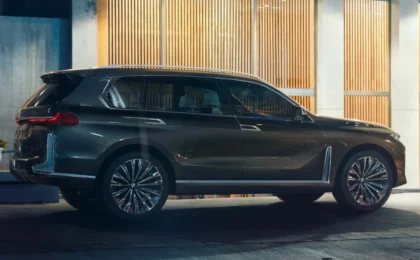
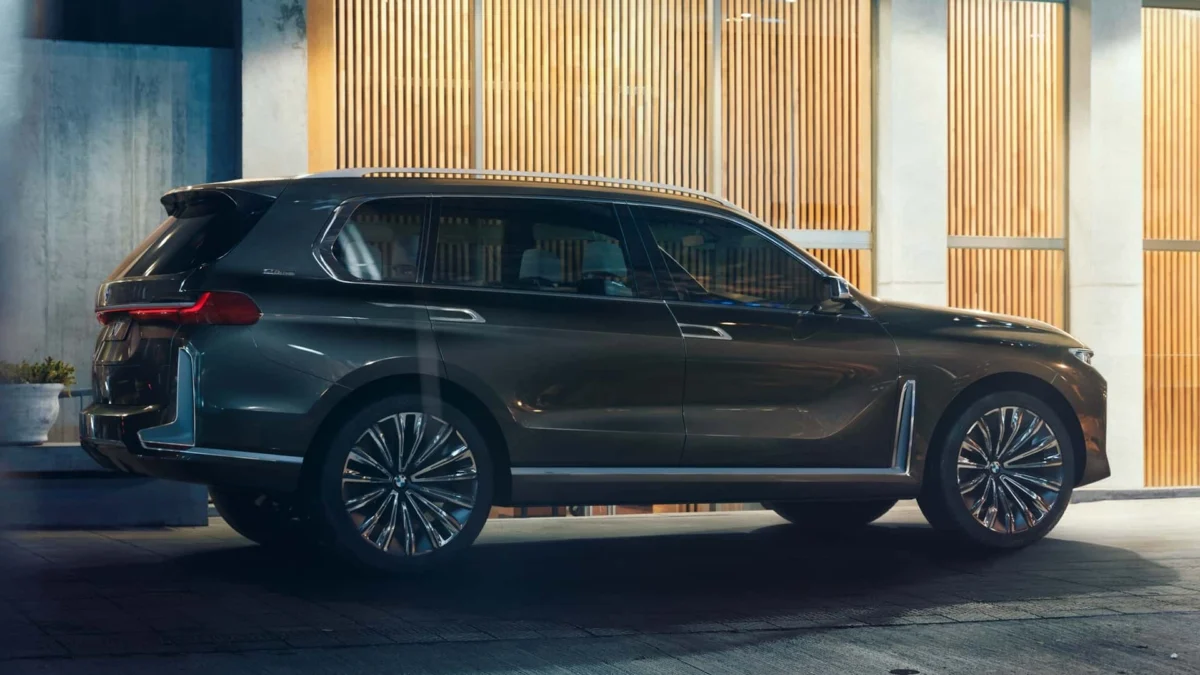
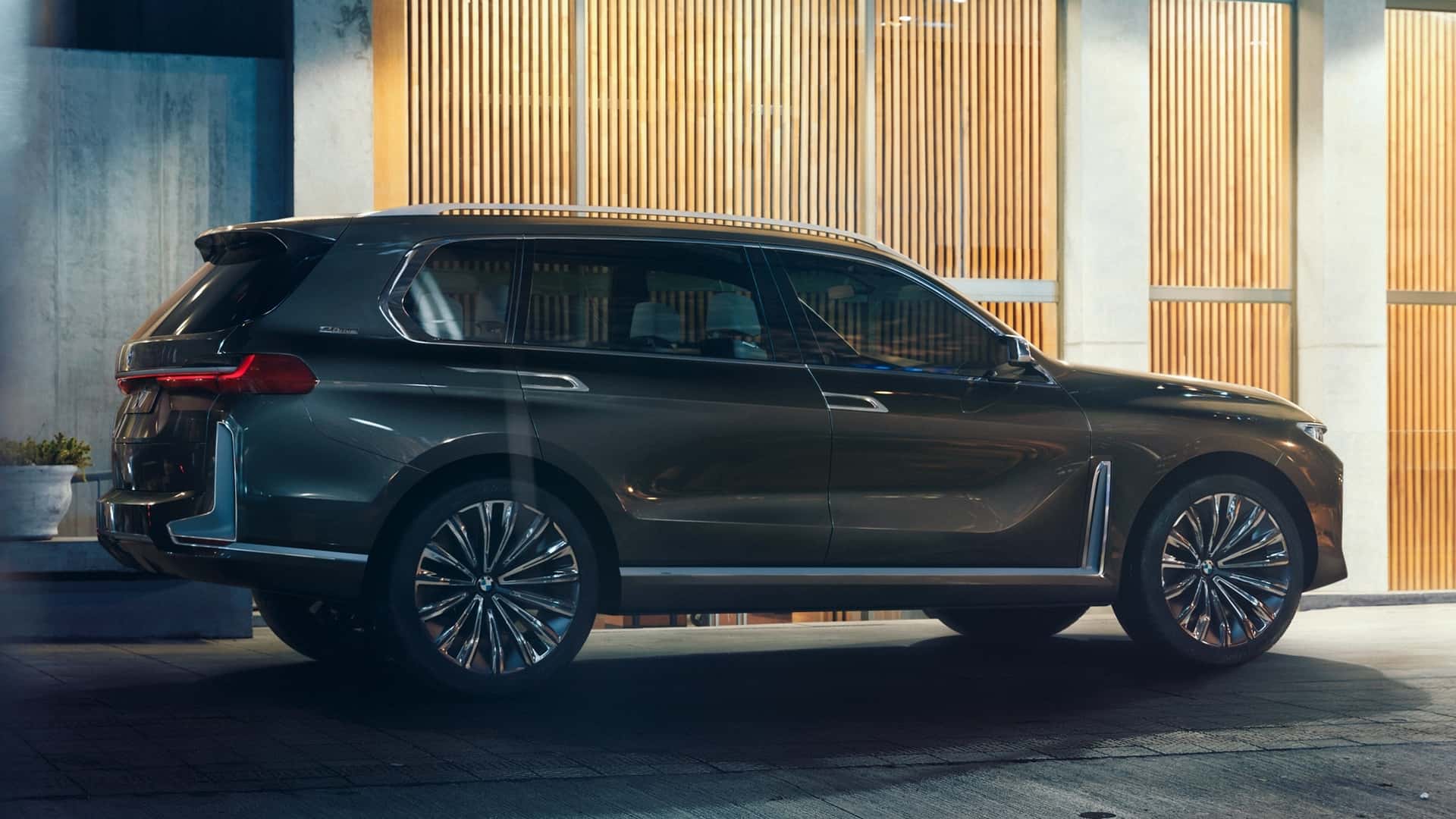
The decision to introduce a new, US-exclusive SUV—tentatively dubbed the "X8"—is driven by raw data regarding consumer demand. The North American market has shown an insatiable appetite for large, high-riding luxury vehicles.
Currently, BMW’s manufacturing facility in Spartanburg, South Carolina, is operating at maximum capacity. The demand for the existing X7 has been so robust that it has created a clear opening for an even more luxurious, perhaps more emotive, SUV offering at the top of the range. By creating a model that sits above the X7, BMW is targeting the upper echelons of the luxury segment, where margins are significantly higher and competition from brands like Mercedes-Maybach is fierce.
Furthermore, the "Neue Klasse" initiative represents a massive investment in modular architecture. The data suggests that by standardizing the technology across all segments—from the entry-level 1 Series to the largest SUVs—BMW can achieve unprecedented economies of scale, allowing for more rapid iteration of software and battery technology.
Official Responses and Strategic Vision
While specific details regarding the new US-exclusive SUV’s name, pricing, and precise dimensions remain under wraps, BMW spokespeople have described the vehicle as an "additional offering" rather than a replacement. It is a strategic addition meant to capture market share in the premium "Sports Activity Vehicle" (SAV) sector.
Regarding the culling of the lineup, the company has been transparent: "We are reviewing and reducing the number of variants offered to focus on vehicles that deliver the strongest long-term returns." This is a diplomatic way of saying that the brand’s historical practice of creating a variant for every possible demographic is becoming inefficient in a world of rising R&D costs and electric vehicle (EV) infrastructure demands.
The inclusion of the Alpina brand into the core lineup is perhaps the most significant strategic maneuver. By repositioning Alpina as the "bridge" to Rolls-Royce, BMW is creating a tiered ecosystem that allows it to capture customers at every stage of their wealth-building journey, preventing them from defecting to competitors.
Implications for the Market
The implications of this strategy are profound for both the industry and the consumer.
1. The Death of the "Niche"
For the consumer, this likely means fewer options in the entry-level segments. The departure of models like the 2 Series Active Tourer suggests that BMW is moving away from being a "generalist" luxury brand. The brand is betting that its core customers value status, performance, and cutting-edge tech over the utility of a compact MPV.
2. The Rise of "Neue Klasse"
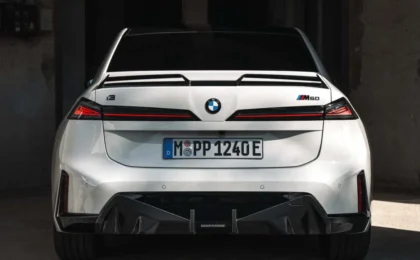
The "Neue Klasse" architecture is not just a platform; it is a declaration of independence. By embedding this technology into every segment—from the upcoming 1 Series to the flagship SUV—BMW is preparing to fight the EV war on its own terms. It implies a future where a base-model BMW shares the same "brain" and battery architecture as its most expensive flagship, creating a consistent user experience that is difficult to replicate.
3. A New Hierarchy
The shift toward an Alpina-branded luxury tier signals that BMW intends to compete more aggressively with the ultra-luxury segment. This could disrupt the traditional pricing tiers of the luxury market, forcing competitors to rethink their mid-to-high-tier offerings.
4. Global Regionalization
BMW’s commitment to its China strategy—localizing 95 percent of production by 2030—indicates that the era of shipping standardized global products to every market is fading. Future BMWs may feel like entirely different cars depending on whether they are built for the highways of the US or the mega-cities of China.
Conclusion: A Sharper, Leaner BMW
BMW is clearly betting that a leaner, more technologically integrated, and market-specific lineup will yield higher dividends than the wide-net approach of the past. By culling the "fluff" from its inventory and doubling down on high-margin, high-demand segments—and by formalizing its luxury hierarchy with the new Alpina-inspired models—BMW is insulating itself against the volatility of the modern automotive market.
As the company prepares to roll out its newest flagship in the United States and push the "Neue Klasse" into every corner of its operations, the message to the market is clear: BMW is no longer trying to be everything to everyone. Instead, it is focusing on being the absolute best for those who demand the pinnacle of German engineering, whether in the form of a high-performance EV sedan or a massive, luxury-laden SUV. The road ahead is one of precision, and for BMW, that precision begins with the difficult decision of what to leave behind.