Unlocking the Spread: New Research Identifies Protein "Accomplice" in Alzheimer’s Progression
Alzheimer’s disease has long been characterized by the relentless accumulation of toxic proteins that slowly dismantle the architecture of the human brain. For decades, the focus of neuroscientific research has been the protein Tau, which forms sticky,…
The Great Shell Struggle: Why Science Finally Solved the Hard-Boiled Egg Conundrum
For as long as home cooks have been boiling water, they have been locked in a cold war with the humble egg. The task—peeling a hard-boiled egg—is deceptively simple, yet it remains one of the most polarizing and frustrating endeavors in the culinary…
A New Frontier in Oncology: Researchers Identify Novel Compounds to Neutralize Lethal Pancreatic Cancer
Pancreatic ductal adenocarcinoma (PDAC) has long remained one of the most formidable adversaries in clinical oncology. Characterized by its late diagnosis, aggressive biological behavior, and a notorious resistance to conventional chemotherapy, it…
The Ecological Double-Edged Sword: Why Shelterbelts May Be Harming Farmland Biodiversity
For decades, the standard prescription for ecological restoration in agricultural landscapes has been simple: plant more trees. From the hedgerows of England to the windbreaks of the American Midwest, shelterbelts—rows of trees planted to shield crops…
Breakthrough in Cellular Engineering: USC Scientists Unlock Renewable Source for Advanced Immunotherapy
In a landmark study published in the journal Cell, researchers at USC Stem Cell have unveiled a revolutionary platform for cellular immunotherapy. By successfully creating a scalable, renewable, and engineerable supply of granulocyte-monocyte progenitors…
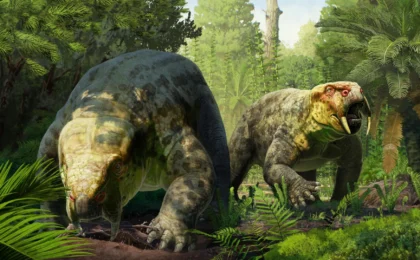
The King’s Long Road to Sovereignty: New Study Rewrites the Life History of Tyrannosaurus rex
For over a century, the Tyrannosaurus rex has stood as the quintessential symbol of prehistoric power. We have envisioned it as a creature of rapid, explosive growth—a biological juggernaut that surged from a hatchling to an eight-ton apex predator in a…
The Hidden Culprit: How ‘Foamy’ Immune Cells Drive Rapid Multiple Sclerosis Progression
In the complex, often unpredictable landscape of multiple sclerosis (MS), the chasm between a mild diagnosis and rapid, debilitating progression has long remained a medical enigma. Why do some patients live for decades with minimal impairment, while…
The Root Microbiome Revolution: How Microscopic Allies Could Save Global Agriculture from Salinity
In the silent, dark world beneath our feet, a sophisticated biological arms race is playing out—one that may determine the future of global food security. As climate change, over-irrigation, and rising sea levels turn vast swathes of once-fertile land…
The Omega-3 Paradox: New USC Research Challenges the Brain-Health Benefits of Fish Oil Supplements
Americans invest more than $1 billion annually into the fish oil supplement industry, driven by a widespread belief that omega-3 fatty acids act as a nutritional shield for the aging brain. These essential fatty acids—particularly docosahexaenoic acid…
The Darkening of Our Waters: How "Freshwater Browning" is Reshaping Ecosystems and Angling
For generations, the lakes, streams, and ponds of North America and Northern Europe have been cherished as clear, blue sanctuaries. Yet, frequent visitors have begun to notice a disquieting change: the water is looking less like a clear mountain stream…