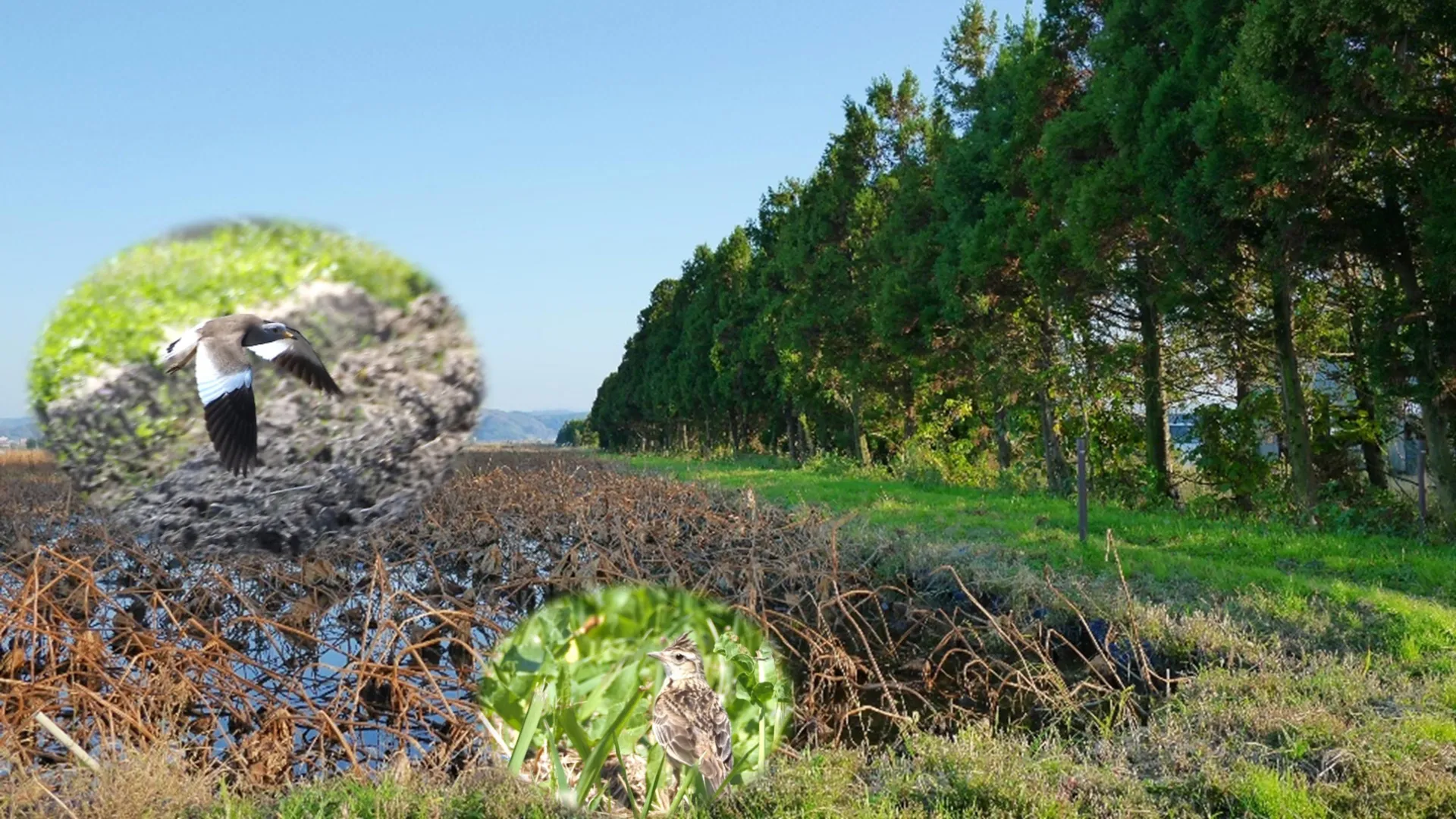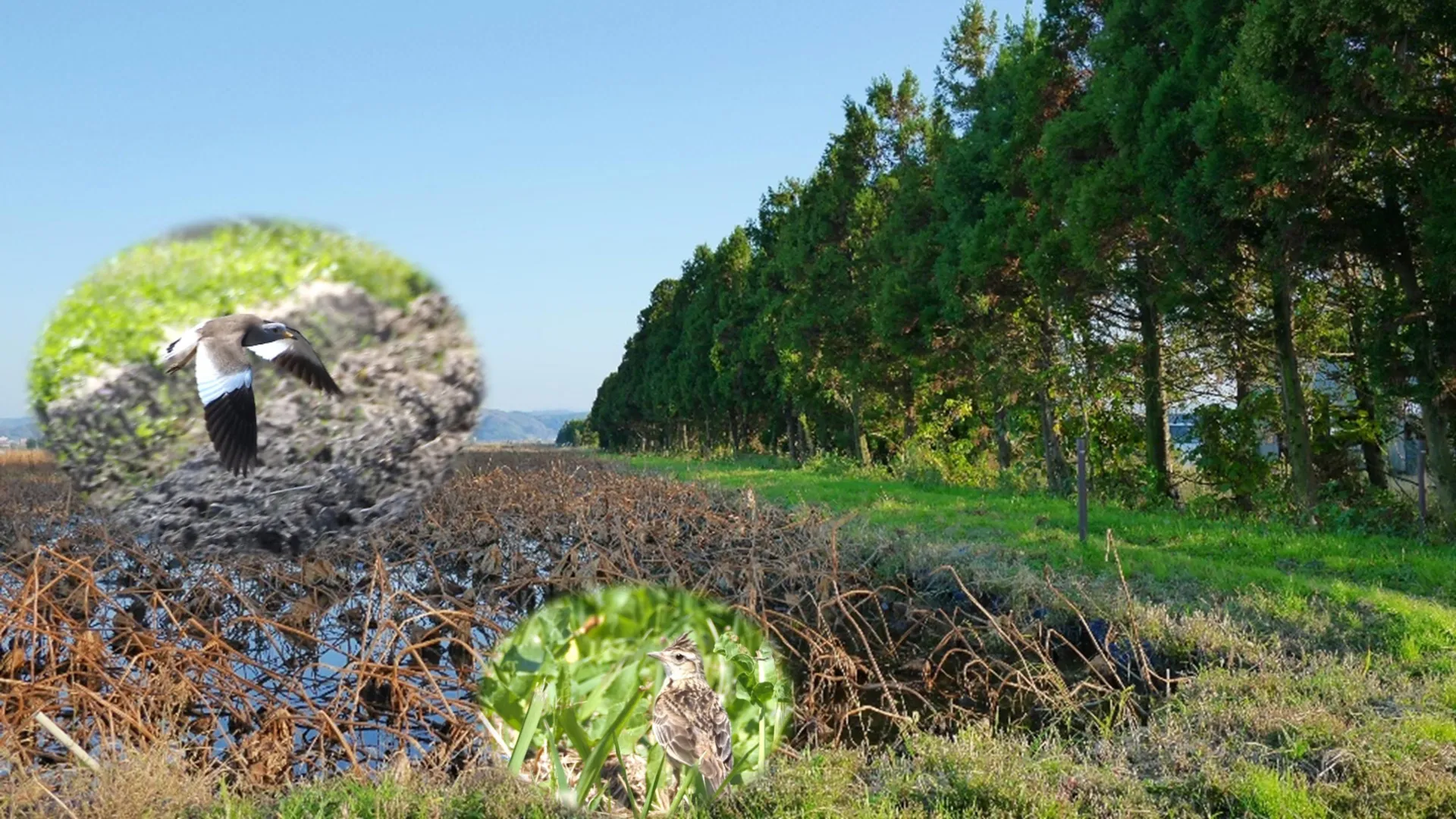
The Ecological Double-Edged Sword: Why Shelterbelts May Be Harming Farmland Biodiversity
For decades, the standard prescription for ecological restoration in agricultural landscapes has been simple: plant more trees. From the hedgerows of England to the windbreaks of the American Midwest, shelterbelts—rows of trees planted to shield crops…
Echoes from the Pleistocene: A Million-Year-Old Fossil Cache Rewrites New Zealand’s Ecological History
Deep within the subterranean labyrinth of a cave system near Waitomo, on New Zealand’s North Island, scientists have unearthed a geological "time capsule" that is fundamentally altering our understanding of the country’s prehistoric evolution.…
The Ecological Paradox of Shelterbelts: Rethinking Tree Planting in Agricultural Wetlands
For decades, the standard prescription for boosting biodiversity on farmland has been simple: plant trees. Across Europe and North America, hedgerows and shelterbelts—rows of trees designed to shield crops from harsh winds—have become the gold standard…
The Yellowstone Wolf Narrative: A Scientific Re-Evaluation Challenges Decades of Ecological Dogma
For over a quarter of a century, the reintroduction of gray wolves to Yellowstone National Park has been hailed as one of the greatest ecological success stories in modern history. The narrative—often centered on the concept of the "trophic…