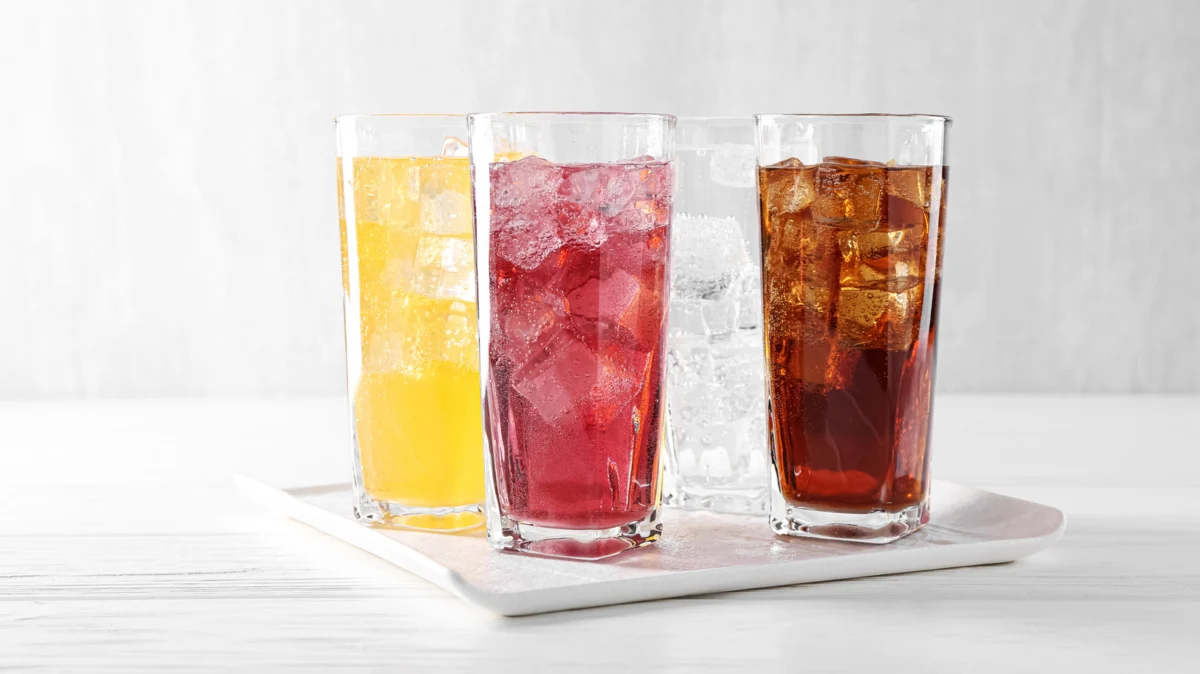
While the global soft drink market is dominated by behemoths like Coca-Cola, Pepsi, and Dr Pepper, there exists a vibrant, effervescent undercurrent in the American South. From the spicy, sinus-clearing ginger ales of South Carolina to the neon-hued, cryptid-themed sodas of West Virginia, regional bottling companies have long served as the liquid backbone of Southern culture. These beverages are more than just sugar and carbonation; they are historical artifacts, generational staples, and culinary essentialists.
The Origins of Bubbles: A Brief Chronology
The story of the American soda industry finds its roots in the 18th-century work of English chemist Joseph Priestley, who discovered the process of carbonating water. By the early 20th century, that scientific curiosity had transformed into a Southern obsession.
Many of the brands featured here were born during the industrial expansion of the 1900s. Brands like Alabama’s Buffalo Rock (1901) and Mississippi’s Barq’s (1898) began as pharmacy-style tonics intended to soothe ailments. The mid-century era saw the rise of iconic flavors like Grapette (1939) and Ale-8-One (1926), which cemented themselves into the regional consciousness through county fairs and local bottling plants. Today, despite corporate acquisitions by giants like Keurig Dr Pepper, these local legends persist, maintaining their unique flavor profiles and loyal customer bases.
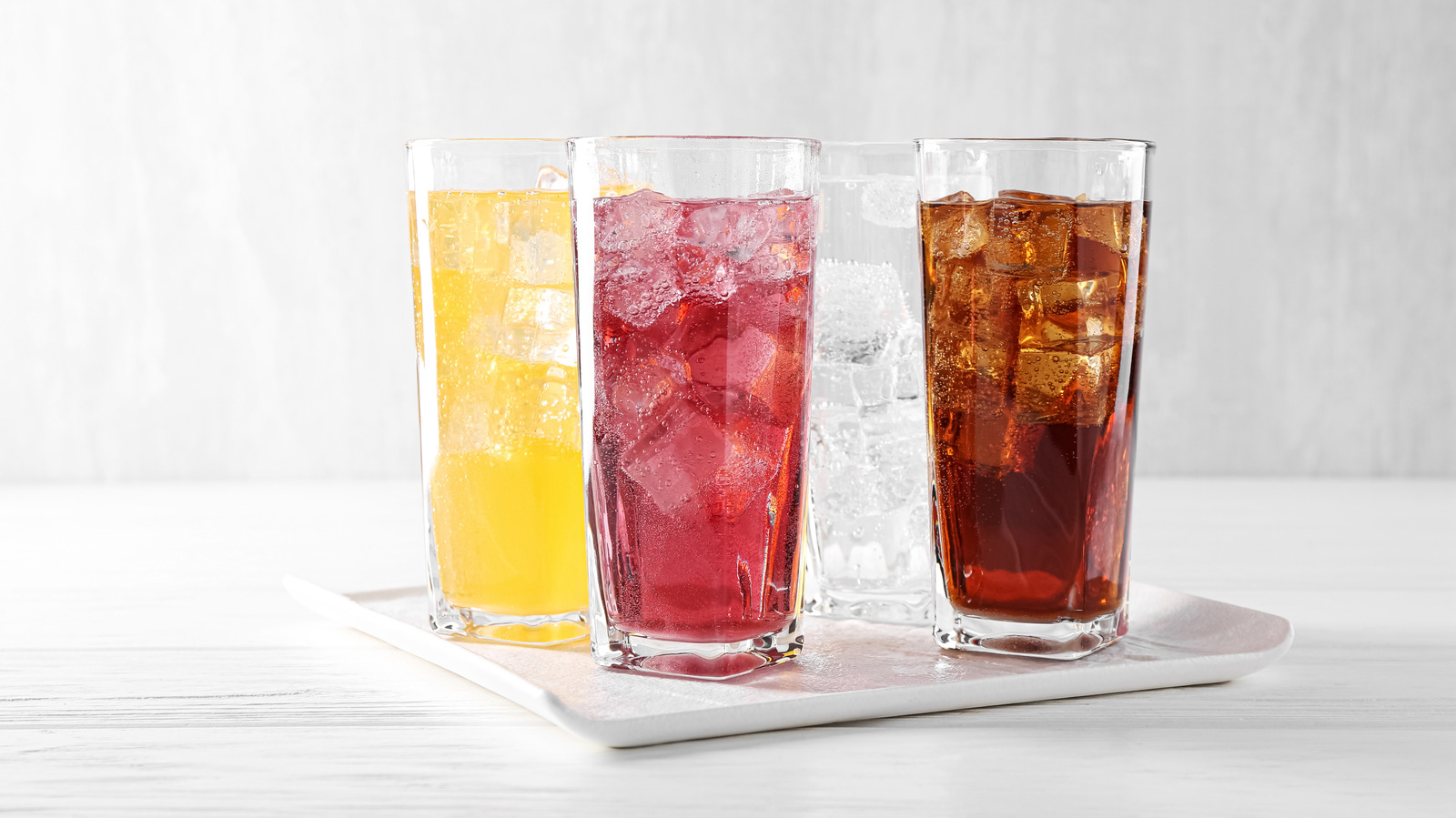
Supporting Data: The Anatomy of a Regional Soda
What separates a mass-market soda from a regional classic? Often, it is the uncompromising commitment to specific ingredients—pure cane sugar, local honey, or proprietary spice blends.
The Regional Lineup
- Alabama: Buffalo Rock Ginger Ale (1901)
Known for its intense, "spicy" ginger kick, Buffalo Rock is a staple for Southern mixologists. It remains a high-demand item, famously selling out on Amazon within 48 hours of its 2015 digital debut. It is the gold standard for those who find standard ginger ales too mild. - Arkansas: Grapette Soda (1939)
A "pop pioneer" born in Camden, Grapette redefined the grape soda category. Now a mainstay in Walmart stores nationwide, its legacy was solidified by a feature on the Food Network’s "Unwrapped." - Delaware: Dominion Root Beer
Using a recipe sourced directly from the Library of Congress, this craft soda balances sharp root beer notes with Virginia honey. It remains a cult favorite, famously championed by Olympic athletes in the 2012 London Games. - Florida: Materva
A Miami institution, Materva utilizes yerba mate to create a refreshing, apple-like soda. It is an essential component of the South Florida Cuban dining experience, praised for its crisp finish rather than cloying sweetness. - Georgia: Nehi Soda (1924)
Synonymous with Southern Americana, Nehi gained fame through celebrity endorsements and its inclusion in the TV show MASH*. Its peach flavor remains a mandatory experience for anyone visiting the Peach State. - Kentucky: Ale-8-One (1926)
The oldest privately operated bottling company in the region, Ale-8-One is a Kentucky icon. Its secret ginger-citrus recipe is so beloved that locals serve it at everything from weddings to funerals. - Louisiana: Big Shot
With a mascot as bold as its flavors, New Orleans-based Big Shot offers an array of adventurous profiles like Pineapple Blue Bayou. It is the quintessential pairing for a classic Louisiana po-boy. - Maryland: Frostie
Famous for its retro, elf-adorned glass bottles, Frostie has been a Maryland staple since 1939. Its 16-flavor lineup includes everything from Blue Cream Soda to Concord Grape. - Mississippi: Barq’s Root Beer (1898)
"Barq’s has bite"—a slogan earned through its high caffeine content and sharp, spicy sarsaparilla base. Its Red Creme Soda variant remains one of the most sought-after regional gems. - North Carolina: Cheerwine (1917)
The "Nectar of North Carolina," Cheerwine is a cherry-flavored phenomenon. It is so ingrained in the state’s culture that it is used in everything from holiday punches to slow-cooked pulled pork recipes. - Oklahoma: Okola-homa Soda Co. (2017)
A newcomer that has quickly earned accolades for its use of 100% pure cane sugar and lack of high-fructose corn syrup. It is the official craft soda partner for the upcoming Route 66 centennial. - South Carolina: Blenheim Ginger Ale (1903)
Not for the faint of heart, Blenheim is legendary for its "red cap" variety, which is so spicy it has been known to clear sinuses. It is the ultimate test of endurance for ginger soda enthusiasts. - Tennessee: Dr. Enuf (1949)
A vitamin-fortified lemon-lime soda, Dr. Enuf is a testament to Tennessee’s quirky beverage history. It is often described as a more sophisticated, slightly bitter cousin to Mountain Dew. - Texas: Big Red (1937)
With its distinct bubblegum and vanilla profile, Big Red is the unofficial beverage of Texas barbecue. It is sweet, bold, and perfectly suited to cutting through the richness of smoked brisket. - Virginia: Maggie’s Craft Soda
Brewed in a building dating back to 1825, Maggie’s represents the hyper-local movement. It is a boutique experience, crafted with love and honey, and available primarily at its Fredericksburg home base. - West Virginia: Cryptid Club (2022)
Bridging the gap between folklore and flavor, this brand features Mothman and Sasquatch-themed labels. Their "Squonk" raspberry limeade is currently their standout success.
Official Responses and Cultural Impact
The longevity of these brands is not accidental. Industry representatives, such as Ale-8-One’s CMO Kevin Price, have noted that these drinks transcend the category of "soft drink." They become part of the family narrative. When a brand becomes a fixture at life’s major milestones—weddings, births, and holidays—it ceases to be a commodity and becomes a tradition.
Moreover, the "craft" movement has invigorated these companies. By focusing on regional heritage and artisanal ingredients, smaller bottlers are finding a new generation of consumers who are wary of the artificiality of global conglomerates. The rise of these brands is a direct response to a consumer desire for authenticity and "place-based" consumption.
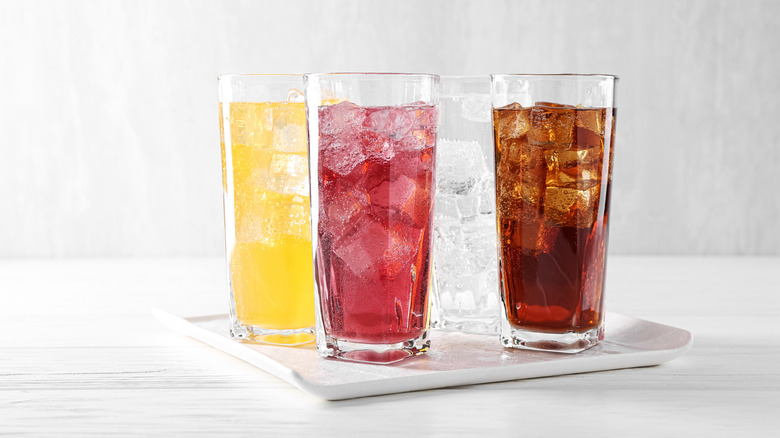
Implications: The Future of Regional Bottling
The survival of these 16 iconic brands carries significant implications for the American beverage industry. As local pride continues to influence consumer habits, the demand for regional sodas is expected to grow. This "hyper-local" trend suggests that the future of the market may not lie in further globalization, but in the celebration of regional idiosyncrasies.
The challenge for these companies remains distribution and scalability. While some, like Grapette and Barq’s, have successfully navigated the jump to national retail, others thrive by maintaining their exclusivity. For the consumer, the implication is simple: the next time you traverse the Southern states, look past the generic soda fountain. Whether it’s the sinus-scorching ginger of South Carolina or the bubblegum sweetness of Texas, these bottles offer a sip of history that no global brand can replicate.
Methodology
This study was compiled by evaluating historical longevity, regional market impact, and consumer sentiment across digital platforms, including Reddit, Facebook, and local culinary blogs. We prioritized brands that utilize distinct ingredients, maintain long-standing bottling traditions, and have received accolades from regional media outlets and tourism boards. The selection represents a cross-section of the Southern United States, focusing on cultural relevance as much as flavor profile.