
For decades, the "As Seen On TV" label has occupied a peculiar space in the American cultural consciousness. Often relegated to the dusty bottom shelves of discount retailers or relegated to late-night infomercial slots, the branding has frequently been associated with gimmicky, short-lived gadgets destined for the back of a junk drawer. However, beneath the frantic pacing of early 2000s television commercials and the often-hyperbolic marketing claims, a handful of these products have demonstrated remarkable utility.
Far from being mere novelties, several "As Seen On TV" kitchen tools have revolutionized home cooking, offering genuine solutions to age-old culinary frustrations. By bridging the gap between professional-grade equipment and accessible home convenience, these inventions have earned their place in the modern kitchen.

The Evolution of the Infomercial Kitchen
The history of television-marketed kitchenware is a story of direct-to-consumer innovation. In an era before social media influencers, the infomercial served as the primary medium for demonstrating the "problem-solution" model of product marketing.
The strategy was simple: identify a universal kitchen frustration—such as the danger of handling hot pans or the tedious nature of chopping vegetables—and present a charismatic host to demonstrate a tool that solves the problem in seconds. While many products failed to live up to the hype, the ones that succeeded did so because they addressed fundamental ergonomic and functional needs that mainstream manufacturers had overlooked.

1. The Ove Glove: Engineering Heat Protection
The Ove Glove represents a pinnacle of material science application in the domestic sphere. Before its introduction, the standard oven mitt was a cumbersome, padded fabric pouch that offered limited dexterity and heat resistance.
- The Innovation: By utilizing Kevlar—the same aramid fiber used in firefighter turnout gear—the Ove Glove allowed for unprecedented heat resistance (up to 540 degrees Fahrenheit) while providing the tactile feedback of a human hand.
- The Impact: This design shift allowed home cooks to handle delicate kitchen tasks, such as removing a hot rack from an oven or gripping a slippery handle, with significantly increased confidence and safety. It shifted the paradigm from "avoiding heat" to "managing heat."
2. The Nutribullet: Personalizing Nutrition
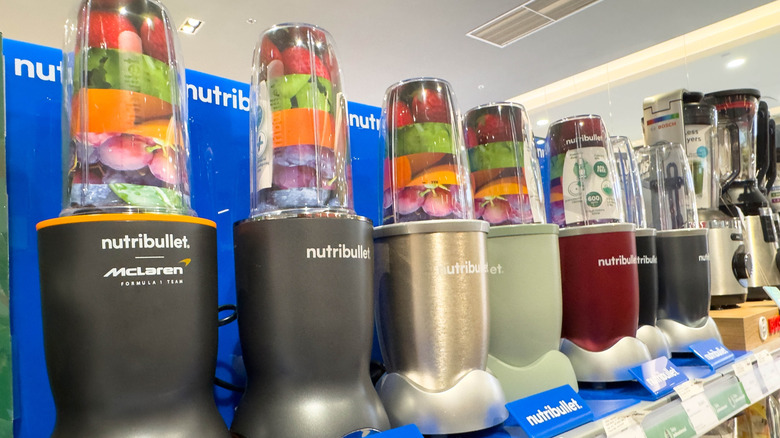
The Nutribullet changed the landscape of the home blender market by recognizing a demographic shift: the rise of the single-serving consumer. Before the Nutribullet, blenders were large, stationary appliances that were often difficult to clean and store.

- The Chronology: Launched in the early 2010s, the brand quickly dominated the market by focusing on speed and portability.
- The Genius: The press-and-twist mechanism combined with high-torque blades allowed for the breakdown of fibrous frozen fruits and vegetables into a drinkable consistency, a feat that smaller "smoothie makers" of the past struggled to achieve. It effectively lowered the barrier to entry for healthy home eating.
3. The George Foreman Grill: A Cultural Phenomenon
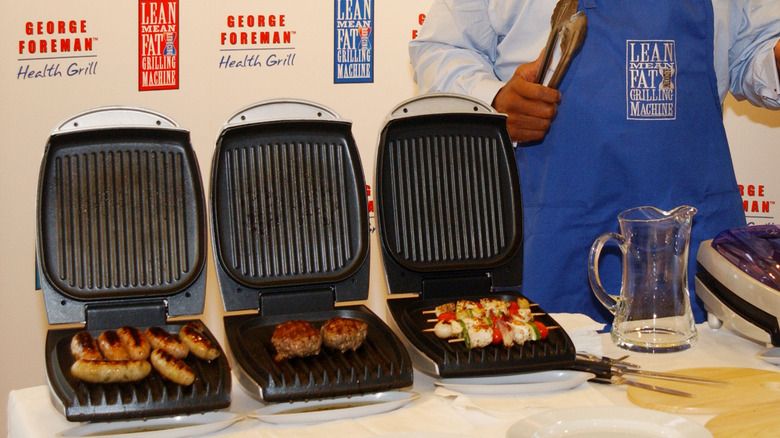
Perhaps no "As Seen On TV" product has achieved the level of pop-culture status as the George Foreman Lean Mean Fat-Reducing Grilling Machine. Endorsed by the heavyweight boxing champion, the grill solved a specific set of problems: how to achieve grill-like results indoors while simultaneously reducing fat content.
- Supporting Data: The downward-sloping design, which allows rendered fat to drain into a collection tray, was a major selling point for health-conscious consumers in the 90s. Studies from the era suggested that the grill could remove a significant percentage of fat from burgers, providing a quantifiable health benefit that resonated with the public.
- The Legacy: It became a staple of dorm rooms and urban apartments, effectively democratizing the grilling experience for those without access to outdoor space.
The Intersection of Utility and Design
The brilliance of these tools often lies in their simplicity. They do not attempt to replace high-end culinary training; instead, they augment the capabilities of the average home cook through clever engineering.
4. The Copper Chef Pan
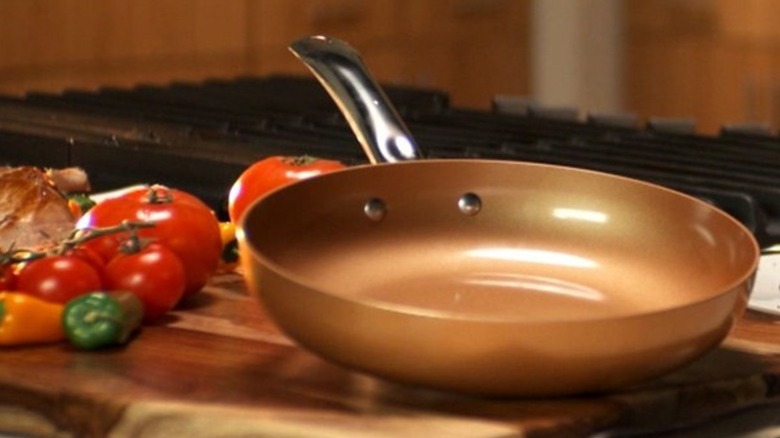
The "copper" cookware craze brought advanced non-stick technology to the mass market. While many of these pans were not made of solid copper, the CeramiTech coating proved to be a durable, high-heat-resistant alternative to traditional Teflon.
- Implications: By enabling users to sear meats on the stovetop and transfer them directly into a high-temperature oven, the Copper Chef pan allowed home cooks to emulate restaurant-style techniques—such as pan-searing—with ease. The pan’s durability over years of use remains a testament to the effectiveness of its ceramic coating.
5. The 1 Second Slicer: Precision Without the Practice
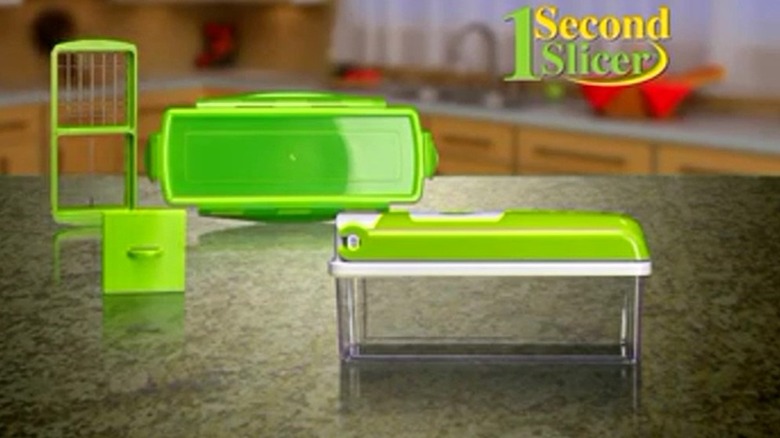
For many, the biggest hurdle in cooking is the time and skill required for "prep work." The 1 Second Slicer addressed this by providing a mechanical solution to repetitive dicing and chopping.
- Functional Design: By using a grid of stainless steel blades, the device ensures uniformity in cutting—a standard that usually takes years of knife-skill training to master. For individuals with arthritis or limited grip strength, this device transformed a painful, repetitive task into a single, efficient motion.
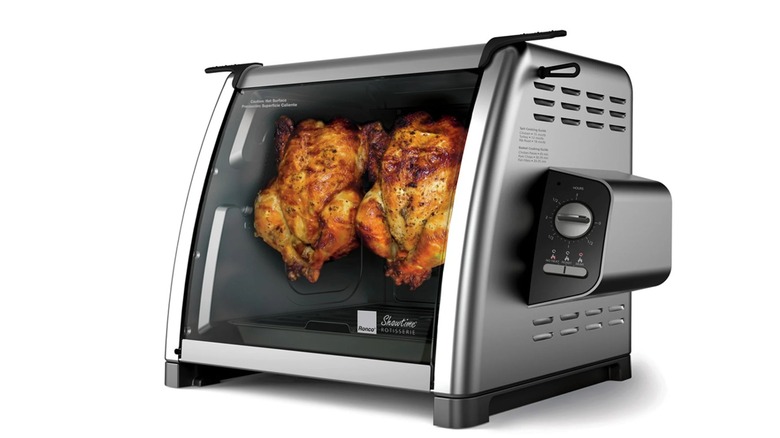
6. The Showtime Rotisserie Oven
Ron Popeil’s Showtime Rotisserie remains the gold standard for "set it and forget it" cooking. The rotating spit ensures that juices are constantly redistributed across the meat, resulting in a moisture level that is difficult to achieve in a conventional static oven.
- Official Response: Despite the death of its creator in 2021, the appliance continues to maintain a loyal following. The consistent, slow-rotation cooking method provides an almost foolproof way to prepare everything from prime rib to whole chickens, making professional-style rotisserie accessible in a residential kitchen.
7. The Garlic Master: Tackling the Niche
Garlic preparation is notoriously messy, often leaving the chef’s hands smelling of sulfur and oils. The Garlic Master serves as a prime example of a specialized tool that performs one task perfectly.
- Utility: By placing whole cloves into a chamber and using a twisting motion, the Garlic Master produces uniform pieces without the need for delicate knife work. This tool highlights the value of "niche innovation"—the idea that if you make one small, tedious task effortless, you significantly improve the overall enjoyment of the cooking process.
Methodology and Market Implications
The selection of these seven items was based on a combination of personal usage, longevity, and consistent consumer satisfaction. Unlike transient trends, these products have persisted in the marketplace because they provide tangible, replicable results.
The "As Seen On TV" label has, in recent years, been superseded by social media marketing. However, the core philosophy remains identical: consumers are looking for tools that simplify their lives. Whether it is an oven mitt that handles extreme temperatures or a blender that fits in a small apartment, the success of these items proves that innovation does not always require high costs or professional-grade complexity.
The Future of Kitchen Gadgets
As we look forward, the legacy of these items will likely be found in "smart" kitchen appliances. However, the fundamental desire remains the same: the home cook wants tools that are reliable, easy to clean, and capable of enhancing the flavor and presentation of their meals.
The lasting success of products like the Ove Glove or the George Foreman Grill serves as a reminder to the culinary industry: focus on the user experience. By identifying the pain points of the daily routine, manufacturers can create tools that aren’t just "seen on TV," but are used every day in homes across the world.
In conclusion, while the marketing for these items may sometimes feel aggressive, their utility is undeniably genius. They have successfully bridged the gap between professional technique and home convenience, ensuring that the kitchen remains a place of creativity rather than a source of frustration. For those willing to look past the branding, these seven tools offer a masterclass in functional design that continues to pay dividends in the kitchen.