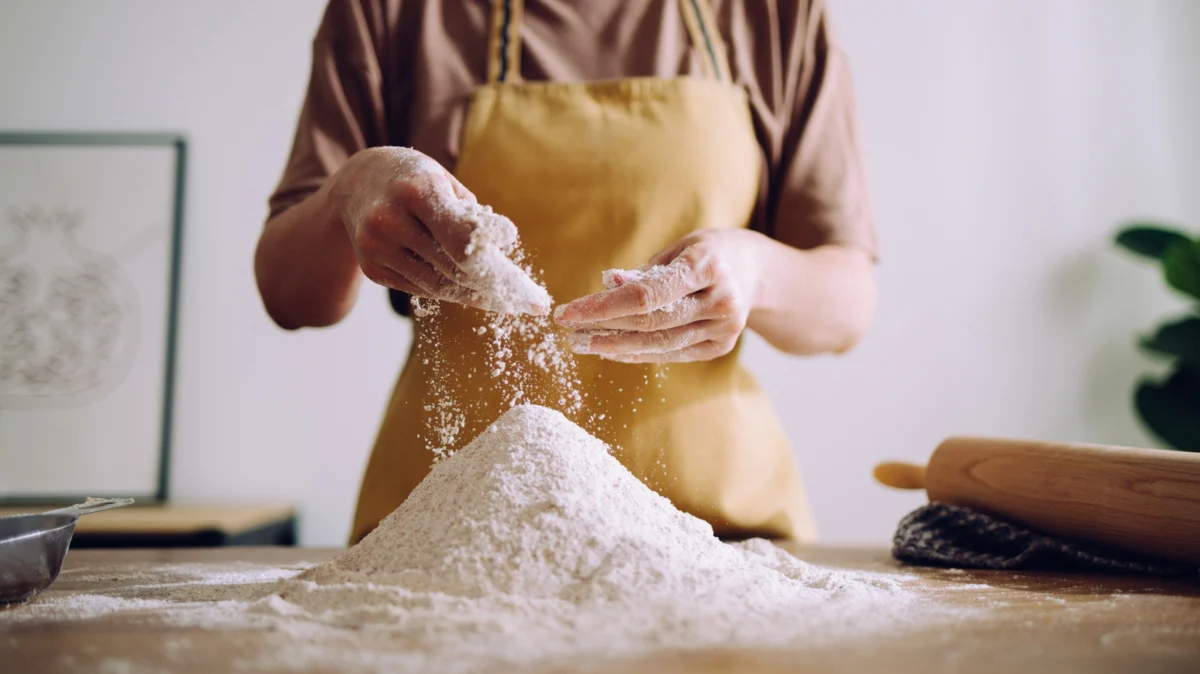
Baking is often romanticized as a soothing, creative escape—a quiet Sunday morning spent kneading dough or an afternoon dedicated to decorating delicate pastries. Yet, beneath the aesthetic appeal of a perfectly risen loaf or a glossy ganache lies a rigid, uncompromising foundation of chemistry. For the home baker, the difference between a triumphant dessert and a culinary catastrophe often comes down to the subtle adherence to professional protocols that are rarely mentioned on the back of a standard recipe card.
According to Isaac Bernal, Executive Chef of the Representation of Spain to the United Nations, the transition from "following instructions" to "mastering the craft" begins when a baker understands the molecular interactions occurring within their mixing bowl. "Pastry involves a lot of chemistry, but that doesn’t mean it has to be complicated," Bernal notes. "Once you understand what each ingredient is doing, you stop simply following instructions. That’s when you begin controlling the result."
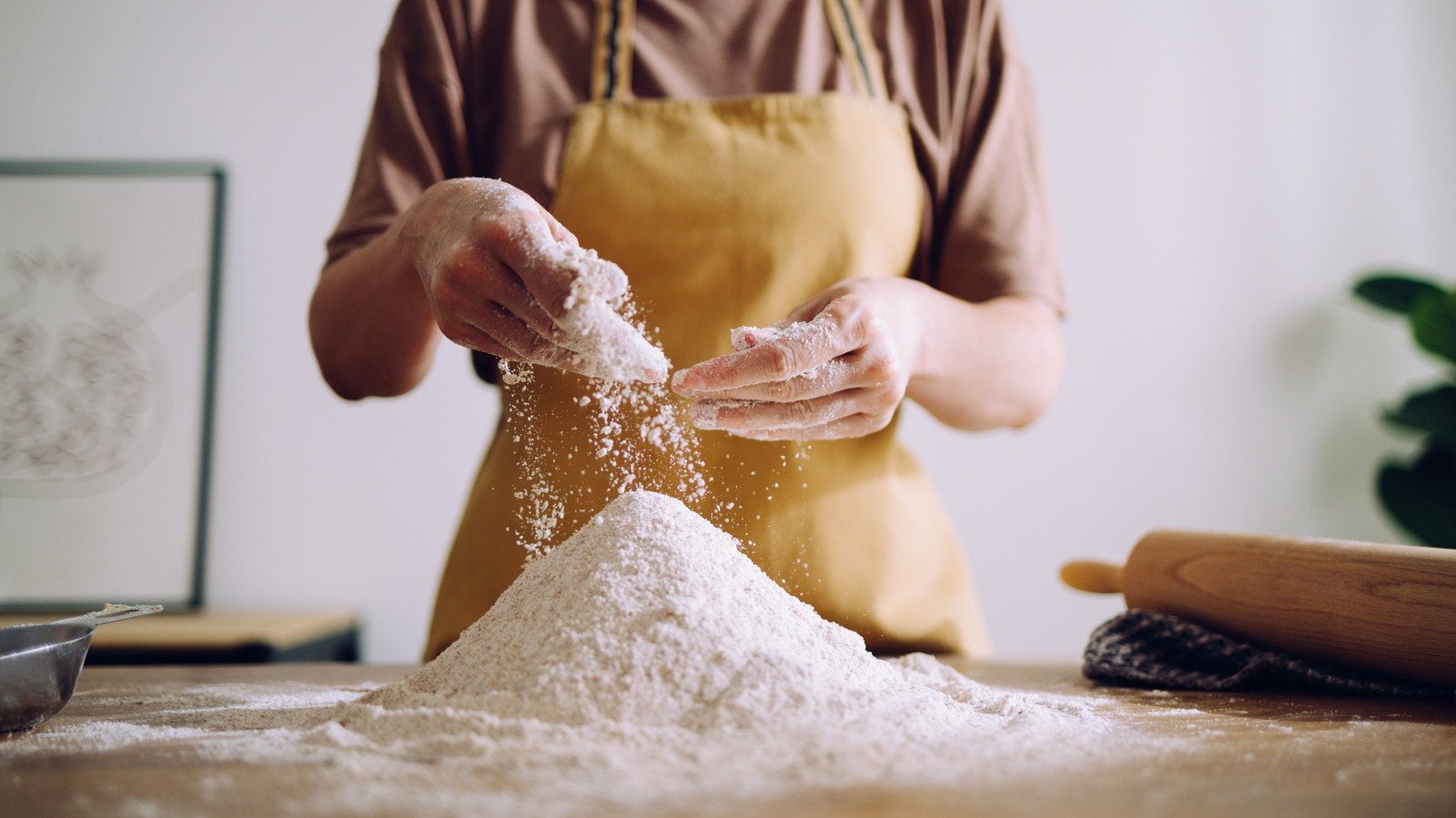
To bridge the gap between amateur effort and professional-grade precision, we consulted five industry experts to synthesize the twelve ironclad rules that separate a good bake from a masterful one.
The Foundation: Proper Storage and Preparation
1. The Science of Storage
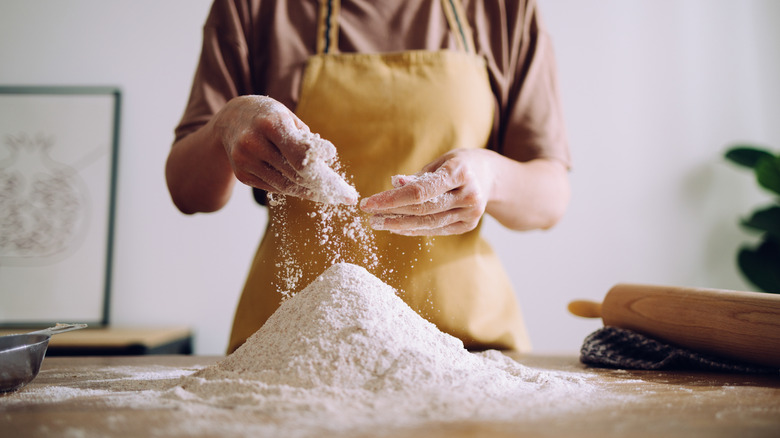
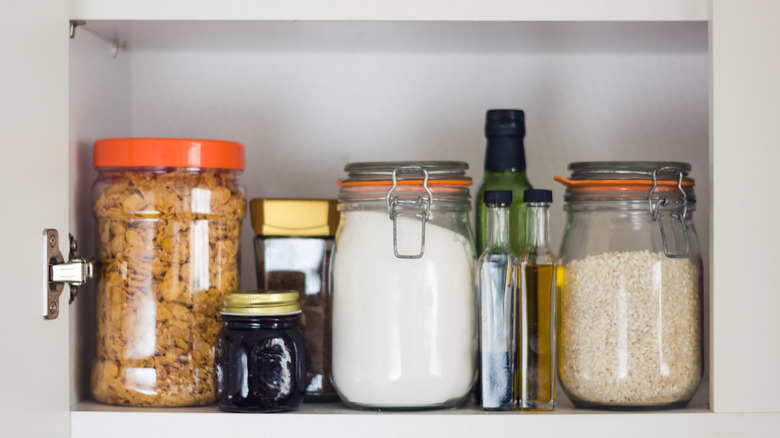
Professional kitchens operate on the principle that ingredient integrity begins long before the oven is preheated. While it is convenient to keep spices and dry goods in the "ready-zone" near the stove, heat and humidity are the natural enemies of freshness. Joan MacIsaac, chef and co-owner of Effie’s Homemade Biscuits, emphasizes that temperature-controlled environments are vital. Nuts, which contain high levels of volatile oils, should be stored in airtight containers in the freezer to prevent rancidity. Similarly, chocolate should be sequestered in a cool, dark space, and dry ingredients must be kept in sealed vessels to prevent moisture absorption and pest contamination.
2. The Weight of Accuracy
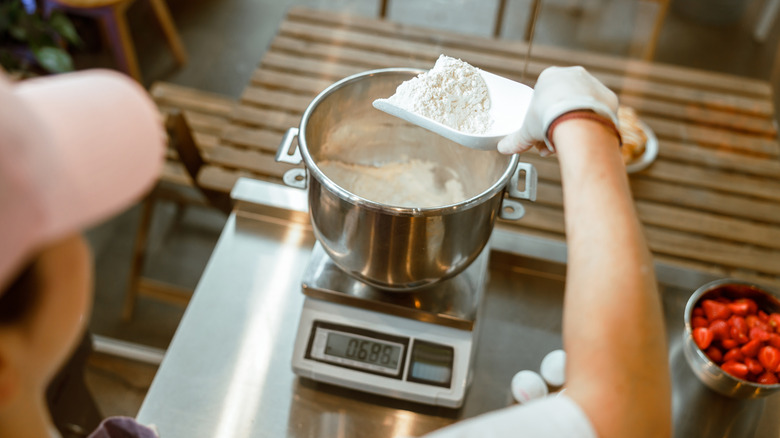
The most significant divide between American home kitchens and European professional bakeries is the reliance on volume versus weight. A cup of flour is a notoriously unreliable measurement; it can fluctuate by as much as 20% depending on how tightly it is packed. "A cup of flour can contain very different amounts depending on how you fill that cup," Bernal explains. "But 120 grams is always 120 grams." Caroline Corrente, founder of Haymaker Bun Co. and a Le Cordon Bleu alumna, suggests that if a home baker is only going to adopt one professional habit, it should be the use of a digital scale. Investing in a reliable scale—often costing less than $15—is the single most effective way to ensure consistency.
3. Temperature as an Ingredient
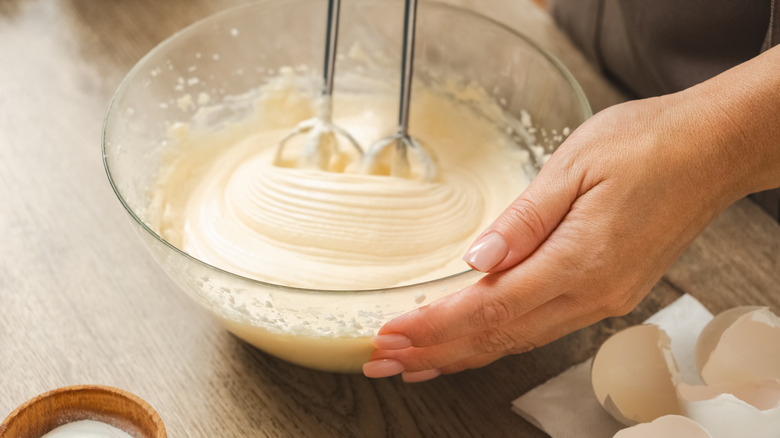
In professional pastry, temperature is not merely a setting; it is a critical component of the recipe. Room temperature, defined as 70 degrees Fahrenheit, is the "Goldilocks zone" for ingredients like butter and eggs. When ingredients are at the correct temperature, they emulsify into a smooth, cohesive batter without the risk of overmixing. To reach this state quickly, experts suggest chopping butter into small pieces or placing eggs in a warm water bath rather than relying on the uneven heat of a microwave.
Chronology: The Nuances of Mixing and Timing
4. Blooming Spices in Liquids
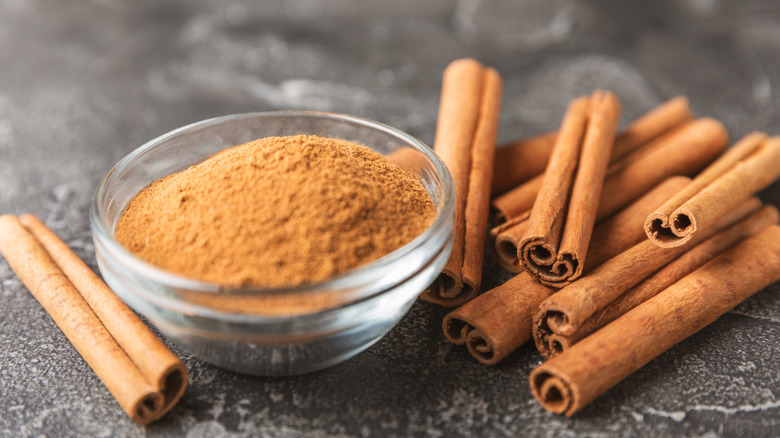
Conventional wisdom suggests adding spices to the dry flour mixture. However, Lisa Ruland, founder of the Unpeeled Journal, offers a professional counter-strategy: incorporate spices with the liquid ingredients. "My instructors at the Culinary Institute of America taught me to add spices with the eggs, fat, and sugar," she explains. This allows the spices to "bloom"—releasing their essential oils into the fats and liquids, resulting in a more aromatic and evenly distributed flavor profile.
5. The Salt Standard
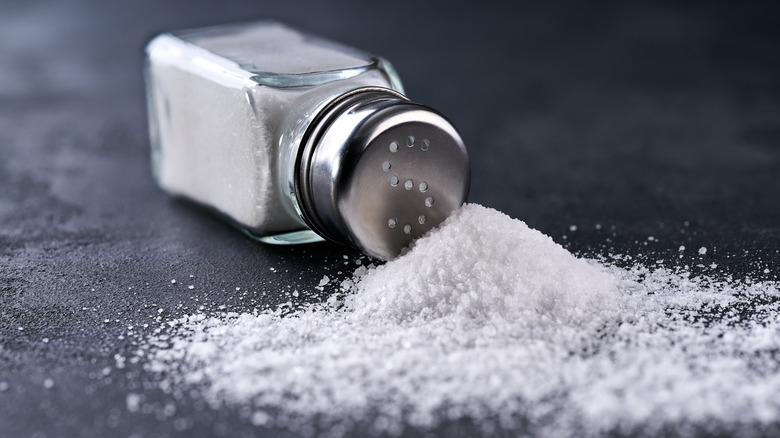
The type of salt used in baking is not a matter of taste; it is a matter of density. "Virtually every professional pastry kitchen in America uses Diamond Crystal kosher salt, never table salt," Ruland notes. Because table salt is significantly denser than kosher varieties, substituting the two by volume can lead to a dangerously over-salted end product. Using a consistent, professional-grade kosher salt ensures that the salinity of your dough matches the recipe developer’s original intent.
6. Managing Protein Stability
Eggs are among the most temperamental ingredients in the baker’s repertoire. Caroline Corrente warns against adding acidic ingredients, alcohol, or sugar directly to raw eggs and allowing them to sit. These additives can begin to denature the egg proteins prematurely, altering the structure of your batter before it even enters the oven. To ensure the best rise and texture, combine these ingredients only when you are ready to proceed with the mixing process.
7. The Case Against Salted Butter
While the convenience of salted butter is tempting, professionals avoid it entirely. Because the salt content in commercial butter is not standardized, it introduces an unpredictable variable into your chemistry. Salted butter can inadvertently affect the browning of a crust or the fermentation rate of yeasted doughs. By using unsalted butter, the baker retains absolute control over the salinity of the final product.
Supporting Data: Environment and Equipment
8. The Necessity of Resting
When a recipe calls for resting dough, it is rarely a suggestion. Whether it is a cookie dough needing to hydrate or a laminated dough needing its gluten to relax, this "idle" time is when the magic happens. "That time may be allowing the flour to hydrate, the gluten to relax, the fat to become cold again, or fermentation and flavor to develop," Bernal says. Skipping this step is a common mistake that often results in tough, unevenly baked goods.
9. Visual Cues vs. Timers
Professional bakers view the oven timer as a suggestion rather than a deadline. "Always bake by visual and physical cues, not by a time listed in a recipe," Jessica Mode advises. Because every oven has unique heat distribution, humidity levels, and calibration, a baker must rely on aroma, color, and internal texture. Checking the oven periodically before the timer expires is a hallmark of an attentive, skilled baker.
10. The Color of the Vessel
The material and color of your baking pan dictate how heat is absorbed and transferred. Dark pans absorb heat more aggressively, which can lead to burnt edges and dry interiors. Light-colored pans are the industry standard for most pastries and breads because they promote even heat distribution. If you must use dark pans, professionals recommend lowering the oven temperature by roughly 20 degrees to compensate for the accelerated heat absorption.
Implications: The Final Touches
11. Calibrating the Oven
"If your baked goods aren’t turning out correctly, get an oven thermometer," says Mode. The discrepancy between the dial on your oven and the actual internal temperature can be as much as 25 degrees, which is enough to ruin delicate items like macarons or meringues. By keeping an oven thermometer in the center of the oven—and replacing it annually—you eliminate the guesswork that plagues most home kitchens.
12. The Art of the Piping Bag
Finally, the secret to professional-looking decoration lies in the management of the piping bag. Overfilling a bag creates excess pressure, leading to loss of control and premature leakage. Lisa Ruland recommends filling bags only halfway to allow the baker’s hand to maintain a firm, steady grip. Furthermore, maintaining a distance of one inch between the tip and the surface of the dessert prevents the "shaky line" effect that often betrays an amateur hand.
Conclusion: From Home to Professional
Mastering these twelve rules does not require an advanced degree in chemistry; it requires a shift in perspective. By treating the kitchen as a laboratory where variables like temperature, weight, and equipment are carefully controlled, the home baker gains the agency to move beyond simple recipe following. As these practices become second nature, the "calming" act of baking evolves into a refined craft, yielding results that consistently meet the high standards of the professional kitchen.